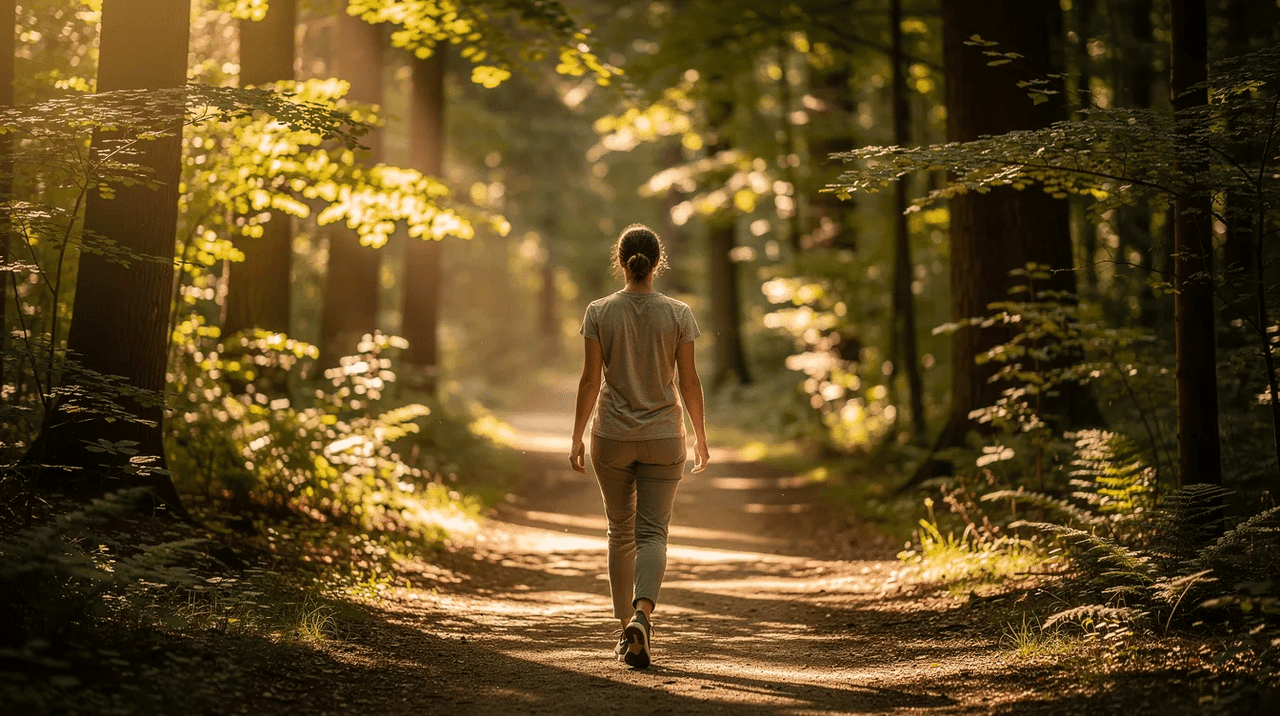
Marijuana Recovery: Clearing the Fog in San Juan Capistrano
Medical Disclaimer: The content provided in this article is for informational purposes only and does not constitute medical advice. High-potency cannabis use can lead to severe psychological distress, including psychosis and panic attacks. If you are experiencing uncontrollable vomiting (CHS) or severe paranoia, please call 911 or go to the nearest emergency room immediately. For confidential assessment and admissions, contact Sun County Wellness.
Introduction: The "Safe" Drug Trap
In California, cannabis is everywhere. It is in billboards on the freeway, in the air at concerts, and often, in our “wellness” routines. We are told it is medicine. We are told it is “California Sober.” We are told it is just a plant.
So why do you feel stuck?
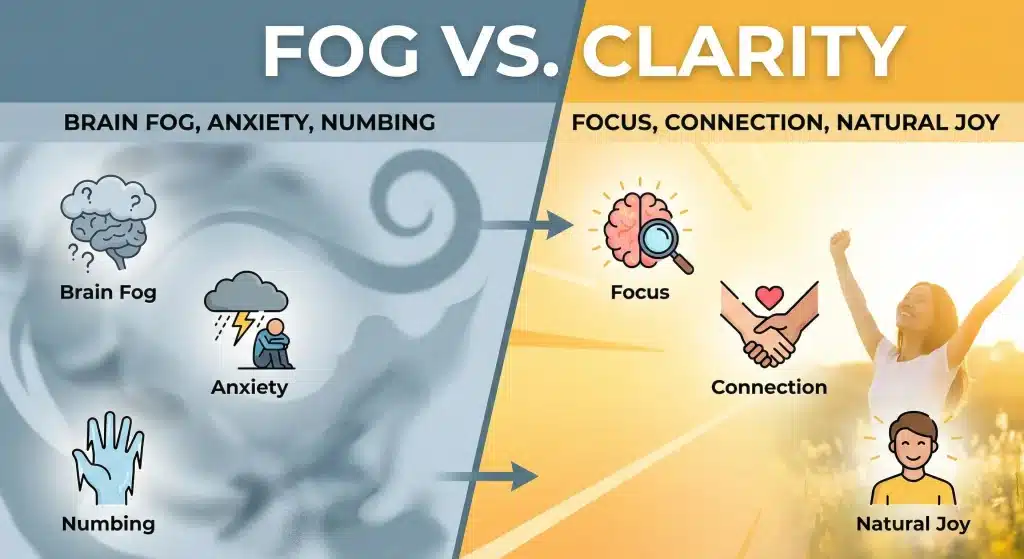
Maybe you started using it to sleep, or to manage anxiety. But now, you can’t eat without it. You can’t enjoy a sunset without it. You wake up in a fog that never quite lifts. You have lost your ambition, your sharp wit, and your connection to the people you love because you are always slightly “checked out.”
At Sun County Wellness, we know that “legal” does not mean “harmless.”
We see women every day who are tired of living life through a haze. They are tired of the anxiety that spikes when they run out. They are tired of the “amotivational syndrome” that keeps them dreaming but never doing.
In this guide, we will break down the reality of modern marijuana addiction, the unique challenges of recovering in a cannabis-friendly culture, and how the grounding energy of San Juan Capistrano can help you find natural clarity.
If you are ready to clear the smoke, explore our Substance Use Treatment Programs.
!
$$Hero Image: A high-quality, atmospheric shot of fog lifting off the hills in San Juan Capistrano, revealing bright sunlight and green trails. Represents the transition from the “marijuana fog” to clarity. Alt-text: Marijuana addiction recovery and mental clarity in San Juan Capistrano.$$
The Science: This Isn't the Weed of the 60s
To understand why you might be struggling, you have to look at the numbers. The cannabis consumed at Woodstock had a THC concentration of about 2-4%. Today’s dispensaries sell flower that is 25-30% THC, and concentrates (vapes/dabs) that can reach 90% THC.
The Impact on the Female Brain: Women are statistically more sensitive to the effects of THC due to estrogen levels.
- The Dopamine Hijack: Chronic high-potency use floods the brain with artificial dopamine. Eventually, the brain stops producing its own. This leads to Anhedonia—the inability to feel pleasure from normal things (a hug, a good meal, a walk) without being high.
- The Anxiety Paradox: While many use weed to treat anxiety, high doses actually cause it. It overstimulates the amygdala (fear center), leading to chronic, low-level paranoia or social anxiety.
The Signs of "Gray Area" Dependency
You might not be “rock bottom,” but you aren’t free.
- The “Buffer”: You need to smoke/vape before doing anything mundane (laundry, grocery shopping) to make it tolerable.
- Emotional Numbing: You aren’t sad, but you aren’t happy. You are just “fine.” You have flattened your emotional landscape.
- Memory Gaps: You lose your train of thought mid-sentence. You forget conversations with your partner. You feel like you are losing your intelligence.
The Cultural Challenge: Staying Sober in SoCal
Recovering from marijuana in California is unique because the culture validates the addiction. Your friends might say: “It’s just weed. You don’t need rehab for that.”
This is Gaslighting. If a substance is controlling your schedule, your finances, and your emotions, it is an addiction. You do not need anyone’s permission to stop suffering.
The “California Sober” Myth: Many people try to quit drinking alcohol but keep smoking weed (“California Sober”). For some, this works. But for many, the weed becomes the new crutch. It prevents you from doing the deep emotional work because you are still numbing the feelings. At Sun County, we advocate for Radical Clarity—learning to live life completely raw and unfiltered.

Emotional Blunting: The Wall Between You and Intimacy
One of the most insidious effects of chronic cannabis use is Emotional Blunting. You might feel like you are a “chill” partner or mother because you don’t yell or get angry. But you also don’t feel deep joy, deep empathy, or deep connection.
- The Glass Wall: Partners often describe living with a chronic smoker as “lonely.” You are physically there, but emotionally, you are behind a layer of smoke.
- Conflict Avoidance: Instead of resolving issues, you smoke to tolerate them. This leads to years of unresolved resentment accumulating under the surface.
Recovery is Reconnection. When the fog lifts, you might feel irritable at first because you are finally feeling the things you ignored. But you also start feeling love again. You start laughing—real, belly laughter—not just the “high” giggles.
The Medical Reality: CHS and Anxiety
We must address the physical risks. Cannabinoid Hyperemesis Syndrome (CHS): We are seeing a rise in women visiting the ER with uncontrollable vomiting and abdominal pain. This is caused by toxic levels of THC damaging the gut receptors. The only cure is cessation.
Hormonal Disruption: Chronic use can disrupt the endocrine system, affecting menstrual cycles and fertility. Reclaiming your natural rhythm often starts with detoxing from THC.
Withdrawal and Sleep: The REM Rebound
When you stop, your body will react. Marijuana withdrawal is real, and sleep is the biggest casualty.
Why You Can’t Sleep: THC is a sedative, but it suppresses REM Sleep (Dream Sleep). For years, you haven’t been truly dreaming; you’ve just been unconscious. When you quit, the brain attempts to catch up on all the lost REM sleep at once.
- The Rebound: This leads to REM Rebound—intense, vivid, movie-like dreams or nightmares. It also causes “sleep fragmentation,” where you wake up frequently.
- The Strategy: We do not recommend swapping weed for sleeping pills (trading one dependency for another). Instead, we use:
- Magnesium Glycinate: To relax muscles.
- Cold/Heat Therapy: A hot bath followed by a cold shower to manually drop body temperature for sleep.
- Patience: Understanding that this is temporary. Natural sleep usually returns within 14-21 days.
- Magnesium Glycinate: To relax muscles.
- Cold/Heat Therapy: A hot bath followed by a cold shower to manually drop body temperature for sleep.
- Patience: Understanding that this is temporary. Natural sleep usually returns within 14-21 days.
Why Professional Help Matters: We provide medical support and holistic tools to help you sleep and regulate your mood during this rocky transition, so you don’t relapse just to get some rest.
Healing in San Juan Capistrano: Natural Dopamine
You cannot just remove the drug; you have to replace it. You need Natural Dopamine. San Juan Capistrano is designed for this.
1. Eco-Therapy: Curing "Nature Deficit Disorder"
Our brains are exhausted by screens and artificial lights. This is “Nature Deficit Disorder,” and it fuels anxiety. SJC offers the cure: Soft Fascination.
- The Science: Looking at nature (clouds, trees, ocean) engages “soft attention,” which restores the brain’s ability to focus. Unlike the “hard attention” of work, nature allows the brain to rest while awake.
- The Practice: Hiking the Ridgeline Trail or walking through the Mission Gardens provides a sustainable lift that doesn’t come with a crash.
2. Somatic Re-Connection
Weed disconnects you from your body (dissociation). We want you back in your body.
- Yoga: Moving with breath helps you tolerate discomfort without numbing it.
- Breathwork: Using “Holotropic” or calming breath techniques to achieve altered states of consciousness naturally, without chemicals.
3. Nutritional Repair: The "Anti-Munchies" Protocol
The “munchies” often lead to a diet high in sugar and processed carbs, which causes blood sugar crashes that mimic anxiety. We focus on Gut-Brain Health.
- Stabilizing Blood Sugar: Eating high-protein, healthy-fat meals every 3-4 hours prevents the “hangry” feeling that often triggers cravings.
- Repairing the Gut: We use local, nutrient-dense food to repair the gut lining and support neurotransmitter production. Eating a fresh, colorful meal provides a sensory pleasure that rivals the drug.
Case Study: Chloe’s Clarity
The Crisis: Chloe, 26, was a creative director. She smoked vape pens all day to “stay creative” and manage stress. But she realized she hadn’t finished a project in months. She was anxious, isolating from her friends, and felt like she was watching her life through a glass wall.
The Intervention: Chloe entered the Sun County Wellness PHP.
- Week 1: The insomnia was hard. We used magnesium, lavender, and sound healing to help her rest.
- Week 3: Her “brain fog” lifted. She described it as “cleaning a dirty window.” She started painting again in Art Therapy—and it was better than her stoned art.
- Week 6: She learned to navigate social anxiety without the vape pen. She realized she was actually an introvert who needed rest, not a drug.
The Result: Chloe is 6 months sober. She says, “I thought weed made me interesting. I realize now it made me boring. I’m finally awake.”
Conclusion: You Don't Need the Haze
There is a terrifying beauty in seeing the world clearly. The colors are brighter. The feelings are sharper. The connections are deeper.
You might be afraid that without weed, life will be dull. We promise you: Life is not dull. It is vivid, wild, and messy. And you are strong enough to handle it all without a filter.
Come clear the fog with us.
If you are ready to wake up, contact Sun County Wellness today.
Frequently Asked Questions
Can I just switch to CBD? For some, CBD is a helpful non-psychoactive tool. However, for those with addiction patterns, the ritual of vaping/smoking can be a trigger. We recommend a period of total abstinence first to reset the brain.
How long does the brain fog last? THC is stored in fat cells, so it takes longer to leave the body than alcohol. Most people report significant clarity after 30 days, but full cognitive restoration can take 3-6 months. Patience is key.
Is it safe to quit cold turkey? Yes, it is not life-threatening like alcohol. However, the psychological distress (anxiety/depression) can be severe, which is why having a therapeutic container (PHP/IOP) is vital for success.
What if my partner smokes? This is a common challenge. We offer family coaching to help you set boundaries (e.g., “Please don’t smoke in the house” or “Please keep your stash locked up”).