
Quick Overview of the DARE Drugs Program
Drug Abuse Resistance Education, commonly known as D.A.R.E., is a school-based prevention education program that places uniformed law enforcement officers directly in classrooms to teach children about the dangers of alcohol, tobacco, and illicit drugs. Launched in 1983 in Los Angeles, the program expanded rapidly to reach 75% of U.S. school districts and 53 countries at its peak.
D.A.R.E. targets elementary and middle school students with structured lessons on refusal skills, the negative consequences of drug use, and alternatives to violence and gang involvement. Uniformed police officers serve as instructors and role models, delivering content designed to inoculate students against peer pressure before they experiment with drugs.
Research on D.A.R.E.’s effectiveness has been mixed for decades. Early evaluations questioned its long-term impact, prompting curriculum updates in the 2000s toward more interactive, evidence-informed methods. At Sun County Wellness, a women’s-only treatment center in San Juan Capistrano, California, we understand that prevention programs like D.A.R.E. matter—but they represent just one step in protecting women and families from substance use disorders.
Origins and Mission of the DARE Program
The dare drugs program emerged during the Reagan-era “War on Drugs,” when federal policy emphasized reducing demand through education rather than enforcement alone.
D.A.R.E. was founded in 1983 through a cooperative effort between Los Angeles Police Department Chief Daryl Gates and the Los Angeles Unified School District. The original mission centered on:
- Teaching students to resist peer pressure involving tobacco, alcohol, and drugs
- Increasing awareness of health and legal consequences of drug abuse
- Promoting pro-social behavior and nonviolent conflict resolution
- Discouraging gang recruitment and violent behavior
Police officers were placed directly in elementary classrooms as authority figures and role models, delivering a formal curriculum that would eventually spread nationwide. The program aimed to equip elementary students with practical skills before they faced real-world temptation.
At Sun County Wellness, we see the limitations of this prevention-first approach daily. Many women in our care never received effective education programs, or lived in environments where such programs were absent or unsupported.
How the DARE Curriculum Works in Schools
D.A.R.E. operates as a structured series of classroom lessons taught by specially trained officers rather than teachers. The program typically serves late elementary students (5th and 6th grades), middle school students, and occasionally high school classes.
The original curriculum consisted of 17 lessons covering:
- Types of drugs including alcohol, tobacco, marijuana, and inhalants
- Legal and health consequences of drug use
- Peer pressure dynamics and refusal skills
- Building self esteem and assertiveness
Classes are scheduled once weekly over 10–17 weeks, culminating in a graduation ceremony where students receive certificates and sometimes T-shirts. Family involvement extends through take-home assignments and pledge letters encouraging family rules against substance use.

Modern lesson plans emphasize role playing and interactive learning. For example, students might practice saying “No, thanks—I don’t do that” when a peer offers alcohol at a party. This shift from lecture-based content to decision-making exercises reflects the program’s evolution over decades.
Key Components and Modern Curriculum Updates
D.A.R.E. updated its approach in response to scientific criticism and advances in prevention science. The curriculum emphasizes skill-building rather than fear-based messaging.
The “keepin’ it REAL” model, introduced for middle school in the 2000s, focuses on four strategies:
Strategy
Description
Refuse
Decline offers directly
Explain
Give reasons for your decision
Avoid
Stay away from high-risk situations
Leave
Exit unsafe environments
Elementary curricula were revised to emphasize emotional regulation, stress management, and confident communication with peers and adults. The high school curriculum called myPlaybook addresses adolescence-specific risks around parties, dating, and sports.
D.A.R.E. now positions itself as evidence-informed, aligned with national health education standards. Many communities pair it with mental health supports, recognizing that no unique program can address all risk factors.
From Sun County Wellness’ perspective, these refined approaches matter deeply for girls and young women. Higher rates of trauma, anxiety, and co-occurring disorders mean early refusal and emotional management skills can serve as foundational defenses—even if they cannot prevent all future substance use.
Effectiveness, Controversies, and Research Findings
D.A.R.E. has been both widely implemented and heavily studied, with mixed results spanning several decades.
Major evaluations revealed significant concerns:
- Indiana University studies in the 1990s found participants sometimes showed equal or higher rates of substance use than non-participants
- The 1994 RTI International meta-analysis found D.A.R.E. increased knowledge but showed negligible impact on long-term drug use
- The National Institute of Justice (1998) and U.S. Surgeon General assessments classified the original version as ineffective for primary prevention
Common critiques included:
- Overemphasis on police authority instead of youth development
- Limited attention to mental health, trauma, and family environment
- A potential “boomerang effect” where intense drug education sparked curiosity
Civil liberties concerns also emerged when reports surfaced of officers encouraging students to report home drug activity, raising ethical questions about family privacy.
Later revisions incorporated interactive methods and social-emotional learning. One study of newer models shows modest improvements in attitudes and good decision making skills, though long-term behavioral impact varies by community and implementation quality.
At Sun County Wellness, we see this reality clearly: many women developed substance use disorders despite D.A.R.E. exposure, underscoring that prevention alone cannot replace trauma-informed treatment.
The Role of Police Officers, Schools, and Communities
D.A.R.E. functions as a partnership among law enforcement, schools, families, and community organizations. This unique features model creates both opportunities and challenges.
Officer Training Requirements:
- 40–80 hours of specialized coursework in youth communication and classroom management
- Certification through D.A.R.E. America or state affiliates
- Continuing education for updated curricula like keepin’ it REAL
Officers teach in uniform, which can build trust for some students while feeling intimidating for youth from communities with strained police relationships. Schools support the program by scheduling sessions into regular classroom time and reinforcing lessons through teachers.
Community involvement includes:
- Parents attending graduation ceremonies
- Local businesses sponsoring materials
- Coordination with mental health providers where available
From Sun County Wellness’ viewpoint, collaborative opportunities exist for treatment centers to help schools talk informatively about addiction, providing accurate information that humanizes recovery and reduces stigma. Guest speakers can share women’s recovery realities in age-appropriate settings.
From Prevention to Treatment: How Sun County Wellness Supports Women Beyond DARE
While school-based prevention programs like D.A.R.E. are important, they cannot eliminate all risk. Many women still develop substance use disorders later in life—and that’s where treatment becomes essential.
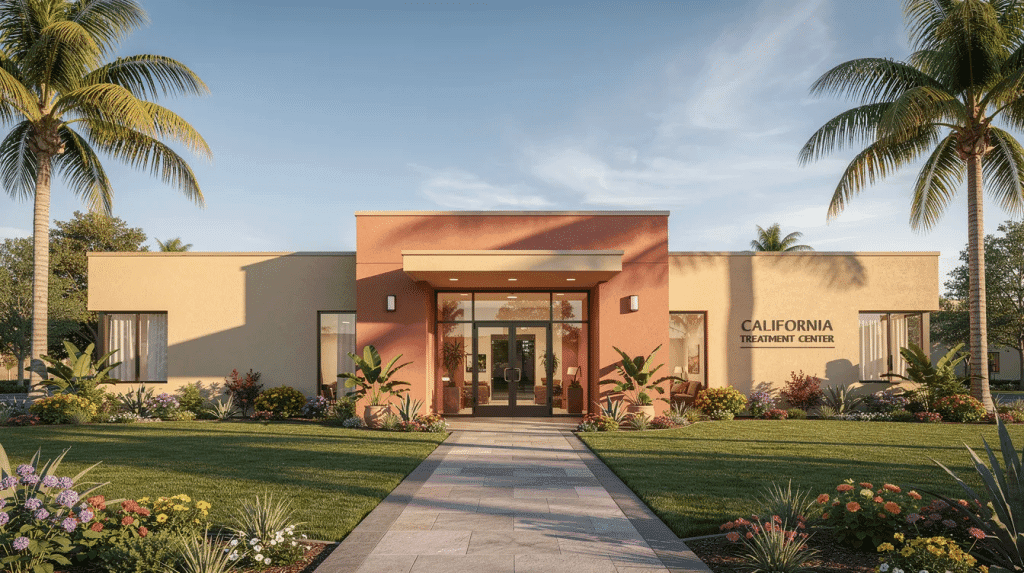
Sun County Wellness is a women’s-only treatment center in San Juan Capistrano, California, offering trauma-informed care, evidence-based therapies, and gender-responsive programming for adult women with complex histories.
Core elements of our approach:
- Comprehensive assessment of mental health, trauma history, and family context
- Individual and group therapy focused on coping skills, emotional regulation, and relapse prevention
- Education about the science of addiction that corrects myths from early prevention messaging
Many clients remember feeling shamed by simplistic “just say no” messages. Others lacked any prevention due to unstable schooling. We help women reframe those experiences—moving from blame to understanding their risk factors and learning compassionate self-advocacy.
The skills D.A.R.E. attempted to teach—boundary setting, refusal, and identifying positive alternatives—we deepen for adult women facing real recovery challenges.
If you grew up with or without D.A.R.E. and are now struggling with substance use, help exists. Contact Sun County Wellness for confidential, women-centered support in San Juan Capistrano. You deserve safety, respect, and a path forward.