Equine Therapy for Trauma: Exploring Healing Beyond Words with Equine Assisted Therapy Benefits
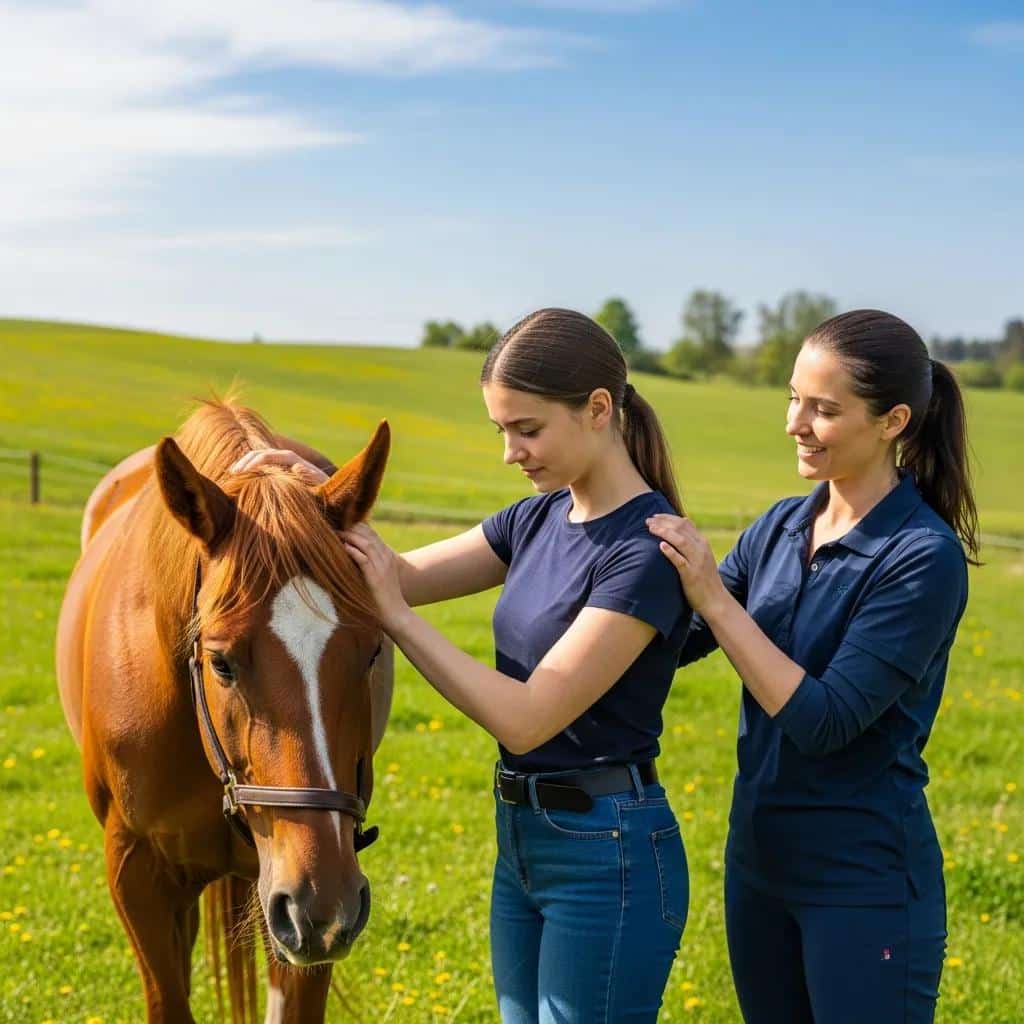
Equine therapy, also called equine-assisted therapy, offers a hands-on path for trauma recovery when talk therapy doesn’t fully reach you. Working with horses uses non-verbal interaction to help people process feelings, build trust and learn practical coping skills in a safe setting. For many, words alone can’t capture their experience; equine work offers another way to express and regulate emotion. This article explores the benefits of equine therapy, how it aids emotional regulation, and why women-specific programs matter—especially at centres like “Sun Country Wellness”.
Research supports equine-assisted psychotherapy as an effective intervention for trauma recovery, especially when conventional methods fall short.
“Equine-Assisted Psychotherapy for Trauma Recovery”
>
“Equine-assisted psychotherapy (EAP) has emerged as a promising, evidence-based intervention for the treatment of trauma and stressor-related disorders. This experiential therapy offers an option for clients whose traumatic experiences render traditional talk therapies ineffective.”
>
“Equine-assisted psychotherapy: An emerging trauma-informed intervention, PW Buck, 2017”
How Does Equine Therapy Support Trauma Recovery?
Equine therapy supports recovery through direct, therapeutic engagement with horses that builds trust and helps regulate emotion. Horses often create a sense of safety and connection, which helps people work through traumatic material. The experiential nature of the work increases self-awareness and encourages emotional expression, making it a useful complement to verbal therapies.
Benefit
Mechanism
Impact Level
Emotional Healing
Engagement with horses fosters trust
High
Self-Awareness
Experiential learning enhances emotional expression
High
Complementary Therapy
Works alongside traditional methods
Medium
This table shows how equine therapy benefits connect to mechanisms and support trauma recovery.
What Makes Equine Therapy Effective for Emotional Regulation?
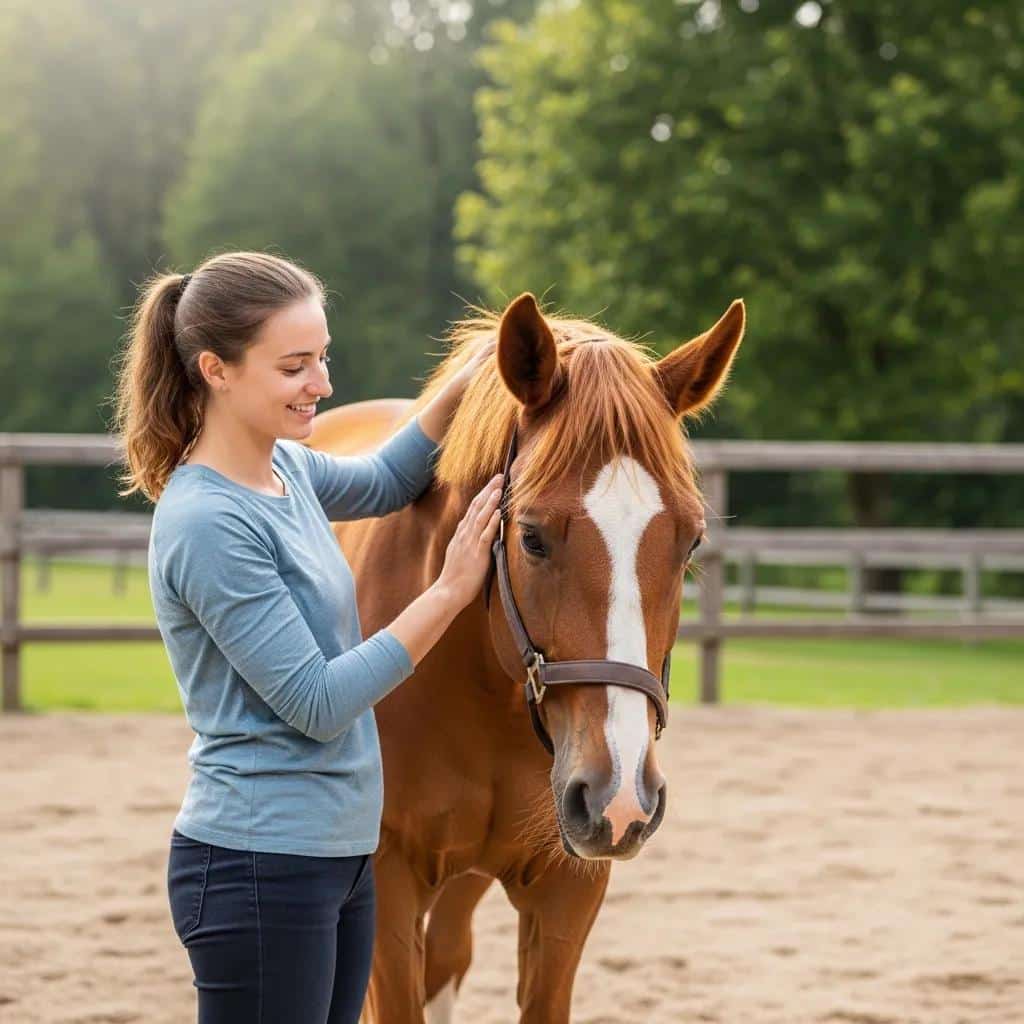
Horses naturally respond to human emotion, providing immediate feedback that helps you recognise and manage feelings. That real-time response boosts self-awareness, can lower anxiety and supports mood regulation—making equine therapy a strong tool for emotional dysregulation.
How Does Animal Assisted Therapy Complement Traditional Trauma Treatments?
Animal-assisted approaches create a low-threat environment that strengthens the therapeutic alliance. They integrate well with CBT and other modalities to offer a more holistic recovery path. Animals can help break down barriers and make it easier for clients to engage in therapy.
Why Are Women-Specific Trauma Treatment Programs Important in Equine Therapy?
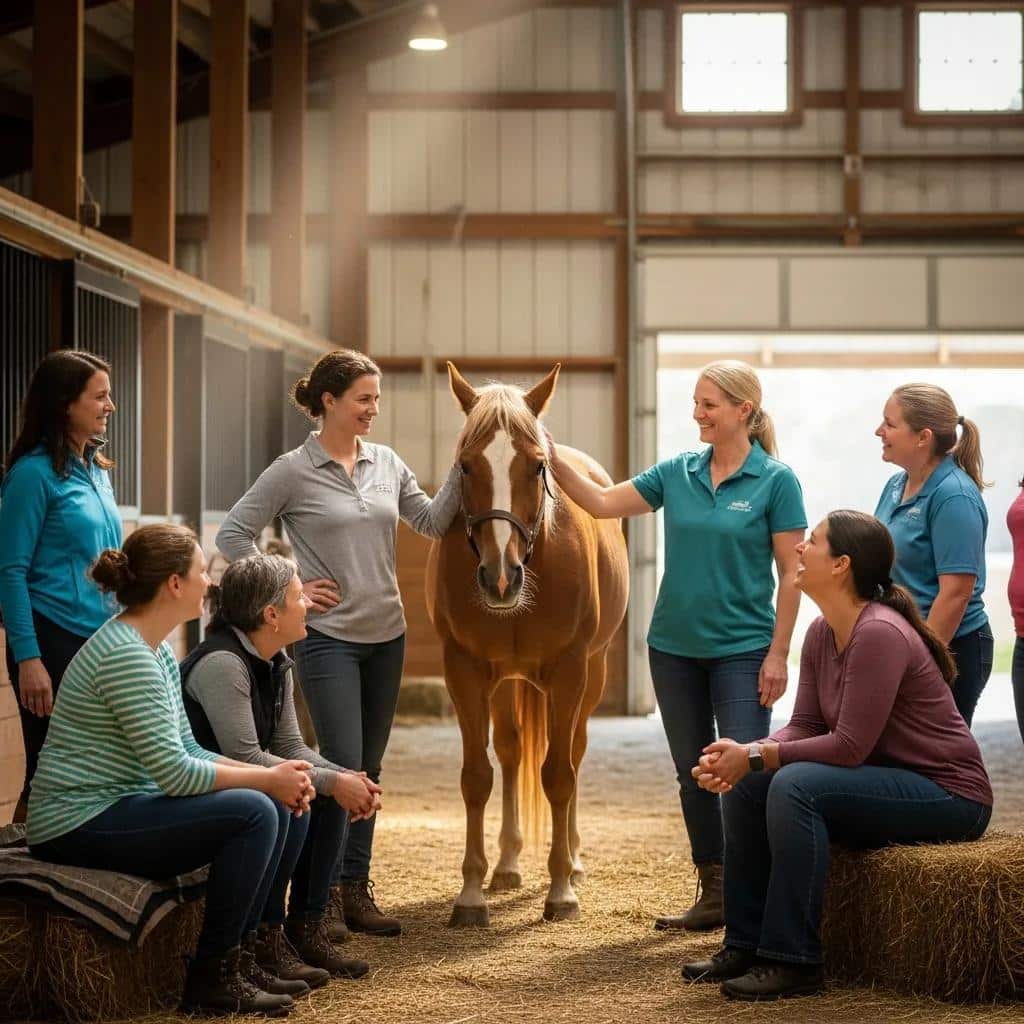
Women-specific programs matter because women often face distinct trauma types and recovery needs. These programs provide a supportive, non-judgmental space where women can share experiences and address issues like relationship dynamics and social pressures. Gender-sensitive care makes treatment more relevant and effective.
Research highlights the need for trauma-informed, gender-specific programs to better support women in recovery.
“Trauma-Informed Care & Gender-Specific Programs”
>
“The findings in this review highlight the need for trauma-informed care and gender-specific programs are useful but lack in implementation and”
>
“Gender-specific programming and trauma-informed approaches, D Derlic, 2021”
How Does a Gender-Specific Environment Enhance Healing?
A gender-specific setting encourages open communication and reduces isolation. That community and trust empower women to explore trauma more freely and support one another’s recovery.
What Are the Unique Needs of Women in Trauma Recovery?
Women often experience trauma differently and benefit from tailored supports. Connection and shared experience are key—peer support and community can significantly improve treatment outcomes.
How Is Equine Therapy Integrated with Co-Occurring Disorders and Substance Abuse Treatment?
Equine therapy integrates with co-occurring disorders and substance abuse care by addressing underlying emotional issues and building regulation skills. Its holistic focus can improve overall outcomes, and collaboration with other providers ensures a comprehensive care plan.
What Role Does Equine Therapy Play in Holistic Trauma-Informed Care?
Equine therapy treats the whole person—emotional, physical and spiritual—rather than only targeting symptoms. When included in a wider trauma-informed plan, it helps create a more balanced approach to recovery.
How Does Equine Therapy Address Substance Abuse Challenges?
Equine therapy can reduce cravings and lower exposure to triggers by strengthening coping strategies and emotional regulation. The trust developed with horses supports recovery and complements other addiction treatments.
What Should Patients Expect During an Equine Therapy Program at Sun County Wellness?
Patients at “Sun Country Wellness” can expect a structured, safety-focused programme with clear therapeutic goals. Staff prioritise patient engagement and feedback. Activities like grooming, leading and interacting with horses are designed to promote emotional healing and personal growth.
What Is the Admission Process for Women Seeking Trauma Treatment?
The admission process for women at Sun Country Wellness begins with assessments and consultations to match care to each person’s needs. The steps aim to make patients feel supported from first contact; direct enquiries are encouraged.
How Are Therapy Sessions Structured to Maximize Healing?
Sessions are personalised to individual needs and use techniques that build trust with horses, encourage emotional expression and support growth. This tailored approach helps participants engage meaningfully in their healing.
Frequently Asked Questions
What qualifications do equine therapy practitioners have?
Practitioners typically hold qualifications in mental health, social work or psychology plus specialised training in equine-assisted therapy. Many are certified by professional organisations and have experience with horse behaviour. That combination of clinical and equine skills helps ensure safe, effective sessions.
Can equine therapy be beneficial for children and adolescents?
Yes. Equine therapy can help children and adolescents with trauma, anxiety or behavioural issues. Its non-verbal nature lets younger people express emotions they can’t easily put into words. Programs often use play and experiential learning to build trust, self-esteem and emotional regulation.
How long does an equine therapy program typically last?
Program length varies by individual need and goals—ranging from a few weeks to several months. Sessions are often weekly and usually last 60 to 90 minutes. Ongoing assessment and feedback guide the appropriate duration.
What types of trauma can equine therapy help address?
Equine therapy can address emotional, physical and psychological trauma, including abuse, neglect, loss or major life changes. The horses create a safe, non-threatening space to explore feelings. This approach can also benefit people with PTSD, anxiety disorders and depression.
Are there any risks associated with equine therapy?
There are some risks, mainly related to working with horses. Physical injuries can occur if safety protocols aren’t followed. Sessions should take place in controlled settings with trained professionals. People with severe horse allergies or strong animal fears may need alternatives. Open communication with the therapist helps reduce risk.
How can family members support a loved one in equine therapy?
Family members can support recovery by staying involved, encouraging open communication and attending family sessions when available. Emotional patience and practical support strengthen the healing process. Supporting related activities outside sessions can reinforce skills learned in therapy.