

Clinically Reviewed By Brittany Astrom - LMFT
Brittany has 15 years of experience in the Mental Health and Substance Abuse field. Brittany has been licensed for almost 8 years and has worked in various settings throughout her career, including inpatient psychiatric treatment, outpatient, residential treatment center, PHP and IOP settings.
How Long to Rewire Brain from Addiction: A Comprehensive Guide
Rewiring the brain from addiction is a complex yet achievable process. Addiction significantly impacts the brain, especially the brain’s reward system, leading to dependency and changes in neural pathways. Understanding the rewiring process is crucial for achieving successful recovery and sustaining long-term health.
This guide explores how addiction alters the brain, the time it takes for recovery, and strategies to support brain healing during addiction recovery.
What Happens to the Brain During Addiction?
The Brain’s Reward System and Addiction
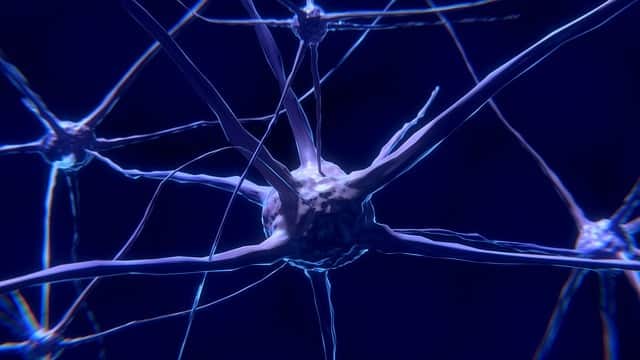
The brain’s reward system is designed to reinforce behaviors necessary for survival, like eating and social interaction. However, addictive substances hijack this system, releasing excessive neurotransmitter dopamine, which creates feelings of pleasure. Over time, the brain adapts by reducing dopamine receptors, making natural rewards less satisfying.
Impact on Neural Pathways
Addiction rewires neural pathways, prioritizing substance use over other activities. These pathways become deeply ingrained, making behavioral change difficult without intervention.
Brain Chemistry Changes
Prolonged substance misuse affects brain chemicals, altering mood, decision-making, and emotional regulation. These changes contribute to physical dependence and withdrawal symptoms during the recovery process.
How Long Does It Take to Rewire the Brain from Addiction?
Factors Involved in Recovery Time
The time required to rewire the brain depends on factors such as:
- Severity of addiction: Severe addiction may take longer due to extensive brain damage.
- Type of substance: Different addictive substances affect the brain uniquely.
- Duration of substance abuse: Prolonged use causes more significant changes to brain structure.
General Timeline for Brain Rewiring
- Acute phase (0–3 months): The brain begins to adjust during detoxification, reducing physical withdrawal symptoms.
- Early recovery (3–12 months): Neural connections start forming, and brain chemistry stabilizes.
- Long-term recovery (1 year+): The rewiring process continues, promoting healthier cognitive function and emotional regulation.
Understanding the Brain Rewiring Process
The Role of Brain Plasticity
Brain plasticity, or the brain’s ability to adapt and form new neural pathways, is central to recovery. Through behavioral therapies and lifestyle changes, the brain can rewire and regain its function.
New Neural Connections in Recovery
Replacing addictive behaviors with healthy habits encourages the formation of new neural connections. Activities like physical exercise and cognitive behavioral therapy (CBT) are especially effective.
Strategies to Support Brain Rewiring
1. Engage in Behavioral Therapies
- Cognitive Behavioral Therapy (CBT): Helps identify and change thought patterns contributing to substance misuse.
- Support Groups: Provide emotional support and shared experiences, essential for recovery.
2. Adopt Healthy Lifestyle Changes
- Physical Exercise: Improves brain health and reduces stress.
- Healthy Diet: Supports brain healing by providing essential nutrients.
- Adequate Sleep: Enhances cognitive function and emotional regulation.
3. Manage Stress Effectively
Stress management techniques, such as mindfulness and meditation, reduce triggers for substance misuse and aid in the recovery journey.
How Addiction Treatment Helps Rewire the Brain
Role of Addiction Treatment Centers
Addiction treatment centers provide structured programs combining therapies, medical support, and lifestyle guidance to accelerate the rewiring process.
Use of Advanced Imaging in Treatment
- Functional Magnetic Resonance Imaging (fMRI): Tracks changes in brain activity during treatment.
- Positron Emission Tomography (PET): Measures brain function improvements over time.
- Diffusion Tensor Imaging (DTI): Analyzes neural pathways and structural recovery.
The Importance of Ongoing Support
Recovery is a lifelong process requiring continuous support. Ongoing support systems, such as counseling and support groups, help maintain new neural pathways and prevent relapse.
Conclusion
Rewiring the brain from addiction is a gradual process that requires patience, dedication, and professional support. While the timeline varies, adopting effective strategies such as behavioral therapies, healthy lifestyle changes, and ongoing support can accelerate recovery. With persistence, individuals can rewire their brain and achieve successful recovery.
For personalized addiction recovery programs, visit Sun County Wellness.

Seeking Treatment? We Can Help
At Sun County Wellness, as an in-network provider we work with most insurance plans, such as:
If you or a loved one are struggling with mental health challenges or substance abuse, reach out to Sun County Wellness today. Our team of compassionate professionals is here to support your journey towards lasting well-being. Give us a call at 949-993-1149
Visit SAMHSA for more information.