Understanding Mood Disorders in Women: Overcoming Stigma and Treating Co-Occurring Challenges
Mood disorders can disrupt work, relationships and everyday wellbeing. This article explains the mood disorders that commonly affect women, how stigma and co-occurring conditions shape care, and practical treatment and support options available in Orange County.
What Are Mood Disorders and Their Impact on Women?
Mood disorders cause lasting changes in mood that interfere with daily functioning. They include conditions such as depression, bipolar disorder and some anxiety disorders. Biological, psychological and social factors all shape how mood disorders present in women.
Which Mood Disorders Commonly Affect Women?
Women are more likely to experience several mood disorders, including:
- Depression: About 1 in 8 women in the U.S. will experience depression, often related to hormonal changes, major life events or chronic stress.
- Bipolar Disorder: Characterized by episodes of mania and depression, bipolar disorder affects a smaller but meaningful portion of adults, including many women.
- Anxiety Disorders: Conditions such as generalized anxiety, panic disorder and social anxiety are common in women and frequently occur alongside mood disorders.
Knowing these conditions helps women and their loved ones recognize when to seek a professional assessment and begin care.
How Do Mood Disorders Influence Daily Life and Well-Being?
Mood disorders can affect many aspects of life, including:
- Relationships: Mood changes and emotional reactivity can strain connections and increase feelings of isolation.
- Work and Social Life: Low energy, concentration difficulties and withdrawal can reduce job performance and social engagement.
- Mental Health Consequences: Without treatment, symptoms can worsen over time and raise the risk of substance use and additional complications.
Early access to treatment and consistent support reduce long-term harms and help restore everyday functioning.
How Does Mental Health Stigma Affect Women with Mood Disorders?

Stigma—negative beliefs and attitudes about mental illness—often discourages women from seeking help or talking openly about their symptoms.
What Are the Effects of Stigma on Treatment Seeking Behavior?
Common barriers include:
- Fear of Judgment: Worrying about how friends, family or coworkers will respond can delay reaching out for care.
- Internalized Shame: Self-directed stigma erodes confidence and makes it harder to ask for help.
- Consequences of Untreated Disorders: Avoiding treatment because of stigma can allow symptoms to worsen and complicate recovery.
Recognizing these obstacles is a key step toward improving women’s access to timely, effective services.
Research indicates women often see public stigma as greater than personal stigma, and this perception lowers the likelihood they will seek help.
“Mental Health Stigma in Women: Public vs. Personal Perception”
>
“Most participants rejected items measuring personal stigma, but perceived public stigma was significantly higher — an effect especially evident for women and those with mental health problems.”
>
“Comparing perceived public stigma and personal stigma of mental health treatment seeking in a young adult sample, ER Pedersen, 2014”
Which Strategies Help Reduce Mental Health Stigma in Women?
Effective approaches include:
- Awareness Campaigns: Public education that corrects myths and normalizes help-seeking.
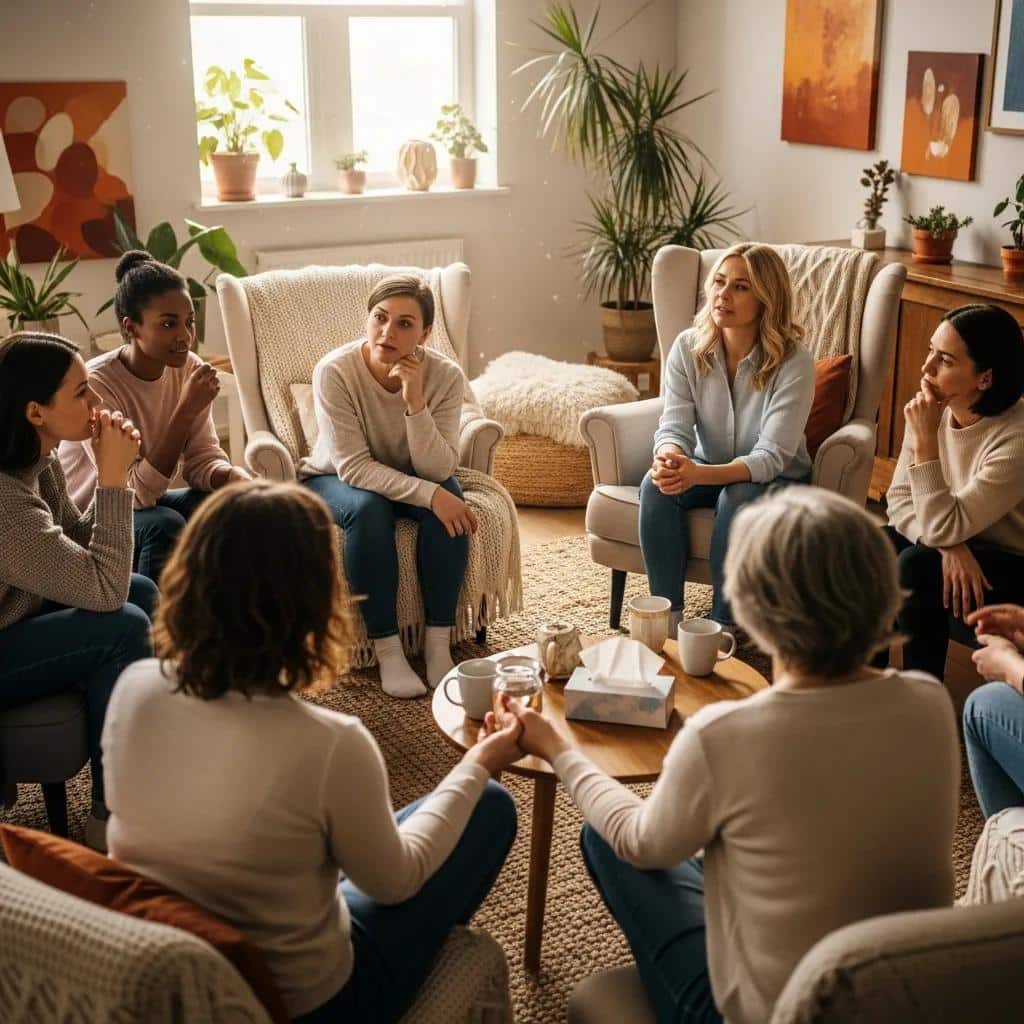
- Support Groups: Peer-led connections reduce isolation and show recovery is possible.
- Education and Advocacy: Clear information and advocacy give women the tools to request appropriate care.
Putting these strategies into practice helps build safer, more supportive communities.
What Are Effective Women-Specific Treatments for Mood Disorders?
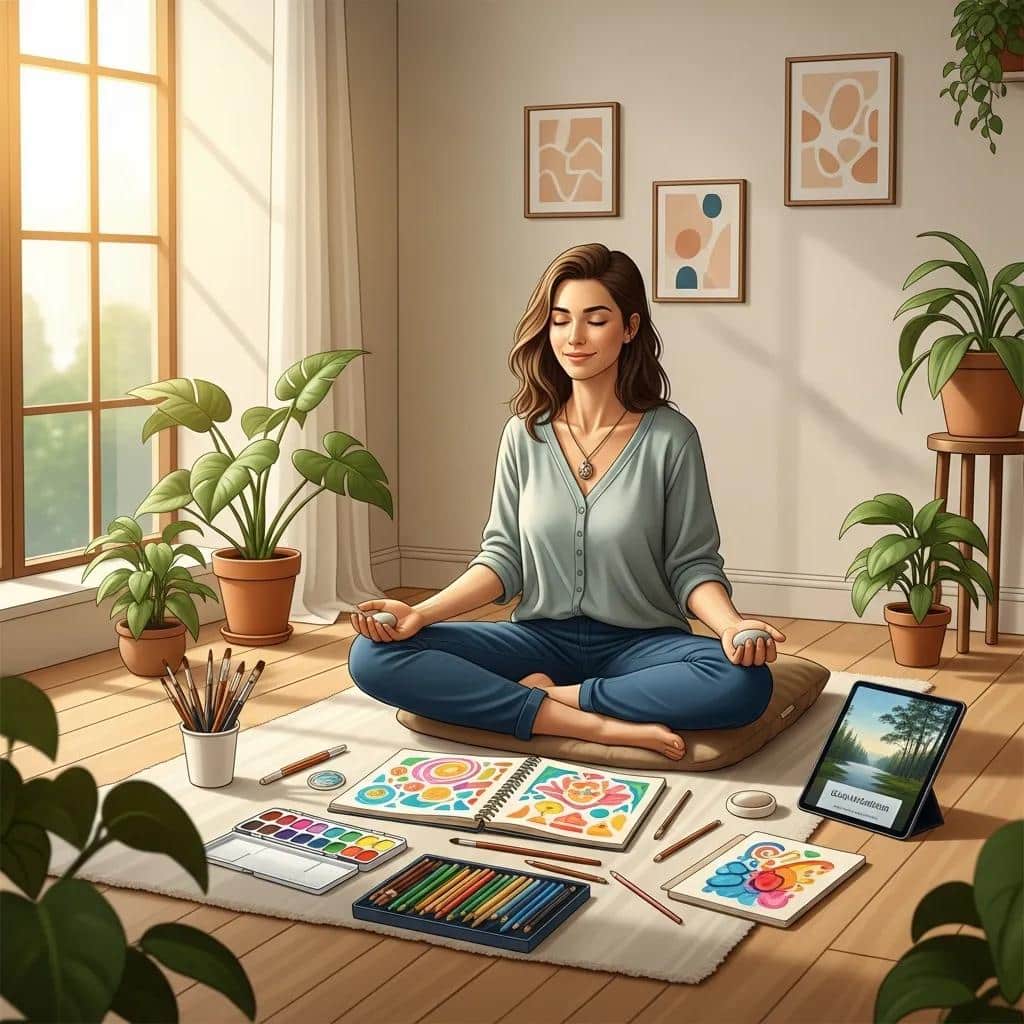
Women-specific programs address gendered needs and often combine trauma‑informed care with services for co-occurring mental health and substance use conditions.
How Does Trauma-Informed Care Improve Mood Disorder Outcomes?
Trauma‑informed care acknowledges how common trauma is and adapts treatment to prioritize safety and trust. Benefits can include:
- Improved Recovery Rates: Treating trauma alongside mood symptoms supports more lasting improvement.
- Personalized Therapy: Tailoring care to a woman’s history increases engagement and effectiveness.
- Holistic Support: Coordinating physical, emotional and social services promotes whole-person recovery.
Research underscores the important role trauma‑informed approaches play in addressing women’s mood and psychiatric comorbidities.
“Trauma-Informed Care for Women’s Mood & Psychiatric Comorbidities”
>
“Women who have experienced trauma are at higher risk for borderline personality disorder and other psychiatric comorbidities. Postpartum PTSD is particularly relevant to obstetric care. Trauma-informed care aims to enhance physical and emotional safety for patients and clinicians.”
>
“Trauma-informed care for obstetric and gynecologic settings, 2022”
What Therapies Address Co-Occurring Disorders and Substance Abuse?
Integrated treatment that addresses mood symptoms and substance use together is most effective. Common, evidence-based therapies include:
- Cognitive Behavioral Therapy (CBT): Focuses on reshaping unhelpful thoughts and behaviors.
- Dialectical Behavior Therapy (DBT): Teaches emotional regulation, distress tolerance and interpersonal skills.
- Motivational Interviewing: Strengthens readiness for change and supports treatment engagement.
Coordinated, person-centered care helps women manage multiple challenges at once and improves outcomes.
How Can Women Access Support and Treatment for Mood Disorders in Orange County?
Timely access to the right level of care matters. Orange County has a range of services for women across different needs and stages of recovery.
For comprehensive, women-focused care, Sun County Wellness offers specialized programs tailored to mental health and addiction recovery.
What Is the Admission Process for Women-Specific Programs?
Typical steps include:
- Initial Assessment: A clinician evaluates symptoms, needs and treatment goals.
- Eligibility Criteria: Admission is based on clinical history, current needs and program fit.
- What to Expect: A structured, supportive program that emphasizes safety, skill-building and recovery.
To explore program options, visit Sun County Wellness.
Where Can Women Find Support Resources and Patient Stories?
Helpful sources include:
- Local Support Groups: Peer-led meetings where women share experience and mutual encouragement.
- Online Resources: Trusted informational sites, moderated forums and survivor stories.
- Community Centers: Local workshops and events that strengthen support networks.
For additional services, Sun County Wellness provides mental health programs to support women in recovery.
Strong social support and easy access to resources are especially important for women at risk for postpartum mood disorders.
“Postpartum Mood Disorders: Support, Resources, and Treatment for Women”
>
“A lack of social support and resources can lead to worse outcomes for women at risk of postpartum mood disorders. Clinicians should screen for postpartum mood disorders, offer support and validation, and refer to appropriate mental health services.”
>
“Postpartum mood disorders: insights into diagnosis, prevention, and treatment, 2023”
Frequently Asked Questions
What are the signs and symptoms of mood disorders in women?
Common signs include persistent sadness or irritability, low energy, changes in sleep or appetite, and trouble concentrating. Some women experience headaches or digestive symptoms. Bipolar disorder involves alternating manic and depressive episodes. Early recognition helps get people into treatment sooner.
How can family and friends support women with mood disorders?
Listen without judgment, validate feelings, and gently encourage professional help. Offering to accompany someone to an appointment or support group can reduce isolation. Patience and practical help—like assisting with childcare or errands—make a real difference.
What lifestyle changes can help manage mood disorders?
Regular physical activity, balanced nutrition, consistent sleep and stress-reduction practices (such as mindfulness) support mood stability. These strategies work best alongside professional treatment, not as a replacement.
Are there specific therapies that work better for women with mood disorders?
CBT and DBT are effective for many women. When trauma is present, trauma‑informed care is essential. Personalizing therapy to a woman’s history and life circumstances improves outcomes.
What role does medication play in treating mood disorders?
Medication—like antidepressants, mood stabilizers or anti‑anxiety agents—can be important for moderate to severe symptoms. Medication is often combined with therapy and lifestyle changes under a clinician’s guidance.
How can women find specialized treatment programs for mood disorders?
Ask your healthcare provider for referrals, search trusted online directories, contact local community centers, and review women-specific programs to find the best fit for needs and recovery goals.