Understanding Mood Disorder: Key Symptoms and Effective Treatments for Women in San Juan Capistrano
Mood disorders—such as depression and bipolar disorder—can deeply affect women’s emotional and psychological health. Symptoms appear in different ways and can disrupt daily life and wellbeing. This article explains key symptoms, treatment options, and local resources for women in San Juan Capistrano. You’ll find practical strategies for managing symptoms and locating support. We cover common signs, bipolar treatment approaches, trauma‑informed and holistic therapies, and local services tailored to women.
What Are the Common Symptoms of Depression and Mood Disorders?
Mood disorders can cause both emotional and physical symptoms that range in severity. Spotting these signs early helps you get timely care and better outcomes.
How to Recognize Emotional and Physical Signs of Depression
Emotional signs include persistent sadness, hopelessness, and loss of interest in activities you once enjoyed. Physical signs may show as fatigue, appetite changes, or sleep problems. Noticing these signals early makes it easier to seek appropriate help.
What Are the Differences Between Depression and Anxiety Symptoms?
Depression and anxiety can share symptoms but they differ in focus. Depression centers on sadness and hopelessness. Anxiety centers on excessive worry and fear. Knowing these differences helps guide accurate diagnosis and the right treatment.
How Is Bipolar Disorder Treated with Medication and Therapy?
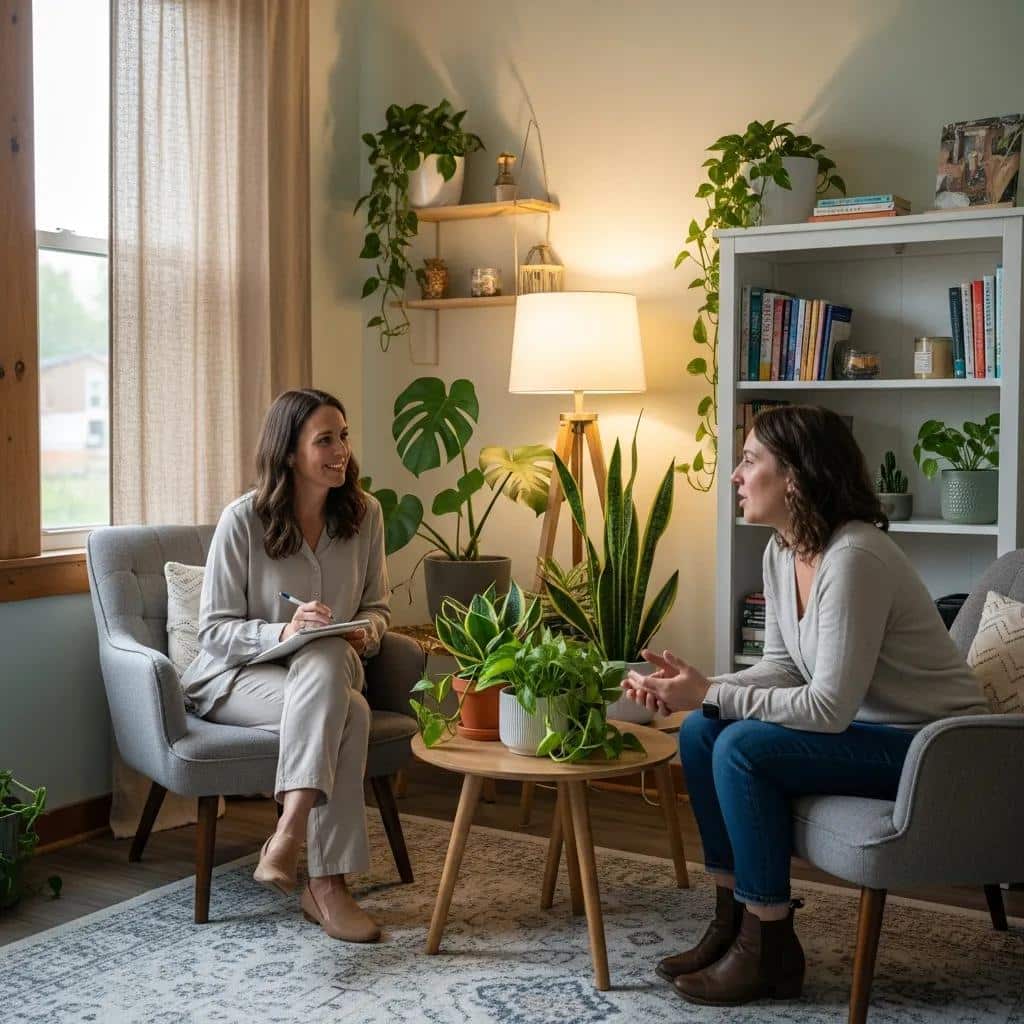
Bipolar disorder benefits from a layered treatment plan. Combining medication and therapy helps stabilize mood and restore everyday functioning.
What Role Do Mood Stabilizers Play in Bipolar Disorder Management?
Mood stabilizers help control mood swings and reduce manic and depressive episodes. Common options include lithium and certain anticonvulsants. These medications can lower the frequency and severity of mood episodes.
How Does Psychotherapy Support Bipolar Disorder Recovery?
Psychotherapy is a core part of recovery. Methods like cognitive-behavioral therapy (CBT) teach coping skills, clarify triggers, and improve emotional regulation. Used with medication, therapy supports long-term stability and wellbeing.
Research highlights that therapies like CBT can improve treatment outcomes for people with bipolar disorder.
“CBT Efficacy for Bipolar Disorder Treatment”
>
“Although cognitive behavioral therapy (CBT) is regarded as a promising adjunct to pharmacotherapy for treating bipolar disorder (BD), its efficacy remains unproven. This review and meta-analysis compared treatment outcomes for patients with BD who received CBT plus medication with outcomes for those who received standard care alone.”
>
“Effectiveness of collaborative, trauma-informed care on depression outcomes in primary care: a cluster randomized control trial in”
> > >
“Chile, A Cancino, 2024”
What Are Trauma-Informed and Holistic Therapies for Mood Disorders?

Alongside standard treatments, trauma‑informed and holistic therapies provide added support. They focus on how trauma affects mood and combine therapeutic methods to promote healing.
How Does Trauma-Informed Care Improve Mood Disorder Outcomes?
Trauma-informed care recognizes the role trauma can play in mood disorders and emphasizes a safe, supportive treatment setting. Addressing underlying trauma can improve symptom response and overall outcomes.
A recent study also found that trauma‑informed care improved depression outcomes, particularly for women.
“Trauma-Informed Care for Depression in Women”
>
“The purpose of this study was to evaluate the effectiveness of collaborative trauma-informed care (CTIC) for treating depression in primary care in Chile. There were 214 patients recruited; 85% were women, and 61% had 4 or more adverse childhood experiences. At 6 months, depressive symptoms declined significantly in the CTIC arm relative to UT (adjusted mean difference = −3.09, 95% CI, −4.94 to −1.23; d = −0.46, 95% CI, −0.75 to −0.17).”
>
“Effectiveness of collaborative, trauma-informed care on depression outcomes in primary care: a cluster randomized control trial in”
> > >
“Chile, A Cancino, 2024”
Which Holistic Therapies Complement Traditional Mood Disorder Treatments?
Holistic options like mindfulness, yoga, and nutritional counseling can complement standard treatments. These approaches attend to physical, emotional and spiritual needs, which may enhance overall recovery.
Where Can Women Find Local Support Resources for Mood Disorders in San Juan Capistrano?
Women in San Juan Capistrano can access local resources that offer support, practical help, and community connection.
What Community Services Support Women with Mood Disorders?
Local services include support groups, counseling centers, and mental health clinics that specialize in women’s needs. These spaces let women share experiences and receive guidance from professionals trained in mood disorder care.
How Can Lifestyle and Environment Influence Mood Disorder Recovery?
Lifestyle—diet, exercise, and social support—strongly influences recovery. A supportive environment and healthy habits can improve treatment response and overall wellbeing.
Sun Country Wellness is a mental health provider serving women aged 18 and older in Orange County, CA, with services in San Juan Capistrano. They offer personalized treatment plans that combine psychotherapy, medication management, and holistic care. Integrating these approaches helps women access comprehensive support tailored to their needs.
Frequently Asked Questions
What are the long-term effects of untreated mood disorders?
Untreated mood disorders can cause ongoing emotional distress, damaged relationships, and a lower quality of life. They can affect work, social roles, and everyday functioning. Untreated conditions also raise the risk of other mental health issues, such as substance misuse or anxiety, and can harm physical health through neglect of self-care.
How can family and friends support someone with a mood disorder?
Family and friends can help by staying patient, listening without judgment, and encouraging openness. Offer practical support—help with daily tasks or accompany them to appointments—and learn about mood disorders so you can recognize worsening signs and act early.
What lifestyle changes can help manage mood disorders?
Positive lifestyle changes support management. Regular physical activity, a balanced diet, and adequate sleep matter. Mindfulness practices like meditation or yoga can reduce stress and improve mood. Strong social ties and social activities build connection. Combined with professional treatment, these changes lead to better outcomes.
Are there specific therapies for women with mood disorders?
Yes. Gender‑sensitive therapies consider women’s unique experiences—hormonal changes, trauma, and societal pressures. Options include women‑only groups, trauma‑informed care, and holistic practices that emphasize self‑care and mindfulness. These approaches aim to empower women and address specific emotional needs.
What should I do if I suspect someone is experiencing a mood disorder?
If you suspect someone has a mood disorder, approach them with care and empathy. Tell them you’re concerned, listen, and encourage them to seek professional help. Offer to help find resources or accompany them to appointments. Respect their feelings and choices throughout the process.
How can I find a therapist specializing in mood disorders?
Start with online directories like Psychology Today or TherapyDen and filter by specialty. Local mental health clinics and community health organizations often list therapists with relevant expertise. Asking healthcare providers or support groups for recommendations can also help you find qualified professionals.