
Somatic Healing for Trauma: Why Sun County Uses EMDR Therapy and Trauma-Informed Yoga
Somatic healing links mind and body to treat trauma and support recovery. This article explains core somatic methods—especially Eye Movement Desensitization and Reprocessing (EMDR) and trauma‑informed yoga—and why Sun County Wellness in Orange County, CA prioritizes them. Trauma can leave lasting effects like PTSD, anxiety, and emotional dysregulation; mind‑body approaches offer practical strategies to address these issues and are integrated into Sun County’s tailored programs.
What Is Somatic Healing and How Does It Support Trauma Recovery?
Somatic healing works with the mind‑body connection, based on the idea that trauma can be held in the body. Addressing physical sensations, breath, movement, and mindfulness helps release stored stress and rebuild bodily awareness. These practices strengthen emotional regulation and resilience and support safer processing of difficult memories.
How Does Somatic Therapy Address PTSD Symptoms?
Somatic therapy helps process trauma that appears as bodily sensations—tension, numbness, or shutdown. Grounding exercises, body scans, and movement allow you to notice and work through those sensations in a contained setting, often reducing symptom intensity and supporting longer-term recovery.
What Are the Benefits of Mind-Body Trauma Healing?
Using mind‑body methods in trauma care delivers several benefits, including:
- 1Improved Emotional Regulation: Mind‑body techniques enhance the ability to manage emotions, increasing stability and resilience.
- 2Enhanced Self-Awareness: Individuals gain clearer awareness of emotional and physical states, which supports growth and coping.
- 3Reduction in Trauma Symptoms: Engaging with the body can alleviate symptoms of PTSD, anxiety, and depression, improving overall wellbeing.
For those seeking effective trauma recovery, Sun County Wellness integrates these approaches into its programs to offer a holistic path to healing.
Why Does Sun County Wellness Use EMDR Therapy for Trauma?
Sun County Wellness uses EMDR as a core element because it is evidence‑based and effective for many people with PTSD. EMDR guides bilateral stimulation to help reprocess distressing memories and reduce their emotional charge. When combined with complementary therapies at Sun County, it addresses psychological and physical aspects of trauma and supports meaningful change for clients.
How Does EMDR Therapy Work to Treat Trauma?
EMDR uses bilateral stimulation—commonly guided eye movements—while you recall distressing events. This supports the brain’s adaptive information processing so memories can be integrated with less emotional intensity. Many clients report symptom reduction and improved wellbeing after EMDR work.
What Are the Success Rates and Benefits of EMDR Therapy?
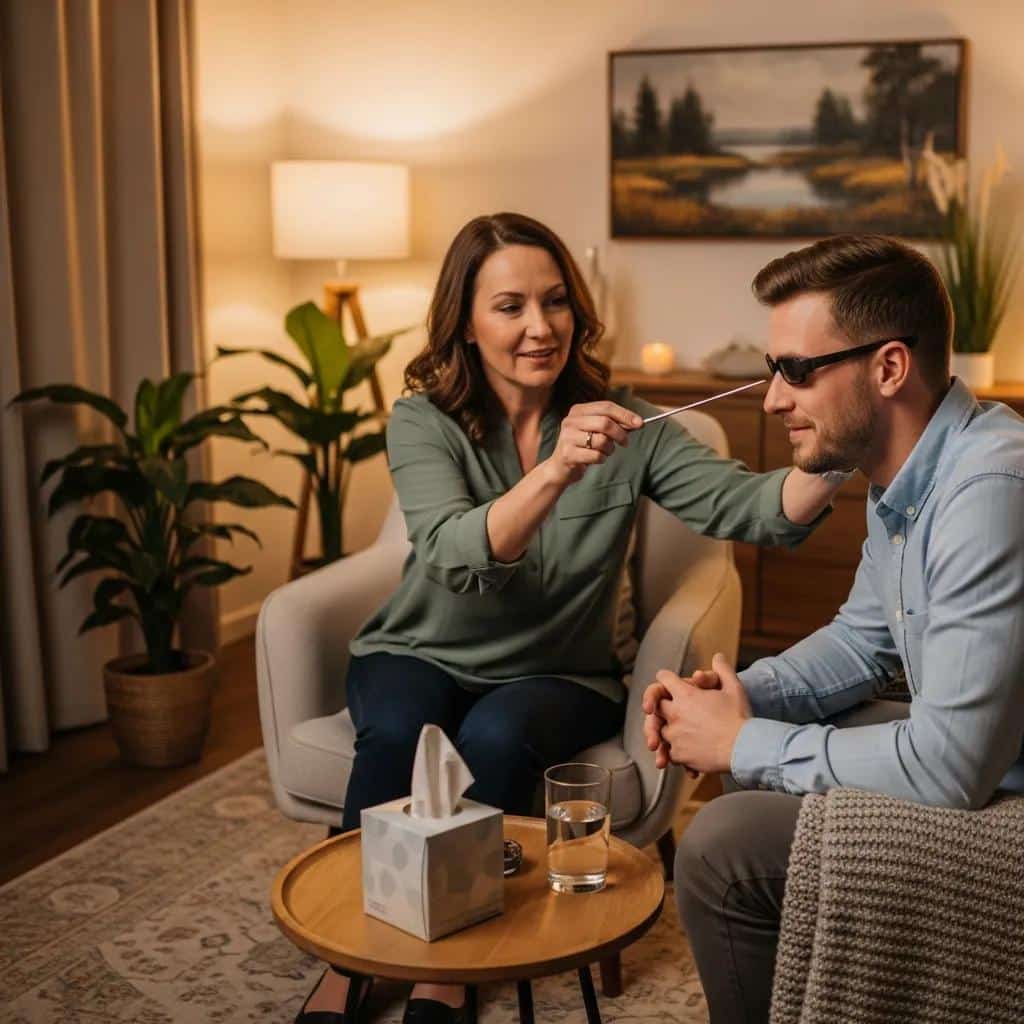
Studies report that roughly 70–90% of people see significant PTSD symptom reductions after EMDR. The benefits include:
- 1Rapid Symptom Relief: Many clients notice improvements within a few sessions, making EMDR time‑efficient for trauma recovery.
- 2Long-Lasting Effects: Research indicates benefits can persist long after treatment ends.
- 3Holistic Healing: EMDR integrates emotional and bodily elements of trauma to promote comprehensive recovery.
Together, these strengths make EMDR a leading option for trauma treatment.
How Does Trauma-Informed Yoga Aid in Trauma Recovery?
Trauma‑informed yoga is tailored for people recovering from trauma and emphasizes safety, empowerment, and choice. Practices that focus on breath, gentle movement, and mindfulness help rebuild body connection and a sense of control. This can reduce anxiety and depression and complements other therapeutic work. Sun County Wellness includes trauma‑informed yoga as part of integrated recovery programs.
What Are the Benefits of Trauma-Informed Yoga for Emotional Regulation?
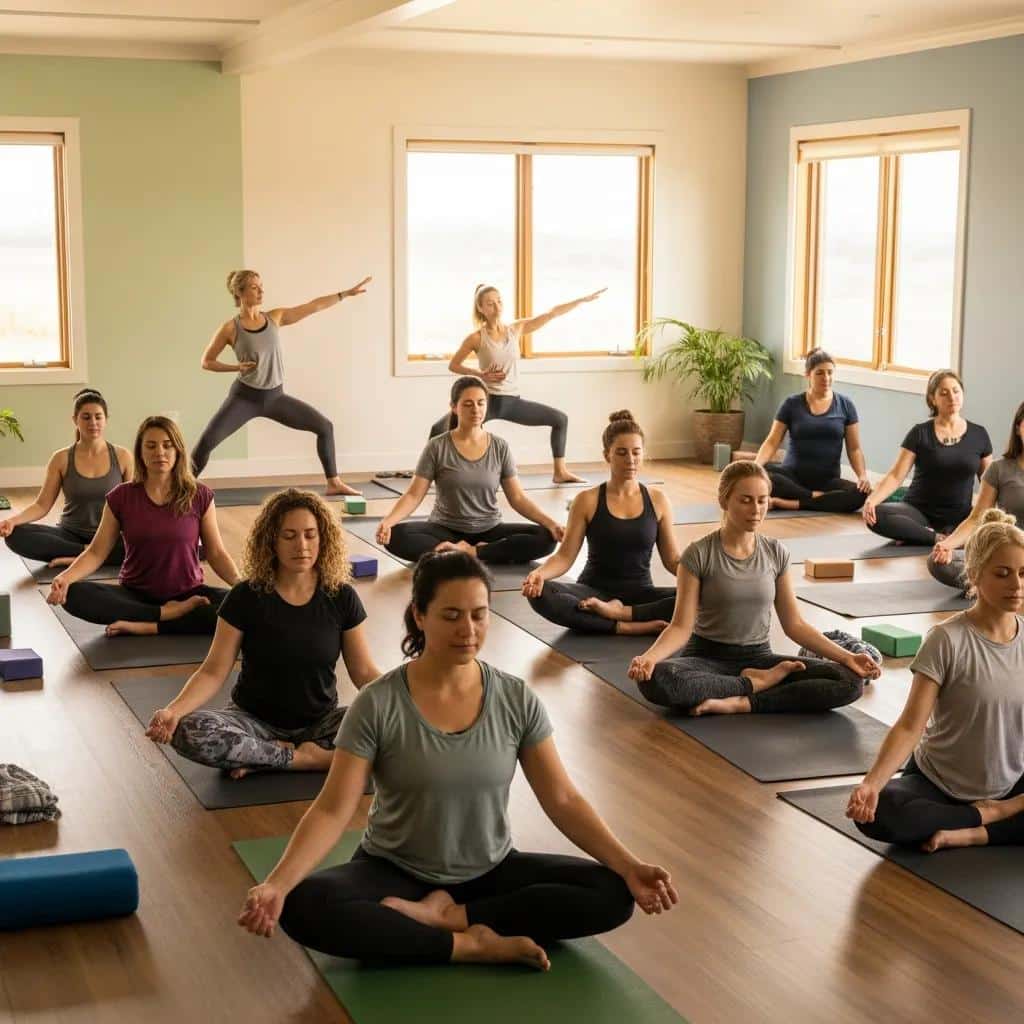
Trauma‑informed yoga supports emotional regulation in several practical ways:
- 1Increased Mindfulness: Participants learn to observe thoughts and sensations without judgment, improving awareness.
- 2Stress Reduction: The practice promotes relaxation and reduces physiological stress responses.
- 3Empowerment: Emphasizing choice and agency in movement and breath fosters a stronger sense of control over the body and emotions.
For these reasons, trauma‑informed yoga is a core component of holistic recovery plans.
Can Yoga Help with PTSD and Somatic Healing?
Research shows yoga can aid PTSD and somatic healing by strengthening mindfulness and body awareness. Regular practice can reduce symptoms like anxiety and hyperarousal and improve relaxation and emotional regulation. By adding yoga to their programs, Sun County Wellness offers clients a practical, body‑centered tool for healing.
Ongoing studies continue to support trauma‑informed yoga as a promising somatic therapy for trauma recovery.
“Trauma-Informed Yoga: A Promising Somatic Therapy”
>
“Trauma‑informed yoga is one of the body‑based therapies that shows promise for trauma treatment. More replicable protocols and additional randomized controlled studies are needed, but existing research demonstrates clear benefits and contributions to trauma therapy.”
>
“Overview of Trauma informed Yoga: Past, present, and future, S Shapiro, 2025”
What Women-Specific Trauma Recovery Programs Does Sun County Offer?
Sun County Wellness runs women‑specific trauma programs tailored to women’s needs. These programs include:
- 1EMDR Therapy: Focused sessions that utilize EMDR techniques to process trauma effectively.
- 2Trauma-Informed Yoga: Classes designed to create a safe space for women to reconnect with their bodies and emotions.
- 3Support Groups: Facilitated discussions that foster community and shared recovery experiences.
These services aim to empower women with tools and peer support for sustained recovery.
How Are Programs Tailored to Women’s Unique Trauma Needs?
Programs use gender‑sensitive methods that recognise challenges many women face, including social pressures and gender‑based violence. Sun County staff adapt techniques and create a validating environment so women feel understood and supported throughout care, which improves engagement and outcomes.
What Is the Admission Process for Women’s Trauma Programs?
The admission process is straightforward and supportive. Reach out to schedule an initial consultation to discuss needs and goals with a trained professional. A personalized treatment plan is developed outlining recommended therapies, and eligibility and the appropriate level of care are reviewed during the consultation.
Frequently Asked Questions
What is the role of mindfulness in somatic healing?
Mindfulness increases awareness of bodily sensations and emotions and teaches nonjudgmental observation. This helps identify and release stored emotions, improving emotional regulation and enhancing somatic techniques.
How long does it typically take to see results from EMDR therapy?
Results vary with individual needs and trauma complexity. Many people notice changes after a few sessions; some achieve significant relief in roughly 6 to 12 sessions. Continued engagement and follow‑through often speed and stabilize recovery.
Can children benefit from somatic healing techniques?
Yes. Somatic methods can be adapted for children with developmentally appropriate practices—play, movement, creative expression, trauma‑informed yoga, and adapted EMDR—so young people can process trauma safely and build resilience.
What qualifications should a somatic therapist have?
A qualified somatic therapist should hold a relevant degree (psychology, counseling, or social work) and have specialized training in somatic methods. Certifications in EMDR or trauma‑informed yoga and clinical experience with trauma are important. Verify credentials, training, and cultural competence when choosing a therapist.
How can I find a trauma-informed yoga class near me?
Search local wellness centers, yoga studios, or community organizations for trauma‑informed classes. Check social media, community boards, or ask mental health professionals for referrals. Confirm the instructor has trauma‑informed training to ensure a safe environment.
Are there any risks associated with somatic healing practices?
Somatic practices are generally safe, but processing trauma can bring up discomfort or emotional distress. Work with a qualified therapist who can support you. If you have severe trauma or specific mental health conditions, consult a healthcare professional before starting and keep open communication about reactions during care.