Key Takeways
- Addiction is a treatable disorder; research has led to effective methods that help individuals stop using drugs and resume productive lives.
- Support for drug addiction can include medical care, medication, behavioral therapies, support groups, and women-only outpatient care.
- Early help for drug and alcohol abuse can reduce opioid overdose risk, legal problems, family conflict, and worsening mental health.
- Risk factors like trauma, depression, anxiety, family substance use, and easy access to drugs increase vulnerability, but treatment can help.
- If you or a loved one is struggling, seeking support today can make all the difference.
Understanding Drug Addiction and Why Support Matters
Drug addiction is not a moral failing. The american psychiatric association describes substance use disorders in the Diagnostic and statistical manual as conditions marked by symptoms such as strong desire to use, unsuccessful attempts to cut down, and continued use despite harmful consequences.
In 2024–2026, common substances include opioids such as fentanyl and oxycodone, benzodiazepines, methamphetamine, cocaine, cannabis, alcohol, and illegal drugs. Drug and alcohol problems often overlap, and many women misuse prescription medication, not only street drugs.
Repeated drug use changes reward, stress, and self-control systems in the brain. This can cause drug cravings, withdrawal symptoms, hiding use, risky driving, neglect of work or children, and continued use despite health or relationship damage.
The symptoms and effects of substance use disorder vary based on the type of substance used, and they can be categorized based on whether the substance is currently in the user’s body or not. Early structured support protects life, family, career, and recovery.

Risk Factors for Drug Addiction in Women
Not every person who uses a drug develops addiction, but certain risk factors raise the chance. Women may progress from first use to addiction faster than men, and hormones linked to menstruation, pregnancy, postpartum life, and menopause may affect cravings and relapse.
Psychological risks include trauma, PTSD, eating disorders, depression, anxiety, and other mental disorders. Social risks include caregiving burnout, financial stress, high-pressure work, community norms around alcohol abuse, and living with someone who misuses substances.
Family patterns matter too. Parents or siblings with substance use disorders, exposure to drug and alcohol use at home, and learned coping patterns can shape behavior. Understanding risk factors is not blame; it guides better therapy and support.
Types of Support for Drug Addiction
Effective support usually blends different types of services instead of relying on willpower alone. Effective addiction treatment must address the needs of the whole person, including medical, mental, social, occupational, family, and legal issues.
A healthcare provider, addiction specialist, or mental health professional can complete a thorough evaluation and explain treatment options. Some women need detox, inpatient care, or medication-assisted treatment; others do well in outpatient treatment programs.
At Sun County Wellness in San Juan Capistrano, women can access PHP, IOP, OP, and Virtual Outpatient care. This lets adults receive structured treatment while managing school, work, family, and life responsibilities.
Peer options include alcoholics anonymous, narcotics anonymous, al anon, and smart recovery. Community nonprofits, telehealth counseling, apps, and local groups can also help women find support groups and stay connected.
Behavioral Therapies and Evidence-Based Treatment
Behavioral therapies are central to modern drug addiction treatment. The national institute on drug abuse notes that treatment for addiction is not a cure but a way of managing the condition, similar to treatment for chronic diseases like heart disease or asthma.
CBT helps women connect thoughts, emotions, and substance use. DBT teaches mindfulness, distress tolerance, emotion regulation, and relationship skills. Motivational Interviewing and motivational enhancement therapy help resolve ambivalence. EMDR and trauma-informed CBT support women with trauma histories.
Behavioral therapies help people in drug addiction treatment modify their attitudes and behaviors related to drug use, enabling them to handle stressful situations and various triggers that might cause relapse. Contingency management can reinforce healthy choices.
Research shows that effective addiction treatment often combines medication with behavioral therapy or counseling, addressing the whole person and specific needs. Behavioral therapy can enhance the effectiveness of medications used in addiction treatment and help individuals remain in treatment longer, which is crucial for recovery.
Support Groups: AA, NA, Al-Anon, and SMART Recovery
Support groups offer connection, accountability, and lived experience. AA uses a 12-step abstinence model often helpful for alcohol and other drug struggles. NA focuses on drug addiction broadly and has in-person and online meetings.
Al-Anon and Nar-Anon help family members affected by a loved one’s drug and alcohol use. SMART Recovery is non-12-step and uses science-based tools to cope with urges, manage thoughts, and build a balanced life.
To find support groups, use official AA, NA, Al-Anon, or SMART Recovery websites, ask a clinician, or request local lists from Sun County Wellness.
Emergency Support: Overdose, Crisis Lines, and Immediate Help
Some moments require emergency action. Signs of opioid overdose include unresponsiveness, slow or stopped breathing, blue lips, choking sounds, or gurgling. Call 911 immediately.
Common complications of substance use disorder include overdose, which can be life-threatening and occurs when a person takes too much of a substance, leading to severe health issues or death. Naloxone can reverse opioid overdose and is available as nasal spray in many pharmacies; the CDC recommends keeping it nearby when opioids are involved.
For crisis guidance, call the SAMHSA National Helpline at 1-800-662-HELP or 988 for suicidal thoughts.
How Loved Ones Can Offer Support Without Enabling
Watching a loved one struggle is emotionally exhausting. Support means safety, honesty, and encouraging treatment; enabling means shielding the person from consequences, such as lying to employers or giving cash.
Useful steps include calm concern, no shaming, encouraging a healthcare provider visit, attending Al-Anon or Nar-Anon, and joining family therapy when appropriate. Set boundaries around drug use at home, childcare, money, and driving.
Loved ones also need sleep, nutrition, counseling, and community. You did not cause, control, or cure the addiction alone.
Women-Only Outpatient Support at Sun County Wellness
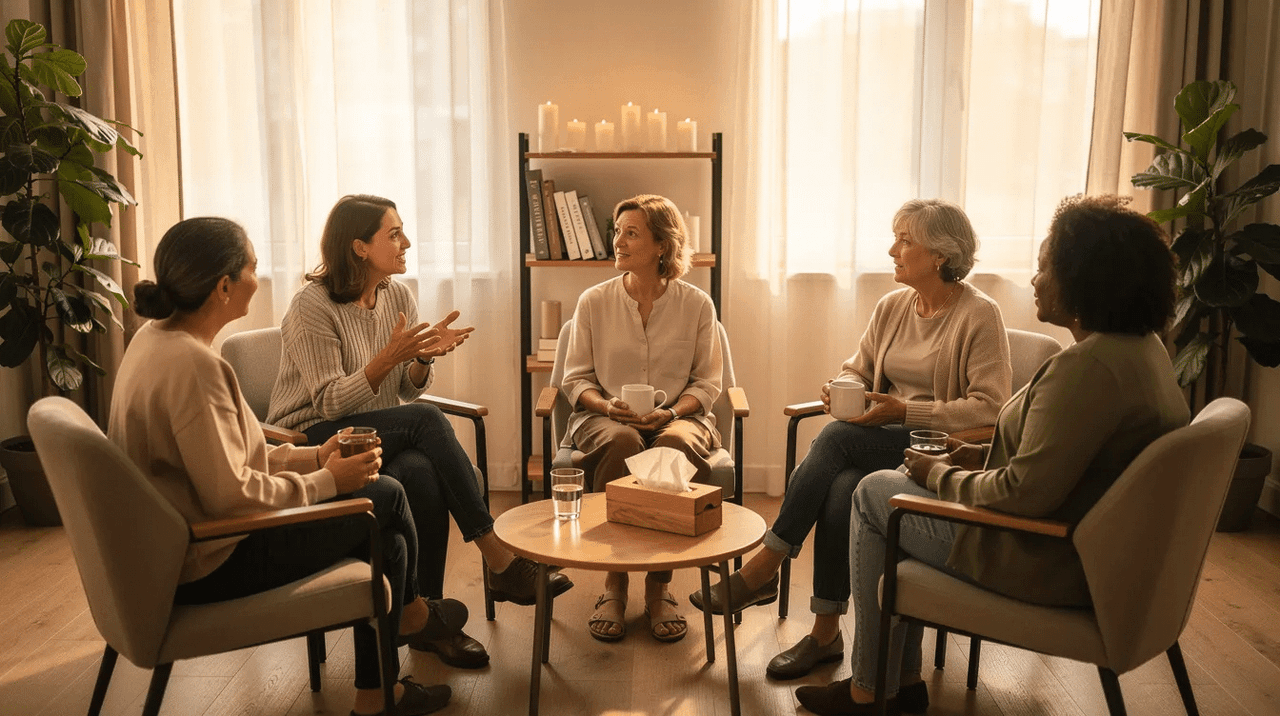
Sun County Wellness is a women-only outpatient mental health and addiction treatment center in San Juan Capistrano, California. The program emphasizes privacy, safety, trauma-informed care, and gender-specific recovery.
Care levels include PHP for full-day structure, IOP for several days weekly, OP for continued support, and Virtual Outpatient services for remote access. Dual diagnosis care treats mental health problems and substance use disorders together, including depression, anxiety, PTSD, bipolar disorder, and substance concerns.
Services include CBT, DBT, trauma-focused therapy, group therapy, family education, mindfulness, yoga, nutrition, stress reduction, aftercare, insurance verification, and coordination with outside providers.

How to Get Help Today
Start with one step: call, email, or tell someone the truth. Before a first appointment, write down substances used, frequency, amount, withdrawal history, overdose history, medications, prior treatment, and major stresses.
Medication may be part of care. Medications for opioid addiction can include buprenorphine, methadone, naltrexone, and a combination of buprenorphine and naloxone, which help reduce cravings and prevent relapse. Research indicates that medication should be the first line of treatment for opioid addiction, often combined with behavioral therapy or counseling. Different types of medications may be useful at various stages of addiction treatment to help patients stop abusing drugs, stay in treatment, and avoid relapse.
Ongoing treatment and support are crucial for preventing relapse after initial recovery from addiction, as they help individuals maintain progress and address challenges. Follow-up care after initial treatment can include periodic appointments with a counselor, participation in self-help programs, or attending regular group sessions. Relapse is often part of the recovery process, and it indicates that an individual may need to modify their treatment plan or seek additional support.
If you are in Southern California, contact Sun County Wellness for a confidential assessment and insurance verification.
Frequently Asked Questions
How do I know if I need professional help instead of just cutting back on my own?
Seek treatment if you cannot cut back, experience withdrawal, use to function, or drug abuse has caused accidents, legal issues, or relationship harm. An assessment can clarify next steps.
Can I attend treatment if I am still using drugs or alcohol right now?
Yes. Many programs expect honesty, not perfection. Do not abruptly stop taking alcohol, benzodiazepines, or opioids without medical guidance because withdrawal can be dangerous.
What if I can’t take time away from my children or job?
Outpatient, IOP, and virtual care can often fit around parenting, school, and work. Discuss childcare, transportation, and scheduling barriers during intake.
Is treatment confidential, and will it affect my job or custody?
Mental health and addiction records are protected by privacy laws, including HIPAA and often 42 CFR Part 2. For custody or employment concerns, ask the program and consult an attorney.
Does Sun County Wellness accept insurance?
Sun County Wellness works with many major plans and offers insurance verification for PHP, IOP, OP, and virtual care before treatment begins.