The Power of the Sisterhood: How Peer Support Groups for Women Unlock Recovery Success
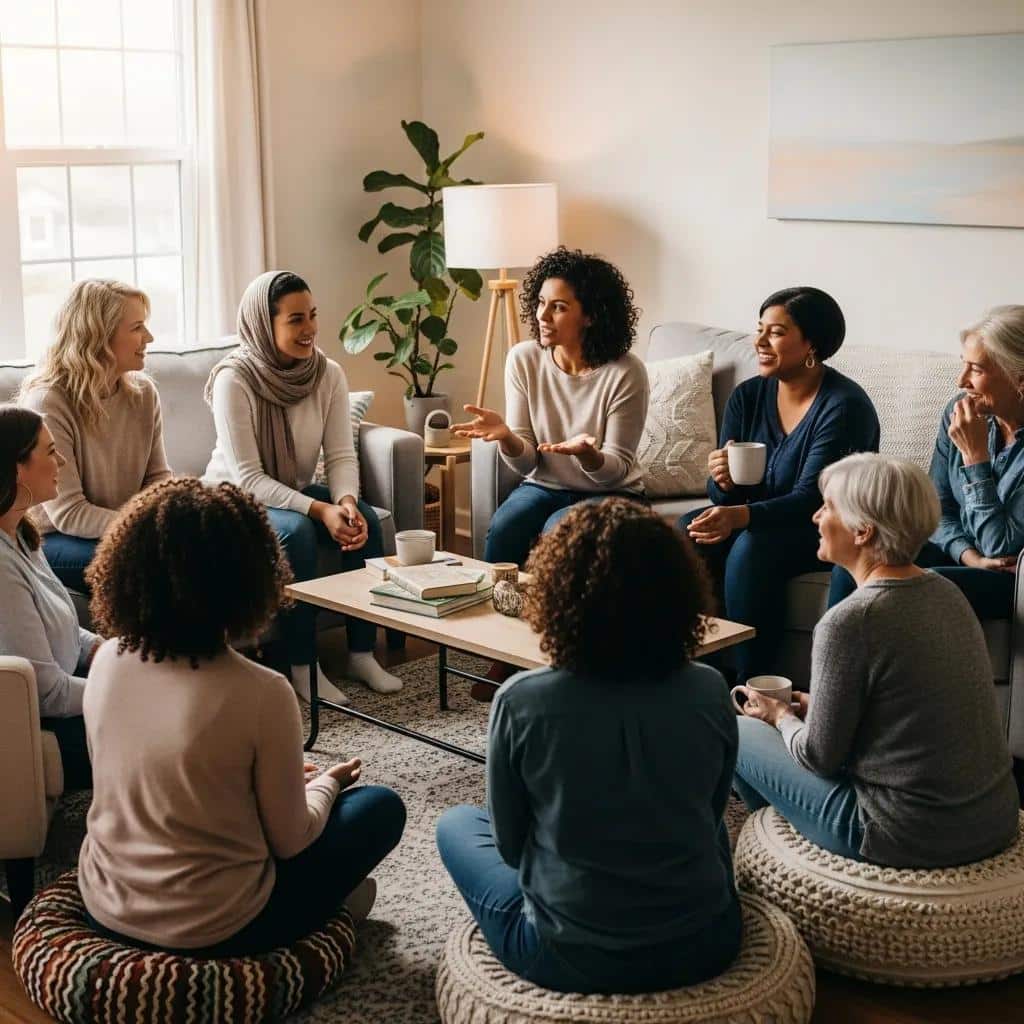
Sisterhood is a core driver in many women’s recovery. Through shared experience, empathy and mutual accountability, peer groups reduce isolation and support sustained change. This article explains how these bonds improve mental health and substance‑abuse recovery, outlines benefits and evidence, and shows how organisations like “Sun County Wellness” put these ideas into practice.
What Are the Benefits of Sisterhood in Women’s Recovery?
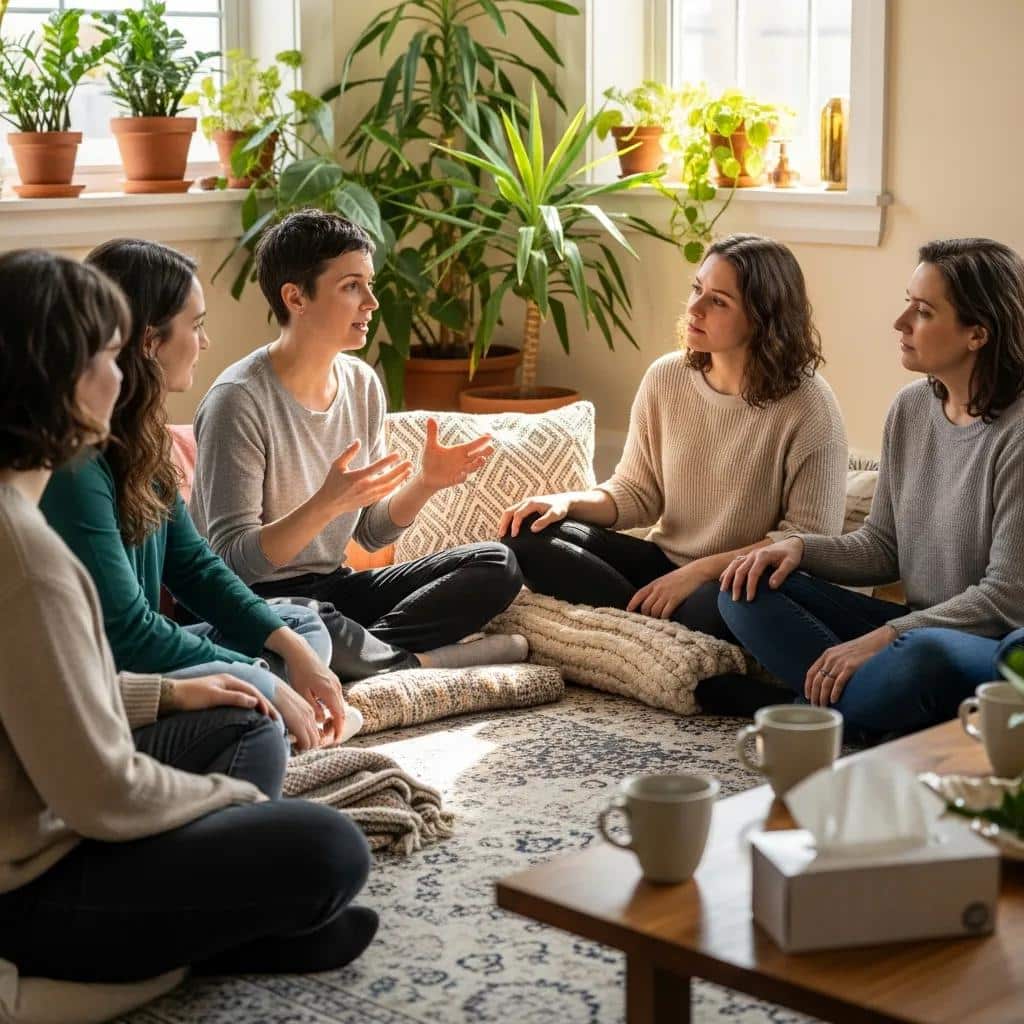
Peer connection provides emotional and psychological support, a non‑judgmental space to share, and accountability that helps members stick to recovery goals. Shared experience fosters belonging for women who might otherwise feel alone and helps normalise setbacks during recovery.
Research further highlights why women‑only spaces matter: women face distinct challenges and stigma in wider recovery settings.
“Women-Only Spaces & Stigma in Drug Recovery Communities”
>
“Women Who Use Drugs (WWUD) are among the most stigmatised groups in society. They face stigma when engaging with services and within their own recovery communities. WWUD who are mothers often experience increased stigma and heightened surveillance by professionals when accessing services. This can lead to constant fear of child removal and reluctance to access, engage with, or seek support. This study reports findings from a community asset mapping project conducted with drug and alcohol recovery services in the North‑East of England. The aim was to examine the gender‑specific and recovery‑related experiences of WWUD when accessing services and women‑only spaces.”
>
“Seen and Heard: Women and Mother’s”
>
“Experiences of Navigating a Drug and Alcohol Recovery Community, H Alderson, 2025”
At Sun County Wellness, women‑specific programs combine peer mentorship and community activities to create safer, more supportive treatment environments that promote growth and empowerment.
How Does Sisterhood Enhance Mental Health and Substance Abuse Recovery?
Sisterhood reduces isolation and strengthens coping skills. Connecting with peers who understand similar experiences eases loneliness and helps members manage triggers and stress with practical strategies shared in the group.
Aspect of Recovery
Benefit
Impact Level
Emotional Support
Reduces isolation
High
Coping Strategies
Improves daily management
High
Resilience
Enhances ability to face challenges
High
The table summarises how emotional support, coping skills and resilience from sisterhood contribute to stronger recovery outcomes.
What Scientific Evidence Supports the Impact of Sisterhood on Recovery?
Evidence links peer support to better recovery outcomes and improved mental‑health measures. Studies report lower relapse rates and higher satisfaction among women who participate in peer networks, and show peer involvement can strengthen the effects of formal treatment programs.
How Does Female Peer Mentorship Support Personal Growth and Healing?

Peer mentors provide role models, emotional guidance and practical skills. Mentors who have lived experience offer hope and concrete strategies, helping mentees see recovery as achievable while building communication and problem‑solving skills.
What Roles Do Peer Mentors Play in Women-Specific Treatment Programs?
Mentors facilitate groups, guide discussions, model coping techniques and provide steady encouragement. Their presence helps create safe spaces where women can explore feelings and practice new skills without fear of judgment.
How Does Trauma-Informed Peer Mentorship Improve Recovery Outcomes?
Trauma‑informed mentoring recognises common trauma responses and emphasises safety and choice. Mentors trained in trauma‑informed care respond sensitively to triggers and foster trust, which supports deeper healing and sustained recovery.
Why Is Building Supportive Women Networks Essential for Empowerment?
Supportive networks encourage collaboration, leadership and resource sharing. They help women develop agency, take on leadership roles and advocate for their needs, amplifying individual and community resilience.
How Do Women Empowerment Through Community and Peer Connection Work Together?
Community ties and peer connections combine to create shared goals and collective strength. This mutual support helps members meet milestones, take leadership roles and sustain long‑term change.
What Are Effective Strategies for Creating Lasting Women’s Support Networks?
Identify shared interests, use social media to stay connected, and host regular workshops, meetings or social events. Consistent engagement and varied activities (skills workshops, peer check‑ins, creative sessions) help networks endure.
What Makes Women-Specific Treatment Programs at Sun County Wellness Unique?
Sun County Wellness emphasises trauma‑informed care, personalised treatment plans and community building. Addressing women’s specific needs with tailored plans improves engagement and recovery outcomes.
How Does Sun County Wellness Integrate Peer Support and Sisterhood in Care Plans?
Peer support at Sun County Wellness includes peer‑led groups, mentorship and collaborative care models. These initiatives encourage ownership of recovery, accountability and stronger community ties.
What Outcomes and Success Rates Are Achieved Through Women-Centered Programs?
Programs at Sun County Wellness report positive improvements in mental health and wellbeing, with many clients citing community and connection as key to their progress.
Frequently Asked Questions
What types of activities are included in women-specific peer support groups?
Common activities include group discussions, coping‑skills workshops, mindfulness exercises, social meetups and creative outlets like art therapy or journaling to encourage expression and bonding.
How can someone find a peer support group for women in their area?
Search local community centres, recovery services and mental‑health organisations, check online directories and social media, or ask healthcare providers for recommendations.
What role does confidentiality play in peer support groups?
Confidentiality is fundamental. Clear group guidelines protect privacy, build trust and create the safety needed for honest sharing.
Can peer support groups help with issues beyond substance abuse recovery?
Yes. Peer groups commonly support anxiety, depression, trauma recovery, stress management, relationship challenges and parenting—offering shared strategies across many needs.
How do peer support groups differ from traditional therapy?
Peer groups are led by people with lived experience and focus on mutual support, while therapy is delivered by licensed clinicians. Many people benefit from combining both.
What challenges might women face when joining a peer support group?
Joining can be intimidating—fear of judgment or past trauma may deter people. Finding the right fit may take time, but many groups work to be welcoming and supportive, and initial hesitancy often eases with participation.