
The Safety of a Male-Free Space: Female Only Therapy Groups for Healing from Relational Trauma
Relational trauma can deeply affect women’s mental health. Female-only therapy groups provide a male-free setting where women can address trauma, feel emotionally safe, and work toward recovery. This article outlines relational trauma, its effects on women, and how women-only programs and therapeutic approaches support healing.
What Is Relational Trauma in Women and How Does It Affect Mental Health?
Relational trauma is emotional and psychological harm from neglect, abuse, or betrayal in close relationships. It can result in anxiety, depression, PTSD, and social withdrawal. Recognising these patterns helps shape appropriate, trauma-sensitive care.
Defining Relational Trauma and Its Impact on Women
Relational trauma damages trust and safety in relationships, often appearing as emotional abuse, abandonment, or betrayal. Over time it can lead to chronic anxiety, depression, difficulty forming healthy attachments, and higher risk of co-occurring problems such as substance misuse or disordered eating. Identifying these patterns guides targeted treatment.
Common Co-Occurring Disorders in Women Experiencing Trauma
Women with relational trauma commonly experience additional disorders that complicate recovery. Common co-occurring conditions include:
- 1Anxiety Disorders: Generalized anxiety or panic symptoms are common trauma responses.
- 2Depression: Persistent low mood and hopelessness can follow prolonged relational harm.
- 3Substance Use Disorders: Some use substances to numb emotional pain.
Effective treatment addresses both trauma and any co-occurring conditions concurrently.
How Do Women Only Treatment Programs Create Safe Spaces for Trauma Recovery?

Women-only programs foster emotional safety and reduce the risk of gendered triggers. Key elements include:
- Empathy and Understanding: Shared perspectives among female therapists and peers build connection.
- Confidentiality: Private, respectful spaces encourage honest sharing.
- Empowerment: Programs focus on reclaiming personal narratives and agency.
These elements support focused, respectful recovery work.
The Role of Male-Free Environments in Reducing Retraumatization
For many survivors, men’s presence can trigger fear or shut down progress. Male-free spaces reduce retraumatization risk, allowing women to process experiences and build solidarity with others who understand similar dynamics.
Benefits of Female Only Support Groups for Mental Health
Female-only groups offer targeted benefits that support recovery. These include:
- 1Emotional Support: A safe setting to share feelings and reduce isolation.
- 2Shared Experiences: Peer validation from people with similar histories.
- 3Improved Mental Health Outcomes: Participants often report reduced anxiety and depression after consistent group work.
Tailored programs can make healing more accessible and effective.
Sun County Wellness specializes in women-specific treatment programs addressing mental health, substance abuse, and relational trauma, offering tailored support for recovery.
What Are the Key Therapeutic Approaches in Women Centered Trauma Recovery?
Women-centered trauma recovery uses approaches adapted to women’s needs. Key methods include:
- Cognitive Behavioral Therapy (CBT): Identifies and reshapes trauma-related thoughts and behaviors.
- Group Therapy: Facilitated peer sessions for shared healing and skill practice.
- Trauma-Informed Care: A framework that prioritises safety, choice, and empowerment in every interaction.
Combined, these approaches build resilience and support sustained recovery.
Trauma Informed Care: Principles and Practices
Trauma-informed care recognises trauma’s wide effects and guides service delivery. Core principles include:
- Safety: Physical and emotional safety for clients.
- Trustworthiness: Transparency and consistent boundaries to build trust.
- Empowerment: Supporting clients to make choices and regain control.
Applying these principles helps programs reduce harm and improve outcomes.
Healing Circles and Group Therapy for Women
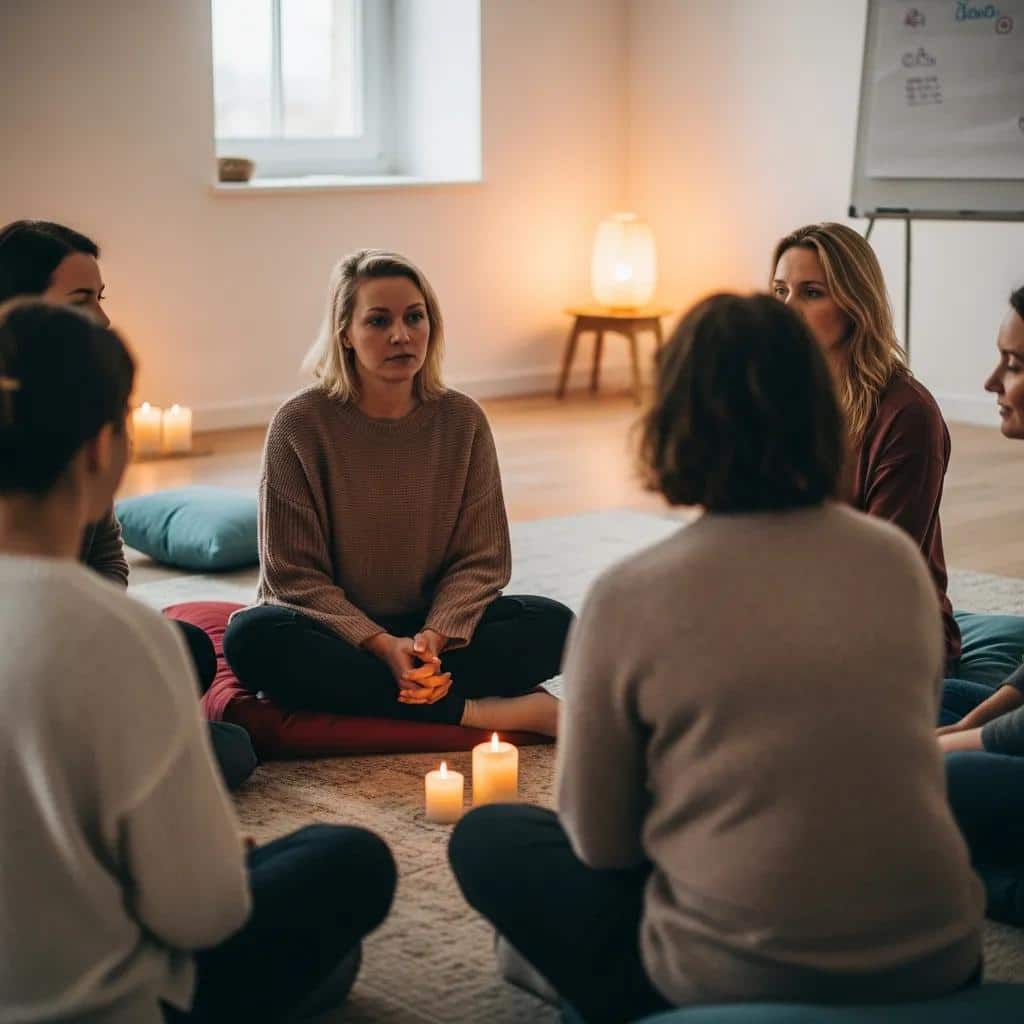
Healing circles and group therapy provide structured, communal spaces for recovery. Benefits include:
- Collective Healing: Shared narratives build resilience and mutual support.
- Skill Development: Groups teach coping, communication, and emotion regulation skills.
- Accountability: Peer support encourages commitment to change.
These settings often form lasting support networks that reinforce long-term recovery.
How Can Women Access and Benefit from Women Only Treatment Programs?
Access generally follows a few steps:
- 1Research: Look for local or online programs that specialise in trauma recovery.
- 2Eligibility Criteria: Check program requirements such as age, trauma focus, or clinical needs.
- 3Initial Consultation: An intake meeting clarifies fit and treatment goals.
Taking these steps helps women find an appropriate and safe program.
Admission Process for Women Specific Trauma Recovery Programs
Admissions typically follow a structured sequence:
- Application Submission: Provide background and treatment needs.
- Assessment: Clinicians assess trauma history and current functioning.
- Program Orientation: Orientation explains expectations, schedules, and supports.
This process ensures individualized, trauma-informed placement.
Success Stories and Outcomes from Female Only Therapy Groups
Participants frequently report meaningful change from women-only groups, including:
- Increased Self-Esteem: Feeling validated and understood boosts confidence.
- Enhanced Coping Skills: Practical tools to manage emotions and stress.
- Long-Term Recovery: Sustained improvements in mental health and well‑being.
These outcomes underline the value of tailored, gender-specific support.
Frequently Asked Questions
What should I look for when choosing a female-only therapy group?
Check facilitator qualifications, the therapeutic model, group size, and whether the program emphasises confidentiality and emotional safety. Look for programs addressing relational trauma and read participant feedback when available.
How do I know if a female-only therapy group is right for me?
Consider your comfort and safety needs. If an all-female setting would make you feel better understood and safer, try an introductory session to assess group dynamics and fit.
Can I participate in multiple therapy programs simultaneously?
Yes. Many people combine group support with individual therapy. Coordinate between providers so care is consistent and complementary.
What are some common misconceptions about female-only therapy groups?
They are not inherently exclusionary or anti-male; they provide tailored safety for women. They can be as effective—or more so—for some women than mixed groups due to shared experiences and focused support.
How can I support a friend who is considering joining a female-only therapy group?
Listen without judgment, validate their feelings, help research options if they want, and offer practical support before and after sessions. Respect their choices throughout the process.
Are there online female-only therapy groups available?
Yes. Many reputable organisations offer online groups that preserve confidentiality and are led by qualified facilitators. Verify credentials and safety practices before joining.