
Clinically Reviewed By Brittany Astrom - LMFT
Brittany has 15 years of experience in the Mental Health and Substance Abuse field. Brittany has been licensed for almost 8 years and has worked in various settings throughout her career, including inpatient psychiatric treatment, outpatient, residential treatment center, PHP and IOP settings.
Top 10 Drugs That Cause Kidney Damage
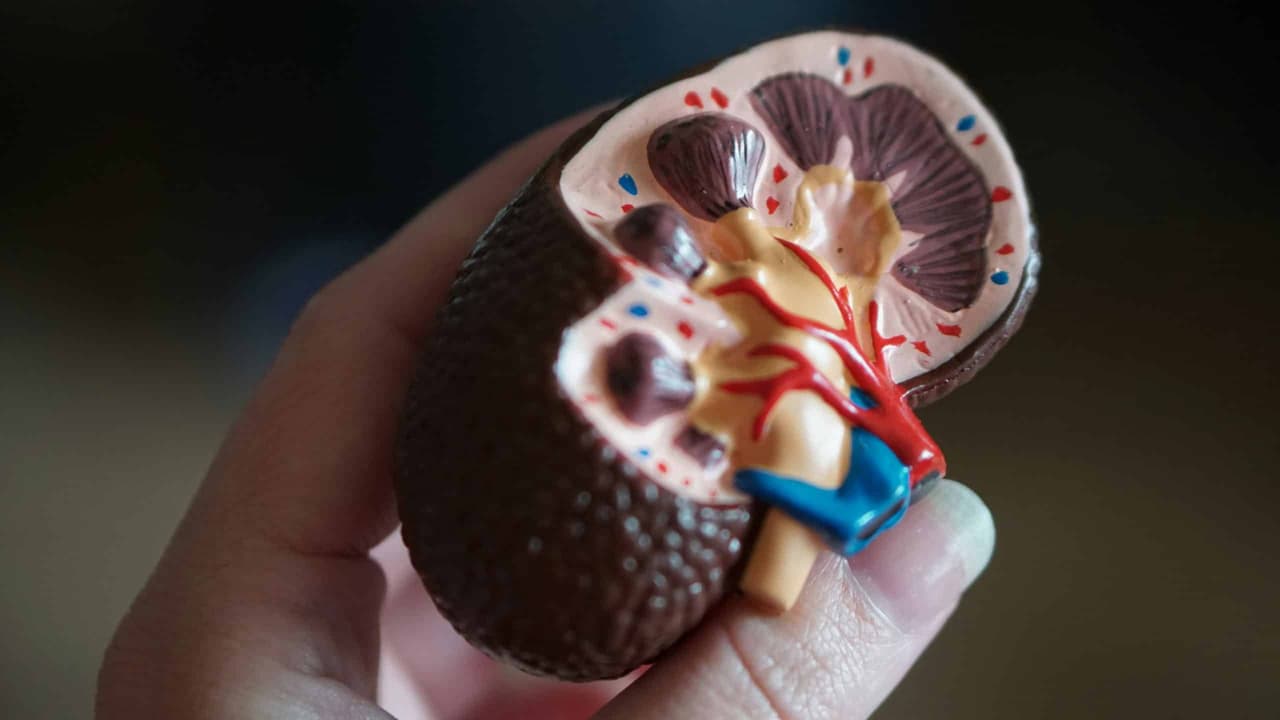
Medications are a crucial part of managing various health conditions, but some drugs can negatively impact kidney health. The kidneys, essential for filtering toxins from the bloodstream and maintaining fluid balance, are sensitive to certain drugs, particularly when used long-term or in high doses. This article examines the top 10 drugs that can cause kidney damage, covering risks, signs of kidney injury, and ways to minimize harm.
1. Nonsteroidal Anti-Inflammatory Drugs (NSAIDs)
NSAIDs like ibuprofen and naproxen are commonly used to treat mild to moderate pain, but they pose risks for kidney damage when used over the counter at high doses or over extended periods. NSAIDs reduce blood flow to the kidneys, potentially causing acute kidney injury and exacerbating existing kidney problems.
2. Proton Pump Inhibitors (PPIs)
Proton pump inhibitors, such as omeprazole, are used to treat acid reflux and related conditions. Chronic use has been linked to a higher risk of chronic kidney disease and acute kidney injury due to interstitial nephritis, a condition involving inflammation in the kidneys that can lead to renal injury if untreated.
3. ACE Inhibitors and ARBs
Angiotensin-converting enzyme (ACE) inhibitors and angiotensin receptor blockers (ARBs) are prescribed for high blood pressure and heart failure. While beneficial in managing blood pressure, these medications can reduce blood flow to the kidneys, particularly in people with underlying renal insufficiency. Careful monitoring is crucial to avoid acute renal failure in these cases.
4. Aminoglycoside Antibiotics
Antibiotics like gentamicin and amikacin can treat serious infections but carry a high risk of drug-induced nephrotoxicity. These drugs are especially dangerous for hospitalized patients and those with existing kidney issues, leading to acute kidney injury and reduced kidney function if not carefully managed.
5. Contrast Dye for Diagnostic Tests
Contrast dye used in imaging tests is essential for diagnosing conditions, but it can cause contrast-induced nephropathy in patients with low baseline renal function. This risk is higher in hospitalized patients and those with diabetes. Minimizing dye exposure and ensuring hydration can reduce the risk of renal injury.
6. Diuretics
Diuretics, commonly used to reduce high blood pressure, can lead to electrolyte imbalances and intravascular volume depletion, straining the kidneys. Long-term use, particularly at high doses, may result in kidney damage and worsen existing kidney conditions.
7. Lithium (Used to Treat Bipolar Disorder)
Lithium, used in bipolar disorder treatment, can have toxic effects on the kidneys over time. It may cause interstitial nephritis and long-term renal scarring, particularly when blood levels are not regularly monitored. Clinical pharmacists often adjust doses to minimize the risk of kidney damage.
8. Antiviral Medications
Certain antiviral drugs used to treat viral infections, such as acyclovir, can lead to kidney injury through crystallization in the kidney tubules. This process can obstruct kidney function, leading to acute kidney injury and decreased filtration rates, especially in patients with dehydration or existing kidney issues.
9. Chemotherapy Drugs
Chemotherapy agents, especially cisplatin and ifosfamide, are potent but carry a high risk of drug-induced nephrotoxicity. These drugs may lead to acute renal failure due to nephrotoxic drug combinations often used in cancer treatment regimens. Proactive kidney health monitoring is critical to prevent severe damage.
10. Herbal Supplements and Over-the-Counter Medications
Several herbal supplements and unregulated over-the-counter medications contain ingredients harmful to the kidneys. Aristolochic acid, found in some herbal remedies, can cause interstitial nephritis and drug-induced renal failure. Patients with existing kidney problems should consult healthcare providers before using any supplements.
Understanding Drug-Induced Nephrotoxicity
Drug-induced nephrotoxicity is a significant concern, especially for individuals taking multiple medications or those with underlying renal insufficiency. Common signs of kidney damage include reduced urine output, swelling, high blood pressure, and fatigue. Blood tests for kidney function can detect early signs of injury, helping prevent acute renal failure.
Tips for Protecting Kidney Health
- 1Limit NSAID Use: Avoid long-term NSAID use unless prescribed.
- 1Stay Hydrated: Adequate hydration helps support kidney function.
- 1Regular Monitoring: Patients on high-risk medications should have regular kidney function tests.
- 1Consult a Healthcare Provider: Speak with your doctor about possible alternatives if you are at risk for kidney issues.
- 1Avoid Herbal Supplements: Steer clear of unregulated supplements without clinical evidence of safety.


Seeking Treatment? We Can Help
At Sun County Wellness, as an in-network provider we work with most insurance plans, such as:
If you or a loved one are struggling with mental health challenges or substance abuse, reach out to Sun County Wellness today. Our team of compassionate professionals is here to support your journey towards lasting well-being. Give us a call at 949-993-1149
Visit SAMHSA for more information.