
Clinically Reviewed By Brittany Astrom - LMFT
Brittany has 15 years of experience in the Mental Health and Substance Abuse field. Brittany has been licensed for almost 8 years and has worked in various settings throughout her career, including inpatient psychiatric treatment, outpatient, residential treatment center, PHP and IOP settings.
What Does Meth Look Like?
Methamphetamine, commonly referred to as meth, is a powerful and highly addictive stimulant. Understanding its appearance is essential for recognizing methamphetamine in its various forms. Meth is available in crystalline, powdered, pill, and liquid forms, each with distinct characteristics. Identifying meth is crucial for early intervention and addressing methamphetamine use.
Visual Characteristics of Meth
Meth varies widely in appearance depending on its form. These forms include:
- 1Crystal Meth
Crystal meth, or crystal methamphetamine, typically appears as bluish-white rocks or shards resembling glass or rock salt. Its crystalline form is a potent form of meth often associated with recreational meth use.
- 1Powder Meth
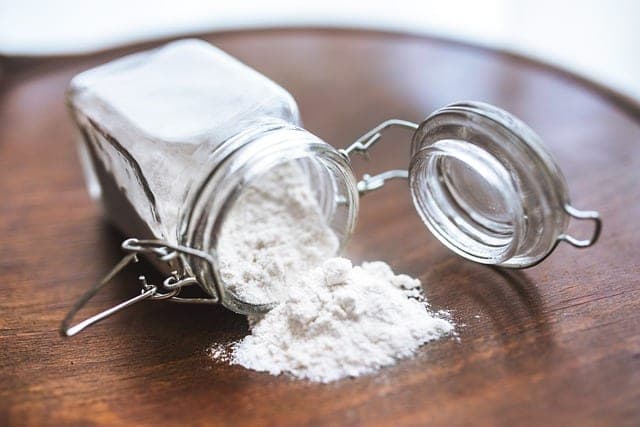
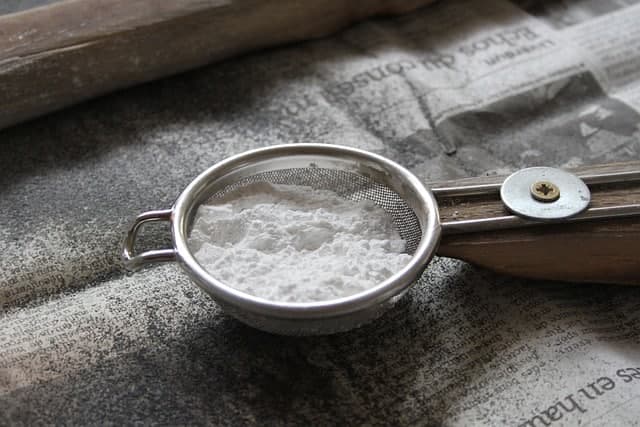
Powder meth, also known as meth powder, ranges from white to off-white in color. It may resemble powdered sugar or crystalline powder and is sometimes cut with other substances to increase volume.
- 1Meth Pills
Meth pills are often round, colorful, and may have imprinted markings. These are sometimes prescribed for conditions like attention deficit hyperactivity disorder (ADHD) in a limited medical capacity.
- 1Liquid Form
In its liquid form, meth is usually clear but may have a bluish tint. This form is less common and often seen during meth production.
Common Forms of Methamphetamine
Methamphetamine appears in several forms:
- Crystalline Form: Pure meth that looks like shards or bluish white rocks.
- Powder Form: Typically off-white or light-colored with a bitter taste.
- Pill Form: Used in medical settings for deficit hyperactivity disorder (ADHD).
- Liquid Form: Sometimes used in the manufacturing process.
Distinct Characteristics of Meth
Meth has several unique features:
- Bitter Taste: Meth often has a sharp, bitter taste.
- Off-White or White Color: Powder meth and crystalline powder share these colors.
- Small Plastic Bags: Meth is frequently packaged in small plastic bags for distribution.
Signs of Meth Use and Addiction
Identifying meth use requires observing physical and behavioral signs.
Physical Signs
- Skin Sores: Meth users may develop sores due to chronic use and scratching.
- Rapid Weight Loss: Meth use often leads to noticeable weight loss.
- Severe Dental Problems: Meth mouth, characterized by severe dental decay, is a common result of methamphetamine use.
Behavioral Indicators
- Violent Behavior: Meth abuse is linked to increased aggression.
- Elevated Body Temperature: Chronic meth use can cause dangerously high body temperatures.
- Intense Rush: Users may display heightened activity or euphoria.
Identifying Methamphetamine in Different Forms
Crystalline Powder
Crystalline powder is another form of meth, often mixed with other substances. It is commonly found in small quantities within broken glass containers or on aluminum foil.
Glass Pipes and Aluminum Foil
Meth is typically smoked using glass pipes. Burn marks on aluminum foil are another indication of meth use.
Methamphetamine Use and Mental Health
Methamphetamine affects the central nervous system and can lead to mental health issues such as anxiety, paranoia, and violent behavior. Chronic use may exacerbate existing conditions or create new ones.
Recognizing Methamphetamine in the Environment
Meth production often involves toxic chemicals, which may emit odors similar to cat urine or ammonia. Items like aluminum foil, small plastic bags, and glass pipes are common paraphernalia found near meth users.
Treatment Programs for Meth Addiction
Meth addiction requires comprehensive treatment programs. These include:
- Initial Assessment: Evaluating the severity of substance abuse.
- Support Groups: Providing a network for emotional and social support.
- Recovery Process: Addressing both physical and mental health.
Overcome Addiction
Professional treatment can help individuals overcome addiction. Effective programs combine therapy, medical care, and support groups to assist recovery.
Early Intervention and Meth Addiction
Recognizing methamphetamine and its signs can prevent long-term damage. Early intervention allows individuals to access treatment programs and regain their well-being.
Conclusion
Understanding what meth looks like and the signs of meth use is crucial for addressing substance use disorders. Methamphetamine appears in various forms, including crystal meth, powder meth, and meth pills, with distinct visual characteristics. Identifying meth early can lead to effective treatment and support, promoting a healthier future.
For more information on meth addiction and recovery, visit Sun County Wellness.

Seeking Treatment? We Can Help
At Sun County Wellness, as an in-network provider we work with most insurance plans, such as:
If you or a loved one are struggling with mental health challenges or substance abuse, reach out to Sun County Wellness today. Our team of compassionate professionals is here to support your journey towards lasting well-being. Give us a call at 949-993-1149
Visit SAMHSA for more information.