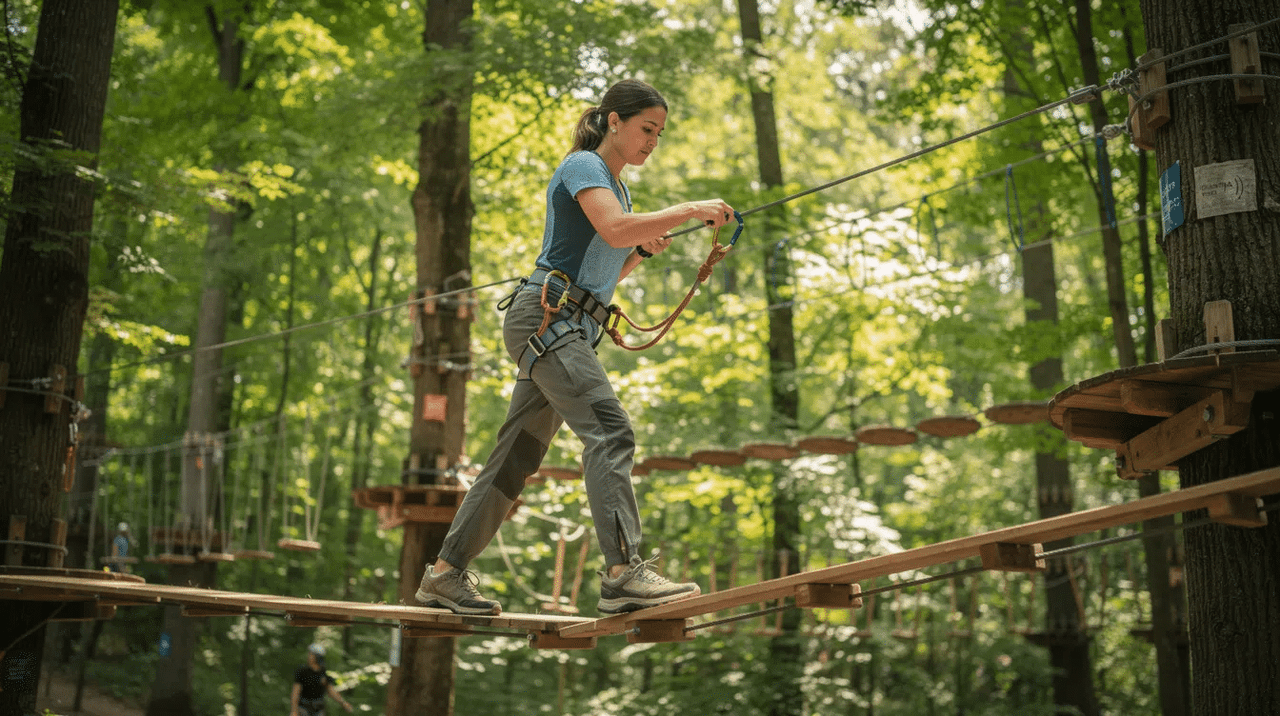
Adventure therapy is gaining attention as a powerful complement to traditional therapy, but what does it actually look like in practice – especially for women navigating recovery from addiction, trauma, or co-occurring mental health conditions? This guide breaks down how therapeutic adventure works, who it helps, and what to expect if you’re considering it as part of your treatment program.
Key Takeaways
- Adventure therapy is a structured form of mental health treatment that uses planned outdoor activities – like hiking, ropes courses, and team challenges – led by trained adventure therapists to target specific treatment goals.
- Both adventure therapy and wilderness therapy are evidence-informed approaches shown to reduce symptoms of PTSD, depression, and anxiety while building resilience and self esteem.
- At Sun County Wellness in San Juan Capistrano, we integrate therapeutic adventure elements into women-only outpatient care (PHP, IOP, OP) rather than requiring long-term remote wilderness programs.
- While research shows adventure therapy benefits at-risk youth significantly, it can be adapted safely and effectively for adult women in outpatient behavioral healthcare.
- Below, you’ll learn how adventure therapy works, what conditions it addresses, safety and cost considerations, and how to decide if it fits your treatment plan.
What Is Adventure Therapy?
Adventure therapy – also called therapeutic adventure – is a structured form of psychotherapy that uses planned outdoor activities to address mental health challenges and behavioral healthcare goals. It is not simply recreation. Activities like hiking, kayaking, or ropes courses are chosen and facilitated by mental health professionals with clear treatment goals, and participants learn through action rather than discussion alone.

Common settings range from immersive wilderness therapy programs in remote backcountry to day-based outdoor experiential therapy programs closer to home. In Southern California, for instance, adventure experiences can happen along coastal trails, local canyons, and parks – no multi-week expedition required. There are three major types of adventure therapy: wilderness therapy, adventure-based therapy, and long-term residential camping, each varying in intensity and duration.
Adventure therapy uses outdoor activities to address mental health issues by engaging cognition, emotion, and behavior simultaneously. For women in outpatient care at Sun County Wellness, adventure-based activities are integrated alongside evidence-based therapies like CBT, DBT, and trauma therapy – not as a replacement for traditional talk therapy, but as a way to deepen and accelerate the work.
How Does Adventure Therapy Work?
Adventure therapy works through “healing by doing.” Participants face real-time, manageable physical challenges that mirror internal struggles – fear of failure, avoidance, difficulty trusting others, people-pleasing. These patterns show up in the moment during adventure activities, giving therapists a live window into how each person copes.
A typical session follows a clear program structure:
- 1Preparation and safety briefing – reviewing goals, assessing comfort, explaining the activity
- 1The activity itself – a low or high ropes course, guided hike, team problem-solving task, or outdoor adventure
- 1Structured debrief – linking the direct experience back to mental health themes through guided reflection
Through experiential learning and “here-and-now” feedback, clients notice anxiety, perfectionism, or avoidance as it surfaces – not days later in a therapy office. Adventure therapists intentionally adjust difficulty using the “challenge-by-choice” principle, keeping tasks outside the comfort zone but within a safe, achievable range.
From a neuroscience perspective, novel and physically embodied experiences in natural settings can support neuroplasticity, helping the brain form new coping pathways. Research indicates that adventure therapy can reduce stress hormones like cortisol, which supports emotional regulation and resilience building. The approach also enhances problem-solving abilities and communication skills, since activities demand real-time collaboration and decision-making.
Core Elements of Therapeutic Adventure
Several core elements consistently drive positive outcomes in adventure programming:
- Experiential education and learning – Clients practice skills like distress tolerance, boundary-setting, and asking for help in real time rather than only discussing them in an office. This prescriptive use of challenge cements a new skill more effectively than abstract conversation.
- Nature exposure – Being in a natural environment – even local beaches, coastal trails, or parks near Orange County – lowers stress. Nature immersion reduces stress hormones and boosts mood, supporting emotional processing and self-awareness even in non-remote outdoor settings.
- Group dynamics – Adventure therapy often involves group settings for shared experiences. A small group of women navigating a challenge together builds trust, vulnerability, and mutual support – especially powerful for those isolated by addiction or relationship trauma.
- Reflection and debriefing – Therapeutic processing in adventure therapy helps participants understand their emotions. Guided debrief turns “I made it across that beam” into insights like “I can face difficult emotions without numbing with substances.” Without this step, activities risk being only physically intense without psychological integration.
- Goal-setting – Before every adventure therapy session, clear treatment goals orient both therapist and client – whether that’s reducing social anxiety, improving emotional regulation, or building coping skills for relapse prevention.
Role of the Adventure Therapist
An adventure therapist is a licensed or license-eligible mental health professional (such as an LMFT, licensed social worker, or LPCC) with additional training in adventure based counseling and outdoor behavioral healthcare. Adventure therapists must be licensed mental health professionals, and certification programs exist for adventure therapists, like CCAT (Certified Clinical Adventure Therapist) and CTAS (Certified Therapeutic Adventure Specialist). The core competencies for these certifications were developed over three years through collaboration among clinicians and the association for experiential education.
Adventure therapists require training in outdoor safety protocols, including wilderness first aid and risk management. They design activities to match treatment goals – whether that’s trauma healing, relapse prevention, self esteem building, or interpersonal effectiveness – and manage both physical and emotional safety throughout. Adventure therapy programs should have experienced mental health professionals guiding every session.
At Sun County Wellness, adventure-style groups are always embedded in a broader clinical plan created by our women’s behavioral healthcare team.
Types of Adventure Therapy & Common Activities
Adventure therapy is an umbrella term covering several formats. Types of adventure therapy include wilderness therapy and adventure based counseling, as well as residential treatment camping programs. Not all adventure therapy requires rugged backcountry trips. Many powerful interventions happen within a few hours of home, using accessible outdoor activities and local natural settings.
Wilderness Therapy vs. Outpatient Adventure Therapy
Wilderness therapy involves extended time in natural settings like forests and mountains – typically 24/7 immersive programs lasting several weeks to months. These wilderness therapy programs are most common for teens and young adults and often operate in states like Utah, Colorado, or Montana.
Outpatient adventure therapy, like what Sun County Wellness offers, is different. Women return home after daytime or half-day sessions in nearby natural environments. Here’s how they compare:
Factor
Wilderness Therapy
Outpatient Adventure Therapy
Duration
Weeks to months, 24/7
Half-day or periodic sessions
Setting
Remote backcountry
Local trails, parks, coastal areas
Cost
$15,000–$25,000+ for 30 days
Integrated into existing treatment costs
Daily life
Must leave work/family
Maintains daily life roles
Best for
Intensive reset, young people
Adult women balancing responsibilities
Wilderness programs provide an intensive reset away from triggers, while outpatient models let women apply skills immediately in daily life. For adult women needing childcare, employment stability, or medical oversight, outpatient adventure therapy is typically the more realistic and accessible option.
Examples of Adventure Therapy Activities
Here are common activities and the therapeutic techniques they support:
- Guided coastal hikes – Practice staying present, tolerating physical sensations linked to anxiety, and building endurance as a metaphor for recovery
- Low and high ropes courses – Rock climbing and ropes courses build trust and confidence in participants, requiring communication and vulnerability
- Team problem-solving games – Develop social skills, practice asking for help, and confront perfectionism in a supportive environment
- Mindfulness-based beach walks – Use the natural environment for grounding, sensory awareness, and processing difficult emotions
- Outdoor yoga and grounding practices – Reconnect with the body after trauma, building interoceptive awareness
- Water-based activities – Kayaking and similar water-based activities offer rhythmic, meditative therapeutic benefits that promote healing and calm the nervous system
- Equine therapy – Equine therapy helps develop emotional regulation and interpersonal skills through relationship-building with horses
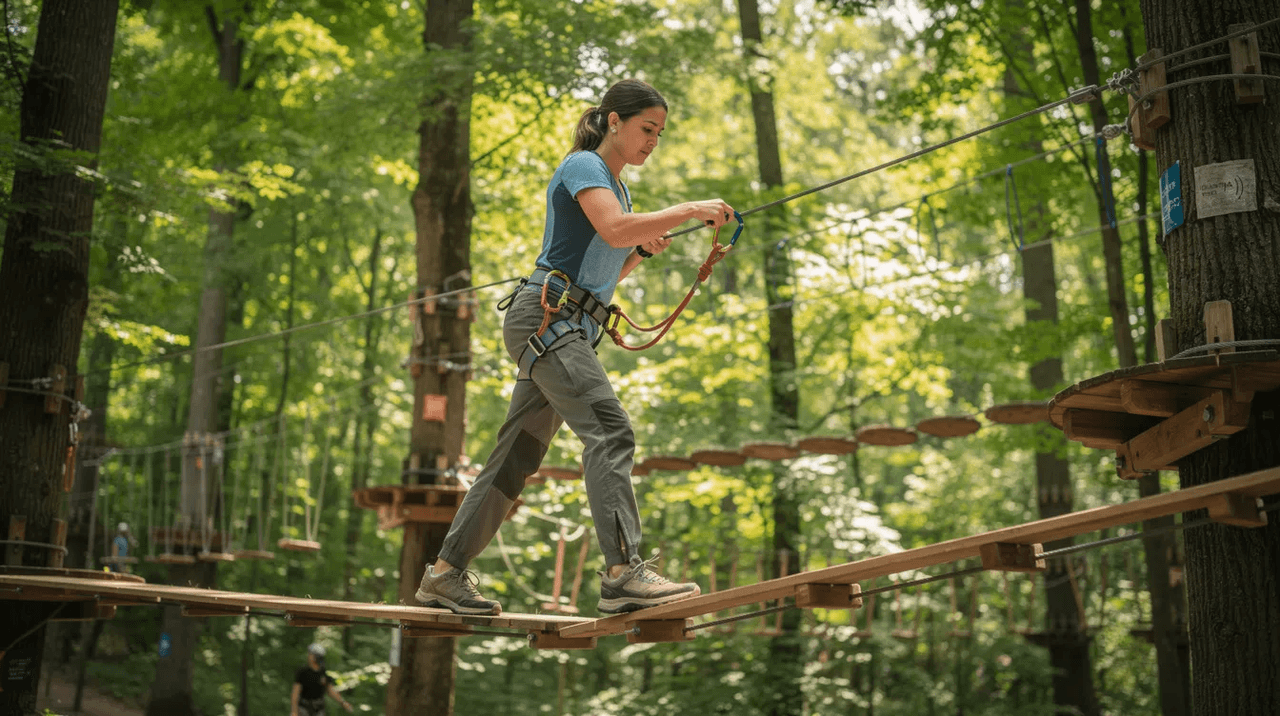
More intensive therapy programs might include backpacking or snow-based activities, but Sun County Wellness typically focuses on accessible, half-day outdoor experiences suited to outpatient care.
What Adventure Therapy Can Help With
Adventure therapy is not a cure-all, but research and clinical practice show it can support a wide spectrum of mental health conditions and substance abuse challenges. Adventure therapy improves mental health by engaging participants in nature and provides a safe environment for individuals with trauma or PTSD.
Conditions and concerns where therapeutic adventure has demonstrated benefit include:
- Anxiety disorders
- Depression
- PTSD and complex trauma
- Substance use disorders
- Eating disorders
- Low self esteem and self efficacy
- Interpersonal difficulties
Adventure therapy is effective for PTSD, depression, and anxiety, and it improves symptoms of depression and anxiety across multiple research reviews. It helps individuals build self-confidence and improve social skills while offering outdoor experiences that reduce symptoms and promote healing. For women specifically, adventure therapy can be powerful in healing from relationship trauma, body image issues, and chronic feelings of powerlessness.
Adventure therapy works best as part of a comprehensive plan – including individual therapy, psychiatry, skills groups, and aftercare – rather than a standalone quick fix. Sun County Wellness uses adventure-style groups as one tool within dual diagnosis treatment for women with co-occurring mental health and addiction issues, alongside other services like EMDR and DBT.
Benefits for Teens and Young Adults
Research and practice frequently focus on adolescents and young adults because this age group responds strongly to hands-on, peer-based experiential education and novel outdoor adventures. Research shows adventure therapy benefits at-risk youth significantly, and participants develop resilience and coping skills through challenges that mirror real-world pressures.
Adventure therapy supports identity formation, healthy risk-taking, executive functioning, and separation from unhealthy peer groups among young people. Consider a 19-year-old woman using ropes courses to practice asking for help, or a college student in recovery learning to manage anxiety during group hikes without turning to substances. While Sun County Wellness serves adult women, principles from youth adventure programs can be adapted for women in their 20s, 30s, 40s, and beyond.
Benefits for Women in Recovery
For women dealing with addiction, trauma, and co-occurring mental health disorders in outpatient rehab, adventure activities offer unique healing power. Physical activity in an outdoor setting can rebuild trust in the body after trauma, challenge shame narratives like “I’m weak” or “I can’t do anything right,” and provide sober, meaningful experiences of joy.
Adventure therapy encourages healthy coping and emotional regulation through physical activity, and group-based challenges help repair relational wounds – especially for women with histories of betrayal, domestic violence, or emotionally unsafe families. Sun County Wellness leverages these benefits within PHP and IOP levels of care, pairing adventure-style work with evidence-based therapeutic techniques.

Evidence, Safety, and Ethics in Adventure Therapy
Adventure therapy is an evolving field with a growing evidence base. A meta-analysis by Bowen and Neill showed adventure therapy improved outcomes across 197 studies involving over 17,000 participants, with a moderate overall effect size. Participants in adventure therapy sustained positive changes at six months, and a separate meta-analysis focused on self-concept confirmed lasting gains in self esteem, self efficacy, and locus of control. Research shows lasting improvements after adventure therapy when programs include structured follow-up. Adventure therapy enhances emotional processing and self-awareness across clinical populations.
Treatment outcomes are generally stronger when programs are clinically led by licensed therapists, use clear treatment plans, and include structured reflection – rather than being purely recreational. Studies have been published in more than one international journal documenting these findings.
Safety considerations are critical. Physical risk management, emotional safety for trauma survivors, and informed consent are non-negotiable. Some wilderness programs have historically faced criticism for coercive practices or inadequate oversight. Outpatient adventure therapy integrated into licensed behavioral healthcare – like Sun County Wellness – typically offers stronger regulatory oversight and clinical accountability, ensuring both physical and emotional safety.
Outdoor Behavioral Healthcare Standards
Outdoor behavioral healthcare (OBH) refers to the systematic use of outdoor experiences as a primary context for mental health treatment. Professional bodies have developed best practice guidelines around safety, staffing ratios, crisis protocols, and clinical documentation. Adventure therapists need both clinical credentials and specialized training in risk management, wilderness medicine, and group facilitation.
While Sun County Wellness is not a remote OBH wilderness program, we align our adventure-style offerings with these safety and ethics principles, ensuring that every outdoor activity meets outpatient clinical standards. Natural consequences during activities – like a team failing a challenge and needing to regroup – are used therapeutically, not punitively.
Cost, Insurance, and Accessibility
Cost varies widely by program type:
- Remote wilderness therapy: Adventure therapy costs average $500 to $1,000 per day. A 30-day residential adventure therapy program costs $15,000 to $25,000, often private pay.
- Outpatient adventure elements: Integrating adventure therapy into existing PHP, IOP, or OP levels of care is significantly less expensive and more likely to be partly covered by insurance.
Some insurance plans cover adventure therapy with licensed clinicians when it is billed under recognized outpatient mental health services. However, adventure therapy is often not covered by insurance – particularly standalone wilderness programs. Sun County Wellness supports families with insurance verification, helping women understand what is and is not covered before beginning any adventure-based components.
For those with limited resources, sliding-scale community programs, nonprofits, or local nature-based groups can supplement formal treatment.
Time Commitment and Practical Considerations
Intensive wilderness therapy typically requires leaving home, school, or work for several weeks – not feasible for many adult women with jobs, caregiving duties, or medical needs. Outpatient adventure-based groups can be scheduled during PHP or IOP hours or as periodic half-day experiences, allowing women to maintain daily life roles.
When evaluating programs, consider:
- Transportation to outdoor locations
- Physical ability and any medical conditions
- Comfort with outdoor environments
- Childcare needs
At Sun County Wellness, activities are adapted for different fitness levels and behavioral levels. No one is pushed into unsafe physical demands, and every session maintains a supportive environment.
Is Adventure Therapy Right for You? (Next Steps)
Adventure therapy can sound exciting and intimidating at the same time – especially for women who feel disconnected from their bodies or anxious about the outdoors. That’s completely normal.
A quick self-reflection checklist:
- Are you curious about experiential learning and “doing” rather than only talking?
- Are you willing to step slightly outside your comfort zone in a safe, supported way?
- Is your mental health stable enough for moderate physical activity?
- Can you get medical clearance if needed?
If you’re already in therapy or rehab, discuss adventure therapy with your current providers to see how it could align with existing treatment goals. At Sun County Wellness, you can explore options by scheduling an assessment, reviewing your individualized treatment plan, and asking how adventure-style groups may be woven into your PHP, IOP, or outpatient program.
Adventure therapy is always voluntary. Emotional and physical safety are priorities – this is about personal growth, not “toughing it out.”

Questions to Ask Potential Programs
Before committing to any program, bring these questions:
- What licensure and certifications do your staff hold? What additional training in adventure or outdoor safety do they have?
- What are your emergency and safety protocols?
- Are groups women-only, trauma-informed, and sensitive to body image, cultural background, and past experiences of violence?
- How do adventure activities connect directly to treatment goals like anxiety reduction, relapse prevention, or improving relationships?
- How is progress measured, and how often is it reviewed?
- What are the out-of-pocket costs, and can you verify my insurance coverage?
- What happens if a participant needs to step back from an activity mid-session?
FAQs About Adventure Therapy
These frequently asked questions address common concerns not fully covered above.
Is adventure therapy safe for someone who has never done outdoor activities before?
Yes. Programs are designed for beginners, with thorough safety briefings, appropriate equipment, and activities scaled to each person’s comfort and ability. At Sun County Wellness, women can choose gentler options like mindfulness walks or low ropes and are never forced to complete any challenge. The sense of accomplishment from trying something new – even something small – is itself a therapeutic win.
Can adventure therapy trigger trauma, and how is that handled?
Any powerful therapeutic modality can surface trauma, which is why activities are led by clinicians trained in trauma-informed care. Therapists monitor participants for signs of overwhelm, offer grounding techniques, and can pause or modify activities to maintain emotional safety. The goal is to promote healing in a controlled, compassionate way – not to re-traumatize.
Do I have to be physically fit to participate?
No. While some movement is involved, fitness requirements vary and activities can be adapted – shorter walks, more breaks, alternative roles in team tasks. Women are encouraged to get medical clearance when needed, and accommodations are made for chronic pain, disability, or other health concerns. Physical challenges are scaled to meet you where you are.
How is progress measured in adventure therapy?
Clinicians track both subjective and objective changes: self-reported anxiety or cravings, attendance, participation, and observed use of coping and communication skills during activities. At Sun County Wellness, progress in adventure-style groups is integrated into each client’s broader treatment plan and reviewed regularly with the clinical team to ensure alignment with treatment goals.
Can adventure therapy replace individual therapy or medication?
No. Adventure therapy is usually an adjunct, not a replacement, for evidence-based treatments like individual psychotherapy, group therapy, and – when indicated – medication. Think of it as a complement that can deepen insight, build confidence, and make traditional talk therapy and other aspects of treatment more effective, especially in a dual diagnosis setting. If you’re ready to explore whether adventure therapy fits your recovery, contact Sun County Wellness to schedule a confidential assessment.