

Clinically Reviewed By Brittany Astrom - LMFT
Brittany has 15 years of experience in the Mental Health and Substance Abuse field. Brittany has been licensed for almost 8 years and has worked in various settings throughout her career, including inpatient psychiatric treatment, outpatient, residential treatment center, PHP and IOP settings.
Adderall and Alcohol: Understanding the Dangers, Myths, and Treatment Options
Adderall is a prescription stimulant commonly used to treat attention deficit hyperactivity disorder (ADHD). However, some people misuse it, often combining it with alcohol. This dangerous combination can lead to severe health risks, including cardiovascular diseases, alcohol poisoning, and mental health issues. Understanding the effects of alcohol use with stimulant medications is crucial for preventing adverse effects and seeking effective treatments if addiction occurs.
What Is Adderall?
Adderall contains a combination of dextroamphetamine and amphetamine salts. It belongs to a class of stimulant drugs that increase brain activity to improve cognitive function, impulse control, and reaction times. Doctors prescribe Immediate-release Adderall and Adderall XR to manage attention-deficit/hyperactivity disorder and narcolepsy.
While effective for treating ADHD, Adderall also carries risks, especially when misused. Taking larger doses than prescribed can lead to elevated heart rate, irregular heartbeat, high blood pressure, and mental health conditions. The Centers for Disease Control and Prevention warns that non-medical ADHD prescription stimulants can lead to substance abuse and serious health complications.
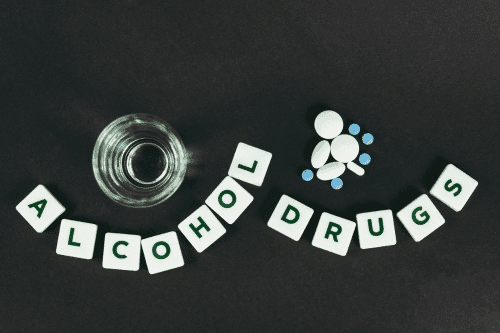
Reasons for Combining Adderall and Alcohol
People mix Adderall with alcohol for various reasons, particularly on college campuses. Full-time college students and undergraduate students sometimes misuse stimulants drugfacts to enhance academic performance or stay awake longer. Some believe Adderall can counteract the sedating effects of alcohol, allowing them to drink more without feeling as intoxicated.
Other motivations for misuse include:
- Enhancing social interactions at parties
- Boosting energy levels for excessive alcohol consumption
- Attempting to balance the depressant effects of alcohol with the stimulant effects of Adderall
- Ignoring the typical side effects of drinking, such as slurred speech and compromised judgment
However, these beliefs are dangerous and increase the risk of overdose, alcohol addiction, and serious cardiovascular side effects.
Health Risks of Mixing Adderall and Alcohol
Combining stimulant drugs with alcohol can lead to dangerous effects on the body. The National Institute on Drug Abuse warns that alcohol interactions with stimulants can cause severe health complications, including:
1. Alcohol Poisoning
Adderall can mask the effects of alcohol intoxication, leading individuals to drink more than they realize. This significantly increases the risk for alcohol poisoning, which can cause:
- Bluish skin
- Slurred speech
- Slow breathing
- Loss of consciousness
- Risk of alcohol overdose
If someone shows symptoms of alcohol poisoning, they need immediate medical attention.
2. Cardiovascular Complications
Mixing Adderall with alcohol increases heart rate, leading to heart palpitations, cardiac arrhythmia, and myocardial infarction (heart attack). Individuals with a history of heart disease or cardiac disease face even greater risks. The Centers for Disease Control and Prevention reports that stimulant use can lead to hypertension, coronary disease, and cardiac arrest.
3. Impaired Judgment and Decision-Making
Combining alcohol and Adderall leads to compromised judgment, risky behavior, and impulse control issues. This can result in:
- Risk-taking behaviors such as drunk driving
- Criminal activities due to reduced inhibition
- Increased aggression and violent tendencies
- Higher likelihood of alcohol abuse and addiction
The National Institute on Alcohol Abuse and Alcoholism warns that this dangerous cycle can lead to long-term mental effects.
Myths Surrounding Adderall and Alcohol Use

Myth: Adderall Counteracts Alcohol Effects
Some believe that taking Adderall while drinking helps them stay in control. However, this is false. Adderall only masks the depressant effects of alcohol, increasing the risk of alcohol poisoning and dangerous interactions.
Myth: Mixing Makes Drinking Safer
Some assume that Adderall makes alcohol consumption less harmful. In reality, combining these prescription medications leads to dangerous side effects, including liver disease, increased liver enzymes, and severe withdrawal symptoms.
Addiction Risks
Long-term misuse of Adderall and alcohol increases the risk of substance use disorder. This can lead to alcohol use disorder, nonmedical prescription stimulant use, and polysubstance abuse.
The National Mental Health and Substance Use Policy Laboratory highlights that co-occurring ADHD and alcohol abuse can lead to severe mental health disorders.
Mental Health Implications
Anxiety and Depression
Adderall misuse can lead to nervous system activity imbalances, increasing anxiety, depression, and mood swings. Individuals may develop mental health conditions requiring medical advice and professional treatment.
Increased Risk of Substance Abuse Disorders
Mixing alcohol and Adderall increases the risk of co-occurring disorders, leading to alcohol addiction and dependence on stimulant drugs.
Signs of Adderall and Alcohol Misuse
Behavioral Changes
- Aggressive behavior
- Increased impulsivity
- Dangerous decision-making skills
- Declining grade point averages (GPAs) in college students
Physical Symptoms
- Elevated heart rate and irregular heartbeat
- Slurred speech and muscle movements
- Symptoms of alcohol withdrawal
- Heart palpitations and high blood pressure
Treatment Options for Addiction
If someone struggles with Adderall and alcohol misuse, several effective treatments are available:
1. Professional Help
Seeking treatment from medical professionals is the first step. Inpatient treatment provides comprehensive care for individuals with severe addiction, while outpatient programs offer flexible treatment options.
2. Support Groups
Organizations like Alcoholics Anonymous (AA) provide support for those struggling with alcohol addiction and substance abuse.
3. Therapy and Counseling
- Cognitive-behavioral therapy (CBT) helps individuals manage cravings and develop healthy coping skills.
- Individual therapy addresses mental health issues and co-occurring disorders.
- Holistic therapy, including physical activity and behavioral therapy, promotes overall well-being.
The Mental Health Services Administration emphasizes the importance of access therapy to help individuals recover from substance abuse.
Making Informed Choices
Mixing alcohol with stimulants like Adderall poses serious health risks. The negative effects on the cardiovascular system, nervous system, and mental health are severe. Understanding the mechanism of interaction between these legal substances can prevent addiction and long-term health complications.
If you or someone you know struggles with Adderall and alcohol abuse, seek medical attention and explore levels of addiction treatment. Outpatient care, behavioral therapy, and medical advice can help individuals regain control over their lives.

Seeking Treatment? We Can Help
At Sun County Wellness, as an in-network provider we work with most insurance plans, such as:
If you or a loved one are struggling with mental health challenges or substance abuse, reach out to Sun County Wellness today. Our team of compassionate professionals is here to support your journey towards lasting well-being. Give us a call at 949-993-1149
Visit SAMHSA or contact us today for more inforamtion.