5 Star Rated Facility | 1000+ Lives Changed

Call Now | 949-828-0960

Alcohol Rehab For Women
Mental Health and Drug & Alcohol Rehab For Women In Orange County, California
Is this the right fit?
Who our alcohol rehab for women is for
Our alcohol rehab is outpatient care for women 18 and older who want to stop or cut back on drinking and can live at home or in sober living during treatment. Care runs through partial hospitalization (PHP), intensive outpatient (IOP), and outpatient levels, in person in San Juan Capistrano or virtually.
A good fit if
- Drinking is hurting your health, work, relationships, or parenting, and you have not been able to stop on your own.
- You also live with anxiety, depression, or trauma. We treat both together.
- You want a women-only group and a schedule you can keep alongside home life.
Start somewhere else if
- You may have dangerous withdrawal from alcohol, benzodiazepines, or opioids. Medically supervised withdrawal care comes first; admissions can talk through that step.
- You are in immediate danger or thinking about ending your life. Call 911 or 988 now, before anything else.
- You are under 18, or you are looking for a co-ed program. Our programs are for women 18 and older.
Substance Abuse
Verify Insurance
Need to find out if we take your insurance? Call Us Today for verification.
Call Now for Addiction Treatment
Why Women Need Specialized Alcohol Rehab
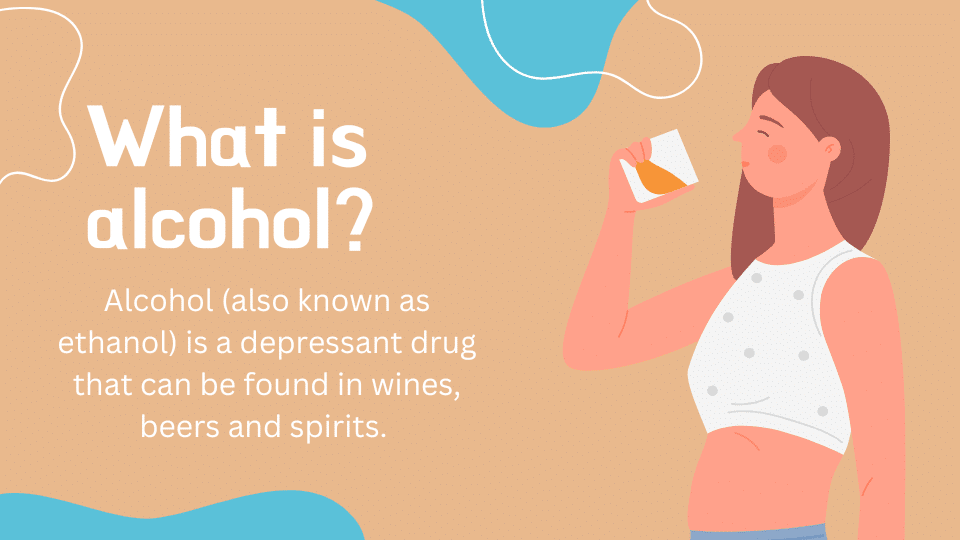
Alcohol addiction affects women differently than men. Biological factors, hormonal changes, family responsibilities, and higher rates of trauma all shape how women experience substance abuse and recovery. Research shows that women often progress from first use to addiction more quickly, experience stronger cravings, and face greater health risks from alcohol compared to men. For these reasons, specialized alcohol rehab for women is essential.
At Sun County Wellness, we provide evidence-based care designed specifically for the female patient. Every program addresses the link between addiction, mental health, and past experiences of abuse, violence, or stress. Women deserve a safe and supportive treatment center where they can heal not only from alcohol use but also from the emotional wounds that often accompany it.

Understanding Women and Alcohol Addiction
Alcohol use disorder is classified as a disease that impacts the mind, body, and overall health. For women, the consequences are particularly severe:
- Women develop alcohol-related liver damage more quickly than men.
- Drinking raises the risk of breast cancer, heart disease, and osteoporosis.
- Alcohol worsens anxiety, depression, and other mental health conditions.
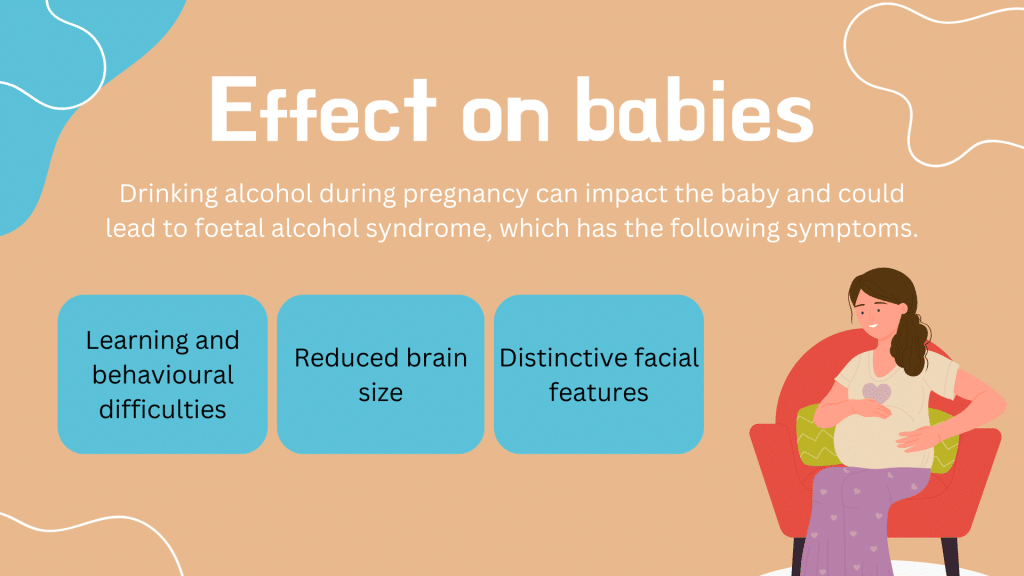
- Pregnancy increases the risk of fetal alcohol spectrum disorders.
Unlike many general rehab programs, gender-specific care ensures women are not overlooked in treatment planning. At our center, we recognize how trauma, family roles, and social expectations influence female drinking patterns. We go beyond basic detox and therapy, helping women build long-term sobriety and resilience.
Dual Diagnosis and Women in Alcohol Rehab
Up to 65% of women in addiction treatment live with a dual diagnosis—a combination of substance abuse and a psychiatric condition like depression, bipolar disorder, or PTSD. Without integrated care, these women face a higher risk of relapse.
Our clinical team specializes in psychiatry and integrated therapy models. We address both conditions at once rather than treating one while ignoring the other. This approach includes:
- Evidence-based dialectical behavior therapy (DBT) to regulate emotions and reduce harmful behavior.
- Cognitive-behavioral interventions that teach healthier coping strategies.
- Medication management under the supervision of licensed professionals.
- Peer support groups where women with shared experiences can build community.
Unlike many large networks such as American Addiction Centers, our model emphasizes small-group programming with individualized attention. Every patient is supported through both evidence-based interventions and holistic methods that promote whole-person healing.
Inpatient vs. Outpatient Programs for Women
Choosing between an inpatient or outpatient program depends on a woman’s history of substance abuse issues, family responsibilities, and mental health status.
- Inpatient treatment programs provide a structured, 24-hour environment where women can focus entirely on recovery. This is ideal for patients with severe addiction, co-occurring disorders, or repeated relapses.
- Outpatient programs allow women to live at home while attending daily or weekly therapy sessions. This option works well for women balancing childcare, work, or school while still needing intensive support.
Both levels of care include:
- Individual and group therapy sessions.
- Education on how alcohol affects the mind and body.
- Relapse prevention planning.
- Access to peer support networks.
At Sun County Wellness, we guide each patient in selecting the right program for her needs.
The Role of Trauma in Women’s Alcohol Addiction
Studies show that women with a history of violence, sexual abuse, or unresolved trauma are significantly more likely to struggle with substance abuse. For many women, alcohol becomes a coping tool to numb painful memories or manage overwhelming stress.
Ignoring trauma during treatment leaves women vulnerable to relapse. That’s why our treatment programs integrate trauma-informed care at every stage. This includes:
- Safe, women-only groups where participants feel protected from judgment.
- Therapies that help women process stress and reframe negative beliefs.
- Mind-body practices that rebuild trust between the mind and body.
- Support for women impacted by domestic violence or childhood abuse.
True recovery requires more than just removing alcohol—it requires addressing the root causes that drive alcohol use in the first place.
Alcohol Rehab and Pregnancy
Pregnancy introduces unique challenges in alcohol rehab for women. Drinking while pregnant can lead to fetal alcohol spectrum disorders, premature birth, and long-term developmental problems for the child. At the same time, many expectant mothers turn to alcohol as a way to manage overwhelming stress, unresolved trauma, or symptoms of untreated mental health conditions.
Our treatment center does not provide direct medical care for pregnancy, but we work closely with outside providers to ensure safety and coordination. Women who are pregnant and need inpatient or outpatient programs benefit from:
- Medical referrals for prenatal monitoring.
- Integrated therapy to address both substance abuse and pregnancy-related anxiety.
- Family education programs that prepare loved ones to support recovery.
Recognizing that pregnancy can be both a motivating factor for change and a source of added fear, our programs help women approach recovery with courage and confidence.
Alcohol and Other Substances
For many women, alcohol addiction does not occur in isolation. It often coexists with other forms of substance abuse, such as:
- Opioid misuse, including prescription painkillers and heroin.
- Methamphetamine use, which may start as a stimulant to manage weight or energy levels.
- Misuse of prescription medications like benzodiazepines for anxiety.
Polysubstance use increases the risk of medical complications, overdose, and relapse. Women who struggle with alcohol plus another substance require carefully coordinated treatment programs that address both addictions simultaneously.
Our clinicians are trained to manage withdrawal from multiple substances safely. We use evidence-based strategies and medication-assisted treatment when appropriate, combined with dialectical behavior therapy, trauma therapy, and peer support groups.
Relapse Prevention and Long-Term Sobriety
Relapse is not a failure—it is a common part of the recovery journey. However, the risk of relapse can be significantly reduced with the right supports. Women often relapse when faced with triggers such as:
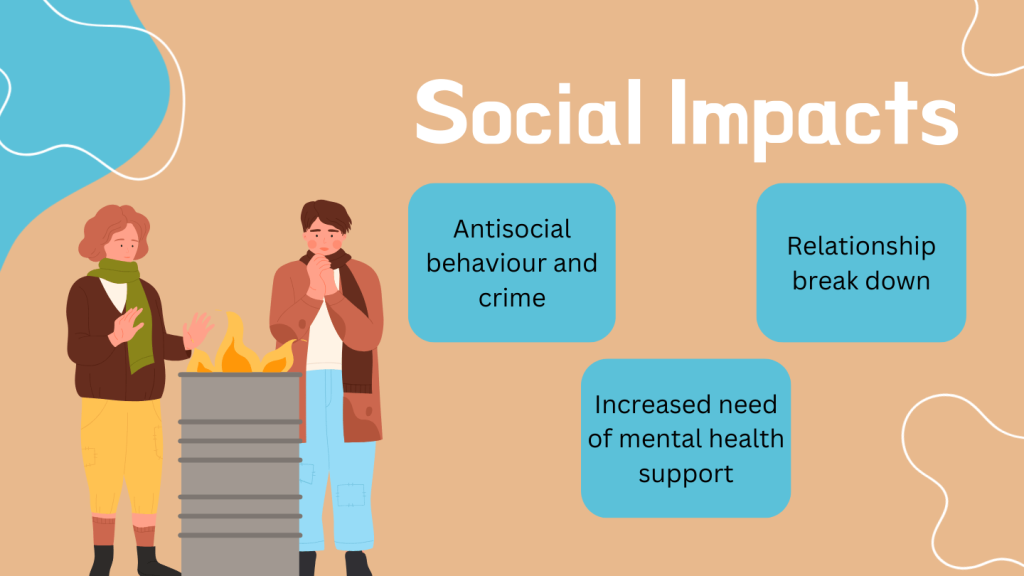
- Relationship conflict or domestic violence.
- Unmanaged stress from work or family roles.
- Symptoms of untreated mental health conditions.
- Social pressure to drink in family or community settings.
To protect long-term sobriety, our treatment programs emphasize:
- Skills-based therapy that teaches healthier coping methods.
- Continued outpatient program participation after inpatient care.
- Connection to alumni groups for lasting peer support.
- Relapse prevention planning customized for each patient.
By strengthening resilience, women can maintain recovery even when life feels overwhelming.
The Role of Insurance and Access to Care
One of the biggest barriers women face when seeking alcohol rehab is the question of insurance and affordability. Many women delay treatment because they worry about cost, childcare, or losing their job.
At Sun County Wellness, we accept most major insurance plans and provide financial guidance so no patient has to choose between health and stability. Our admissions team explains coverage clearly and helps families understand which programs are included under their benefits.
Because access to treatment programs is essential for breaking cycles of substance abuse, we also connect women to community resources and social services.
Peer Support and Women’s Recovery
Healing from alcohol addiction requires more than medical care—it requires community. Women thrive in recovery when they can share openly with peers who understand their struggles.
Our peer support groups create safe spaces for women to:
- Build friendships rooted in honesty and accountability.
- Learn new coping skills from others who have faced similar substance abuse issues.
- Celebrate milestones in sobriety and recovery.
- Gain confidence by supporting others in their journey.
Unlike mixed-gender groups, women’s-only settings reduce the risk of retraumatization and foster openness around sensitive topics such as motherhood, body image, and trauma.
Whole-Person Healing
Alcohol rehab must address more than just drinking. Our programs focus on whole-person healing, connecting the mind, body, and spirit. Women learn how to restore balance in every area of life through:
- Nutrition and exercise programs that support physical health.
- Mindfulness practices that calm anxiety and reduce cravings.
- Art and movement therapies that allow for self-expression and emotional release.
- Stress management training that prevents burnout.
By approaching recovery as a lifelong journey, women discover that alcohol rehab is not just about abstinence—it’s about building a fulfilling, meaningful life.
How Sun County Wellness Stands Apart
While organizations like American Addiction Centers provide nationwide services, our strength lies in our focus on women in Orange County. We believe that smaller, more specialized treatment programs give women the attention and safety they need to succeed.
What sets us apart:
- Women-only programs that reduce distractions and promote safety.
- Integrated psychiatry and therapy for those with a dual diagnosis.
- A trauma-informed environment for survivors of abuse and violence.
- Flexible levels of care, including inpatient and outpatient programs.
- Ongoing peer support long after formal rehab ends.
Meet Our Clinical Team
At Sun County Wellness, women receive care from a team of licensed professionals who specialize in mental health, addiction, and trauma-informed recovery. Each program is guided by staff with deep experience in treating substance abuse issues in women.
- Charee Marquez-Crisci, LMFT – Clinical Director A licensed marriage and family therapist who has worked extensively with women facing dual diagnosis conditions, including alcohol use disorder and depression. She oversees the integration of dialectical behavior therapy and family systems approaches into every treatment program.
- Danelle Baie – Program Director Ensures all inpatient and outpatient programs are structured with evidence-based models. Her oversight ensures women have access to individualized care plans and relapse prevention strategies.
- Licensed Therapists Our team includes multiple therapists (such as Christina Rendon, Ingrid Johnson, and Shanice Williams) who provide one-on-one therapy, trauma-focused interventions, and peer support facilitation.
- Case Managers and Behavioral Health Staff Professionals like Ashley Christie help every patient navigate insurance, referrals, and aftercare planning, while behavioral health technicians provide around-the-clock support.
- Spiritual Care For women seeking holistic healing, Rev. Arlene Hylton provides faith-based counseling and emotional guidance, aligning with the whole-person healing philosophy at our center.
With licensed clinicians, trained therapists, and dedicated case managers, Sun County Wellness ensures every woman receives safe, professional, and supportive care on her journey to sobriety.

Stephanie Deutsch
Executive Director & Co Founder

Charee Marquez-Crisci, LMFT
Clinical Director (#100506)

Jen Ramsden
Chief Marketing Officer
Why Women’s Alcohol Rehab Matters: Recent Data
Alcohol misuse is rising among women, and the health consequences are severe. Current research underscores the urgency of specialized treatment programs:
- Higher health risks at lower levels of drinking Women who drink more than 8 drinks per week face a 33–51% higher risk of developing coronary heart disease. Binge drinking (3+ drinks in a day) increases this risk by nearly 70% (Kaiser Permanente, 2025).
- Binge drinking patterns About 13% of women report binge drinking (4 or more drinks in about 2 hours), averaging four episodes per month (CDC, 2024).
- Dual diagnosis prevalence Roughly 65% of women in alcohol rehab also live with a co-occurring mental health disorder such as anxiety, depression, or PTSD (SAMHSA). This highlights the importance of integrated psychiatry and dual diagnosis care.
- Pregnancy concerns Despite known risks, around 1 in 9 pregnant women reported alcohol use in the past 30 days, with some engaging in binge drinking (NIAAA, 2023). This raises urgent concerns for maternal and infant health.
- Mortality impact Excessive alcohol use contributes to 178,000 deaths per year in the U.S., with women increasingly represented in alcohol-related disease and mortality data (CDC, 2024).
These findings confirm that women need specialized rehab that goes beyond detox. By combining trauma care, dialectical behavior therapy, peer support, and integrated treatment, Sun County Wellness helps women reduce relapse risk and rebuild long-term recovery.
Taking the First Step Toward Recovery
If you or a loved one is struggling with alcohol addiction, know that recovery is possible. The decision to enter rehab can feel overwhelming, but with the right treatment center, women can find safety, strength, and hope.
At Sun County Wellness, every patient receives personalized care that respects her story and builds her future. We address the medical realities of alcohol as a disease, the emotional impact of trauma, and the daily challenges of building new behavior patterns.
No woman should face alcohol substance abuse alone. With the right program, she can rebuild her health, repair relationships, and create a future grounded in sobriety and resilience.
FAQs
A typical day in alcohol rehab for women follows a structured routine that balances therapy, healing, and rest. Mornings often start with healthy meals and group therapy sessions, where women build skills for coping with stress and cravings. Afternoons may include individual therapy, dialectical behavior therapy, trauma-focused sessions, or holistic practices like mindfulness and exercise. Evenings often close with peer support groups that provide encouragement and accountability. The structure helps each patient rebuild healthy habits and focus fully on recovery.
The “4 C’s” are often used to describe the defining features of alcohol addiction:
Craving – a strong desire or urge to drink.
Compulsion – feeling driven to use alcohol despite consequences.
Control – losing the ability to limit drinking once it begins.
Consequences – continuing to drink even when it causes harm to health, relationships, or responsibilities.
These 4 C’s highlight why alcohol rehab and structured treatment programs are necessary to help women regain control, rebuild sobriety, and protect their long-term health
Yes. With the right treatment center and ongoing support, women absolutely can recover from alcoholism. Many women enter rehab feeling isolated, but with therapy, psychiatry support for dual diagnosis, and trauma-informed care, lasting sobriety is possible. Recovery isn’t just about stopping alcohol use — it’s about healing the mind, body, and spirit, learning new coping skills, and creating a healthier future. Women who complete inpatient or outpatient programs and stay connected to peer support have high success rates in long-term recovery.
The average stay in alcohol rehab can range from 30 to 90 days, depending on the severity of the addiction and the woman’s personal needs. Many women begin with a 30-day inpatient program to stabilize, then transition into outpatient programs for continued care. Longer stays often lead to better outcomes, as they allow time for deep trauma work, relapse prevention planning, and integration of healthier behavior patterns. At Sun County Wellness, each patient receives a customized timeline based on her progress, insurance coverage, and long-term recovery goals.