

Clinically Reviewed By Brittany Astrom - LMFT
Brittany has 15 years of experience in the Mental Health and Substance Abuse field. Brittany has been licensed for almost 8 years and has worked in various settings throughout her career, including inpatient psychiatric treatment, outpatient, residential treatment center, PHP and IOP settings.
Navigating Addiction and Marriage: A Path to Recovery
Marriage can become unstable when addiction enters the home. For many women, being married to someone struggling with drug or alcohol use means living in stress, fear, and emotional detachment. At Sun County Wellness, we help women understand addiction and support their health, safety, and recovery.
Understanding Addiction
Addiction is a disease that affects the brain, behavior, and emotional balance. It changes mood, desire, and judgment. Substance abuse—including alcohol, methamphetamine, opioids, and even pornography addiction—can cause physical damage and emotional neglect. Over time, the habit becomes stronger than reasoning, motivation, or love.
Addiction and marriage often conflict. What begins as a behavior or coping method can become a serious health issue, requiring medical attention, therapy, and structured support.
The Effects of Addiction on Individuals and Relationships
Addiction harms both the patient and their spouse. The addicted individual may struggle with depression, anger, sadness, and denial. The partner often experiences resentment, guilt, shame, and emotional neglect.
In marriage, substance abuse can lead to:
- Loss of trust
- Domestic violence or emotional abuse
- Codependency and fear
- Financial problems and money disputes
- Legal concerns, including driving under the influence or custody risks
- Increased stress and loss of sleep
- Sexual issues, including low libido or pornography use
These effects can harm a parent-child bond and damage mental and physical health.
Common Signs and Symptoms of Addiction
If you’re unsure whether your spouse has a substance abuse problem, watch for these signs:
- Sudden changes in mood or behavior
- Drinking in secret or hiding drugs
- Lying, blaming, or avoiding responsibility
- Health decline or poor sleep
- Missed work or loss of income
- Increased anger, sadness, or emotional distance
- Legal problems or reckless driving
Addiction takes many forms, including gambling and alcohol abuse. Some signs may appear slowly, while others may involve immediate risk.
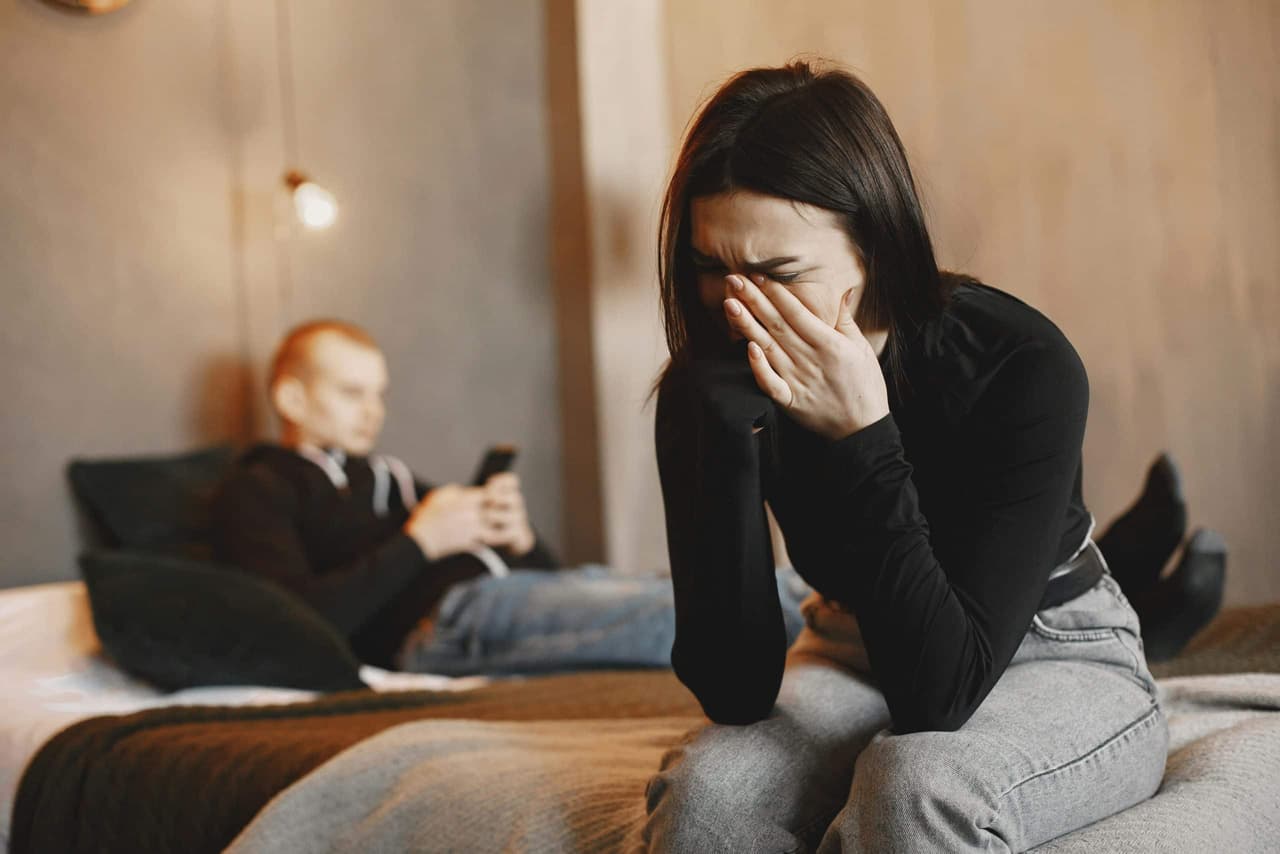
The Impact of Drug or Alcohol Addiction on a Marriage
The dilemma of the alcoholic marriage often centers on trust, safety, and emotional survival. Addiction can push couples into silence or conflict. Many women feel stuck between love and fear, especially when children are involved.
Health declines, resentment grows, and emotional abuse may escalate to physical violence. In some cases, involvement from the national domestic violence hotline or local support groups becomes necessary.
How Can I Support My Partner Without Enabling?
Supporting your spouse does not mean accepting harmful behavior. It means choosing health and education over codependency. Enabling looks like:
- Making excuses for drinking or drug use
- Paying bills, fines, or alimony to avoid conflict
- Staying silent to avoid anger
- Ignoring or covering up substance use
- Believing lies or broken promises
Instead, set boundaries. Have open conversation. Suggest an outpatient program or rehab. Attend Smart Recovery family meetings or seek couples therapy.
Partners and Spouses: Ask Yourself…
- Do I feel afraid in my own home?
- Am I responsible for managing my spouse’s addiction or emotions?
- Have I stopped caring for my health or mental well-being?
- Have I avoided interventions due to fear or guilt?
- Am I in denial about the damage this behavior is causing?
These questions can help reveal patterns of codependency, abuse, or emotional harm.
Can I Force My Spouse Into Rehab?
In California, adults cannot be forced into treatment unless a physician or court declares them a danger. While you may feel desperate, you cannot force sobriety or control relapse.
Instead, plan an intervention. This can include a professional therapist, a physician, or a community support member. Keep the conversation focused on health, fear, and desire for change—not shame or guilt.

Other Treatment Options
Your spouse may not agree to inpatient rehab right away. There are other accessible programs such as:
- Outpatient program: Flexible therapy and support while living at home
- Partial hospitalization: Full-day care with return to a sober living house at night
- Medication: Treatment for opioid use disorder or alcohol cravings
- Therapy: Individual, couples therapy, or group support
- Smart Recovery: A non-12-step approach based on science, education, and motivation
Each option provides tools to build knowledge, practice coping skills, and prevent relapse.
Getting Help for Your Spouse
Start with a direct, respectful conversation. Choose a calm time when your spouse is sober. Focus on feelings and facts, not blame. For example:
- “I’m scared for your health and our future.”
- “The drinking is hurting our marriage.”
- “I want to help, but I need you to accept support.”
If safety is a concern, contact the national domestic violence hotline or a licensed therapist. Do not stay silent in the face of abuse or emotional harm.
How Can I Stop My Spouse’s Substance Abuse?
You cannot stop the addiction. You can stop enabling. You can protect your health, seek therapy, and make clear decisions for your safety.
Stop trying to prove your love through suffering. Set boundaries. Ask for help. Connect with a treatment center. Prioritize your health and your children’s well-being.
Inpatient Rehab
Inpatient rehab offers structured care in a safe space. It includes medical detox, therapy, medication management, and relapse prevention. This level of care is ideal for severe addiction or when there is a history of emotional abuse, violence, or repeated relapse.
Sun County Wellness offers inpatient support for women affected by addiction and marriage struggles. We provide emotional safety, therapy, and education in a secure setting.
Outpatient Treatment Options
Outpatient programs work well for individuals who need flexibility or ongoing care after rehab. These programs may include:
- Weekly therapy sessions
- Medication support
- Group counseling
- Lifestyle coaching (sleep, exercise, communication)
- Continued dialogue and progress tracking
Outpatient care helps build long-term sobriety without removing the patient from their home. This option supports both the spouse and the family in recovery.
If addiction is affecting your marriage, you do not have to face it alone. Contact Sun County Wellness to explore safe, supportive treatment options. We offer therapy, education, and a compassionate path forward for women affected by addiction and relationship stress.
FAQs About Addiction and Marriage
1. How does addiction affect a marriage emotionally and financially? Addiction often leads to emotional detachment, anger, and loss of trust between partners. The non-using spouse may feel resentment, fear, or guilt while trying to maintain stability. Financial problems can grow due to job loss, gambling, medical bills, or legal issues such as driving under the influence. In some cases, addiction can also lead to disputes over money, alimony, or child custody. These issues increase stress and often make the home feel unsafe or unstable.
2. What should I do if my spouse refuses to seek treatment? If your spouse denies the problem or refuses help, avoid arguments or ultimatums during moments of anger. Plan a calm conversation focused on facts and feelings. Consider involving a licensed therapist, intervention specialist, or a treatment center. While you cannot force someone into rehab unless legally permitted, you can set boundaries and protect your health. Exploring support groups like Smart Recovery for family members may also help you stay informed and empowered.
3. Can couples therapy help if one partner is struggling with addiction? Couples therapy may be helpful, but only if the partner with the addiction is committed to sobriety or actively receiving treatment. Without accountability, therapy may become a cycle of repeated harm, denial, or emotional neglect. If there is domestic violence or ongoing substance abuse, individual therapy for the non-using spouse is often safer and more effective. Therapy can teach coping skills, improve communication, and help rebuild emotional safety after treatment has begun.
4. Is addiction considered a valid reason for separation or divorce? Yes. Addiction can lead to emotional abuse, neglect, financial instability, and unsafe conditions. If your spouse’s substance use threatens your well-being or that of your children, separation may be necessary. Every situation is different, but many women choose divorce or legal separation after years of repeated relapse, violence, or emotional damage. Seeking guidance from a therapist, physician, or domestic violence advocate can help you make informed decisions that protect your health and future.

Seeking Treatment? We Can Help
At Sun County Wellness, as an in-network provider we work with most insurance plans, such as:
If you or a loved one are struggling with mental health challenges or substance abuse, reach out to Sun County Wellness today. Our team of compassionate professionals is here to support your journey towards lasting well-being. Give us a call at 949-993-1149
Visit SAMHSA or contact us today for more inforamtion.