

Clinically Reviewed By Brittany Astrom - LMFT
Brittany has 15 years of experience in the Mental Health and Substance Abuse field. Brittany has been licensed for almost 8 years and has worked in various settings throughout her career, including inpatient psychiatric treatment, outpatient, residential treatment center, PHP and IOP settings.
Best Mental Health Books for Women: Top Self-Help and Recovery Guides for Emotional Well-Being
Discovering the best mental health books for women can transform feelings of overwhelm into actionable steps toward emotional resilience. Women seeking guidance often face a flood of titles that promise relief but lack tailored strategies, leaving them uncertain which resources truly deliver. This article maps proven self-help classics, addiction recovery companions, mindfulness and emotional-wellness guides, integrative therapy complements, stress-management manuals, emerging trends, and trusted review hubs—each selected for its capacity to empower women 18+ on their healing journey. By weaving together expert recommendations and insights into supportive treatment options, you’ll find clarity on which books align with your path and how Sun County Wellness’s specialized programs can reinforce your progress.
What Are the Best Self-Help Books for Women’s Mental Health?
Self-help books for women’s mental health provide structured strategies and personal narratives that empower emotional resilience and coping skills. By blending cognitive techniques with relatable stories, these guides improve self-awareness and stress management, fostering a sense of agency and well-being from page one.
This citation aligns with the article’s discussion of books that utilize CBT principles to help women manage anxiety and depression by reframing negative thoughts.
Readers gain actionable frameworks for daily balance and long-term growth.
Below is a comparative overview of top self-help books prioritized by search volume and reader impact:
Title
Focus
Key Benefit
The Gifts of Imperfection by Brené Brown
Self-compassion
Cultivates authenticity and worthiness
You Are a Badass by Jen Sincero
Personal empowerment
Boosts confidence through practical pep
Feeling Good by David D. Burns
Cognitive restructuring
Reduces negative thoughts via CBT
Radical Acceptance by Tara Brach
Mindfulness & acceptance
Enhances emotional regulation
The Confidence Code by Katty Kay & Claire Shipman
Confidence-building
Provides science-backed confidence tips
These selections illustrate core themes—compassion, empowerment, cognition, and mindfulness—that anchor each guide’s approach to women’s mental health.
This research supports the article’s emphasis on self-compassion as a core theme in mental health books for women, highlighting its role in cultivating authenticity and worthiness.
Which books empower women to manage anxiety and stress?
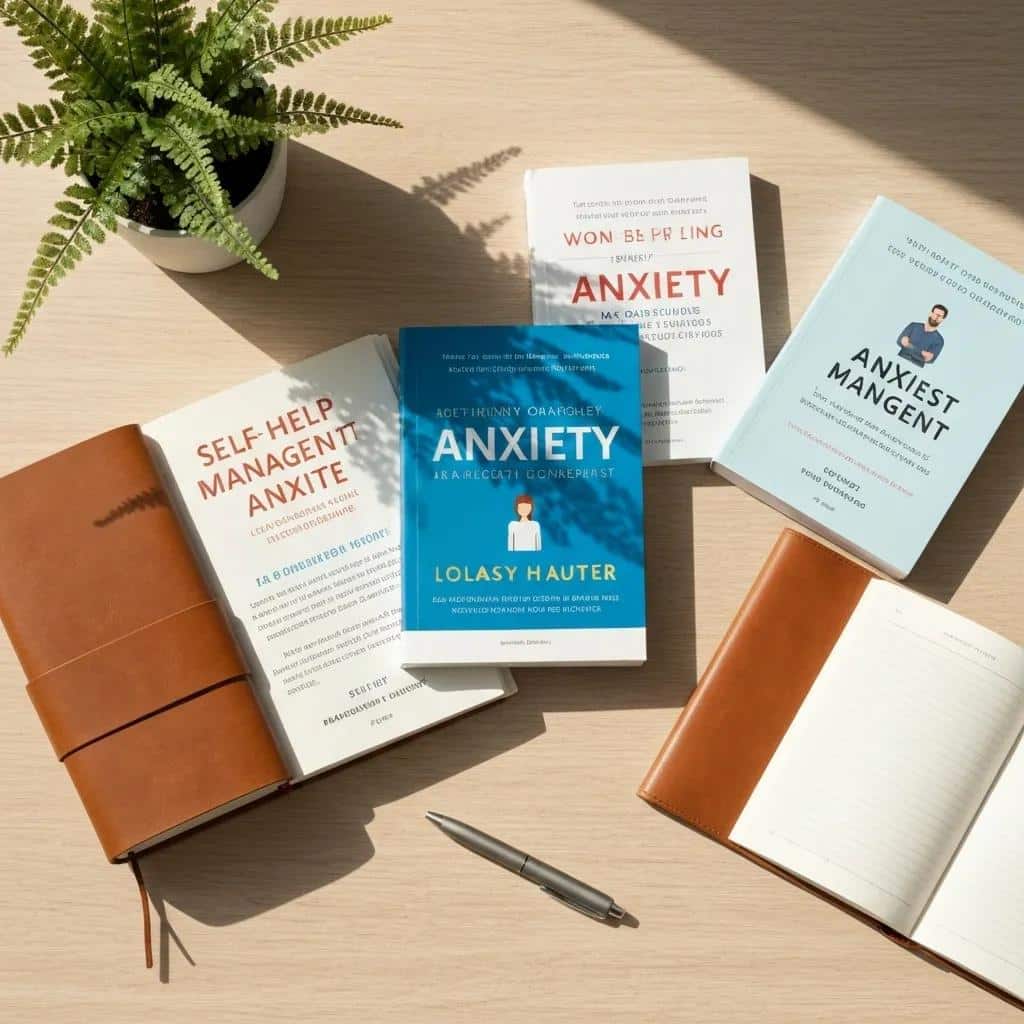
Titles that blend evidence-based techniques with personal narratives help women reframe anxious thoughts and build stress resilience.
- 1“The Anxiety and Phobia Workbook” by Edmund J. Bourne offers step-by-step exercises rooted in behavioral therapy to interrupt anxiety cycles.
- 2“First, We Make the Beast Beautiful” by Sarah Wilson personalizes stress management with a blend of memoir and practical techniques for coexistence with anxiety.
- 3“Hope and Help for Your Nerves” by Claire Weekes teaches acceptance and gradual exposure to reduce panic and tension.
Each workbook and narrative reinforces that anxiety management is a practice, preparing the reader to leverage deeper emotional-health tools next.
What are the top books addressing women’s depression and emotional challenges?
Depression-focused books combine professional insight with empathetic stories to illuminate pathways out of darkness.
- “Lost Connections” by Johann Hari explores societal factors and reconnective practices that alleviate depressive symptoms.
- “Depression and Other Magic Tricks” by Sabrina Benaim blends poetry and reflection to validate emotional struggles.
- “The Noonday Demon” by Andrew Solomon offers comprehensive analysis of depression’s clinical and cultural dimensions.
These works underscore that understanding root causes and self-compassion strategies form the groundwork for true emotional recovery.
How do self-care books support women’s mental wellness?
Self-care books articulate routines and rituals to replenish energy, improve mood, and sustain mental health.
- “The Self-Care Prescription” by Robyn L. Gobin outlines daily rituals tailored to women’s biological rhythms.
- “Good Morning, I Love You” by Shauna Shapiro integrates mindfulness practices into morning routines for sustained calm.
- “Self-Compassion” by Kristin Neff provides exercises to replace self-criticism with kindness.
By weaving self-care into everyday life, these manuals create practical habits that support emotional well-being and set the stage for deeper healing.
How Can Books Support Addiction Recovery and Therapy for Women?
Addiction recovery and therapy-focused books deliver education on craving mechanisms, relapse prevention strategies, and healing narratives that resonate with women’s experiences. By pairing clinical insight with lived stories, these guides reinforce the tools used in treatment programs and foster a sense of community during each recovery milestone.
What are the best addiction recovery books tailored for women?
Books designed specifically for women address gender-related factors in substance use and recovery journeys.
- 1“Clean and Sober” by Michelle Townsend explores trauma and empowerment in female recovery narratives.
- 2“Women Who Run with the Wolves” by Clarissa Pinkola Estés uses myth and folklore to inspire emotional liberation beyond addiction.
- 3“The Recovering” by Leslie Jamison blends memoir and cultural commentary on sobriety in a female context.
Each title validates women’s unique pathways to freedom, reinforcing that recovery is multidimensional and deeply personal.
Which books complement professional therapy and treatment programs?
- “Mindfulness-Based Relapse Prevention” by Sarah Bowen provides guided meditations and reflective exercises for ongoing recovery support.
- “The Body Keeps the Score” by Bessel van der Kolk integrates trauma research with somatic approaches beneficial in group therapy and one-on-one sessions.
- “Alcoholics Anonymous” (“The Big Book”) remains a foundational guide used in many gender-specific support meetings.
By extending in-session work to home practice, these resources enhance the efficacy of structured treatment.
How do holistic and trauma-informed books aid women’s healing?
- “Healing Trauma” by Peter A. Levine explains somatic experiencing techniques that empower women to reclaim bodily safety.
- “The Deepest Well” by Nadine Burke Harris highlights the impact of adverse experiences and holistic interventions that support long-term wellness.
- “Waking the Tiger” by Peter A. Levine offers practical exercises to discharge trauma energy and restore equilibrium.
Integrating these holistic perspectives fosters resilience by acknowledging trauma’s lasting impact on brain and body systems.
What Are the Most Recommended Books on Mindfulness and Emotional Well-Being for Women?
Mindfulness and emotional-well-being books teach women to anchor attention in the present, reduce reactivity, and cultivate inner stability. By combining guided practices with relatable examples, these titles guide readers toward sustained calm and reflective insight.
Which mindfulness books help women reduce anxiety and improve focus?
Practices in these books sharpen concentration and ease tension:
- 1“Wherever You Go, There You Are” by Jon Kabat-Zinn introduces foundational mindfulness practices for everyday life.
- 2“Radical Acceptance” by Tara Brach uses guided meditations to transform self-judgment into self-compassion.
- 3“Search Inside Yourself” by Chade-Mohamed Tan provides neuroscience-backed exercises to boost focus and emotional balance.
Learning to anchor awareness in the body and breath builds a stable platform for any additional therapeutic work.
This research supports the article’s focus on mindfulness and emotional well-being, emphasizing the benefits of mindfulness practices in reducing reactivity and cultivating inner stability.
What books teach emotional regulation and boundary-setting for women?
- “Boundaries” by Dr. Henry Cloud and Dr. John Townsend offers actionable steps to define and maintain healthy limits.
- “Emotional Agility” by Susan David presents strategies to navigate internal experiences with flexibility and purpose.
- “Set Boundaries, Find Peace” by Nedra Glover Tawwab teaches relational clarity to reduce burnout and enhance self-respect.
These resources equip women to honor their own needs and preserve mental energy for sustainable well-being.
How do female authors uniquely address women’s mental health topics?
Women writers often embed empathy, shared cultural experiences, and gender-specific challenges into therapeutic frameworks. By sharing personal narratives and clinical insights, authors like Brené Brown, Tara Brach, and Brené May offer nuanced perspectives on shame resilience, self-worth, and community healing. Their voices validate women’s struggles and model vulnerability as a strength, anchoring emotional-well-being teachings in authentic female experiences.
How Do Mental Health Books Complement Women-Focused Treatment Programs?
Educational resources play a vital role in reinforcing therapy concepts and promoting self-directed growth alongside clinical care. By translating complex theories into accessible narratives and exercises, books become daily anchors for women enrolled in specialized treatment offerings.
Why are educational resources important in women’s mental health recovery?
Educational books extend learning beyond sessions, allowing women to revisit coping strategies, track progress, and cultivate self-efficacy. They break down therapeutic models—like cognitive-behavioral techniques, trauma-informed care, and mindfulness—into digestible steps that support sustained recovery. This ongoing engagement strengthens neural pathways formed during in-program work and fosters a proactive mindset toward mental wellness.
How can women integrate book learnings into clinical and holistic care?
Women can journal reflections after reading, share insights in group therapy, and practice book-based exercises—such as mindfulness meditations or boundary-setting worksheets—between appointments. Incorporating guided activities into daily routines cements habit formation and personal ownership of recovery. Regular check-ins with therapists ensure these practices align with individual treatment goals and adjust as needed.
What resources does Sun County Wellness provide alongside recommended books?
Sun County Wellness offers women-only residential and outpatient programs that combine expert-led therapy sessions with curated educational materials. Their holistic approach includes access to a digital library of mental health and addiction recovery books, group discussions led by clinical staff, and personalized reading plans tied to each woman’s treatment milestones. For more information on admissions and insurance verification, visit Sun County Wellness’s website.
Which Books Offer Practical Strategies for Women’s Stress Management and Self-Care?
Stress-management and self-care books outline routines that restore balance, reduce cortisol spikes, and prevent burnout. By presenting step-by-step practices, these titles guide women through sustainable wellness habits.
What are effective self-care routines found in top mental health books?
- Morning Mindfulness – Short daily meditations to set a calm tone.
- Gratitude Journaling – Writing three positive events each night to shift focus.
- Tech-Free Breaks – Scheduled intervals without digital distractions to recharge.
These practices solidify physiological and psychological rest, making stress easier to manage.
How do books guide women in setting healthy boundaries and managing stress?
Stress management manuals teach women to recognize personal limits and communicate needs with clarity. Step-by-step worksheets outline how to say “no” without guilt, negotiate workload, and delegate tasks. Such frameworks reduce overwhelm by ensuring emotional resources remain protected.
Which books provide actionable advice for daily mental wellness?
Action-oriented titles like “Atomic Habits” by James Clear adapt habit-formation science for mental health, while “Emotional First Aid” by Guy Winch offers quick, 10-minute strategies to soothe emotional wounds. These books deliver concise exercises—from reframing negative beliefs to progressive muscle relaxation—that women can apply immediately when stress arises.
What Are the Latest Trends in Women’s Mental Health Books?
Emerging titles explore intersectional perspectives, trauma-informed care, and multimedia integration to address evolving needs in women’s mental health. By tracking these trends, readers stay ahead of cutting-edge practices and cultural shifts shaping emotional-wellness literature.
How are books addressing intersectional mental health issues for women?
New releases emphasize the interplay of race, gender identity, socioeconomic status, and cultural context on mental health. Authors like Dr. Thema Bryant-Davis and Resmaa Menakem spotlight how systemic oppression and historical trauma impact women’s inner lives, offering culturally sensitive healing frameworks.
What new titles focus on trauma-informed care and recovery?
Recent publications, such as “Trauma Stewardship” by Laura van Dernoot Lipsky and “It Didn’t Start with You” by Mark Wolynn, delve into intergenerational trauma and collective healing. They combine neuroscience, personal narrative, and somatic approaches to guide women through deep trauma processing.
How do digital and multimedia resources complement traditional books?
Interactive workbooks, companion apps, and virtual workshops now accompany print guides, enabling women to track habits, access guided meditations, and join online support communities. This fusion of formats enhances accountability and bridges the gap between reading and real-world practice.
Where Can Women Find Trusted Reviews and Resources for Mental Health Books?
Selecting the right guide hinges on reliable reviews, expert recommendations, and curated collections tailored to women’s needs. Knowing where to look streamlines decision-making and ensures investment in high-impact resources.
What criteria should women use to choose the best mental health books?
Women should evaluate books based on author credentials, evidence-based techniques, reader testimonials, and cultural relevance. Prioritizing titles with endorsements from mental health professionals and endorsements in women-focused support groups ensures alignment with individual recovery goals.
How do expert reviews and testimonials influence book recommendations?
Clinicians and peer-support networks offer practical insights into which books yield real-world improvements. Reviews highlighting transformative experiences and measurable outcomes—such as reduced anxiety scores or improved coping—help readers identify resources with proven efficacy.
Which online platforms and libraries offer curated collections for women?
Platforms like Goodreads and specialized mental health blogs feature user-generated lists and reviews tailored by women’s age group, diagnosis, and recovery stage. University and public library digital collections often maintain themed e-book bundles on women’s mental health, while non-profit organizations curate free downloadable guides for community access.
Healing through the written word empowers women to take charge of their emotional well-being with clarity and confidence. By pairing these recommended books with supportive care—whether self-directed or within a program like Sun County Wellness’s—you can build lasting resilience, navigate life’s challenges, and embrace a future defined by growth and self-compassion.
Frequently Asked Questions
What are the benefits of reading mental health books for women?
Reading mental health books specifically tailored for women can provide numerous benefits, including enhanced self-awareness, improved coping strategies, and a deeper understanding of emotional challenges. These books often combine personal narratives with evidence-based techniques, making complex concepts more relatable. They empower women to navigate their mental health journeys by offering practical tools and insights that can lead to greater emotional resilience and well-being.
How can I choose the right mental health book for my needs?
To select the right mental health book, consider your specific challenges and goals. Look for titles that address your concerns, such as anxiety, depression, or self-care. Evaluate the author’s credentials and the book’s approach—whether it’s evidence-based, narrative-driven, or a mix of both. Reading reviews and recommendations from trusted sources can also guide you in finding a book that resonates with your personal experiences and needs.
Are there any mental health books that focus on intersectionality?
Yes, several mental health books address intersectionality, exploring how factors like race, gender identity, and socioeconomic status impact mental health. Authors such as Dr. Thema Bryant-Davis and Resmaa Menakem highlight the unique challenges faced by women from diverse backgrounds. These books provide culturally sensitive frameworks for healing, emphasizing the importance of understanding systemic issues in mental health discussions.
How can I integrate the lessons from mental health books into my daily life?
Integrating lessons from mental health books into daily life can be achieved through practical application. Start by journaling your reflections on key concepts and exercises from the books. Set aside time for daily practices, such as mindfulness or self-compassion exercises. Sharing insights with a therapist or support group can also reinforce learning and accountability, helping you to make these strategies a regular part of your routine.
What role do online resources play in supporting mental health reading?
Online resources significantly enhance the experience of reading mental health books by providing additional support and community engagement. Websites, forums, and social media groups allow readers to discuss insights, share experiences, and access supplementary materials like worksheets and guided meditations. Many authors also offer online workshops or companion apps that complement their books, making it easier to implement the strategies learned.
Can mental health books help with addiction recovery?
Absolutely, many mental health books are specifically designed to support addiction recovery. These books often combine personal stories with practical strategies for managing cravings, understanding triggers, and fostering resilience. Titles that focus on women’s experiences in recovery can provide relatable insights and community support, reinforcing the idea that recovery is a personal and multifaceted journey.
What are some emerging trends in mental health literature for women?
Emerging trends in mental health literature for women include a focus on intersectionality, trauma-informed care, and the integration of digital resources. New titles often explore the impact of societal factors on mental health and emphasize holistic approaches to healing. Additionally, multimedia resources, such as interactive workbooks and online support communities, are becoming more common, enhancing the accessibility and effectiveness of mental health education.

Seeking Treatment? We Can Help
At Sun County Wellness, as an in-network provider we work with most insurance plans, such as:
If you or a loved one are struggling with mental health challenges or substance abuse, reach out to Sun County Wellness today. Our team of compassionate professionals is here to support your journey towards lasting well-being. Give us a call at 949-993-1149
Visit SAMHSA or contact us today for more inforamtion.