5 Star Rated Facility | 1000+ Lives Changed

Call Now | 949-828-0960

Women's Trauma Treatment Centers
A safe, women-only sanctuary in Orange County dedicated to healing complex trauma and PTSD.
Is this the right fit?
Who our trauma treatment is for
Sun County Wellness treats trauma in women 18 and older in San Juan Capistrano, in person or virtually. Care is trauma-informed, so you set the pace for what you discuss. After an assessment, most women start in partial hospitalization (PHP) or intensive outpatient (IOP) and step down to outpatient care as symptoms settle.
A good fit if
- Symptoms are getting in the way of work, family, or daily routines, and weekly therapy alone has not been enough.
- You have flashbacks, nightmares, numbness, or hypervigilance after abuse, assault, or other trauma.
- You also use alcohol or drugs to cope. We treat both at the same time.
Start somewhere else if
- You are in immediate danger or thinking about ending your life. Call 911 or 988 now, before anything else.
- You need 24-hour supervision or a residential setting right now.
- You are under 18, or you are looking for a co-ed program. Our programs are for women 18 and older.
What We Treat
Verify Insurance
Need to find out if we take your insurance? Call Us Today for verification.
Women's Trauma Treatment Centers
You don’t have to carry the weight of your past alone. Trauma affects women differently, often weaving into our relationships, self-worth, and daily lives in ways that can feel overwhelming. At Sun County Wellness, we move beyond simple symptom management to treat the root cause of your pain. Healing from trauma requires specialized care that addresses both the emotional and psychological impact of trauma.
Symptoms of PTSD and Trauma Disorders
How People Respond to Traumatic Experiences
People respond differently to traumatic experiences, and what may cause PTSD in one person may not affect another the same way. Factors like individual resilience, the nature of the traumatic event, and the availability of a supportive environment can all influence the risk of developing trauma disorders or anxiety disorders. An increased risk is often noted among individuals who have faced multiple or particularly severe traumatic experiences, such as childhood trauma, unresolved trauma, developmental trauma, or repeated emotional abuse.
Rehabilitation can put an end to mental health
Call and ask the facility directly or call your own provider to determine if your insurance covers the treatment.
The Role of Mental Health Professionals at Women’s Trauma Treatment Centers
Seeking help from a licensed mental health professional is a vital step in the recovery journey. At Sun County Wellness, our clinical team uses evidence-based treatments and diagnostic tools, such as the Diagnostic and Statistical Manual, to accurately diagnose mental health disorders, co-occurring disorders, and substance use disorder when present.
After diagnosis, the clinical team develops personalized treatment plans that include trauma-focused cognitive behavioral therapy, dialectical behavior therapy, integrative trauma therapy, and other evidence-based modalities. Our individualized approach ensures that every client receives compassionate care through a wide array of treatment modalities like art therapy, equine therapy, commitment therapy, and experiential modalities.

Treatment Options for Trauma Disorders
There are several kinds of treatments available for people with posttraumatic stress disorder (PTSD) and other mental disorders related to trauma. Effective treatments often involve a combination of therapies, addressing both emotional reactions and physical aspects of the trauma. Healthcare providers may recommend different approaches based on a person’s mental health history, family history, and the type of trauma experienced.
Cognitive Behavioral Therapy (CBT)
Cognitive behavioral therapy (CBT) is one of the most common first-line treatments for trauma disorders. Trauma-focused therapy, such as trauma-focused CBT, helps individuals confront and process trauma memories while changing negative thoughts that contribute to depressed mood and other emotional responses. Cognitive therapy, a type of therapy within CBT, is used to help reframe and alter the way individuals perceive the trauma-related memories and their daily lives following the event. This approach is particularly beneficial for those who have experienced childhood abuse, intimate partner violence, sexual abuse, or domestic violence.
Exposure Therapy
Exposure therapy, including imaginal exposure and prolonged exposure therapy, is a powerful method to help individuals confront and desensitize themselves to distressing memories associated with traumatic stress disorder (PTSD). It involves safely reliving aspects of the dangerous event in a controlled environment, which can help individuals respond effectively to these memories without the ongoing fear or exaggerated startle response that typically accompanies them. Alterations in arousal, such as angry outbursts or impulsive behaviors, are also addressed through this treatment.
Cognitive Processing Therapy
Cognitive processing therapy (CPT) is another effective form of psychotherapy, focusing on helping individuals understand and modify problematic thoughts related to childhood sexual trauma, long-term domestic violence, and other traumatic experiences. This therapy is particularly useful in addressing negative reactions, such as self-blame or involuntary memories, which may contribute to destructive behaviors and aggressive behavior.
Eye Movement Desensitization and Reprocessing (EMDR)
Eye movement desensitization and reprocessing (EMDR) therapy is a unique adjunctive treatment used for treatment of PTSD that involves focusing on intrusive memories while engaging in guided eye movements. This process helps reduce the emotional numbness and extreme reaction associated with these memories, allowing for benefit in treatment and overall recovery. While some systematic reviews and meta-analyses have found strong evidence for EMDR’s effectiveness, others suggest insufficient evidence regarding its long-term impact.
Support Groups and Group Therapy

The Role of Medication
In addition to therapy, medications can be prescribed to manage the symptoms of posttraumatic stress disorder (PTSD). This may include antidepressants or medications aimed at reducing anxiety, depressive disorders, or inappropriate behaviors. Healthcare professionals often recommend these treatments in conjunction with behavioral therapy techniques to provide a comprehensive approach to mental health care. Some individuals may also require Blood pressure monitoring due to the physical effects of chronic trauma. Research from systematic reviews and meta-analyses and studies using waitlist control and active controls continue to assess the efficacy of treatments for PTSD.
Specialized Treatment for Veterans
Risk Factors and PTSD Diagnosis
The Importance of Addressing Substance Abuse

Individual Therapy and Long-Term Healing
Crisis Lifeline and Immediate Support
Conclusion
At Sun County Wellness, our trauma-informed treatment program in San Juan Capistrano is built to support women navigating complex challenges such as substance abuse, addiction, sexual abuse, neglect, and dual diagnosis conditions. Our holistic trauma program includes individual therapy, dialectical behavior therapy, art therapy, music therapy, and psychodrama, addressing both emotional and behavioral health needs.
With the guidance of experienced clinicians, women engage in evidence-based practices like yoga, meditation, anger management, acupuncture, and nutrition-focused recovery models. We offer a full continuum of care, including PHP, outpatient care, and connections to residential programs. Our trauma care framework recognizes the impact of childhood trauma, dissociation, emotional dysregulation, and comorbidity, empowering clients to build coping skills, restore confidence, and reclaim control of their lives.
In a safe, compassionate space that honors sexual orientation, identity, and past pain, healing is not only possible—it is sustainable. Whether you’re working through grief, depression, bipolar disorder, or a mood disorder, our mission is to help you find lasting wellness, meaningful growth, and a new sense of purpose.
Seeking Treatment?
FAQs About Trauma Disorders
What is the most effective treatment for PTSD?
Can PTSD symptoms go away on their own?
What are the symptoms of PTSD?
How do mental health professionals diagnose PTSD?
Can trauma-focused CBT help with PTSD?
Our Women's Treatment Facility
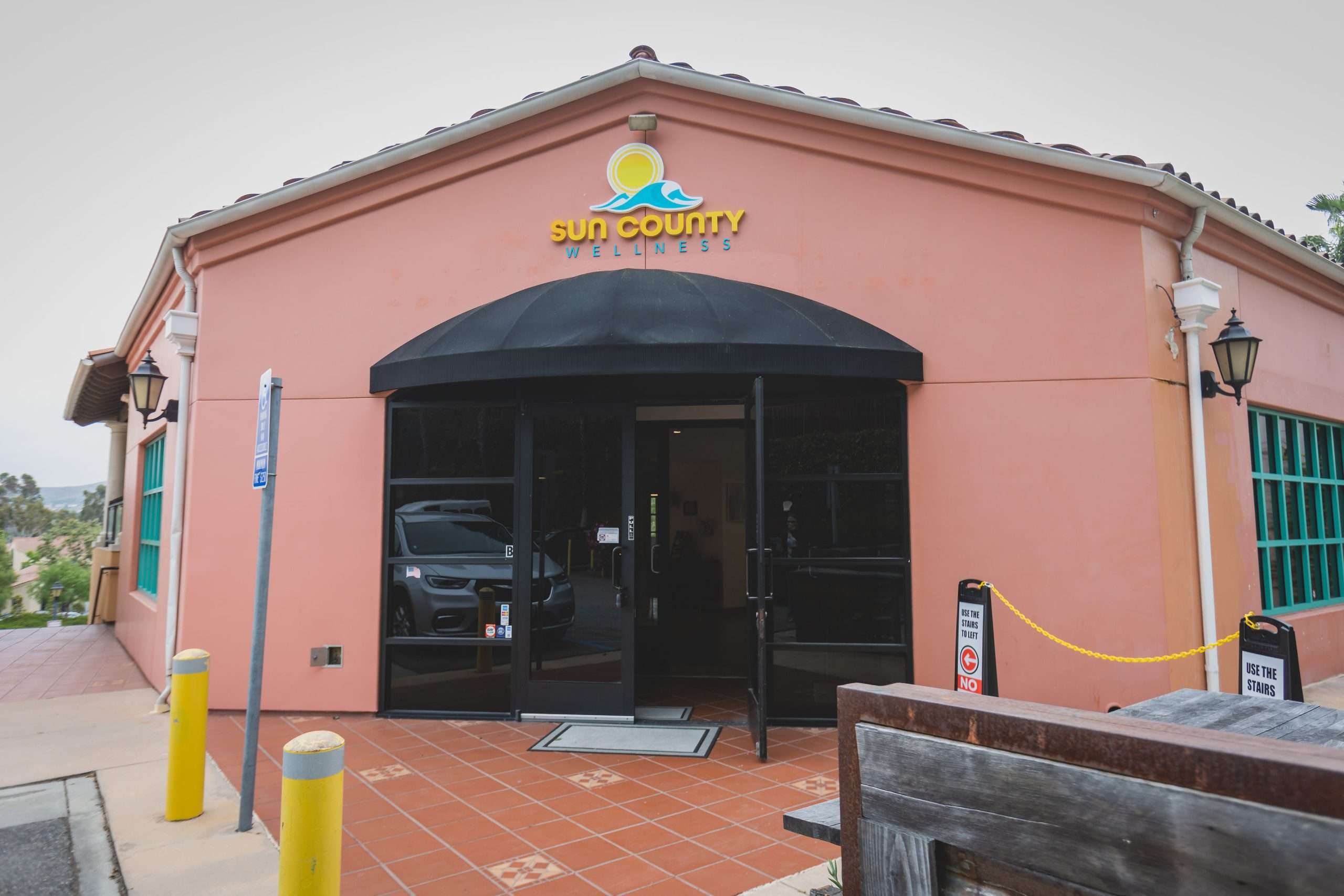
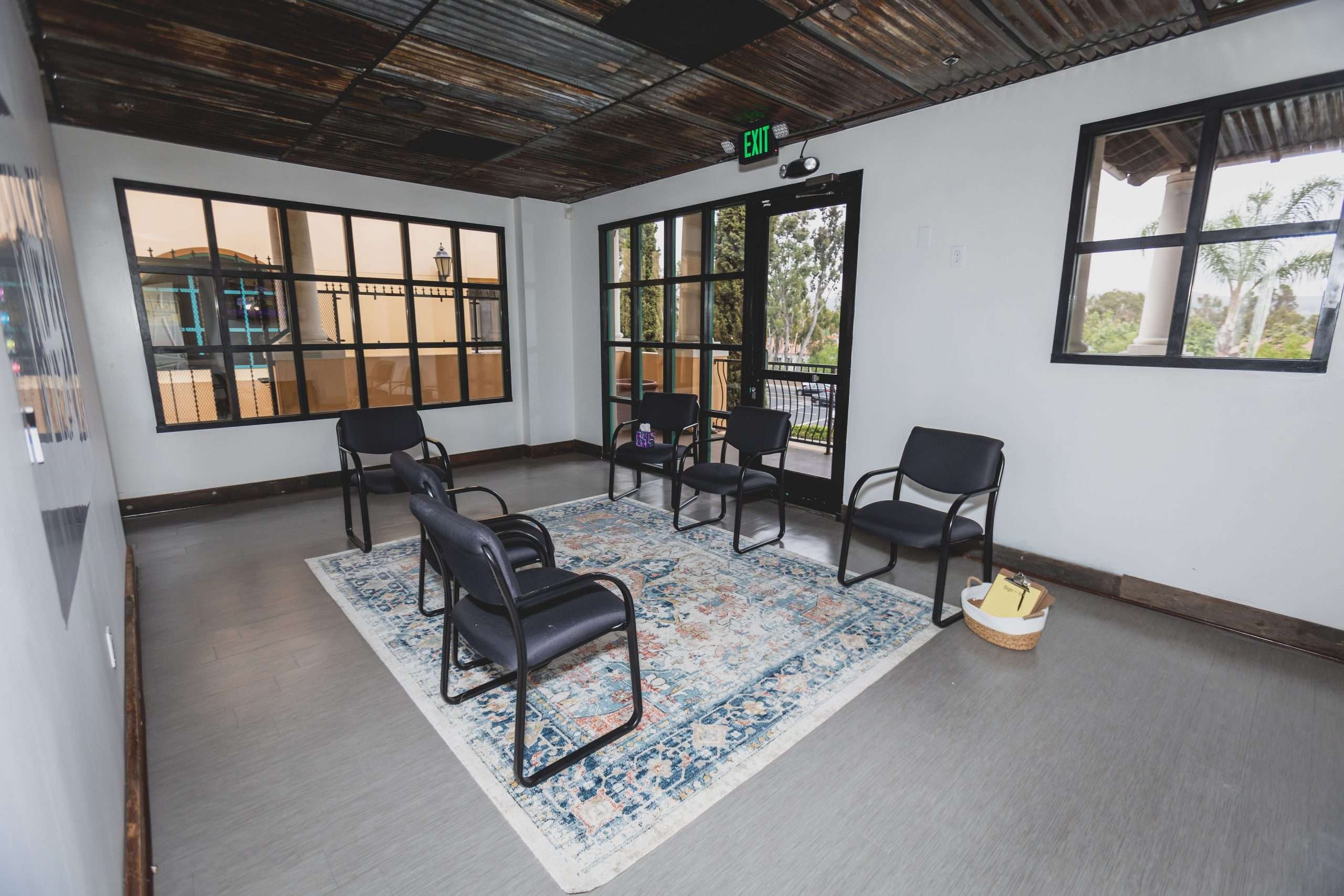
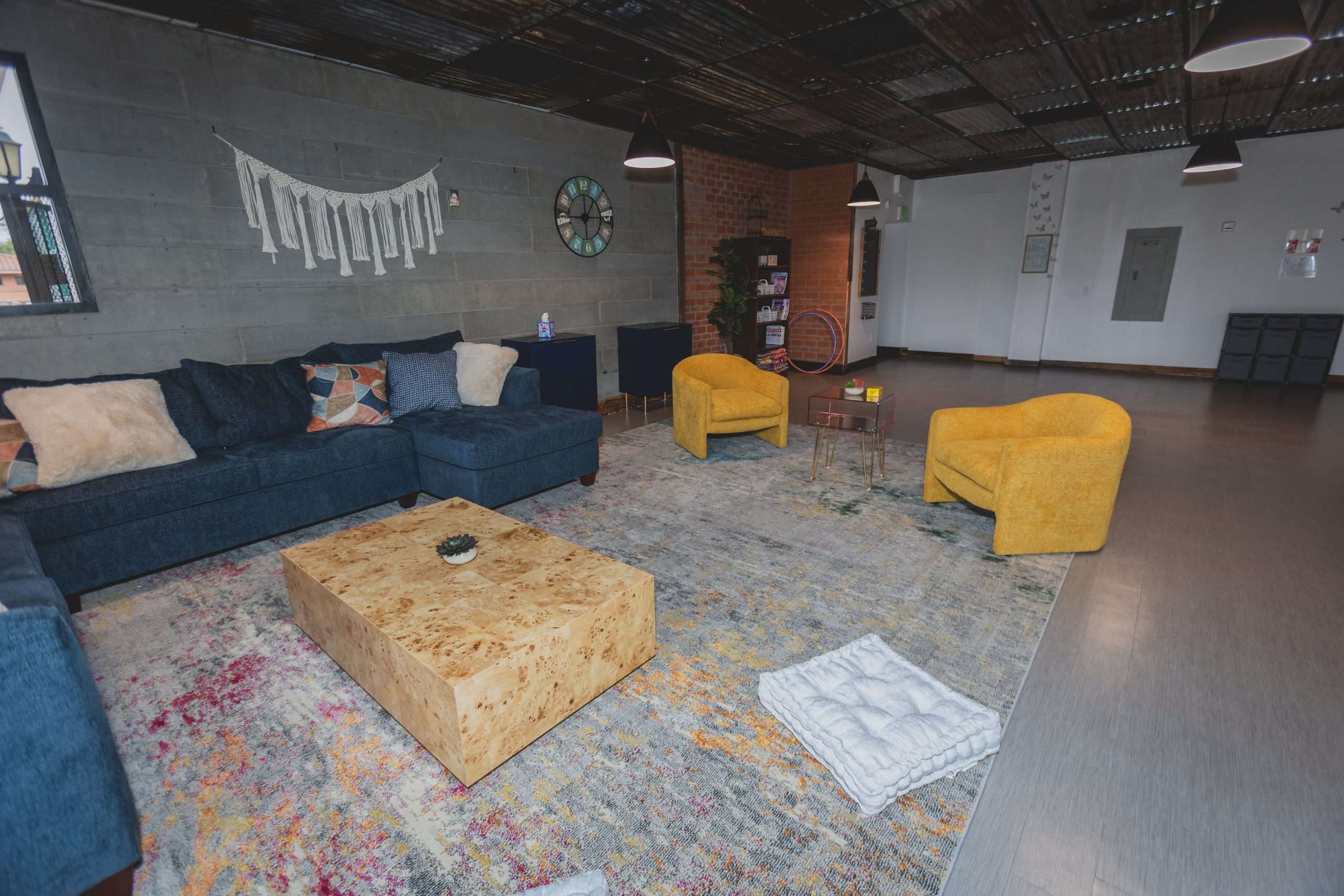

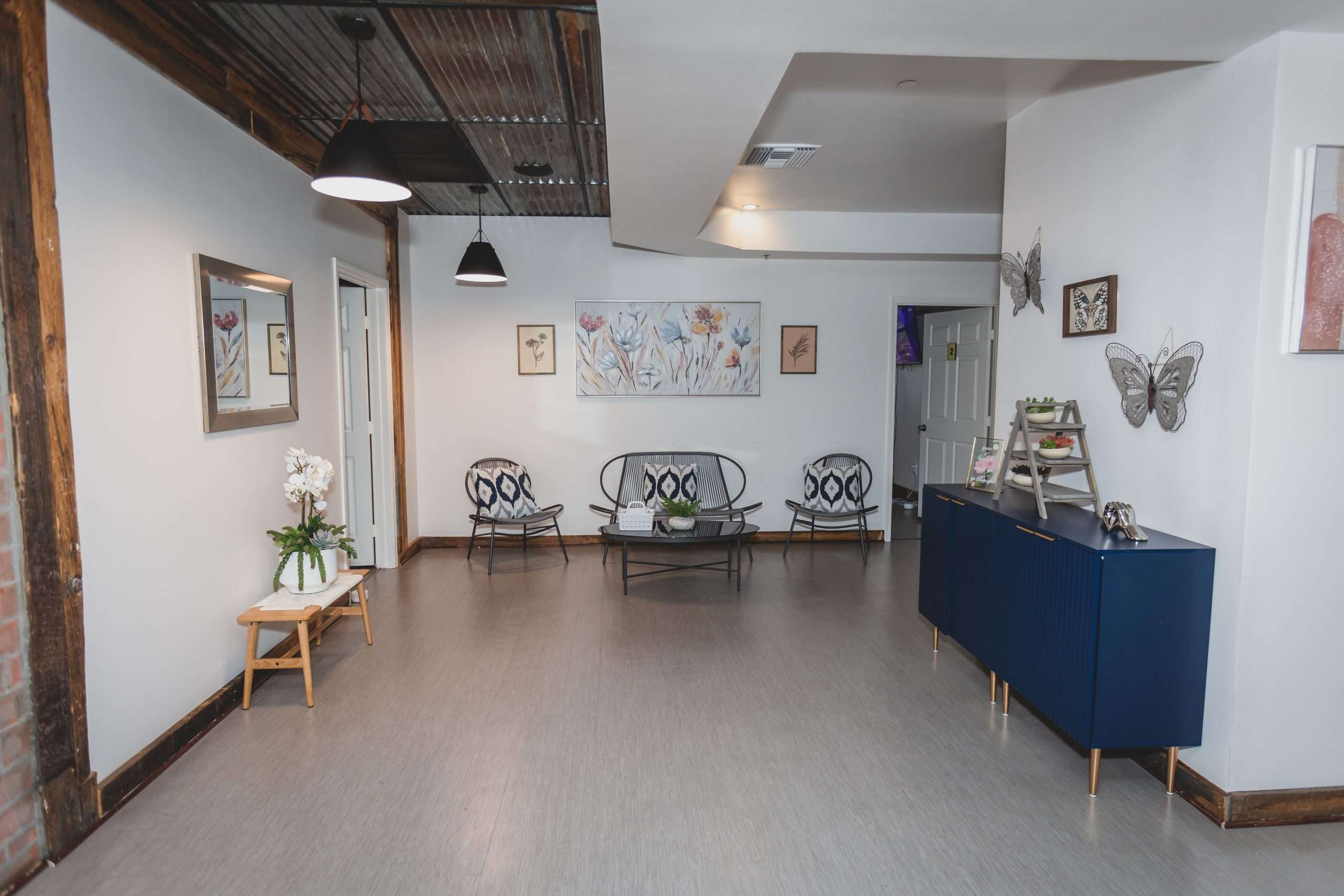
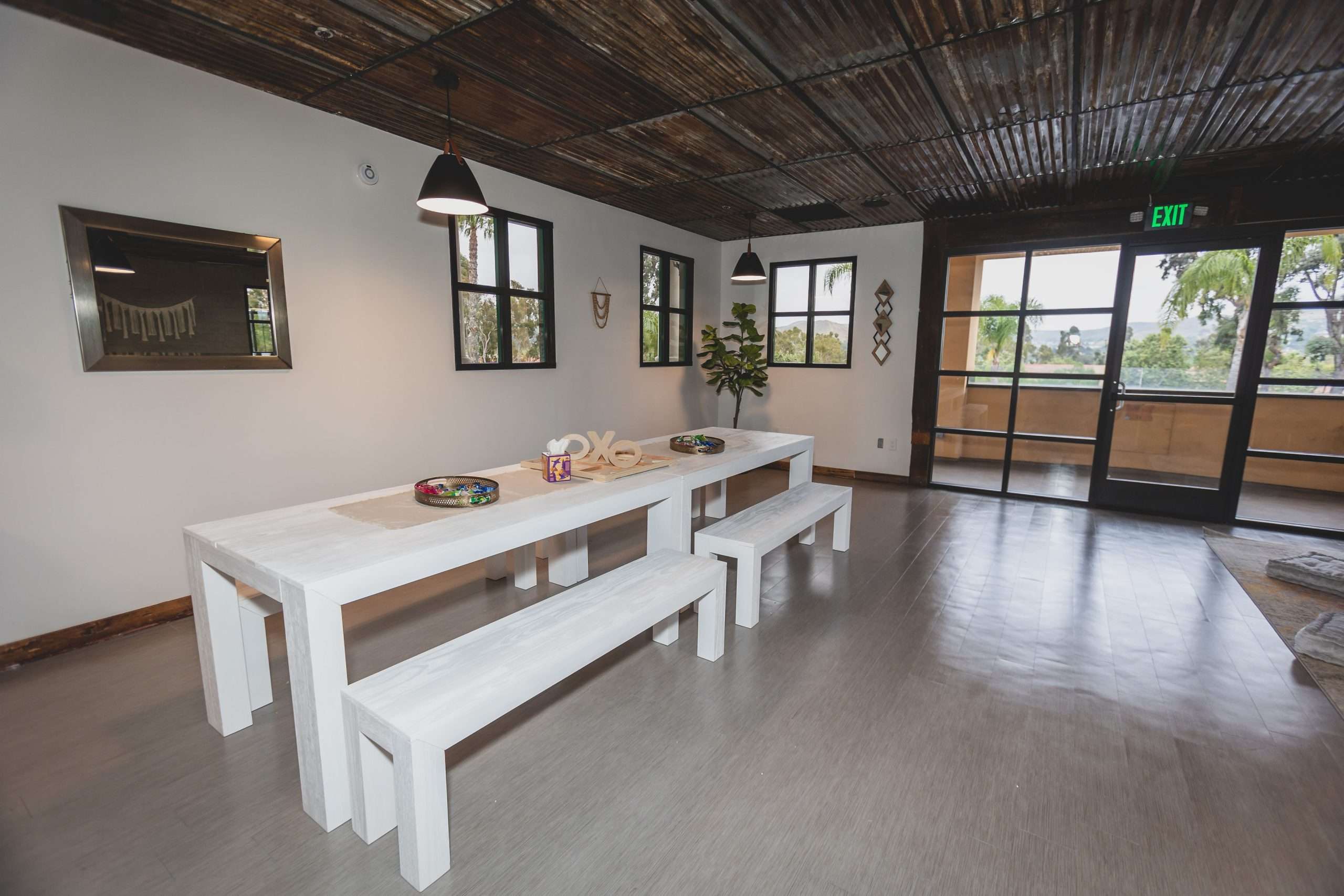
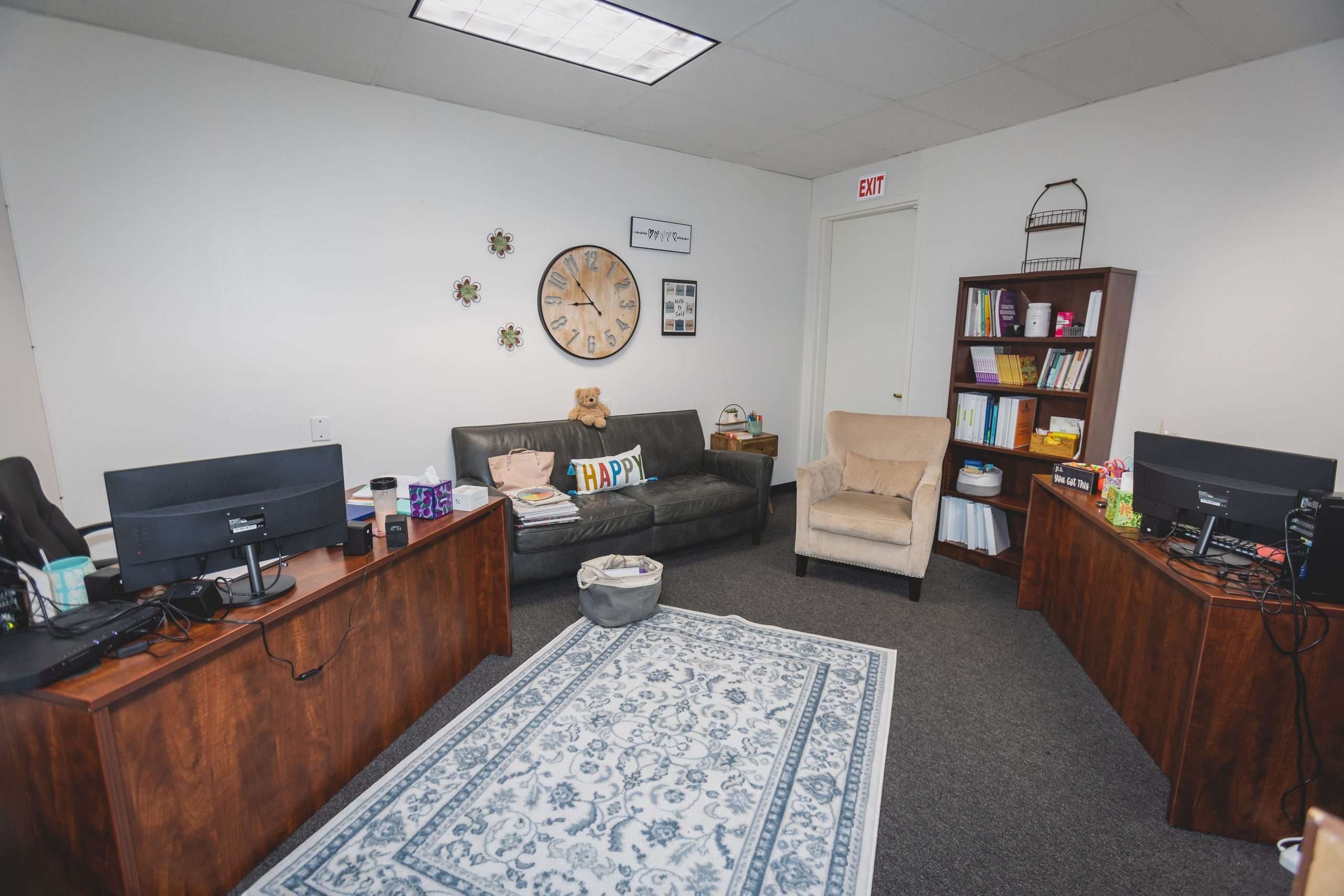
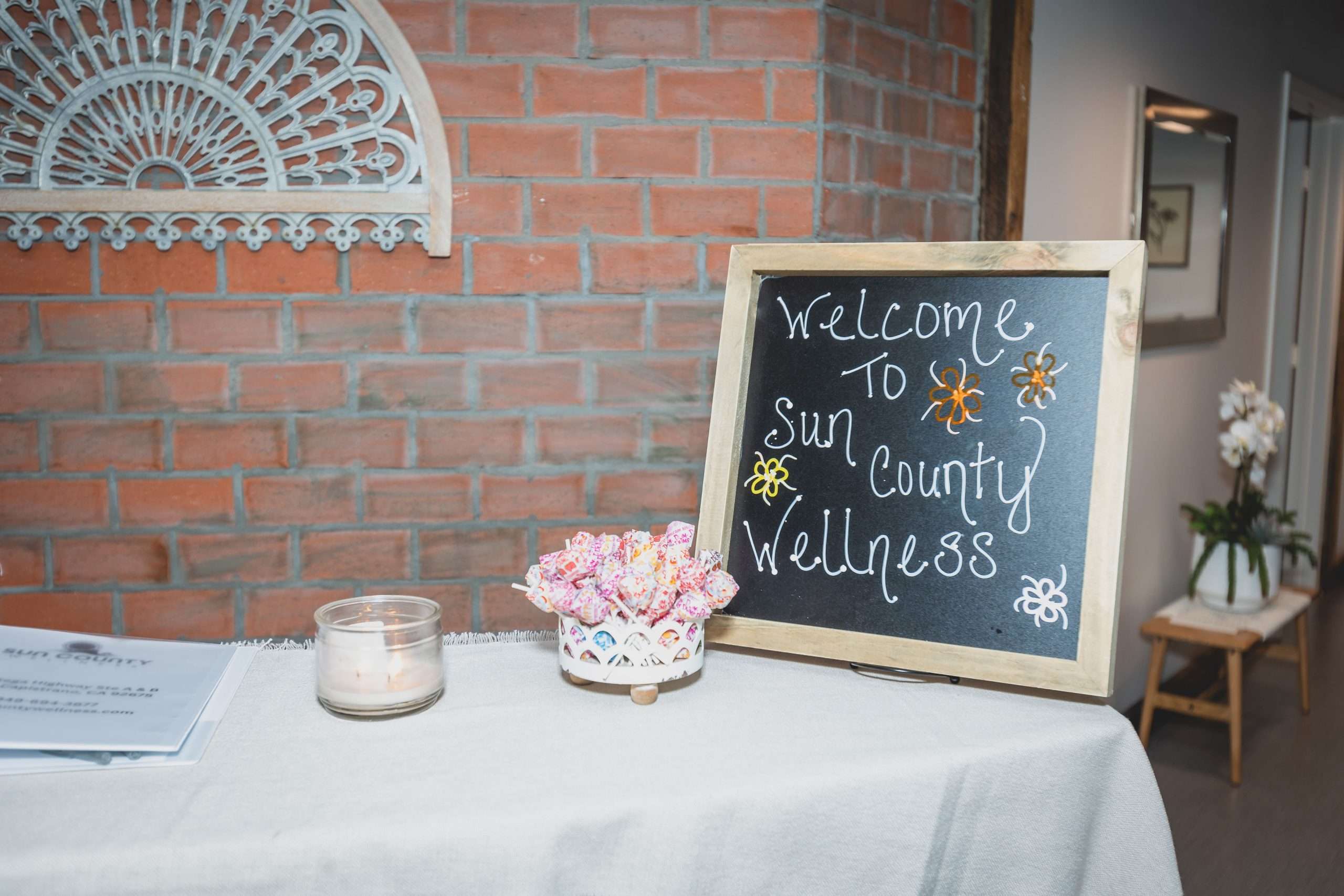
Locating Our Addiction Treatment Center For Women
John Wayne Airport (SNA)
- Distance: Approximately 21 miles
- Directions:
- Head northeast on N Airport Way.
- Use the right lane to take the ramp to CA-55 S.
- Merge onto CA-55 S.
- Take exit 5A for I-405 S toward San Diego.
- Keep left at the fork and merge onto I-405 S.
- Take exit 8 for CA-73 S toward San Diego (Toll Road).
- Merge onto CA-73 S (Toll Road).
- Take exit 5 for Greenfield Dr.
- Turn left onto Rancho Viejo Rd.
- Turn right onto Ortega Hwy.
- Sun County Wellness will be on the left.
Los Angeles International Airport (LAX)
- Distance: Approximately 61 miles
- Directions:
- Head east on World Way.
- Use the right 2 lanes to take the I-405 S ramp.
- Merge onto I-405 S.
- Take exit 8 for CA-73 S toward San Diego (Toll Road).
- Merge onto CA-73 S (Toll Road).
- Take exit 5 for Greenfield Dr.
- Turn left onto Rancho Viejo Rd.
- Turn right onto Ortega Hwy.
- Sun County Wellness will be on the left.
Long Beach Airport (LGB)
- Distance: Approximately 47 miles
- Directions:
- Head south on Donald Douglas Dr.
- Take the ramp to I-405 S.
- Merge onto I-405 S.
- Take exit 8 for CA-73 S toward San Diego (Toll Road).
- Merge onto CA-73 S (Toll Road).
- Take exit 5 for Greenfield Dr.
- Turn left onto Rancho Viejo Rd.
- Turn right onto Ortega Hwy.
- Sun County Wellness will be on the left.
San Diego International Airport (SAN)
- Distance: Approximately 64 miles
- Directions:
- Head northwest on N Harbor Dr.
- Use the left 2 lanes to take the ramp onto I-5 N.
- Continue on I-5 N.
- Take exit 81 for CA-74/Ortega Hwy.
- Turn right onto CA-74 E/Ortega Hwy.
- Sun County Wellness will be on the right.