
Clinically Reviewed By Brittany Astrom - LMFT
Brittany has 15 years of experience in the Mental Health and Substance Abuse field. Brittany has been licensed for almost 8 years and has worked in various settings throughout her career, including inpatient psychiatric treatment, outpatient, residential treatment center, PHP and IOP settings.
Can Drugs and Hormones Affect Each Other?
Exploring the Connection Between Drugs and Hormones
Introduction: Understanding the Relationship Between Drugs and Hormones
Drugs and hormones are intricately connected in ways that many people may not realize. Hormones play a vital role in regulating a vast array of bodily functions, including growth, metabolism, reproduction, and even mood. When drugs are introduced into the body—whether prescription medications, illicit substances, or recreational drugs—they can disrupt this delicate hormonal balance, causing both short-term and long-term effects.
Understanding how drugs affect hormones is essential, particularly for those who are struggling with addiction or are in recovery. This article will explore the various ways in which drug use impacts hormonal health, the risks associated with drug-induced hormonal imbalances, and what can be done to restore balance.
How Hormones Work: A Brief Overview
Hormones are chemical messengers that travel through the bloodstream, affecting different organs and tissues. They are produced by glands in the endocrine system, including the thyroid, adrenal glands, and reproductive organs. Each hormone has a specific function and works in a coordinated manner to regulate various processes such as mood, reproduction, metabolism, and growth.
For instance, growth hormone is essential for development during childhood and helps maintain tissues and organs throughout life. Sex hormones like estrogen and testosterone regulate reproductive functions, while cortisol, the stress hormone, manages the body’s response to stress.
Understanding Hormonal Health and its Importance
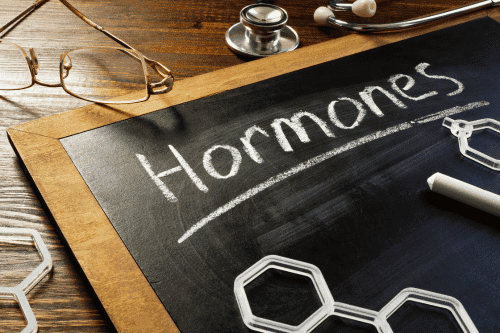
Hormonal health is a cornerstone of overall well-being, playing a pivotal role in regulating a myriad of bodily functions such as growth, metabolism, reproduction, and mood. Hormones, the body’s chemical messengers, are produced by endocrine glands including the pituitary gland, thyroid gland, adrenal glands, and reproductive organs. These hormones travel through the bloodstream to various tissues and organs, orchestrating a delicate balance that is essential for maintaining optimal health. When this balance is disrupted, it can lead to hormonal imbalances, which may manifest in a variety of health issues. Understanding the importance of hormonal health is crucial for recognizing how external factors, such as drug use, can impact this delicate system.
How Drugs Interact with the Endocrine System
Drugs can affect hormone production, secretion, and function by interacting directly with the endocrine system. Some drugs disrupt hormone levels by interfering with the communication between the brain and endocrine glands, while others may affect hormone receptors, reducing the body’s sensitivity to specific hormones.
Certain drugs, like anabolic steroids, are designed to mimic natural hormones but can have dangerous side effects, including shutting down the body’s ability to produce hormones naturally. Illicit drugs like cocaine, amphetamines, and opioids can have profound effects on hormone regulation, leading to imbalances that can affect everything from mood to reproductive health.
The Role of Stimulant Drugs in Hormonal Imbalance
Stimulant drugs, such as cocaine, methamphetamine, and ADHD medications, are known as hormonal imbalance stimulant drugs because they can significantly disrupt hormonal balance by affecting neurotransmitter release and reuptake in the brain. These drugs trigger the release of stress hormones like cortisol and adrenaline, which can lead to a prolonged state of fight or flight. Over time, this can cause the hypothalamic-pituitary-adrenal (HPA) axis to become dysregulated, resulting in chronic stress and hormonal imbalance.
Stimulant drug abuse may also lead to a suppression of reproductive hormones, affecting both male and female reproductive health. Women may experience menstrual irregularities, while men could suffer from a decline in testosterone levels.
Drug-Induced Hormonal Imbalances: A Growing Concern
Drug-induced hormonal imbalances can manifest in various ways, depending on the type of drug and the duration of use. Growth hormone levels can be affected, leading to delayed growth in younger individuals or issues with tissue repair and muscle maintenance in adults.
Studies on male and female rats have shown that drug use, such as cocaine and heroin, affects their hormonal balance and behavior. These studies highlight sex differences in addiction-related responses, emphasizing how hormonal variations and the estrous cycle influence drug-seeking behavior and synaptic transmission in these animal models.
Long-term drug use can also lead to thyroid gland dysfunction, affecting metabolism and energy levels. Those who abuse opioids or benzodiazepines may experience a suppression of the hypothalamic-pituitary-thyroid (HPT) axis, leading to hypothyroidism.
Marijuana and Hormonal Health
Marijuana, or cannabis, is a widely used drug that can have significant effects on hormonal health. The active compounds in marijuana, particularly THC (tetrahydrocannabinol), interact with cannabinoid receptors in the brain and other parts of the body, including those involved in hormone regulation. Research indicates that marijuana use can impact the production and release of various hormones. For instance, it can affect gonadotropins, which are crucial for regulating reproductive functions, and growth hormone, which plays a vital role in growth and metabolism. These interactions can lead to hormonal imbalances that may affect everything from reproductive health to overall metabolic function.
The Connection Between Drug Use and Reproductive Health
One of the most significant impacts of drug use on the body’s hormones involves the reproductive system. Both men and women may experience reproductive health issues due to drug use, with problems ranging from decreased libido to fertility issues. In men, opioid-induced androgen deficiency is a common side effect of long-term opioid use, which can result in low testosterone levels, erectile dysfunction, and decreased sperm production.
Women who abuse drugs may experience irregular menstrual cycles or even the complete cessation of menstruation. These changes in hormone levels can disrupt the body’s natural ability to conceive and maintain a pregnancy, leading to infertility or complications during pregnancy.
The Impact of Drugs on Sexual Health and Libido
Sex hormones like estrogen, progesterone, and testosterone are essential for sexual function and libido. Drug use can significantly impact the production and regulation of these hormones, leading to sexual dysfunction in both men and women. Common issues include decreased libido, erectile dysfunction in men, and vaginal dryness or pain during intercourse in women.
The long-term use of opioids, in particular, is associated with decreased testosterone levels in men, which can have a profound effect on sexual health. Stimulant drugs like cocaine and methamphetamine can also cause sexual dysfunction by disrupting the balance of sex hormones.
The Role of the Hypothalamic-Pituitary-Adrenal (HPA) Axis in Drug Use
The HPA axis is a critical component of the body’s stress response, regulating the release of stress hormones like cortisol. The hypothalamic-pituitary-adrenal axis plays a vital role in managing the body’s response to stress, and stimulant drugs like amphetamines and cocaine can disrupt its normal functioning. Drugs, especially stimulants and depressants, can disrupt the normal functioning of the HPA axis, leading to chronic stress and anxiety. Prolonged disruption of the HPA axis can contribute to mental health disorders such as anxiety, depression, and post-traumatic stress disorder (PTSD).
How Hormonal Imbalances Contribute to Mental Health Disorders
Hormonal imbalances caused by drug use can significantly affect an individual’s mental health. Hormones such as serotonin, dopamine, and norepinephrine regulate mood, and when these are disrupted, individuals may experience mood swings, anxiety, depression, and other emotional issues. Substance abuse can exacerbate these mental health conditions, creating a cycle of drug use and worsening emotional well-being.
Hormonal Imbalances and Stress: A Vicious Cycle
Stress is one of the primary triggers for drug use, and drug use, in turn, exacerbates stress by disrupting hormonal balance. The stress response involves the release of cortisol, a hormone that helps the body manage stress. However, chronic drug use can lead to an overproduction of cortisol, leaving the body in a constant state of stress.
This chronic stress can have negative consequences on both physical and mental health, contributing to cardiovascular issues, weakened immunity, and increased anxiety or depression.
Hormonal Imbalances and Mood Swings
Drugs that disrupt hormone levels, especially stimulant drugs, can lead to severe mood swings. These mood swings are often linked to fluctuations in stress hormones, such as cortisol, and can result in emotional instability. For those struggling with addiction, these mood swings can be overwhelming and contribute to the cycle of substance abuse.
Recognizing the Signs of Hormonal Imbalance
Identifying the signs of hormonal imbalance is a critical step in addressing and restoring hormonal balance. Common symptoms of hormonal imbalance include fatigue, unexplained weight gain or loss, changes in appetite, and mood swings. In males, hormonal imbalances can lead to erectile dysfunction, decreased libido, and infertility. Females may experience irregular menstrual cycles, ovulatory dysfunction, and difficulties conceiving. Recognizing these signs early can help individuals seek professional support and develop a personalized treatment plan to address hormonal imbalances. Understanding these symptoms is essential for anyone who suspects that drug use may be affecting their hormonal health.
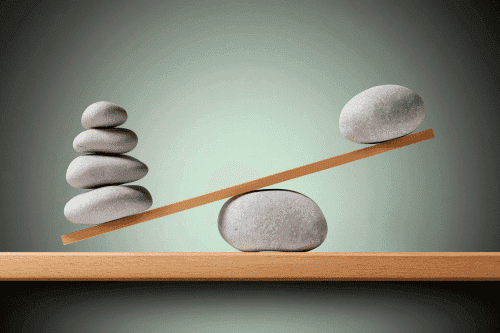
Hormone Replacement Therapy in Recovery
In some cases, individuals recovering from drug addiction may require hormone replacement therapy to restore normal hormone levels. This is particularly common for men suffering from opioid-induced androgen deficiency or women experiencing menstrual irregularities due to stimulant abuse.
Hormone replacement therapy can help alleviate symptoms such as decreased libido, fatigue, and mood swings, supporting the recovery process by restoring balance to the endocrine system.
The Importance of Addressing Hormonal Imbalances in Addiction Treatment
Hormonal imbalances should be addressed as part of any comprehensive addiction treatment program. Many individuals in recovery experience lingering effects of hormonal disruption, which can hinder their progress if not properly managed. Mental health services, including therapy and hormone replacement therapy, can play a key role in supporting individuals through their recovery journey.
The Role of the Pituitary Gland in Drug-Induced Hormonal Imbalances
The pituitary gland is a small but crucial part of the endocrine system responsible for regulating the body’s hormone production. Drugs that affect the brain can interfere with the function of the pituitary gland, leading to imbalances in hormones such as growth hormone, sex hormones, and thyroid hormones. This can have significant implications for an individual’s overall health and well-being, especially during recovery from drug addiction.
Opioid-Induced Hormonal Imbalances: A Closer Look
Opioids are particularly notorious for causing hormonal imbalances. Long-term opioid use has been linked to opioid-induced androgen deficiency (OPIAD), a condition that affects testosterone production in men. This can result in symptoms such as low libido, erectile dysfunction, and even decreased muscle mass.
In women, opioid use can lead to irregular menstrual cycles and decreased fertility. The long-term effects of opioids on reproductive health can be severe, making it crucial for individuals in recovery to seek appropriate medical care to address these issues.
Substance Abuse and the Endocrine System
Substance abuse affects not only the central nervous system but also the endocrine system, leading to widespread disruption of hormone regulation. Drugs like anabolic steroids, for example, can cause the body to stop producing certain hormones naturally, while other drugs can lead to the overproduction of hormones like cortisol, resulting in chronic stress and other health issues.
Smoking and Hormonal Imbalances
Smoking is another substance known to disrupt hormonal balance, particularly in women. Smoking has been linked to early menopause, decreased estrogen levels, and an increased risk of osteoporosis. In men, smoking can lower testosterone levels, leading to decreased libido and fertility issues.
The Role of Healthcare Professionals in Managing Hormonal Imbalances
Addressing hormonal imbalances caused by drug use requires the expertise of a healthcare professional. A comprehensive treatment plan should include medical evaluation, hormone level testing, and possible hormone replacement therapy. In addition to physical recovery, addressing emotional and psychological aspects through therapy is essential to restore both mental health and hormonal balance.
Support and Resources for Recovery
Recovering from hormonal imbalances caused by drug use requires a comprehensive approach that addresses both the underlying addiction and the hormonal disruption. Seeking professional support from healthcare professionals, such as endocrinologists or hormone specialists, is essential for developing a personalized treatment plan. Additionally, accessing support and resources, such as mental health services administration, hormone replacement therapy, and support groups, can help individuals navigate the recovery process and maintain hormonal balance. It’s important to note that sex hormones, such as estrogen and testosterone, play a crucial role in regulating mood, emotions, and overall mental well-being. Addressing hormonal imbalances can help alleviate symptoms of anxiety, depression, and other mental health issues, making it a vital component of a successful recovery plan.
Conclusion: The Path to Hormonal Recovery
The relationship between drugs and hormones is complex, with significant implications for both physical and mental health. Drug-induced hormonal imbalances can affect every aspect of life, from sexual function and reproductive health to mood and stress levels. Understanding these effects and seeking professional help are crucial steps on the road to recovery.
At Sun County Wellness, we offer comprehensive addiction treatment services that address both the physical and emotional aspects of recovery. Our programs are designed to help individuals regain control of their lives, restore hormonal balance, and achieve long-term wellness.

Seeking Treatment? We Can Help
At Sun County Wellness, as an in-network provider we work with most insurance plans, such as:
If you or a loved one are struggling with mental health challenges or substance abuse, reach out to Sun County Wellness today. Our team of compassionate professionals is here to support your journey towards lasting well-being. Give us a call at 949-993-1149