
Clinically Reviewed By Brittany Astrom - LMFT
Brittany has 15 years of experience in the Mental Health and Substance Abuse field. Brittany has been licensed for almost 8 years and has worked in various settings throughout her career, including inpatient psychiatric treatment, outpatient, residential treatment center, PHP and IOP settings.
Cocaine Addiction: Signs of Cocaine Use
Cocaine use is a serious issue that can have severe consequences for individuals and their loved ones. Recognizing cocaine use early can help in seeking timely intervention and support. However, certain indicators have proven to increase one’s vulnerability to drug abuse, and individuals who abuse cocaine are more prone to addiction. This article will delve into the various signs of use, the risks of overdose, and the path to cocaine addiction.
Physical Signs of Cocaine Use

Cocaine use can cause numerous physical changes in a person. Some of these changes might be easily noticeable, while others may be more subtle. These changes may serve as signs, with some being symptoms of cocaine abuse, and others could point to cocaine overdose. In addition, the changes can occur due to substance abuse of cocaine or due to the abuse of cocaine, and should be treated by a professional specializing in substance abuse.
Changes in Appearance
One of the first signs of cocaine abuse is a noticeable change in appearance. This might include:
- Dilated pupils: Cocaine causes pupils to dilate, making them appear larger than usual.
- Runny nose or frequent sniffing: Chronic cocaine use can lead to a runny nose or frequent sniffing, even when the person is not sick.
- Nosebleeds: Snorting cocaine can damage the nasal lining, leading to frequent nosebleeds.
- Weight loss: Cocaine suppresses appetite, which can result in significant weight loss over time.
Behavioral Indicators
Behavioral changes can also be a strong indicator of cocaine use. Some common behaviors include:
- Increased energy: Cocaine is a stimulant, so users often exhibit heightened energy levels and restlessness.
- Paranoia: Excessive cocaine use can lead to paranoid thoughts and behavior.
- Erratic behavior: Sudden mood swings, aggression, and erratic actions are common in cocaine users.
- Insomnia: Cocaine use can disrupt sleep patterns, leading to insomnia or irregular sleep schedules.
Psychological Signs
Cocaine not only affects the body but also has profound effects on the mind. Recognizing these psychological signs is crucial. These could be signs of cocaine addiction or they could show cocaine withdrawal for regular cocaine users. There also might be risk factors for individuals exhibiting these signs, such as a family history of substance abuse or personal trauma. It is important to look out for cocaine use disorder, which may need professional intervention.
- Mood Swings: Cocaine use can lead to extreme mood swings. Users may feel euphoric and invincible one moment and then experience deep depression and irritability the next. These mood swings can be quite drastic and occur without any apparent reason.
- Anxiety and Paranoia: Chronic cocaine use can lead to heightened levels of anxiety and paranoia. Users may feel constantly on edge, experience intense fear, and have irrational thoughts about being persecuted or watched.
- Hallucinations: In severe cases, cocaine use can lead to hallucinations. These can be auditory (hearing things that aren’t there) or visual (seeing things that aren’t there). Such hallucinations can be distressing and dangerous.
Social Signs
Cocaine use also impacts a person’s social life and interactions. The drug abuse warning network helps tracks drug abuse incidents in the U.S., including cocaine. This network can provide valuable insights into cocaine use trends and the negative consequences associated with it.
- Isolation: Individuals using cocaine might begin to isolate themselves from family and friends. They may avoid social gatherings and show a lack of interest in activities they once enjoyed.

- Financial Problems: Cocaine is an expensive drug, and maintaining a cocaine habit can lead to significant financial strain. Users may start borrowing money, selling possessions, or even stealing to fund their addiction.
- Relationship Issues: Cocaine use can strain relationships. The erratic behavior, mood swings, and isolation associated with cocaine use can lead to conflicts and misunderstandings with loved ones.
Risks of Cocaine Overdose
Cocaine overdose is a serious medical emergency that requires immediate attention. Recognizing the signs of an overdose can be life-saving, so understanding both the behavioral and physical symptoms is crucial. The drug abuse warning network is a valuable tool for understanding the patterns of drug use, including cocaine overdose in the U.S.
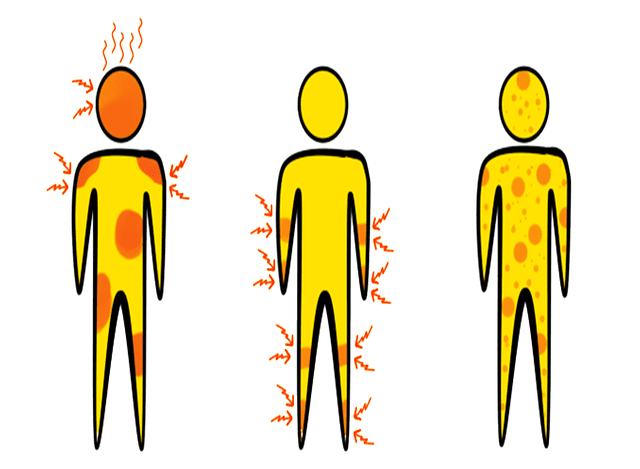
- Recognizing the signs of a cocaine overdose is crucial as it can be life-threatening. Physical symptoms of an overdose include:
- Rapid heart rate: Cocaine increases heart rate, and in cases of overdose, this can become dangerously high.
- Chest pain: Overdose can cause intense chest pain, which might be mistaken for a heart attack.
- Difficulty breathing: Users may experience shortness of breath or difficulty breathing.
- Severe headache: An intense headache can be a sign of a cocaine overdose.
- Seizures: In extreme cases, an overdose can lead to seizures.
- Behavioral symptoms of an overdose might include:
- Extreme agitation: Users may become excessively agitated and restless.
- Confusion: Overdose can cause severe confusion and disorientation.
- Paranoia: Intense feelings of paranoia and fear can occur during an overdose.
Path to Cocaine Addiction
Understanding the path to addiction can help in recognizing the signs early and seeking appropriate help.
- Initial Use and Experimentation: Many individuals start using cocaine out of curiosity or peer pressure. The initial use often involves experimentation, where the user tries the drug in social settings.
- Regular Use: Over time, casual use can turn into regular use. The individual starts seeking out cocaine more frequently and might use it to cope with stress, anxiety, or other issues.
- Risky Use: As regular use continues, the individual may begin to engage in risky behaviors to obtain and use cocaine. This can include using the drug in dangerous settings or combining it with other substances, which can result in severe drug use consequences and can be an indicator of cocaine abuse.
- Dependence: Dependence occurs when the body becomes accustomed to cocaine, and the user needs more of the drug to achieve the same effects. At this stage, stopping use can lead to withdrawal symptoms.

Addiction
Addiction is the final stage, where the user loses control over their cocaine use. The drug becomes a central part of their life, and they may prioritize it over relationships, work, and other responsibilities. Sometimes, addiction includes the use of crack cocaine, which is a smoke-able form of cocaine with intense effects.
This is particularly dangerous as it carries higher risks of addiction and adverse effects. Recognizing the signs of addiction is the first step towards seeking help. If you suspect someone you know is using cocaine, it is essential to approach the situation with care and compassion.
Seeking Help and Support
Professional Treatment
Professional treatment options are available for those struggling with cocaine addiction. These might include:
- Detox programs: Medical detox can help manage withdrawal symptoms and prepare the individual for further treatment.
- Rehabilitation centers: Inpatient and outpatient rehab centers provide comprehensive treatment programs, including therapy and support groups.
- Counseling and therapy: Individual or group therapy can help address the underlying issues contributing to cocaine use and develop coping strategies.
Support Groups

Support groups, such as Narcotics Anonymous (NA), can offer a sense of community and support for individuals recovering from cocaine addiction. These groups provide a safe space to share experiences and gain encouragement from others who have faced similar challenges. Cocaine users can connect with others going through similar struggles, providing a support network that is crucial for recovery.
Conclusion
Recognizing the signs of cocaine addiction is crucial for early intervention and support. By understanding the physical, psychological, and social indicators of cocaine use, as well as the risks of overdose and the path to cocaine addiction, you can better support those in need. If you or someone you know is struggling with substance abuse cocaine addiction, seeking professional help and joining support groups can make a significant difference in the journey towards recovery.
These symptoms signs can be recognized early with the help of the Mental Health Services Administration (SAMHSA) resources and guidelines. If you or someone you know is struggling with cocaine abuse, seeking professional help and joining support groups can make a significant difference in the journey towards recovery.
Seeking Treatment? We Can Help
At Sun County Wellness, as an in-network provider we work with most insurance plans, such as:
If you or a loved one are struggling with mental health challenges or substance abuse, reach out to Sun County Wellness today. Our team of compassionate professionals is here to support your journey towards lasting well-being. Give us a call at 949-993-1149