
Clinically Reviewed By Brittany Astrom - LMFT
Brittany has 15 years of experience in the Mental Health and Substance Abuse field. Brittany has been licensed for almost 8 years and has worked in various settings throughout her career, including inpatient psychiatric treatment, outpatient, residential treatment center, PHP and IOP settings.
Can You Drink Alcohol On Your Period?
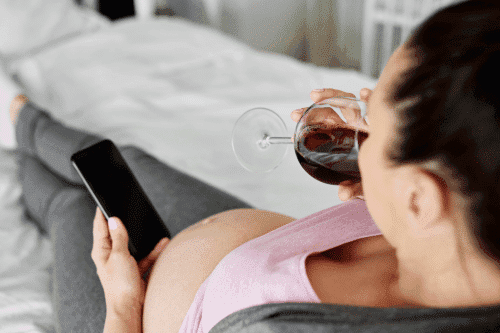
The short answer is yes, you can drink alcohol on your period. However, it’s important to consider how alcohol affects your menstrual cycle and overall well-being. Drinking alcohol can have various effects on the body, some of which may impact your menstrual health.
How Does Alcohol Affect Your Menstrual Cycle?
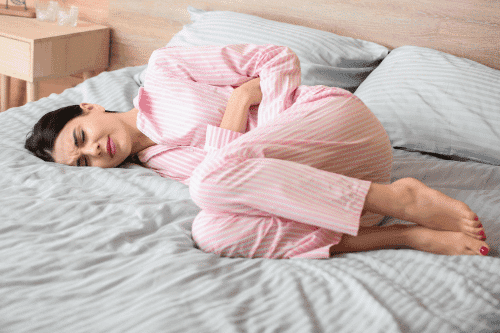
Alcohol consumption can influence the severity and perception of menstrual symptoms. Some women find that drinking alcohol helps to alleviate period cramps and PMS symptoms, while others may experience worsened symptoms.
- Period Cramps: Alcohol can have a dual effect on period cramps. While it may provide temporary relief by acting as a muscle relaxant, it can also worsen cramps by increasing prostaglandin levels, which are compounds that promote inflammation and pain.
- PMS Symptoms: Drinking alcohol might temporarily alleviate symptoms such as mood swings and anxiety, but it can also exacerbate hormonal imbalances, leading to more severe PMS symptoms over time.
Understanding the Menstrual Cycle
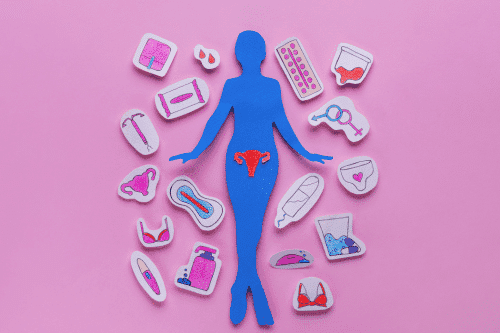
The menstrual cycle is a natural process that occurs in women of reproductive age. It is divided into several phases, each with its own hormonal changes and physical manifestations. The cycle begins with the follicular phase, during which the hormone estrogen rises, leading to the maturation of an egg. Following ovulation, the luteal phase occurs, during which the hormone progesterone rises. This phase prepares the body for a potential pregnancy.
Phases of the Menstrual Cycle
- 1Follicular Phase: This phase begins on the first day of menstruation and lasts until ovulation. During this time, the hormone estrogen rises, stimulating the growth of the uterine lining.
- 1Ovulation: Mid-cycle, the luteinizing hormone (LH) surges, causing the release of an egg from the ovary.
- 1Luteal Phase: After ovulation, progesterone levels increase, stabilizing the uterine lining in preparation for a potential pregnancy.
- 1Menstruation: If pregnancy does not occur, hormone levels drop, leading to the shedding of the uterine lining, known as menstrual bleeding.
Alcohol Intake and Menstrual Health
Maintaining moderate alcohol intake is key to preserving menstrual health. Excessive drinking, such as binge drinking, can have significant negative effects on your menstrual cycle and overall health.
- Alcohol Abuse: Chronic alcohol abuse can lead to long-term hormonal imbalances, affecting your menstrual cycle and fertility.
- Increased Alcohol Consumption: Increased alcohol consumption can result in irregular periods, affecting your ability to predict and manage your menstrual cycle.
Alcohol and Menstrual Blood Flow
Alcohol can also affect menstrual blood flow. While some women may not notice a significant difference, others might experience changes in the amount or duration of menstrual bleeding.
- Menstrual Blood: Alcohol’s effects on blood vessels can lead to increased or decreased menstrual blood flows, depending on individual physiological responses.
Common Menstrual Symptoms
During your menstrual cycle, you might experience a range of symptoms, such as:
- Cramps and pain
- Bloating
- Mood swings
- Headaches
- Breast tenderness
Understanding how alcohol can impact these symptoms is crucial for managing your menstrual health effectively.
Long-Term Effects of Alcohol on Menstrual Health
Chronic alcohol consumption can have lasting effects on your menstrual health and reproductive system. Understanding these impacts is vital for making informed decisions about alcohol use.
Alcohol Increases Prostaglandin Levels
Prostaglandins are chemicals in the body that promote inflammation and pain. Alcohol consumption can increase prostaglandin levels, potentially leading to more severe menstrual cramps.
- Severe Menstrual Cramps: High levels of prostaglandins can result in severe menstrual cramps, making periods more painful and difficult to manage.
Hormonal Imbalances and Irregular Periods
Consistent alcohol use can lead to hormonal imbalances, resulting in irregular periods and menstrual distress.
- Irregular Periods: Disruptions in hormone levels caused by alcohol can lead to irregular menstrual cycles, making it challenging to predict when your period will occur.
- Hormonal Imbalance: Maintaining balanced hormone levels is essential for regular menstrual cycles and overall reproductive health.
Understanding the Menstrual Period
The menstrual period, often referred to simply as a period, is a natural part of the menstrual cycle that occurs in women of reproductive age. This phase involves the shedding of the uterine lining, resulting in menstrual bleeding.
It typically lasts between three to seven days and is accompanied by various symptoms such as cramps, bloating, and mood swings. Understanding the menstrual period is crucial for managing menstrual health and recognizing how various factors, including alcohol consumption, can affect this monthly cycle.
By being aware of your body’s needs during your menstrual period, you can make more informed choices to support your overall well-being.
Alcohol and Menstrual Distress
Menstrual distress refers to the physical and emotional symptoms experienced during menstruation. Alcohol can influence the severity of these symptoms.
- Menstrual Distress: Symptoms such as mood swings, anxiety, and physical pain can be exacerbated by alcohol consumption, leading to increased discomfort during your period.
Hormonal Imbalances and Alcohol
Hormonal imbalances can be affected by alcohol consumption. Alcohol affects the endocrine system, which regulates hormone production and release. Drinking alcohol can disrupt the delicate balance of hormones, potentially leading to irregular menstrual cycles and menstrual distress.
- Estrogen Levels: Alcohol can increase estrogen levels in the body, which might affect your menstrual cycle by prolonging the follicular phase or altering the timing of ovulation.
- Progesterone Levels: Excessive alcohol intake can decrease progesterone levels, potentially leading to luteal phase deficiencies and issues with menstrual regularity.
Managing Alcohol Consumption During Your Period
To manage the impact of alcohol on your menstrual cycle, consider the following tips:
- Moderation: Drink alcohol in moderation to minimize its impact on your menstrual health. Avoid binge drinking, which can exacerbate menstrual symptoms and hormonal imbalances.
- Stay Hydrated: Alcohol can cause dehydration, which might worsen period cramps and overall discomfort. Drink plenty of water to stay hydrated.
- Listen to Your Body: Pay attention to how your body responds to alcohol during your menstrual cycle. If you notice worsening symptoms, consider reducing your alcohol intake.
- Alternate Drinks: Consider alternating alcoholic drinks with non-alcoholic beverages to reduce overall alcohol consumption and stay hydrated.
Alcohol Use and Its Broader Health Impacts
Beyond its effects on the menstrual cycle, alcohol use can have broader health implications, particularly when consumed in large amounts or over long periods.
Alcohol and Hormone Levels
Drinking alcohol can significantly affect hormone levels, impacting not just your menstrual cycle but overall hormonal health.
- Hormone Estrogen Rises: Alcohol can elevate estrogen levels, which might contribute to hormone-related health issues such as breast cancer and osteoporosis.
- Hormone Progesterone Rises: While alcohol can lower progesterone levels, which is crucial for menstrual cycle regulation and pregnancy.
Dehydration and Alcohol
Alcohol is a diuretic, meaning it promotes the production of urine and can lead to dehydration. Dehydration can worsen menstrual symptoms such as cramps and bloating.
- Dehydration Alcohol: Ensuring adequate water intake is essential when consuming alcohol to prevent dehydration and its negative effects on the body.
Binge Drinking and Menstrual Health
Binge drinking, defined as consuming large amounts of alcohol in a short period, can have severe impacts on menstrual health and overall well-being.
- Binge Drinking: This behavior can disrupt your menstrual cycle, leading to irregular periods and exacerbated menstrual symptoms.
How Does Drinking Alcohol Affect Your Fertility?
Alcohol consumption can also affect fertility. If you are trying to conceive, it is important to be aware of how alcohol affects your menstrual cycle and overall reproductive health.
- Affect Fertility: Chronic alcohol use can impair fertility by disrupting hormonal balance and menstrual regularity.
- Luteinizing Hormone: Sometimes the luteinizing hormone levels can be affected by alcohol, impacting ovulation and the chances of conception.
Does Drinking Alcohol On Your Period Make You Bleed More?
Yes, drinking alcohol on your period can make you bleed more. Alcohol acts as a blood thinner, which can lead to increased menstrual bleeding in some women. This effect is due to alcohol’s ability to dilate blood vessels and interfere with the normal clotting process. However, the impact of alcohol on menstrual bleeding can vary from person to person.
Some women might not notice any significant changes in their menstrual flow, while others might experience heavier bleeding. It’s essential to pay attention to how your body responds and adjust your alcohol consumption accordingly. If you have concerns about heavy bleeding or other menstrual issues, consulting a healthcare professional is advisable.
Strategies to Avoid Alcohol During Your Period
For some women, avoiding alcohol during their menstrual cycle can help manage symptoms more effectively. Here are some strategies to consider:
Alternatives to Alcohol
Finding alternative ways to relax and enjoy yourself can reduce the desire to drink alcohol during your period.
- Non-Alcoholic Beverages: Consider enjoying non-alcoholic beverages, such as herbal teas or mocktails, which can provide comfort without the negative effects of alcohol.
- Relaxation Techniques: Engage in relaxation techniques such as yoga, meditation, or a warm bath to help manage menstrual symptoms without relying on alcohol.
Adjusting Drinking Habits
Making conscious adjustments to your drinking habits can improve your menstrual health and overall well-being.
- Limit Alcohol Intake: Aim to limit your alcohol intake, especially during your menstrual cycle, to minimize its impact on your body.
- Drinking Habits: Being mindful of your drinking habits and making healthier choices can lead to better menstrual health.
Conclusion
So, can you drink alcohol on your period? The answer is yes, but with caution. Understanding how alcohol affects your menstrual cycle and overall health is crucial for making informed decisions about alcohol consumption. Moderation and attentiveness to your body’s signals are key to maintaining both your menstrual health and general well-being.
By being mindful of your drinking habits and understanding the potential impacts of alcohol on your menstrual cycle, you can better manage your health and enjoy your life without compromising your menstrual well-being. Remember, every woman’s body responds differently to alcohol, so it’s important to listen to your own body and make choices that best support your health.
In conclusion, while you can drink alcohol on your period, being aware of its effects and managing your consumption wisely will help you maintain a healthier and more balanced lifestyle. Always prioritize your well-being and consult with healthcare professionals if you have any concerns about how alcohol may be affecting your menstrual cycle or overall health
Sources
- Mayo Clinic. (n.d.). Menstrual cycle: What’s normal, what’s not.
- WebMD. (n.d.). The Effects of Alcohol on Your Body.
- National Institute on Alcohol Abuse and Alcoholism (NIAAA). (n.d.). Alcohol’s Effects on Female Reproductive Function.
Seeking Treatment? We Can Help
At Sun County Wellness, as an in-network provider we work with most insurance plans, such as:
If you or a loved one are struggling with mental health challenges or substance abuse, reach out to Sun County Wellness today. Our team of compassionate professionals is here to support your journey towards lasting well-being. Give us a call at 949-993-1149