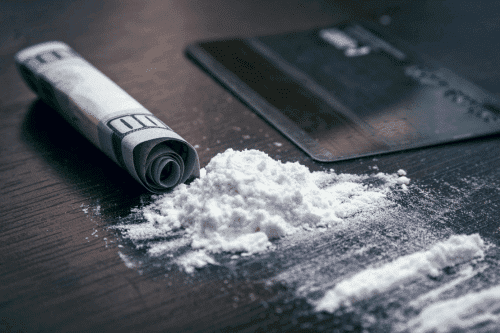

Clinically Reviewed By Brittany Astrom - LMFT
Brittany has 15 years of experience in the Mental Health and Substance Abuse field. Brittany has been licensed for almost 8 years and has worked in various settings throughout her career, including inpatient psychiatric treatment, outpatient, residential treatment center, PHP and IOP settings.
Crack vs Cocaine And The Differences Between | Cocaine Addiction Treatment
Understanding the differences between powder cocaine and crack cocaine is crucial when discussing substance abuse and addiction treatment. Both substances are forms of cocaine and classified as Schedule II controlled substance, but they vary in their chemical structure, method of use, and effects on the body. These differences significantly impact the user’s experience and health risks, which in turn influences the approach needed for effective treatment.
In this article, we will explore how crack cocaine compared to powder cocaine affects individuals, including their chemical composition and methods of use. We will also discuss the implications for addiction treatment, emphasizing the role of American Addiction Centers in providing comprehensive care and developing effective prevention and treatment strategies.
What is Cocaine?
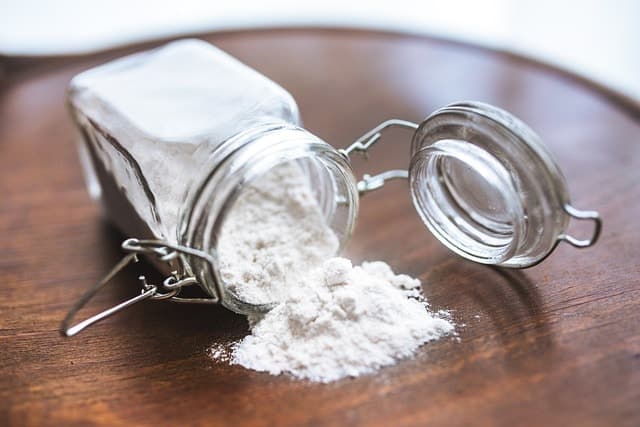
Cocaine is a powerful stimulant drug derived from the leaves of the coca plant, native to South America. It is commonly found in a white powder form and is often snorted, injected, or ingested. Cocaine works by increasing levels of dopamine in the brain, creating intense feelings of euphoria and energy. This rush of dopamine is what makes cocaine so addictive and dangerous.
Chemical Composition
Cocaine in its powdered form is known as cocaine hydrochloride. It is often mixed with other substances such as cornstarch, talcum powder, or sugar to dilute it. The purity of cocaine can vary significantly, affecting its potency and the potential for harm. Impurities in the drug can introduce additional health risks, complicating both the user’s experience and the treatment process.
Method of Use
The most common method of using cocaine is snorting, but substance abuse involving this drug can take many forms. Another method is dissolving powdered cocaine in water and injecting it, a practice that significantly increases the risk of addiction to cocaine due to the drug’s rapid and intense effects. Some users also apply the drug directly onto their gums, which allows cocaine to be absorbed through the mucous membranes in the mouth, contributing to the cycle of addiction.
Additionally, cocaine can be smoked in its freebase form, which differs from crack cocaine in terms of its chemical composition and effects. Each of these methods not only affects the speed and intensity of cocaine’s impact but also presents distinct health risks. Understanding these various methods is crucial for addressing substance abuse effectively and developing targeted strategies for addiction treatment.
What is Crack?
Crack is a form of cocaine that has been processed to form a rock crystal, which is then heated and smoked. The term “crack” comes from the cracking sound the rock makes when it is heated. Crack is often considered more dangerous than powdered cocaine due to its potency and addictive potential, leading to severe physical and psychological consequences.
Chemical Composition
Crack is made by mixing cocaine hydrochloride with water and baking soda. The mixture is then heated to remove the hydrochloride, resulting in a solid, smokable form of cocaine. This process increases the concentration of cocaine, making crack more potent than its powdered counterpart. The increased potency of crack means that users can become addicted more quickly compared to those using powdered cocaine.
Method of Use
Crack is usually smoked using a glass pipe. The smoke is inhaled and absorbed into the bloodstream through the lungs, leading to a quicker and more intense high compared to snorting or injecting powdered cocaine. The method of smoking not only intensifies the high but also contributes to the rapid development of addiction and other severe health risks.
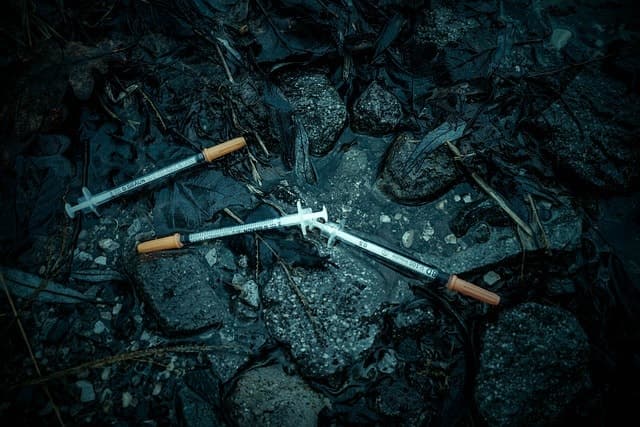
by Luca Bravo (https://unsplash.com/@lucabravo)
Differences in Effects
The differences in chemical composition and method of use between crack and cocaine lead to varying effects on the body and brain. Understanding these differences can help in recognizing the signs of use and tailoring appropriate treatment strategies.
Onset and Duration
- Cocaine: When snorted, the effects of cocaine are felt within a few minutes and can last for about 15-30 minutes. When injected, the onset is almost immediate, but the effects wear off more quickly. This short duration often leads users to take the drug repeatedly in a short period, increasing the risk of addiction and other health issues.
- Crack: Smoking crack results in an almost instant high that is more intense but shorter in duration, typically lasting about 5-10 minutes. The brevity of the high often leads to a binge pattern of use, where users continuously smoke crack to maintain the euphoric feeling, significantly escalating the risk of overdose and addiction.
Intensity of Effects
- Cocaine: Produces a high characterized by increased energy, alertness, and euphoria. Users may feel more sociable and talkative. However, the high is often followed by a crash that can lead to anxiety, irritability, and fatigue.
- Crack: The high from crack is much more intense but also comes with a severe crash, leading to feelings of depression and irritability. The intensity of the high and subsequent crash can create a cycle of use that is difficult to break without professional intervention.
Addiction Potential
Both crack and cocaine have a high potential for addiction, but crack is often considered more addictive due to the intensity and immediacy of its effects. The rapid onset and short duration of crack’s high can lead to a pattern of repeated use in a short period, increasing the risk of addiction. This compulsive use can quickly lead to severe physical, psychological, and social consequences, necessitating comprehensive treatment approaches.
Health Risks
Both crack and cocaine pose significant health risks, but the method of use and potency can lead to different complications. These health risks can affect various systems in the body and can be life-threatening if not addressed promptly.
Cocaine
Long-term use of cocaine can lead to:
- Cardiovascular issues such as heart attack and stroke: Cocaine’s stimulant effects increase heart rate and blood pressure, putting significant strain on the cardiovascular system.
- Respiratory problems if snorted: Chronic snorting of cocaine can damage the nasal passages and lead to respiratory issues.
- Increased risk of infectious diseases if injected: Sharing needles can transmit diseases such as HIV and hepatitis.
- Mental health issues like anxiety, paranoia, and hallucinations: Cocaine can exacerbate mental health conditions, leading to severe psychological distress.
Crack
The health risks associated with crack use include:
- Severe respiratory problems due to smoking: The inhalation of crack smoke can cause significant damage to the lungs and respiratory system.
- Higher risk of addiction and overdose: The intense high and rapid addiction potential of crack increase the likelihood of overdose.
- Increased likelihood of engaging in risky behaviors: The compulsive nature of crack use can lead to risky behaviors that endanger the user’s health and safety.
- Greater potential for severe mental health issues, including psychosis: The intense and frequent highs and crashes associated with crack use can result in severe mental health conditions.
Addiction Treatment
Treatment for addiction to crack or cocaine involves a combination of medical, psychological, and social support. A comprehensive approach is essential to address the multifaceted nature of addiction and promote long-term recovery.
Detoxification
The first step in treating addiction is detoxification, where the body is allowed to rid itself of the drug. This process should be supervised by medical professionals due to the potential for severe withdrawal symptoms. Medical supervision ensures that any complications are promptly addressed, providing a safer and more comfortable detox process.
Behavioral Therapy
Behavioral therapies such as Cognitive Behavioral Therapy (CBT) and contingency management have proven effective in treating cocaine and crack addiction. These therapies help individuals understand their addiction, develop coping strategies, and change harmful behaviors. By addressing the underlying psychological aspects of addiction, behavioral therapies can significantly improve the chances of long-term recovery.
Support Groups
Support groups like Narcotics Anonymous (NA) play a vital role in combating substance abuse and addressing addiction, cocaine in particular. They offer a supportive community of individuals who understand the complexities and challenges associated with addiction. Through shared experiences and emotional support, these groups provide practical advice and strategies for maintaining sobriety and managing cravings. The sense of belonging and mutual encouragement can be incredibly beneficial for those in recovery, helping to reinforce their commitment to staying drug-free and providing continuous motivation throughout their journey to overcome addiction.
Medications
While there are currently no FDA-approved medications specifically for cocaine or crack addiction, some medications can help manage withdrawal symptoms and reduce cravings. Research is ongoing to find effective pharmacological treatments for stimulant addiction. These medications can support other treatment modalities, providing a more comprehensive approach to addiction recovery.
Conclusion
Understanding the differences between snorting cocaine and using crack is crucial for recognizing the risks and implications of their use. Both substances are dangerous, highly addictive, and classified as Schedule II controlled substances, but their effects, methods of use, and health risks vary. Effective addiction treatment involves a comprehensive approach that includes medical care, behavioral therapy, and social support. This is especially important given the stringent measures of the Anti-Drug Abuse Act, which targets the abuse of such drugs and other substances.
If you or someone you know is struggling with addiction to cocaine, crack, or other drugs, it is vital to seek help from American Addiction Centers or other professional treatment services. Early intervention can significantly impact recovery and enhance the likelihood of leading a healthy, drug-free life.
Seeking Treatment? We Can Help
At Sun County Wellness, as an in-network provider we work with most insurance plans, such as:
If you or a loved one are struggling with mental health challenges or substance abuse, reach out to Sun County Wellness today. Our team of compassionate professionals is here to support your journey towards lasting well-being. Give us a call at 949-993-1149