
Clinically Reviewed By Brittany Astrom - LMFT
Brittany has 15 years of experience in the Mental Health and Substance Abuse field. Brittany has been licensed for almost 8 years and has worked in various settings throughout her career, including inpatient psychiatric treatment, outpatient, residential treatment center, PHP and IOP settings.
Depressant vs Stimulant: Differences & Similarities
In discussions about substance use, addiction, and mental health, “depressants” and “stimulants” are frequently mentioned. These two categories of drugs have opposite effects on the body and mind, and understanding their differences is crucial in recognizing their roles in addiction, misuse, and treatment. This article will explore what each type of drug does, how they affect the body, and the potential risks associated with their misuse.
What Are Depressants and Stimulants?
Depressants are drugs that reduce the activity of the central nervous system, often producing a calming or sedating effect. Prescription depressants are commonly used to treat conditions such as anxiety, insomnia, and panic disorders. These substances are commonly prescribed to treat anxiety, insomnia, panic disorders, and even some types of chronic pain. Depressants work by slowing down the brain’s activity, making them effective for people suffering from anxiety disorders or sleep disturbances. Examples include alcohol, benzodiazepines, and barbiturates.
On the other hand, stimulants have the opposite effect. Stimulant drugs are categorized into legal substances like caffeine and nicotine, and illegal substances such as cocaine and methamphetamine. They increase activity in the central nervous system, leading to heightened alertness, energy, and concentration. Stimulants are commonly prescribed to treat attention deficit hyperactivity disorder (ADHD) and narcolepsy. These drugs help people feel more focused and awake but can also increase heart rate, blood pressure, and anxiety when misused. Common stimulants include prescription drugs like Adderall and Ritalin, as well as illegal substances like cocaine and methamphetamine.
The Mechanisms Behind Depressants and Stimulants
Depressants affect the central nervous system by enhancing the effects of a neurotransmitter called gamma-aminobutyric acid (GABA), which inhibits brain activity. By increasing the effects of GABA, depressants make brain cells communicate more slowly, producing a sedative effect. This slower communication can make users feel relaxed, drowsy, or even euphoric, depending on the dose and the specific drug.
In contrast, stimulants increase the levels of certain neurotransmitters, particularly dopamine and norepinephrine. These chemicals play key roles in regulating mood, attention, and energy. By increasing the levels of these neurotransmitters, stimulants can lead to improved focus, increased energy, and a feeling of euphoria. Increased blood pressure is one of the immediate effects of stimulants. However, this also comes with risks. Misuse of stimulants can cause over-stimulation of the brain, leading to anxiety, paranoia, and even stimulant overdose.
Common Examples of Depressants
One of the most widely known depressants is alcohol. Although it is legal and widely consumed, alcohol can have significant effects on both the mind and body. In small doses, it can make a person feel relaxed and sociable. However, larger amounts can impair coordination, slow down reaction times, and even result in unconsciousness or death if consumed in excess. Heavy consumption can also severely impact the liver and digestive system, leading to conditions such as alcoholic hepatitis, fatty liver, and chronic digestive issues like constipation.
Benzodiazepines, another category of depressants, are often prescribed to treat anxiety and panic disorders. Drugs like Xanax and Valium work quickly to calm the mind, but they also carry a risk of dependency, especially when used for long periods. Long-term misuse can lead to addiction and dangerous withdrawal symptoms when the drug is stopped abruptly. Additionally, chronic fatigue syndrome can be a lasting consequence of such misuse.
Barbiturates were once widely prescribed for anxiety and sleep disorders, but their high potential for addiction and overdose has made them less common today. These drugs work similarly to benzodiazepines but are much more potent and dangerous in high doses.
Common Examples of Prescription Stimulants
Stimulants range from mild substances like caffeine to powerful illegal drugs like cocaine. Caffeine, found in coffee, tea, and many energy drinks, is a mild stimulant that many people consume daily to help them feel more awake and alert. While it is generally considered safe in moderate amounts, excessive consumption can lead to increased heart rate, anxiety, and digestive problems.
Prescription stimulants, such as Adderall and Ritalin, are commonly prescribed to treat ADHD. These drugs help people with the disorder focus better and control impulsive behaviors. However, they are often misused by individuals seeking the heightened energy and concentration these drugs provide. This misuse can place individuals at an increased risk of various health issues, including tolerance, dependence, addiction, and severe psychological effects. This misuse can lead to stimulant addiction, as well as dangerous side effects like increased heart rate, high blood pressure, and stimulant overdose.
Cocaine is a powerful and illegal stimulant that produces intense feelings of euphoria. However, it is also highly addictive and can lead to severe physical and mental health problems, including heart attacks, strokes, and paranoia. Methamphetamine is another illegal stimulant that has similar effects to cocaine but is even more dangerous due to its longer-lasting high and higher potential for addiction.
The Impact on the Central Nervous System
Depressants and stimulants both have significant effects on the central nervous system, but they do so in opposite ways. Depressants slow down nerve activity, making users feel calm and relaxed. However, when taken in high doses or misused, depressants can slow the body’s functions too much, leading to dangerous consequences like slowed breathing, irregular heartbeat, or even coma.
Stimulants, on the other hand, speed up nerve activity. This can make users feel more alert and energetic, but it also puts a strain on the body, especially the heart and circulatory system. People who misuse stimulants may experience dangerously high blood pressure, heart palpitations, or even heart attacks.
Both types of drugs can cause physical dependence, meaning the body comes to rely on them to function normally. This can lead to withdrawal symptoms when the drug is not taken, making it difficult for people to quit using the substance. Withdrawal from depressants can cause symptoms like anxiety, irritability, and seizures, while stimulant withdrawal can lead to fatigue, depression, and intense cravings for the drug.
Physical Effects of Depressants and Stimulants
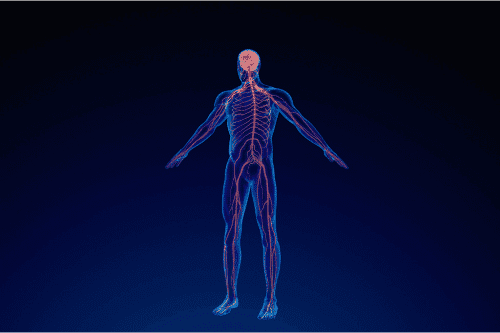
Depressants and stimulants have distinct physical effects on the body, primarily due to their opposite actions on the central nervous system (CNS). Depressants, such as benzodiazepines and opioids, work by slowing down CNS activity. This results in a decrease in blood pressure, heart rate, and respiratory rate, leading to feelings of relaxation, drowsiness, and reduced anxiety. While these effects can be beneficial for treating conditions like anxiety disorders and insomnia, long-term use of depressants can lead to physical dependence, tolerance, and withdrawal symptoms. Users may find themselves needing higher doses to achieve the same effects, and stopping the drug abruptly can cause severe withdrawal symptoms, including anxiety, irritability, and seizures.
In contrast, stimulants like cocaine and methamphetamine speed up CNS activity, leading to an increase in blood pressure, heart rate, and respiratory rate. This heightened state can result in feelings of energy, alertness, and increased focus. However, the stimulating effects also come with significant risks. Long-term use of stimulants can lead to physical dependence and tolerance, requiring higher doses to achieve the desired effects. Withdrawal symptoms from stimulants can include fatigue, depression, and intense cravings. Additionally, the increased strain on the cardiovascular system raises the risk of heart attack, stroke, and other serious health issues.
Medical Uses of Stimulants and Depressants
Despite their potential for misuse, both stimulants and depressants have legitimate medical uses that can significantly improve the quality of life for individuals with certain conditions. Stimulant medications, such as Ritalin and Adderall, are commonly prescribed to treat attention-deficit/hyperactivity disorder (ADHD) and narcolepsy. These medications help increase focus, attention, and wakefulness, allowing individuals with these conditions to function more effectively in their daily lives. By enhancing the levels of neurotransmitters like dopamine and norepinephrine, stimulant medications can improve concentration and reduce impulsive behaviors in people with ADHD.
Depressants, including benzodiazepines and opioids, are often used to treat anxiety disorders, insomnia, and chronic pain. Benzodiazepines, such as Xanax and Valium, work quickly to reduce anxiety and promote relaxation, making them effective for short-term use in managing anxiety and panic disorders. Opioids, on the other hand, are powerful pain relievers that can help manage severe pain conditions. However, it is crucial to use these medications only as directed by a healthcare professional. Misuse can lead to physical dependence, addiction, and a range of adverse effects, including respiratory depression and overdose.
Misuse, Addiction, and Withdrawal Symptoms
Misusing both depressants and stimulants can lead to serious health risks, including addiction. Addiction occurs when a person becomes physically and psychologically dependent on a substance and feels compelled to continue using it despite negative consequences.
Depressant misuse often involves taking higher doses than prescribed or using the drug without a prescription. This can lead to dangerous effects like slowed breathing, loss of consciousness, and even death. Depressants like alcohol and benzodiazepines are particularly risky when mixed with other substances, as the combined effects can be life-threatening.
Stimulant misuse often occurs when people take higher doses than prescribed or use the drug recreationally to experience its stimulating effects. This can lead to increased heart rate, high blood pressure, and stimulant addiction. Long-term misuse of stimulants can also cause mental health problems like anxiety, paranoia, and depression.
Both types of drugs can cause severe withdrawal symptoms, making it difficult for people to stop using them. Withdrawal from depressants can cause symptoms like seizures, insomnia, and anxiety, while stimulant withdrawal can lead to fatigue, depression, and cravings.

Managing Prescription Use Safely
Managing prescription use safely is crucial to preventing physical dependence, tolerance, and addiction. Here are some essential tips for the safe use of prescription stimulants and depressants:
- Follow Dosage Instructions: Always adhere to the dosage instructions provided by your healthcare professional. Taking more medication than prescribed or for longer than recommended can increase the risk of dependence and adverse effects.
- Avoid Sharing Medications: Do not share your medication with others or use someone else’s medication. Prescription drugs are tailored to individual needs and sharing them can be dangerous.
- Be Aware of Risks and Side Effects: Understand the potential risks and side effects associated with your medication. This knowledge can help you recognize any adverse reactions early and seek medical advice if needed.
- Monitor Your Response: Pay attention to how your body responds to the medication. Report any concerns or unusual symptoms to your healthcare professional promptly.
- Avoid Mixing Substances: Do not mix your medication with other substances, such as alcohol or illegal drugs. Combining substances can lead to unpredictable and potentially life-threatening effects.
- Secure Storage: Store your medication safely and securely to prevent misuse or accidental ingestion by others, especially children.
By following these guidelines, you can help ensure the safe and effective use of prescription stimulants and depressants, minimizing the risk of physical dependence and other complications.
The Dangers of Combining Depressants and Stimulants
Some individuals may use both depressants and stimulants simultaneously in an attempt to balance the effects of the drugs. For example, someone may take a stimulant to feel more alert and energetic, then use a depressant later to relax or sleep. However, combining these drugs can be extremely dangerous, as it puts a significant strain on the heart and nervous system.
Taking both types of drugs together can also increase the risk of overdose. Depressants slow down the body’s functions, while stimulants speed them up. This combination can lead to unpredictable effects on the heart and brain, increasing the risk of sudden heart failure, irregular breathing, and even death.
Treatment for Addiction
Addiction to depressants and stimulants requires professional treatment to overcome. At Sun County Wellness, we provide comprehensive treatment programs for individuals struggling with addiction to depressants, stimulants, or both. Our programs are designed to help people detox safely, manage withdrawal symptoms, and develop healthy coping mechanisms to avoid relapse.
Treatment typically begins with a medically supervised detox, during which the individual is monitored for any dangerous withdrawal symptoms. After detox, individuals may participate in therapy to address the psychological aspects of addiction and learn strategies for maintaining sobriety.
Our approach to treatment is personalized to meet the unique needs of each individual, ensuring they receive the care and support necessary to achieve lasting recovery.
Conclusion
Depressants and stimulants have opposite effects on the body, but both can lead to dangerous health risks when misused. Understanding the differences between these two types of drugs is essential for recognizing the signs of misuse and addiction. If you or a loved one is struggling with addiction, seeking professional help is the first step toward recovery.
At Sun County Wellness, we offer specialized treatment programs for those facing challenges with depressant or stimulant addiction. Our team is dedicated to providing compassionate care and helping individuals achieve a healthier, sober life.

Seeking Treatment? We Can Help
At Sun County Wellness, as an in-network provider we work with most insurance plans, such as:
If you or a loved one are struggling with mental health challenges or substance abuse, reach out to Sun County Wellness today. Our team of compassionate professionals is here to support your journey towards lasting well-being. Give us a call at 949-993-1149