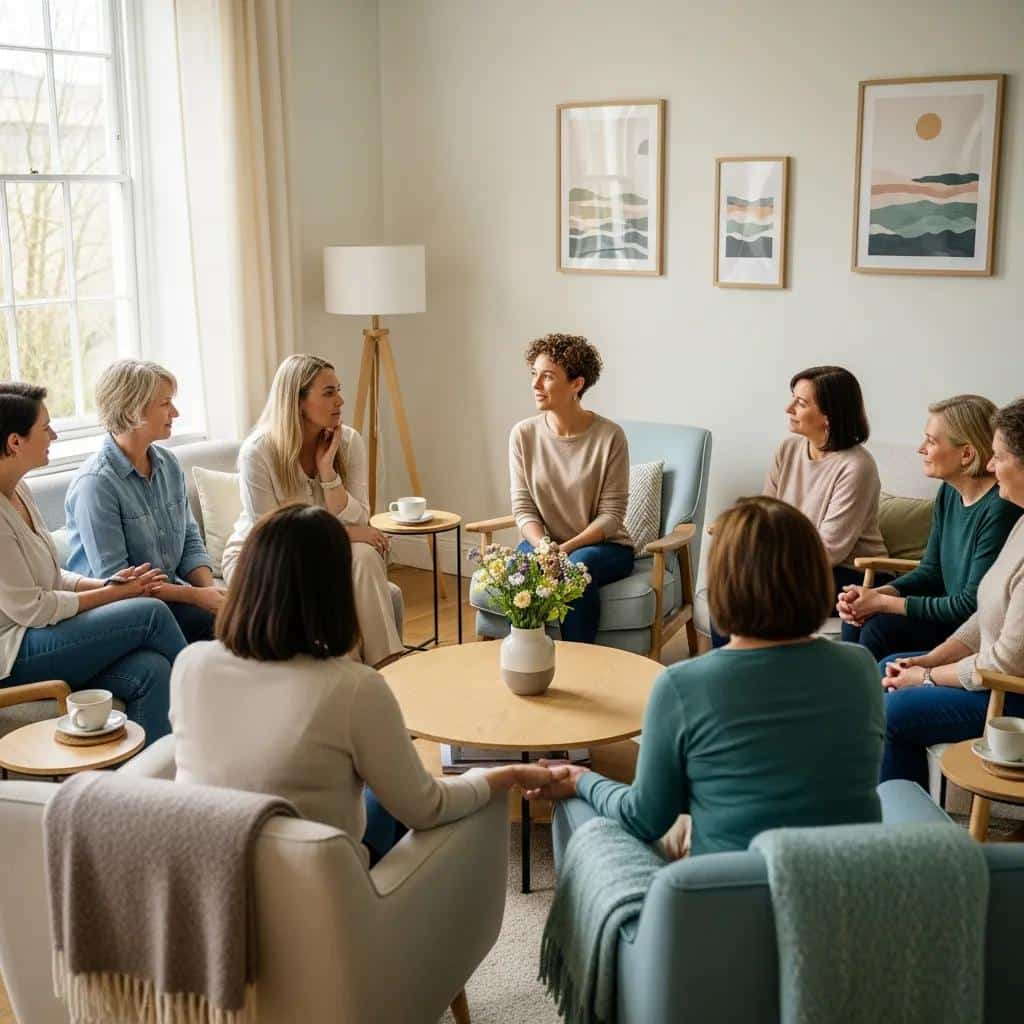
Depression Care and Women’s Mental Health Programs in Orange County
Depression can be complex and shows up differently for many women because of biological, psychological, and social influences. This page explains common signs and symptoms, how trauma-informed care supports recovery, and treatment options when other problems occur alongside depression. It also outlines how women in Orange County can connect with specialized counseling and support programs tailored to their needs.
What Are the Signs and Symptoms of Depression in Women?
Depression often looks different in women than in men. Hormonal changes, social expectations, and life experiences shape how symptoms appear. Recognizing warning signs early can lead to faster help and better outcomes. Women may notice emotional and physical changes that interfere with daily life.
How Does Depression Present Differently in Women?
Women may experience persistent sadness, heightened anxiety, or feelings of low self-worth. Hormonal shifts—during menstruation, pregnancy, postpartum, and menopause—can make symptoms worse. Caregiving roles and outside pressures also contribute to higher rates of depression among women.
What Are Common Emotional and Physical Symptoms of Depression?
Common emotional symptoms include:
- Persistent Sadness: Ongoing feelings of sadness, numbness, or emptiness.
- Anxiety: More frequent or intense worry and fear.
- Irritability: Increased sensitivity, frustration, or mood swings.
Physical symptoms may include:
- Fatigue: Chronic tiredness or low energy that doesn’t improve with rest.
- Sleep Disturbances: Trouble falling or staying asleep, or sleeping too much.
- Changes in Appetite: Noticeable weight loss or weight gain from eating changes.
Noticing these patterns is the first step toward getting support and finding an effective plan for recovery.
How Does Trauma-Informed Care Support Depression Recovery in Women?
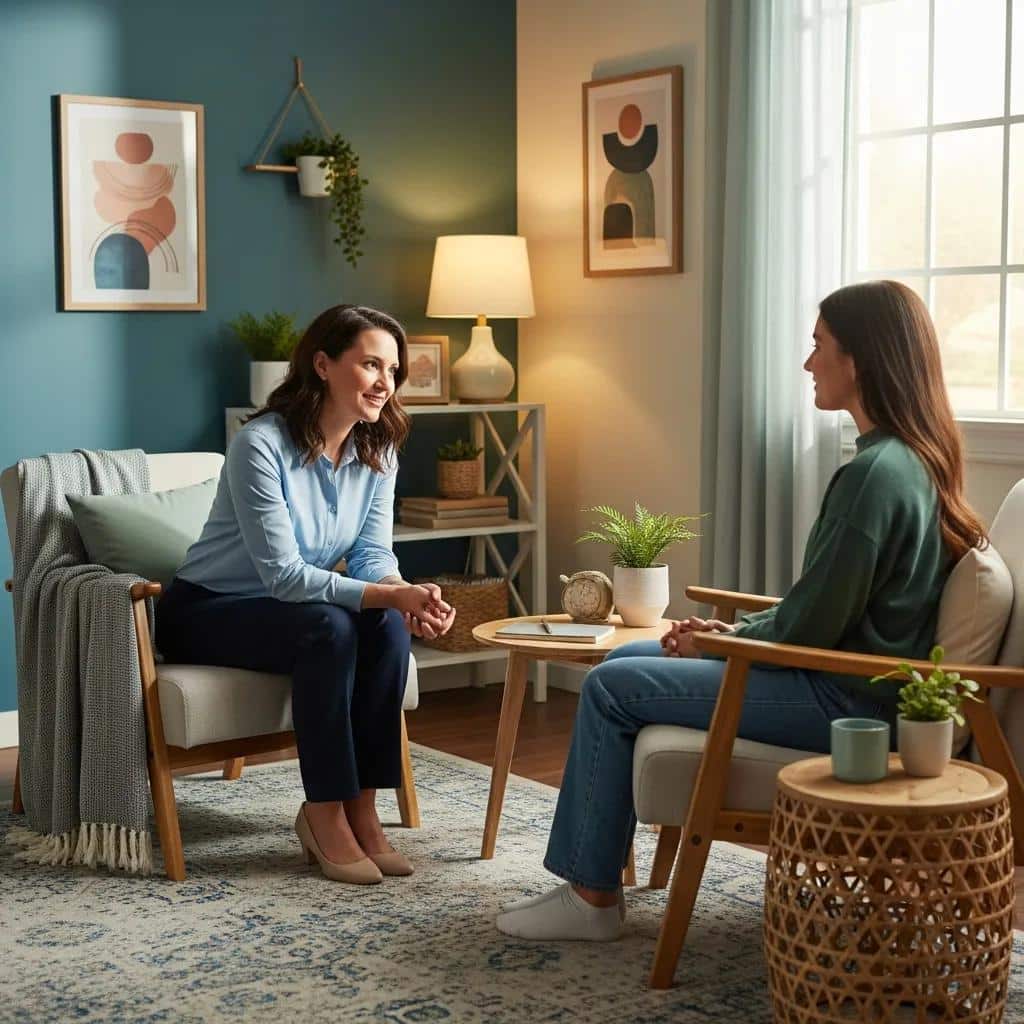
Trauma-informed care recognizes how past trauma affects mental health. For many women, connecting trauma and depression is essential to healing. This approach emphasizes safety, trust, choice, collaboration, and empowerment throughout treatment.
What Is Trauma-Informed Care and Why Is It Important?
Trauma-informed care means understanding and responding to how trauma shapes behavior, emotions, and relationships. Many women with depression have trauma histories that complicate recovery. A safe, respectful treatment environment helps women feel seen, heard, and ready to take steps toward healing.
How Does Trauma Affect Depression and Co-Occurring Disorders?
Trauma can deepen mental health struggles and contribute to co-occurring conditions like anxiety and substance use. Women with trauma histories may have difficulty regulating emotions and may use unhealthy coping strategies. Recognizing this connection is vital for creating treatment plans that address depression and related issues together.
What Treatment Options Are Available for Co-Occurring Disorders in Women?
Women with co-occurring disorders often do best with integrated treatment that treats mental health and substance use together. Care focuses on the whole person and is tailored to women’s specific needs.
How Is Substance Abuse Treated Alongside Depression?
Treatment typically blends therapy, medication when appropriate, and peer or clinician-led support groups. Cognitive Behavioral Therapy (CBT) helps women see how substance use and depression interact and teaches practical skills to manage both conditions.
What Are Women-Specific Residential Treatment Programs in Orange County?
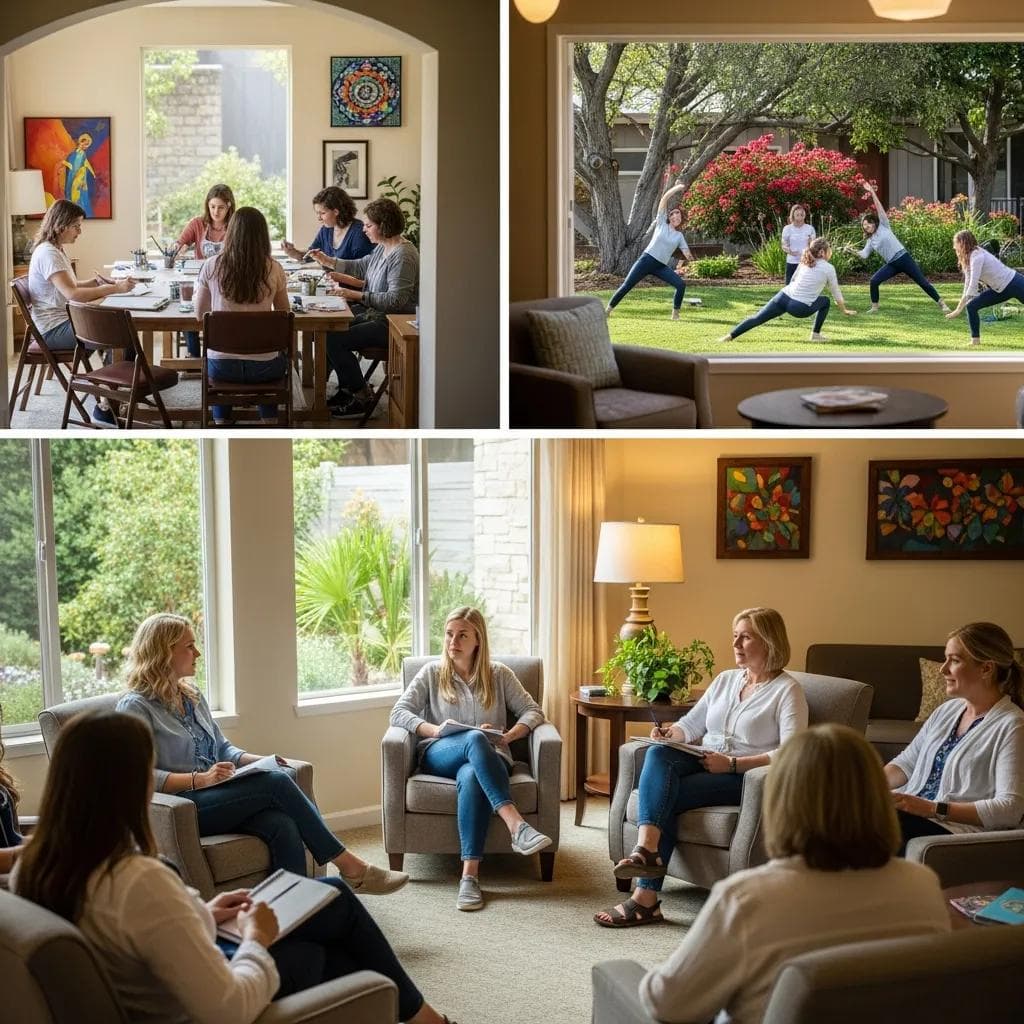
In Orange County, women-only residential programs offer focused support for those facing depression and substance use challenges in a safe, structured setting. Sun County Wellness provides trauma-informed care designed around women’s unique needs.
How Can Women Access Mental Health Counseling and Support in Orange County?
Finding the right services can feel overwhelming, but knowing the steps makes it easier. Women in Orange County can access a range of resources, including specialized programs created for their specific situations.
What Is the Admission Process for Women’s Mental Health Programs?
Admission usually starts with an initial assessment to identify needs and the most appropriate treatment options. This can include interviews, questionnaires, and a review of medical history and current symptoms. Knowing what to expect helps women prepare for the next steps in their recovery.
Where to Find Women-Only Mental Health and Substance Abuse Services?
Women can find services at community health centers, private practices, and specialized treatment facilities. Sun County Wellness is a local provider focused on women-specific programs that address depression, trauma, and co-occurring disorders.
Different treatment options available for women with co-occurring disorders can be compared as follows:
Treatment Type
Description
Benefits
Integrated Therapy
Combines mental health and substance use treatment in a coordinated plan
Addresses both issues at once for better overall outcomes
Support Groups
Peer-led and clinician-supported groups for shared experience and guidance
Builds community, reduces isolation, and provides practical coping tips
Residential Programs
Intensive, structured living programs that focus on recovery
Provides concentrated care in a stable, supportive environment
This overview highlights the range of treatment options and why integrated approaches often support more effective, lasting recovery.
To further support women’s mental health, Sun County Wellness offers individual therapy, group counseling, and specialized programs for co-occurring disorders tailored to each person’s needs.
Knowing the signs of depression, the benefits of trauma-informed care, and available treatment options is an important part of recovery. Women in Orange County can access programs that provide compassionate support for healing and growth.
Frequently Asked Questions
What are the long-term effects of untreated depression in women?
Untreated depression can lead to lasting problems such as chronic physical health issues, increased risk of substance misuse, and strained relationships. It can worsen other medical conditions and create a cycle of declining mental health. Early intervention lowers these risks and improves long-term well-being.
How can family and friends support a woman dealing with depression?
Family and friends can help by listening without judgement, encouraging professional care, and offering patience. Practical support—like helping with daily tasks or going to appointments—also matters. Learning about depression helps loved ones offer more effective, compassionate support.
What lifestyle changes can help improve mental health in women?
Regular physical activity, a balanced diet, and consistent sleep form a strong foundation. Mindfulness practices such as meditation or yoga reduce stress. Staying connected with friends and hobbies adds meaning and joy. Together with professional care, these habits support recovery and long-term mental health.
Are there specific therapies that work best for women with depression?
Several therapies are effective for women with depression. Cognitive Behavioral Therapy (CBT) helps change unhelpful thoughts and behaviors. Dialectical Behavior Therapy (DBT) focuses on emotional regulation and coping skills. Interpersonal Therapy (IPT) addresses relationship and role-related stress. The best approach depends on individual needs—work with a mental health professional to find the right fit.
What role does medication play in treating depression in women?
Medication can be a key part of treatment for moderate to severe depression. Antidepressants like SSRIs and SNRIs may help regulate brain chemistry that affects mood. Medication often works best alongside therapy and lifestyle changes. Women should collaborate closely with their healthcare provider to find the right medication and dose.
How can women find support groups for depression in Orange County?
Women in Orange County can find support groups through local mental health organizations, community health centers, and hospitals. Online directories and social media also list local groups. Resources like Sun County Wellness may provide listings for women-focused support groups that offer safe spaces to share experiences and coping strategies.