

Clinically Reviewed By Brittany Astrom - LMFT
Brittany has 15 years of experience in the Mental Health and Substance Abuse field. Brittany has been licensed for almost 8 years and has worked in various settings throughout her career, including inpatient psychiatric treatment, outpatient, residential treatment center, PHP and IOP settings.
Family Dynamics in Addiction: Understanding the Impact and Path to Recovery
The Concept of Family Dynamics
Family dynamics refer to the interactions, relationships, and behavioral patterns within a family unit. When addiction enters the picture, these family relationships shift, often leading to unhealthy dynamics that reinforce addictive behavior. Understanding how dysfunctional families operate under the strain of substance use disorder (SUD) is essential to breaking the cycle of addiction and fostering healthy communication.

How Addiction Affects Families
Addiction is often called a family disease because it impacts the entire family unit, not just the addicted individual. The effects of addiction ripple through households, causing emotional distress, poor communication, and breakdowns in trust. Children of parents struggling with drug addiction or alcohol use disorders may face neglect, instability, and even emotional abuse or sexual abuse.
The Impact of Substance Use Disorders (SUDs)
Genetic Factors and Family History
A person’s risk of developing substance use disorder is influenced by genetic factors, environmental exposure, and family history. The U.S. Department of Health and Human Services notes that individuals with a biological parent who has struggled with alcohol misuse, drug abuse, or mental health disorders have a greater chance of developing substance abuse disorder themselves.
Common Characteristics of Families Affected by SUDs
In households impacted by continued substance misuse, several behavioral patterns emerge:
- Enabling behaviors – Family members protect the addicted individual from consequences, perpetuating the disease of addiction.
- Poor communication – Communication breakdowns occur as family members avoid discussing issues or resort to negative family dynamics like blaming or yelling.
- High levels of stress and conflict – Constant tension leads to constant worry, fights, and in some cases, intimate relationships turning into abusive relationships.
Dysfunctional Roles in Families
Families affected by substance abuse disorder often take on dysfunctional roles, which contribute to unhealthy dynamics. These roles include:
The Role of the Enabler
The enabler, often a biological parent or partner, minimizes the problem, making excuses for the addicted individual and preventing them from seeking treatment options.
The Scapegoat in Active Addiction
The scapegoat is blamed for the family’s dysfunction, often acting out through problematic substance use, criminal behavior, or defiance.
The Hero’s Burden
The hero takes on excessive responsibility, trying to maintain the family’s reputation. This individual, often the adolescent child or middle child, may experience mental health disorders like anxiety or depression.
The Lost Child
The lost child withdraws, avoiding conflict by isolating themselves. They may develop avoidance behaviors that carry into adulthood.
Family Structures and Addiction Dynamics

Couples Facing Addiction
In intimate relationships where addiction is present, dependent relationships and destructive cycles often form. Codependency, secrecy, and poor communication can prevent healing.
Dynamics in Blended Families
A blended family facing parental substance misuse may struggle with role confusion and boundary-setting. Stepparents, extended family, and siblings may have difficulty navigating expectations while managing the impact of substance use.
The Evolution of Family Roles During Recovery
Transitioning from Dysfunction to Support
As the recovery process begins, family members must shift from dysfunctional roles to supportive relationships. This means breaking patterns of dependent behaviors, setting boundaries, and prioritizing healthy attachment.
Redefining Family Relationships
Healing requires rebuilding family bonds based on trust, healthy communication, and accountability. This transition can be challenging, but with time, families can shift from unhealthy family dynamics to positive behaviors.
The Importance of Family Involvement in Treatment
Engaging Family Members in Recovery Programs
Families play a critical role in the treatment process. Addiction treatment centers encourage participation in comprehensive recovery programs, which offer resources for supportive families to learn about dynamics of addiction and how to foster secure attachments.
The Role of Family Therapy
Family therapy sessions help loved ones navigate harmful behaviors, improve communication skills, and heal past wounds. Addiction counseling within family therapy allows members to break free from dysfunctional roles and create supportive relationships.
Strategies for Healthy Communication
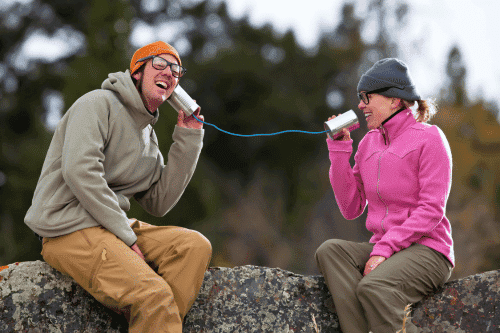
Setting Boundaries
Boundaries are crucial in addiction recovery. They prevent enabling behaviors and encourage independence, ensuring that the individual in recovery takes responsibility for their actions.
Active Listening Techniques
Practicing active listening helps family members develop healthy communication and build a safe space for honest discussions. This involves:
- Making eye contact
- Reflecting on what is being said
- Avoiding judgment or interruptions
- Encouraging open dialogue
Conclusion
The impact of family dynamics on addiction is profound, but healing is possible through family systems theory, therapy, and supportive relationships. Families must address unhealthy dynamics, replace harmful substance exposure with protective factors, and actively participate in substance abuse treatment. With long-term recovery in mind, families can transform negative family dynamics into healthy dynamics, ensuring a brighter future for all members of the family unit.

Seeking Treatment? We Can Help
At Sun County Wellness, as an in-network provider we work with most insurance plans, such as:
If you or a loved one are struggling with mental health challenges or substance abuse, reach out to Sun County Wellness today. Our team of compassionate professionals is here to support your journey towards lasting well-being. Give us a call at 949-993-1149
Visit SAMHSA or contact us today for more inforamtion.