

Clinically Reviewed By Brittany Astrom - LMFT
Brittany has 15 years of experience in the Mental Health and Substance Abuse field. Brittany has been licensed for almost 8 years and has worked in various settings throughout her career, including inpatient psychiatric treatment, outpatient, residential treatment center, PHP and IOP settings.
Comprehensive Fentanyl and Xylazine Addiction Treatment for Women: Symptoms, Risks, and Recovery
Fentanyl and xylazine combined represent a rapidly escalating public health crisis for women, fueling overdose rates and complex withdrawal challenges. This article offers a detailed exploration of how these substances affect the body, the unique risks they pose, and gender-responsive pathways to sustained recovery. You will learn what these drugs are, recognize critical symptoms, navigate detox and medication-assisted treatment, and discover why specialized, trauma-informed care at Sun County Wellness can empower lasting healing.
What Are Fentanyl and Xylazine? Understanding Their Effects and Risks
Fentanyl and xylazine are potent psychoactive compounds whose co-use exponentially increases overdose potential and complicates standard opioid reversal protocols.
What Is Fentanyl and How Does It Affect the Body?
Fentanyl is a synthetic opioid that binds to mu-opioid receptors, producing intense analgesia and euphoria by suppressing pain signaling and respiratory drive.
- It is up to 100 times more potent than morphine, leading to rapid onset of tolerance and dependence.
- Respiratory depression from fentanyl can become life-threatening within minutes of use.
- Chronic exposure rewires neural pathways associated with reward and stress regulation, fueling compulsive drug-seeking behavior.
This potent mechanism underlies the urgency for medically supervised detox and evidence-based therapies.
What Is Xylazine (Tranq Dope) and Why Is It Dangerous?
Xylazine is a veterinary sedative that enhances central nervous system depression by agonizing alpha-2 adrenergic receptors, causing prolonged sedation and hypotension.
- Not approved for human use, it can induce bradycardia and profound low blood pressure.
- Its tissue-necrotic properties often lead to severe skin ulcers and soft tissue infections.
- Because naloxone doesn’t reverse xylazine’s effects, overdose management demands advanced medical intervention.
Understanding xylazine’s sedative mechanism highlights the need for specialized wound care and cardiovascular monitoring during treatment.
How Do Fentanyl and Xylazine Interact to Increase Overdose Risk?
When combined, fentanyl’s respiratory suppression and xylazine’s cardiovascular depression create a synergistic overdose threat that standard opioid reversal cannot fully counteract.
Substance Combination
Primary Effect
Overdose Complication
Fentanyl + Xylazine
Respiratory & cardiac depression
Naloxone-resistant sedation and hypotension
The overlapping sedative pathways demand comprehensive emergency protocols that extend beyond naloxone administration into advanced supportive care.
Xylazine and Fentanyl Co-Involvement in U.S. Overdose Deaths: A Systematic Review of Public Health Trends, Mechanisms, and Intervention Gaps
“This systematic review highlights that xylazine, often combined with fentanyl, complicates clinical management due to its non-opioid pharmacological profile and unresponsiveness to naloxone. Its physiological effects, including profound central nervous system depression, hypotension, and vasoconstriction, contribute to unique clinical presentations and increased overdose mortality.”
“This review supports the article’s claims about the synergistic overdose threat of fentanyl and xylazine, the limitations of naloxone, and the complex physiological effects requiring advanced medical intervention.”
What Are the Signs and Symptoms of Fentanyl and Xylazine Use?
Identifying early indicators of use can save lives and prompt timely intervention in women at risk.
- Physical Signs: drowsiness, slurred speech, pinpoint pupils, shallow respiration
- Behavioral Indicators: social withdrawal, neglect of responsibilities, secretive purchasing patterns
- Psychological Effects: anxiety, depression, mood swings, drug-seeking rituals
Recognizing these signs in a loved one guides families toward compassionate engagement and professional evaluation.
What Unique Dangers Does Xylazine Pose, Including Skin and Tissue Damage?
Xylazine’s vasoconstrictive and cytotoxic effects create distinctive medical concerns that require specialized wound care during treatment.
- Chronic injection can produce deep skin ulcers and abscesses.
- Poor blood flow to tissues leads to necrosis and severe infections.
- Healing complications prolong withdrawal challenges and increase relapse risk.
Xylazine-Associated Wounds and Related Health Concerns Among People Who Use Drugs: Reports From Front-Line Health Workers in 7 US States
“This study highlights that xylazine-associated wounds are a primary consequence of xylazine-fentanyl use, characterized by their prevalence, persistence, and severity. These wounds often begin as small lesions, progressing to necrotic skin ulcerations that can affect significant areas of skin, fat, and muscle, sometimes leading to amputation. The wounds can appear both at and away from injection sites due to xylazine’s vasoconstrictive properties.”
“This research directly supports the article’s detailed description of xylazine’s tissue-necrotic properties and the severe skin ulcers and infections it causes, emphasizing the need for specialized wound care.”
Effective addiction treatment for women must integrate dermatological care with detox protocols to address these scars and support holistic healing.
What Are the Withdrawal Symptoms and Detox Challenges for Fentanyl and Xylazine?
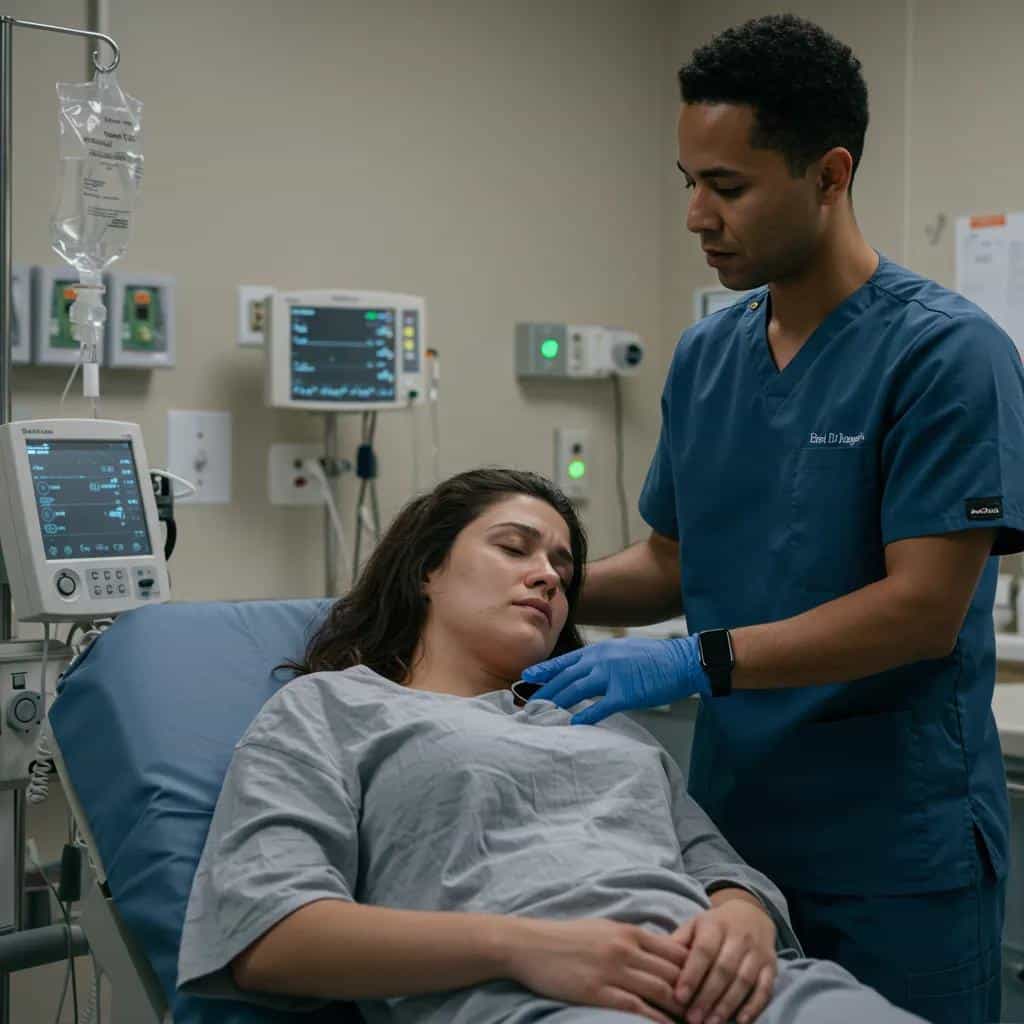
Withdrawal from this combination presents compounded physiological and psychological distress that demands medical supervision and targeted strategies.
What Are Common Fentanyl Withdrawal Symptoms in Women?
Fentanyl withdrawal in women often manifests as intense cravings, flu-like discomfort, and heightened emotional distress due to hormonal and stress-response differences.
- Muscle aches, sweating, chills, and gastrointestinal upset
- Anxiety, insomnia, irritability, and tearfulness
- Dysregulated stress hormones amplify withdrawal severity
These symptoms underscore the importance of a medically supervised detox environment with gender-responsive support.
How Does Xylazine Withdrawal Differ and What Complications Arise?
Abrupt cessation of xylazine leads to rebound hypertension, tachycardia, and severe agitation since its alpha-2 adrenergic blockade reverses suddenly.
- Elevated heart rate and blood pressure spikes
- Intense restlessness and insomnia
- Potential for delirium and cardiovascular instability
Managing these complications requires careful tapering protocols and cardiovascular monitoring.
How Is Medical Detox Managed for Fentanyl and Xylazine Addiction?
Medical detox combines gradual medication tapering, symptom management, and continuous medical supervision to ensure safety and comfort.
- 1Medication Titration – Slow reduction of buprenorphine or methadone for opioid stabilization
- 2Cardiovascular Support – Antihypertensives and fluid management to counter xylazine rebound
- 3Symptom Relief – Clonidine for autonomic symptoms, anti-inflammatories for muscle pain, IV fluids for hydration
This integrated approach minimizes risk and lays the groundwork for therapeutic engagement.
What Are Effective Strategies to Manage Xylazine Withdrawal Complications?
Specialized skin care and infection prevention are critical alongside cardiovascular stabilization.
- Wound Management: Regular cleaning, debridement, and antibiotic therapy for ulcers
- Nutritional Support: Protein-rich diets to promote tissue repair and immune function
- Psychological Care: Trauma-informed counseling for body-image distress
Addressing these physical and emotional complications promotes resilience and reduces relapse triggers.
Why Do Women Need Specialized Fentanyl and Xylazine Addiction Treatment?

Gender-responsive addiction care recognizes physiological, social, and emotional factors unique to women’s recovery journey.
What Gender-Specific Challenges Do Women Face in Opioid and Xylazine Addiction?
Women often experience accelerated progression from first use to dependence and greater co-occurring mental health conditions, driven by hormonal, social, and trauma-related factors.
- Faster escalation of tolerance and dependence due to hormonal influences on opioid receptors
- Higher rates of depression, anxiety, and PTSD that complicate substance use patterns
- Social stigma and caregiving responsibilities create barriers to seeking help
Challenges for Women Entering Treatment for Opioid Use Disorder
“This review emphasizes that women with opioid use disorder (OUD) face unique challenges, including different responses to opioids based on hormonal factors, higher rates of co-occurring mental health conditions like depression, and a greater likelihood of having experienced trauma. These factors necessitate gender-specific and trauma-informed approaches in treatment.”
“This research underpins the article’s argument for specialized, gender-responsive addiction care that addresses the physiological, social, and emotional factors unique to women, including the high prevalence of co-occurring mental health conditions and trauma.”
How Do Co-Occurring Mental Health Disorders Affect Women’s Recovery?
Dual diagnosis of substance use and mental health disorders demands integrated care, as untreated psychiatric symptoms fuel relapse.
- Co-existing depression or PTSD intensifies cravings and impairs coping skills
- Anxiety disorders heighten withdrawal distress and risk of self-medication
- Comprehensive assessments ensure simultaneous treatment of both conditions
Integrating therapy for mental health with addiction treatment improves outcomes and quality of life.
What Is Trauma-Informed Care and Why Is It Essential for Women?
Trauma-informed care acknowledges the prevalence of past abuse and fosters safety, choice, and empowerment in every treatment phase.
- Creates a supportive environment that avoids re-traumatization
- Incorporates evidence-based modalities like EMDR and somatic therapies
- Builds trust and agency, critical for sustained engagement
This approach underpins long-term recovery by addressing root causes of substance use.
How Does Sun County Wellness Provide Gender-Responsive Treatment?
Sun County Wellness combines a women-only residential setting with holistic programming to address physical, emotional, and social dimensions of addiction.
- Trauma-informed therapy groups led by female clinicians
- On-site wound care and nutritional counseling for xylazine-related injuries
- Family involvement sessions to rebuild support networks
Through this integrative model, women gain the skills and confidence needed for lasting sobriety.
What Medication-Assisted Treatment (MAT) Options Are Available for Fentanyl and Xylazine Dependence?
MAT for opioid use disorder offers FDA-approved medications that stabilize neurochemistry and reduce withdrawal risk, while recognizing xylazine’s challenges.
How Does MAT Work for Opioid Use Disorder Involving Fentanyl?
MAT employs partial and full agonists to bind opioid receptors, mitigating cravings and preventing severe withdrawal.
Medication
Mechanism
Treatment Role
Buprenorphine
Partial mu-agonist
Reduces cravings and withdrawal
Methadone
Full mu-agonist
Stabilizes opioid receptors
Naloxone
Opioid antagonist
Emergency overdose reversal
These medications create a pharmacological bridge for therapeutic engagement and skill-building.
Is There a Reversal Agent for Xylazine Overdose?
No specific antidote exists for xylazine; management focuses on supportive care and symptom control.
- IV fluids and vasopressors to maintain blood pressure
- Airway support and respiratory monitoring
- Wound treatment for injection-related injuries
Ongoing research seeks targeted agents, but current protocols demand vigilant medical supervision.
How Are MAT and Therapy Integrated in Comprehensive Care?
Combining medication with individual and group therapies fosters emotional healing and relapse prevention skills.
- 1Medical Management – Daily dosing under medical supervision
- 2Cognitive Behavioral Therapy (CBT) – Identifies and reshapes maladaptive thoughts
- 3Dialectical Behavior Therapy (DBT) – Teaches emotional regulation and distress tolerance
This dual approach addresses both the biological and psychological facets of addiction.
What Are the Benefits of Dual Diagnosis Treatment for Women?
Treating co-occurring disorders in tandem yields higher retention and reduced relapse rates.
- Streamlined care eliminates fragmented referrals
- Collaborative teams ensure consistent treatment goals
- Holistic focus on mind-body healing enhances overall well-being
Women emerge from dual diagnosis programs with stronger coping strategies and healthier support networks.
How Does Recovery and Aftercare Support Women Overcoming Fentanyl and Xylazine Addiction?
Sustained recovery depends on a continuum of care that reinforces skills, fosters resilience, and nurtures community.
What Therapeutic Modalities Support Sustained Recovery?
Evidence-based therapies create a toolbox for managing triggers, processing trauma, and rebuilding self-esteem.
- CBT improves coping with cravings and negative thinking
- DBT provides skills for emotion regulation and interpersonal effectiveness
- EMDR addresses unresolved trauma driving substance use
Regular practice of these modalities strengthens long-term sobriety through neural rewiring.
How Do Holistic Therapies Enhance Women’s Addiction Recovery?
Complementary practices nurture physical health and emotional balance alongside clinical interventions.
- Yoga and Mindfulness reduce stress hormones and increase body awareness
- Nutrition Counseling repairs tissue damage from xylazine and supports mood stability
- Art and Equine Therapy foster creative self-expression and confidence
This holistic integration meets women where they are and honors the mind-body connection in healing.
What Are Effective Relapse Prevention Strategies for Fentanyl and Xylazine?
Proactive planning and skill development empower women to navigate high-risk situations with confidence.
- Identify personal triggers and develop coping scripts
- Establish sober support networks and accountability partners
- Implement daily self-care routines and stress-management techniques
Embedding these strategies into aftercare reduces vulnerability during transitional phases.
How Does Aftercare Planning and Sober Living Support Women Post-Treatment?
Structured transitional housing and ongoing case management bridge the gap between residential care and independent living.
- Sober living environments reinforce accountability and peer support
- Continued therapy and medical check-ins monitor mental health and MAT needs
- Vocational and educational support fosters self-sufficiency
This layered approach minimizes isolation and sustains momentum toward long-term recovery.
How Can Families Support Women Facing Fentanyl and Xylazine Addiction?
Families play a crucial role in recovery by offering education, empathy, and structured involvement.
What Resources Are Available for Loved Ones of Women in Treatment?
Educational programs and support groups equip families to understand addiction and communicate effectively.
- Al-Anon and Nar-Anon meetings for peer support
- Family therapy sessions guided by licensed clinicians
- Online workshops on boundaries, relapse prevention, and self-care
These resources promote healthy dynamics and collective healing.
How Does Family Involvement Improve Treatment Outcomes?
Engaged families reduce dropout rates and reinforce positive behavioral changes through consistent encouragement.
- Education on relapse signs and early intervention
- Joint goal-setting fosters shared accountability
- Improved communication rebuilds trust and reduces stigma
Active family participation transforms treatment from an individual journey into a supportive community effort.
What Are Signs That a Woman Needs Help with Fentanyl and Xylazine Addiction?
Early recognition empowers families to seek professional care before crises escalate.
- Noticeable changes in appearance, hygiene, or weight
- Unexplained absences from work or social activities
- Secretive behavior around medications or financial irregularities
Prompt action based on these signs can redirect a loved one toward evidence-based care.
How Do Women Access Fentanyl and Xylazine Treatment at Sun County Wellness? Admissions and Insurance Information
Sun County Wellness streamlines admissions and insurance verification to reduce barriers and begin gender-focused care without delay.
What Is the Admissions Process for Women Seeking Treatment?
A compassionate intake team guides each woman through assessment, treatment planning, and personalized care coordination.
- 1Initial Contact – Confidential phone or online inquiry
- 2Clinical Assessment – Comprehensive evaluation of medical, psychological, and social needs
- 3Treatment Plan Development – Collaborative goal-setting with nursing and clinical staff
- 4Program Admission – Seamless transition into residential or outpatient care
This structured process ensures safety, clarity, and emotional support from day one.
How Can Women Verify Insurance Coverage for Fentanyl and Xylazine Rehab?
Dedicated insurance specialists facilitate benefit checks and out-of-pocket cost estimates, alleviating financial uncertainty.
- Collect provider and subscriber information for verification
- Confirm coverage levels for detox, residential, and outpatient services
- Assist with prior authorizations and payment plans as needed
Clear guidance on coverage empowers women to focus on healing rather than paperwork.
What Should Women Expect During Their Initial Assessment?
A thorough yet compassionate evaluation establishes a baseline for holistic, gender-responsive treatment.
- Medical history and physical exam, including skin and cardiovascular checks
- Mental health screening for trauma, depression, and anxiety
- Social support assessment, including family involvement and housing stability
Findings inform a customized care plan that honors each woman’s unique journey.
How Can Women Contact Sun County Wellness for Support and Questions?
For confidential inquiries, insurance questions, or immediate support, reach out to the admissions team:
- Phone: (800) 555-1234
- Online form: Sun County Wellness – Women’s Mental Health and Addiction Treatment
Early connection brings clarity, compassion, and a clear path toward recovery.
Recovery from fentanyl and xylazine addiction is possible through specialized, comprehensive care that addresses both substances’ complex effects and women’s unique needs. Sun County Wellness’s trauma-informed, gender-responsive approach integrates medical detox, medication-assisted treatment, and holistic therapies to foster physical healing and emotional resilience. Families and clinical teams working together enhance safety and support at every stage, from admissions through aftercare and sober living. If you or a loved one needs guidance on admissions or insurance verification, reach out today to begin a transformative journey toward lasting recovery and empowerment.
Frequently Asked Questions
What are the long-term effects of fentanyl and xylazine use on women's health?
Long-term use of fentanyl and xylazine can lead to severe health complications, particularly for women. Chronic exposure to fentanyl can result in persistent respiratory issues, hormonal imbalances, and increased risk of mental health disorders such as anxiety and depression. Xylazine, on the other hand, can cause significant tissue damage, leading to chronic wounds and infections. Additionally, the combination of these substances can exacerbate existing health conditions, making recovery more challenging and necessitating comprehensive medical care.
How can families effectively support a woman in recovery from fentanyl and xylazine addiction?
Families can play a crucial role in supporting a woman in recovery by fostering a nurturing and understanding environment. This includes educating themselves about addiction, attending family therapy sessions, and participating in support groups like Al-Anon or Nar-Anon. Open communication is vital; families should encourage discussions about feelings and challenges without judgment. Additionally, helping to establish a stable home environment and being involved in aftercare planning can significantly enhance the recovery process and reduce the risk of relapse.
What role does nutrition play in recovery from fentanyl and xylazine addiction?
Nutrition is a critical component of recovery from fentanyl and xylazine addiction. A balanced diet helps repair the body from the physical damage caused by substance use, supports immune function, and stabilizes mood. Nutritional counseling can guide individuals in choosing foods that promote healing, such as those rich in protein, vitamins, and minerals. Proper nutrition also aids in managing withdrawal symptoms and cravings, making it an essential part of a comprehensive treatment plan that addresses both physical and emotional health.
What are the signs of a potential relapse in women recovering from addiction?
Recognizing the signs of potential relapse is crucial for women in recovery. Common indicators include increased isolation, neglecting self-care, changes in mood or behavior, and a return to old social circles associated with substance use. Additionally, expressing feelings of hopelessness or frustration, along with a decrease in participation in recovery activities, can signal a risk of relapse. Early intervention through support from family, friends, or counselors can help address these signs and reinforce recovery efforts.
How does trauma-informed care specifically benefit women in addiction treatment?
Trauma-informed care is essential for women in addiction treatment as it acknowledges the high prevalence of trauma among this population. This approach fosters a safe and supportive environment, allowing women to feel empowered and in control of their recovery journey. By integrating trauma-informed practices, treatment providers can address underlying issues that contribute to substance use, such as PTSD or anxiety. This holistic approach not only enhances engagement in treatment but also promotes healing and resilience, leading to better long-term outcomes.
What are the benefits of group therapy for women recovering from fentanyl and xylazine addiction?
Group therapy offers numerous benefits for women recovering from fentanyl and xylazine addiction. It provides a supportive community where individuals can share experiences, challenges, and successes, fostering a sense of belonging. Group settings encourage accountability and motivation, as participants can learn from one another and develop coping strategies together. Additionally, group therapy can help reduce feelings of isolation and stigma, empowering women to build strong support networks that are crucial for sustained recovery.

Seeking Treatment? We Can Help
At Sun County Wellness, as an in-network provider we work with most insurance plans, such as:
If you or a loved one are struggling with mental health challenges or substance abuse, reach out to Sun County Wellness today. Our team of compassionate professionals is here to support your journey towards lasting well-being. Give us a call at 949-993-1149
Visit SAMHSA or contact us today for more inforamtion.