

Clinically Reviewed By Brittany Astrom - LMFT
Brittany has 15 years of experience in the Mental Health and Substance Abuse field. Brittany has been licensed for almost 8 years and has worked in various settings throughout her career, including inpatient psychiatric treatment, outpatient, residential treatment center, PHP and IOP settings.
Gabapentin Ruined My Life: A Prescription for Pain or a Path to Destruction?
What is Gabapentin?
Gabapentin is a prescription medication primarily used to treat nerve-related conditions. Approved by the FDA in 1993, it was initially intended to manage seizures and nerve pain associated with conditions such as postherpetic neuralgia and diabetic neuropathy. Marketed under brand names like Neurontin, gabapentin is known for its anticonvulsant effects and analgesic effects, making it an effective treatment for various neuropathic pain conditions.
Intended Uses of Gabapentin
Pain Management and Nerve Disorders
Gabapentin is most commonly prescribed for managing chronic pain linked to nerve damage. Conditions like diabetic neuropathy, fibromyalgia, and shingles are among the top reasons healthcare providers recommend this medication. Its mechanism of action involves the regulation of voltage-gated calcium channels, which helps reduce the transmission of pain signals.
Off-Label Uses
In addition to its approved applications, gabapentin is often used off-label to address a range of medical concerns, including Restless Leg Syndrome, anxiety disorders, insomnia, and migraine prevention. These off-label uses have contributed to the medication’s popularity, albeit sometimes raising concerns about the potential for misuse and adverse effects.
The Rise of Gabapentin Misuse
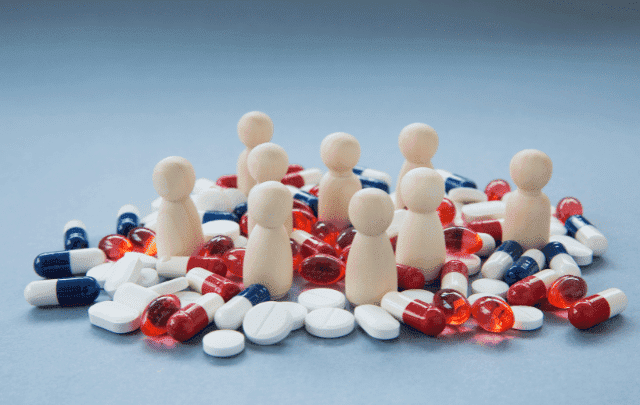
Gabapentin as an Alternative to Opioids
As healthcare providers sought alternatives to opioids amidst the ongoing opioid epidemic, gabapentin emerged as a less addictive option. However, this shift inadvertently opened the door to misuse, dependence within weeks, and gabapentin addiction for some patients.
Statistics and Trends in Misuse
Recent studies reveal an alarming increase in gabapentin misuse. According to the Substance Abuse and Mental Health Services Administration (SAMHSA), a growing number of individuals misuse gabapentin to enhance the effects of opioids or for its calming and euphoric sensations. The potential for abuse compared to traditional opioids highlights the need for careful consideration and medical supervision.
Personal Testimonials: Life with Gabapentin
Psychological Consequences
While gabapentin may provide relief, prolonged misuse can lead to mental health challenges such as mood disorders, anxiety symptoms, panic attacks, and cognitive impairments. Personal accounts often highlight the emotional toll of dependency on gabapentin, with individuals experiencing mood swings and psychological aspects of addiction.
Physical Health Impacts
Physically, gabapentin misuse may result in side effects such as dizziness, fatigue, blurred vision, and gastrointestinal side effects. Long-term abuse can exacerbate health problems, including kidney damage, respiratory distress, and risk of falls due to impaired coordination.
Social and Relational Effects
Gabapentin addiction often extends beyond the individual, straining personal relationships and social interactions. Families and communities are frequently impacted by the ripple effects of substance use disorders and addiction to gabapentin.
Recognizing Gabapentin Addiction
Common Signs and Symptoms
Identifying gabapentin addiction can be challenging. Common signs include increased tolerance, withdrawal symptoms like agitation, Flu-like symptoms, and sweating, as well as prioritizing the drug over daily activities and responsibilities. Behavioral signs such as mood instability and reliance on gabapentin are also red flags.
Risk Factors for Addiction
Certain factors heighten the risk of gabapentin addiction, including a history of substance abuse, co-occurring mental health conditions, chronic pain, and individual susceptibility to addictive substances. Medical history and underlying issues should be evaluated by healthcare professionals.
The Risks Associated with Gabapentin Misuse
Short-Term Effects
Short-term misuse of gabapentin can lead to effects such as dizziness, confusion, and lethargy. In severe cases, reactions to gabapentin include difficulty breathing, severe withdrawal symptoms, and life-threatening allergic reactions.
Long-Term Consequences
Long-term misuse poses more serious risks, including physical dependence, cognitive issues, memory loss, and adverse health effects like organ damage. These consequences underscore the importance of addressing misuse proactively with the help of an addiction treatment specialist.
Seeking Treatment for Gabapentin Dependence
Importance of Medical Detoxification
Medical detoxification is a critical first step in addressing gabapentin dependence. Professional guidance ensures withdrawal symptoms are managed safely, reducing the risk of severe symptoms like suicidal ideation or adverse outcomes from abrupt cessation.
Comprehensive Support Plans
Effective recovery requires a multi-faceted approach. Treatment programs often include medication-assisted treatment, cognitive-behavioral therapy, behavioral therapy, and holistic therapies like art therapy and dialectical behavior therapy. A comprehensive approach addresses both physical dependence and the psychological aspects of addiction.
Recovery Stories: Hope and Healing
Stories of recovery highlight the transformative power of structured treatment programs and strong support networks. Many individuals have overcome the challenges of recovery through individualized treatment plans and aftercare programs that focus on sustained recovery.
Overcoming Addiction
Building a Support Network
A robust support network of family, friends, and healthcare professionals plays a vital role in long-term recovery. Support groups, therapy sessions, and aftercare services provide additional layers of assistance, promoting a healthier future.
Additional Considerations for Gabapentin Misuse
Gabapentin misuse is a growing concern, particularly as it often overlaps with other substance use disorders and co-occurring conditions, such as bipolar disorder, anxiety disorders, and chronic pain syndromes. The misuse of this anticonvulsant medication poses unique challenges due to its addictive potential, effects on neuronal excitability, and role in regulating gamma-aminobutyric acid (GABA), a key neurotransmitter involved in calming overactive nerve activity.
Holistic and Tailored Treatment Approaches
Effective treatment requires a comprehensive approach that addresses not only the misuse of gabapentin but also the underlying medical and psychological conditions. For instance, individuals misusing gabapentin for neuropathic pain syndromes, restless legs syndrome, or as an adjunctive therapy for bipolar illness may need alternative medications and therapeutic interventions. Treatment plans should incorporate Motivational Interviewing, aftercare planning, and a dedicated team of professionals skilled in managing gabapentin withdrawal symptoms and its associated side effects, such as weight gain, muscle pain, and memory issues.
Risks and Side Effects of Gabapentin Misuse
The potential side effects of gabapentin misuse can disrupt both daily life and professional life, including symptoms such as hot flashes, gastrointestinal issues, and coordination or balance issues. Severe reactions, including chest pain, abnormal bursts of electrical activity in the brain, or blood pressure fluctuations, require immediate medical attention. Additionally, long-term side effects such as cognitive decline, addictive behavior, and declines in sleep quality may further complicate recovery efforts.
Abrupt discontinuation of gabapentin can lead to significant withdrawal symptoms, including anxiolytic effects such as increased anxiety, muscle spasms, and a heightened risk of severe side effects like aggressive behavior or seizures. To mitigate these risks, medical professionals recommend gradual tapering under supervision and close monitoring of blood counts and neuronal activity during detox.
Collaborative Care for Effective Recovery
Successful recovery often hinges on collaboration among healthcare professionals, including specialists in anxiety disorder treatment, pain relief, and addiction treatment centers. By addressing the addictive potential of gabapentin through evidence-based approaches, such as motivational counseling, alternative medications, and therapeutic approaches like Cognitive Behavioral Therapy (CBT), individuals can regain daily functioning and improve their overall quality of life. For patients dealing with gabapentin misuse and its abuse potential, rehab centers such as Sun County Wellness provide tailored treatment options designed to manage both the physical and emotional aspects of recovery.
Conclusion: Navigating Life After Gabapentin
Life after gabapentin addiction is not only possible but can be fulfilling and rewarding. By seeking treatment at a dedicated treatment center, collaborating with medical professionals, and embracing healthier coping mechanisms, individuals can reclaim their quality of life. If you or someone you know is struggling with gabapentin misuse, reach out to a trusted healthcare provider or addiction specialist for help. Together, you can embark on a journey to recovery and achieve lasting wellness.

Seeking Treatment? We Can Help
At Sun County Wellness, as an in-network provider we work with most insurance plans, such as:
If you or a loved one are struggling with mental health challenges or substance abuse, reach out to Sun County Wellness today. Our team of compassionate professionals is here to support your journey towards lasting well-being. Give us a call at 949-993-1149
Visit SAMHSA or contact us today for more inforamtion.