5 Star Rated Facility | 1000+ Lives Changed

Call Now | 949-828-0960

Anxiety Treatment for Women in Orange County
Women's Addiction and Mental Health Treatment Center in San Juan Capistrano, CA
Is this the right fit?
Who our anxiety treatment is for
Sun County Wellness treats anxiety in women 18 and older in San Juan Capistrano, in person or virtually. Treatment combines individual and group therapy with psychiatric care when medication is part of the plan. After an assessment, most women start in partial hospitalization (PHP) or intensive outpatient (IOP) and step down to outpatient care as symptoms settle.
A good fit if
- Symptoms are getting in the way of work, family, or daily routines, and weekly therapy alone has not been enough.
- Worry, panic, or avoidance is shrinking your life, and you are skipping work, driving, or social plans.
- You also use alcohol or drugs to cope. We treat both at the same time.
Start somewhere else if
- You are in immediate danger or thinking about ending your life. Call 911 or 988 now, before anything else.
- You need 24-hour supervision or a residential setting right now.
- You are under 18, or you are looking for a co-ed program. Our programs are for women 18 and older.
What We Treat
Verify Insurance
Need to find out if we take your insurance? Call Us Today for verification.
Anxiety disorders are among the most common mental health conditions, affecting millions of individuals worldwide. For residents of Orange County, seeking effective anxiety treatment is essential for improving mental well-being and regaining control over daily life. Whether dealing with mild anxiety or more severe anxiety disorders, professional treatment offers a path toward long-term recovery and improved quality of life.
- Specialized Women-Only Facility in San Juan Capistrano
- In-Network with Aetna, Anthem, Cigna, and more
- Same-Day Assessments Available

Understanding Anxiety Disorders
Anxiety disorders extend beyond occasional nervousness or stress; they represent persistent patterns of intense fear, worry, and physical symptoms, making them a significant mental health disorder. These disorders can interfere with relationships, work, and daily responsibilities, leading to emotional and physical exhaustion. Anxiety is not a one-size-fits-all condition—its presentation varies depending on the type of disorder, its triggers, and the individual’s life circumstances.
Some people experience anxiety as a constant sense of dread or worry, while others may encounter sudden, overwhelming episodes of fear known as panic attacks. In both cases, the symptoms can be debilitating, requiring professional intervention. Without proper treatment, these disorders may worsen over time, affecting the overall quality of life.
There are several specific types of anxiety disorders that mental health professionals commonly treat:
Generalized Anxiety Disorder (GAD):
GAD involves chronic, excessive worry about everyday activities or events, even when there is little reason for concern. People with GAD often feel restless and fatigued and may struggle to focus. They also experience physical symptoms, such as muscle tension, rapid heartbeat, and headaches.Panic Disorder:
Panic disorder is characterized by recurring panic attacks—sudden episodes of intense fear that trigger severe physical symptoms, such as chest pain, shortness of breath, dizziness, and a racing heart. These attacks can feel so overwhelming that many individuals avoid places or situations where they’ve previously experienced panic, limiting their ability to engage in everyday activities.Social Anxiety Disorder:
Also called social phobia, this disorder involves a persistent fear of social situations, such as speaking in public or attending social gatherings. Individuals with social anxiety worry about being judged, embarrassed, or rejected. This fear can result in avoidance of social interactions, making it difficult to maintain relationships or perform well in work or school settings.Obsessive-Compulsive Disorder (OCD) and Post-Traumatic Stress Disorder (PTSD):
Though distinct, these disorders often present with anxiety-related symptoms. OCD involves intrusive thoughts and compulsive behaviors aimed at reducing distress, while PTSD can result from traumatic events, leading to flashbacks, heightened anxiety, and emotional numbness.Separation Anxiety:
Separation anxiety is often associated with children but can affect adults as well. Individuals with this disorder experience intense fear or anxiety about being separated from loved ones, which can impair their ability to function independently.
Conditions We Treat:
Panic Attacks & Panic Disorder
Sudden episodes of intense fear, chest pain, and heart palpitations. We use exposure therapy and CBT to help you regain control.
Social Anxiety & Phobias
Fear of judgment or social situations that limits your life. Our women’s group therapy provides a safe space to build confidence.
Generalized Anxiety (GAD)
Chronic worry and physical tension. We offer holistic stress management and medication management to restore balance.
Symptoms of Anxiety
The symptoms of an anxiety disorder can manifest both physically and emotionally, including:
Physical Symptoms: Rapid heart rate, muscle tension, chest pain, shortness of breath, nausea, and high blood pressure.
Emotional Symptoms: Excessive worry, fear, or panic that interferes with quality of life.
These symptoms can also include insomnia, irritability, anger, and changes in mood or feeling, making it essential to work with a mental health professional or clinician to develop appropriate mental health treatment and stress management options. Untreated anxiety may increase risk of major depressive disorder, borderline personality disorder, schizoaffective disorder, or adjustment disorder over time.
Comprehensive Anxiety Treatment in Orange County
Orange County mental health treatment for anxiety emphasizes a multidisciplinary approach, combining therapy, medicine, meditation, and lifestyle education to address symptoms. Treatment services may involve outpatient care or php (Partial Hospitalization Program), depending on the patient needs and level of stress or crisis intervention required. Treatment centers and depression centers in the region provide personalized treatment services designed to improve confidence, social skills, and mind–body clarity, ensuring care is effective and accessible.
Cognitive Behavioral Therapy (CBT) and Other Therapeutic Approaches
Psychology and psychiatry play a central role in anxiety treatment services, with cognitive behavioral therapy (CBT) being a proven method. CBT helps patients change harmful thought patterns, improving cognition, emotional regulation, and hope.
Other therapeutic approaches include:
Exposure Therapy: Used for phobia, social anxiety disorder, specific phobia, agoraphobia, panic disorder, and separation anxiety disorder, this helps individuals face fears and reduce addiction to avoidance behaviors through gradual desensitization.
Talk Therapy: Provides a safe space for consent-based conversations about feelings and mental health, often used alongside art therapy, dialectical behavior therapy, or trauma-focused care.
These methods support people managing bipolar disorder, mood disorder, personality disorder, schizophrenia, substance abuse, attention deficit hyperactivity disorder, or social anxiety as part of a dual diagnosis treatment plan.
Medication for Anxiety
In some cases, medicine may be prescribed to help regulate symptoms of anxiety disorder and depression center conditions. Medications like SSRIs or beta blockers may reduce palpitations, breathing irregularities, insomnia, and somatic symptoms. Medication works best when combined with therapy to support the brain and mind in healing.
Rehabilitation can put an end to mental health
Call and ask the facility directly or call your own provider to determine if your insurance covers the treatment.
Family-Focused Therapy and Support Systems
Managing Panic Attacks and Severe Anxiety

The Importance of Early Diagnosis
Mental Health Treatment for Co-Occurring Disorders
Lifestyle Changes and Long-Term Recovery
Achieving Mental Wellness in Orange County
With the right treatment, individuals can manage anxiety symptoms and lead fulfilling lives. Orange County anxiety treatment centers provide comprehensive care tailored to each individual’s needs, emphasizing both short-term relief and long-term recovery. Mental health professionals in the area are dedicated to helping patients achieve mental wellness and build resilience in the face of anxiety.
By working closely with healthcare providers, individuals can reduce stress, improve emotional regulation, and achieve lasting mental health.
Seeking Treatment?
FAQ's For Anxiety Disorders
1. What is the most successful treatment for anxiety?
Cognitive behavioral therapy (CBT) combined with medication, such as SSRIs, is among the most effective treatments for anxiety disorders.
2. How to deal with crippling anxiety?
Working with a mental health professional to develop a personalized treatment plan and learning coping skills through therapy are essential for managing severe anxiety.
3. What is the 3-3-3 anxiety treatment?
The 3-3-3 method involves naming three things you see, three sounds you hear, and moving three parts of your body to ground yourself during an anxiety attack.
4. What is the best therapy for high-functioning anxiety?
CBT and exposure therapy are effective for individuals with high-functioning anxiety, helping them recognize triggers and develop coping strategies.
Our Women's Treatment Facility
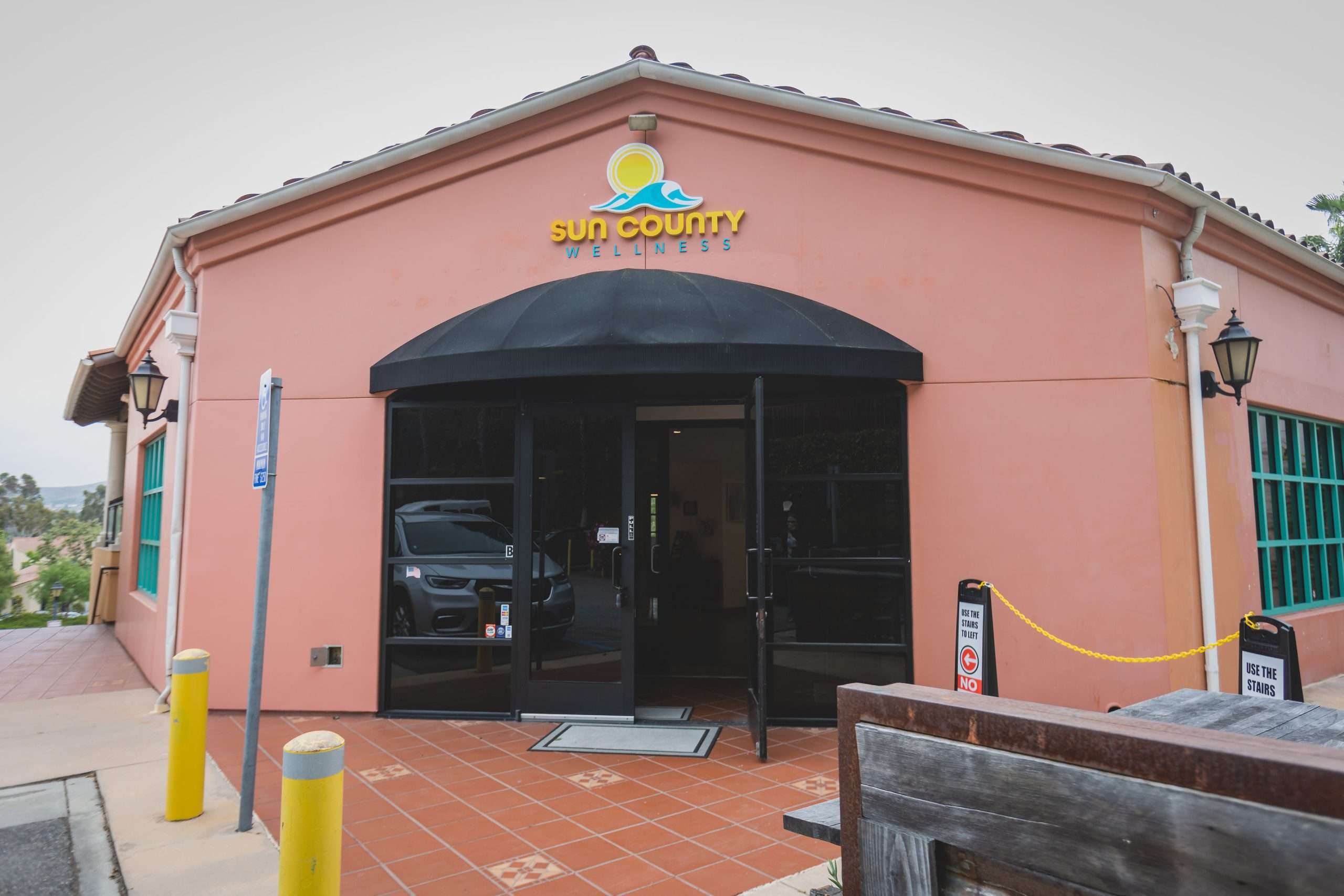
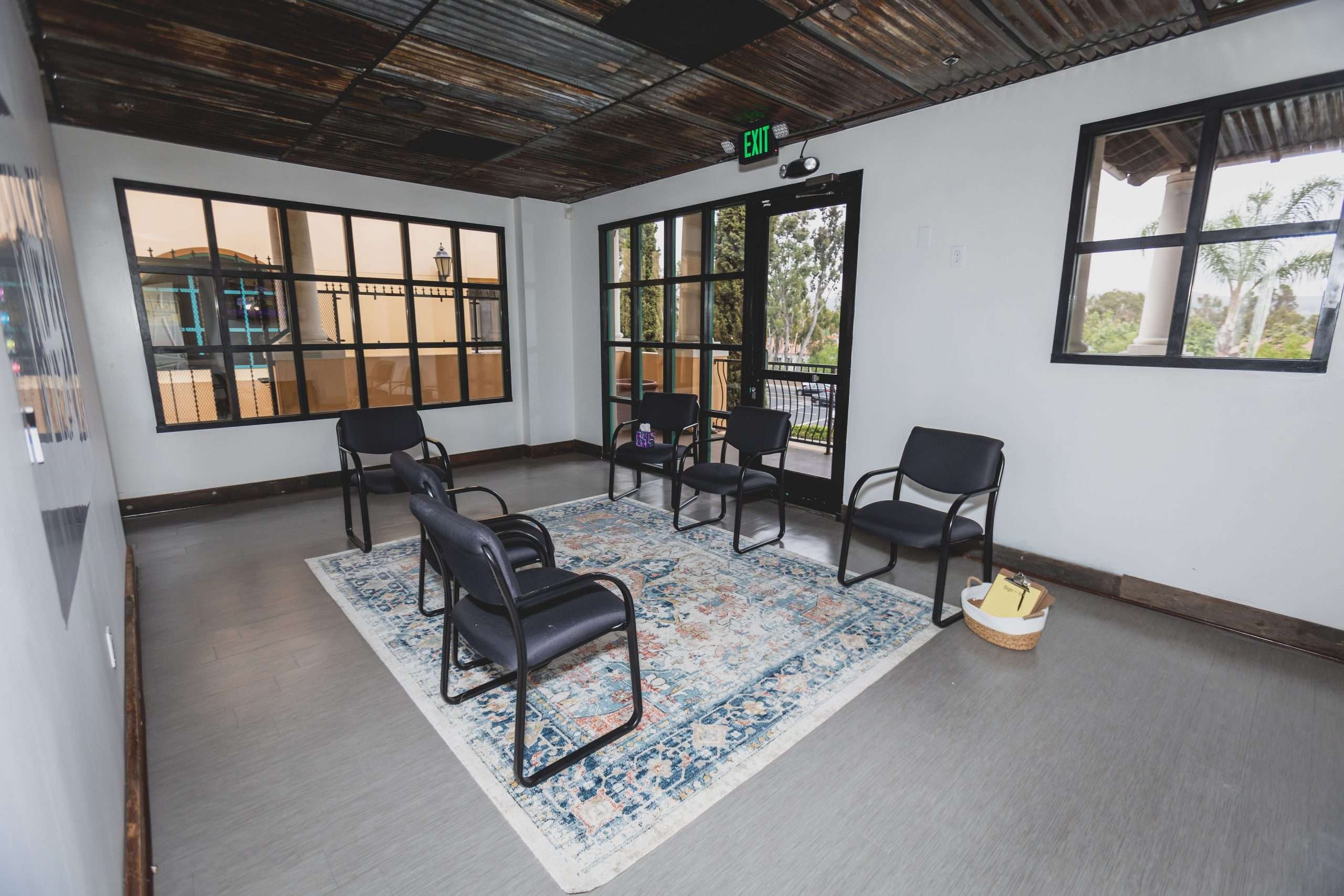
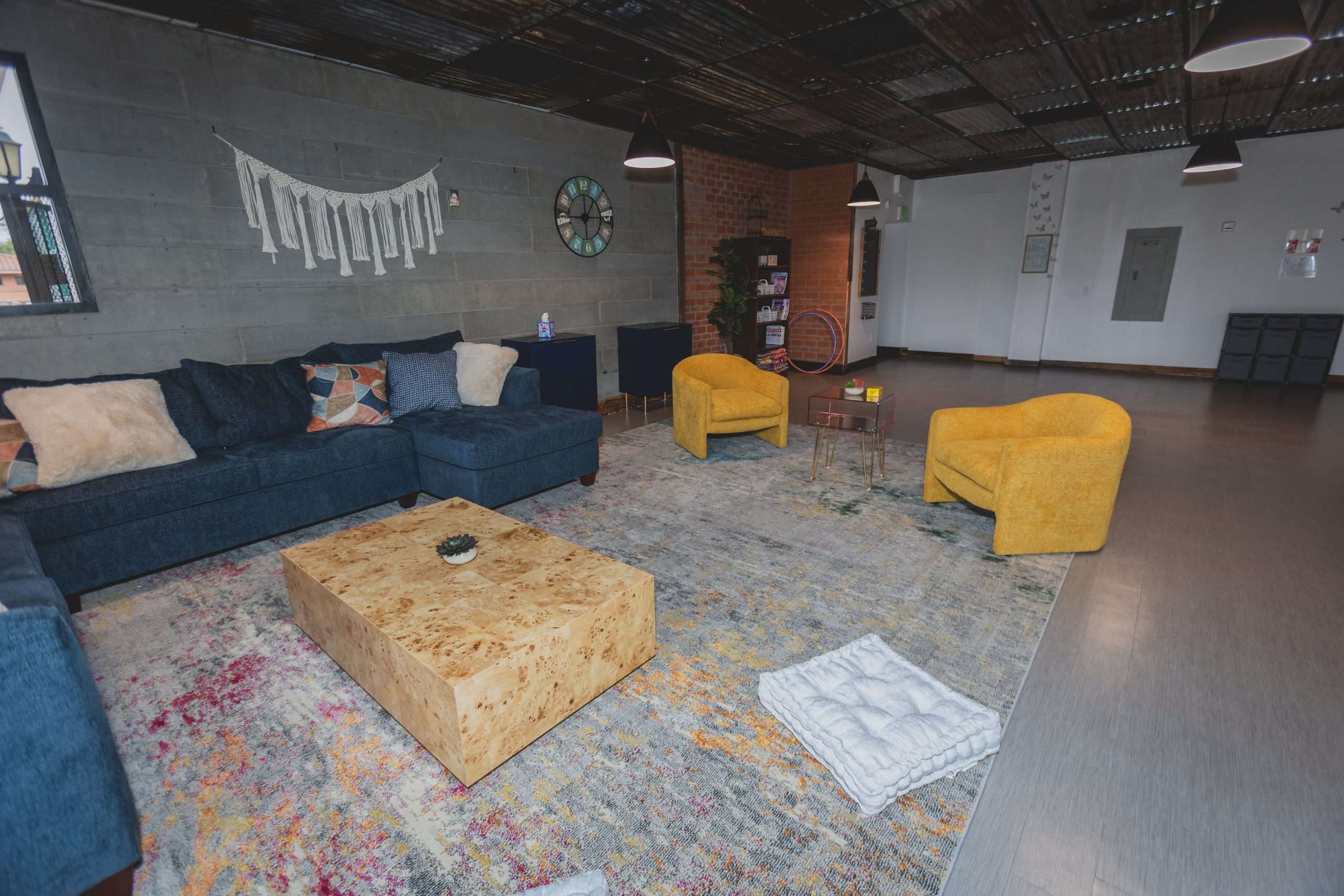

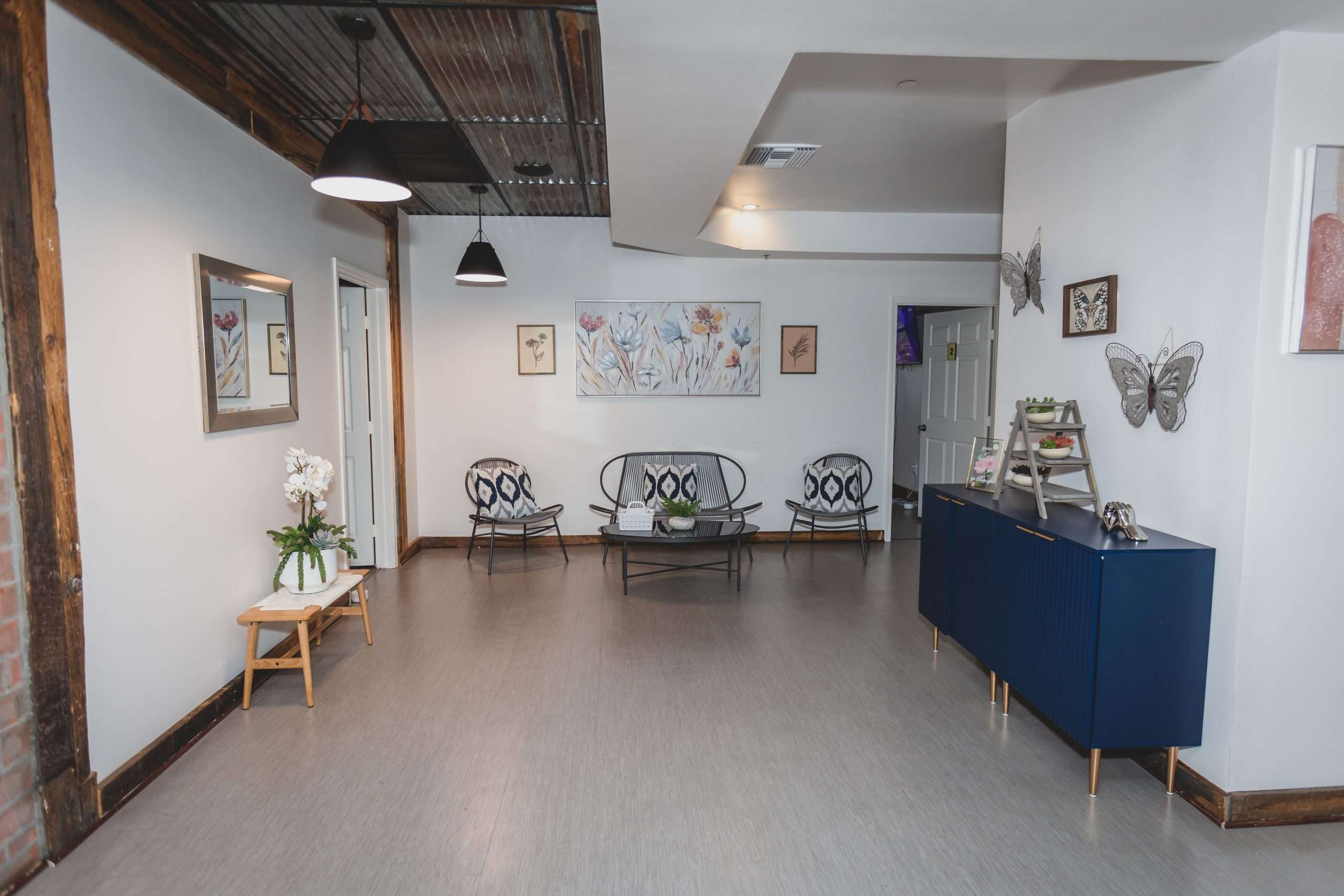
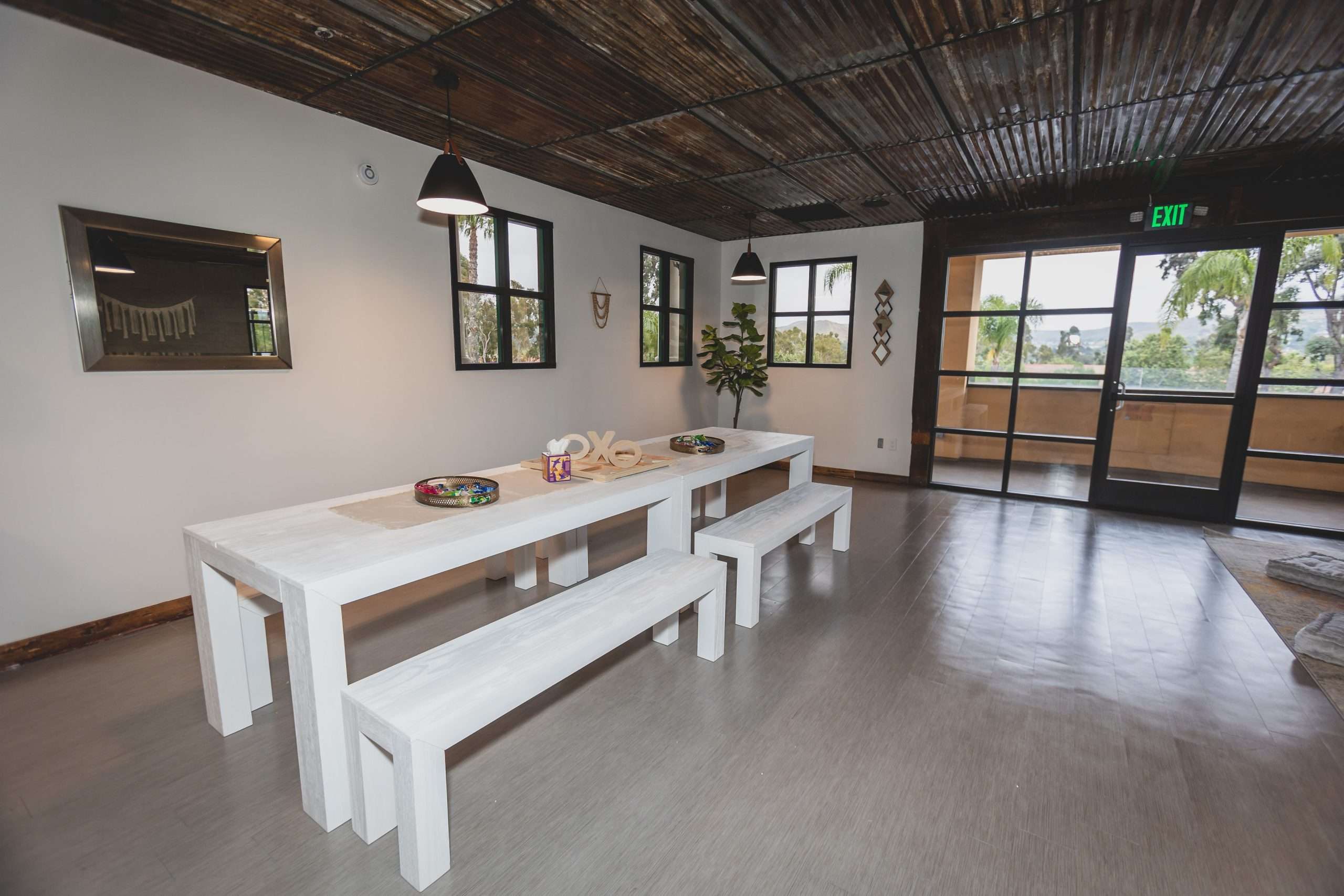
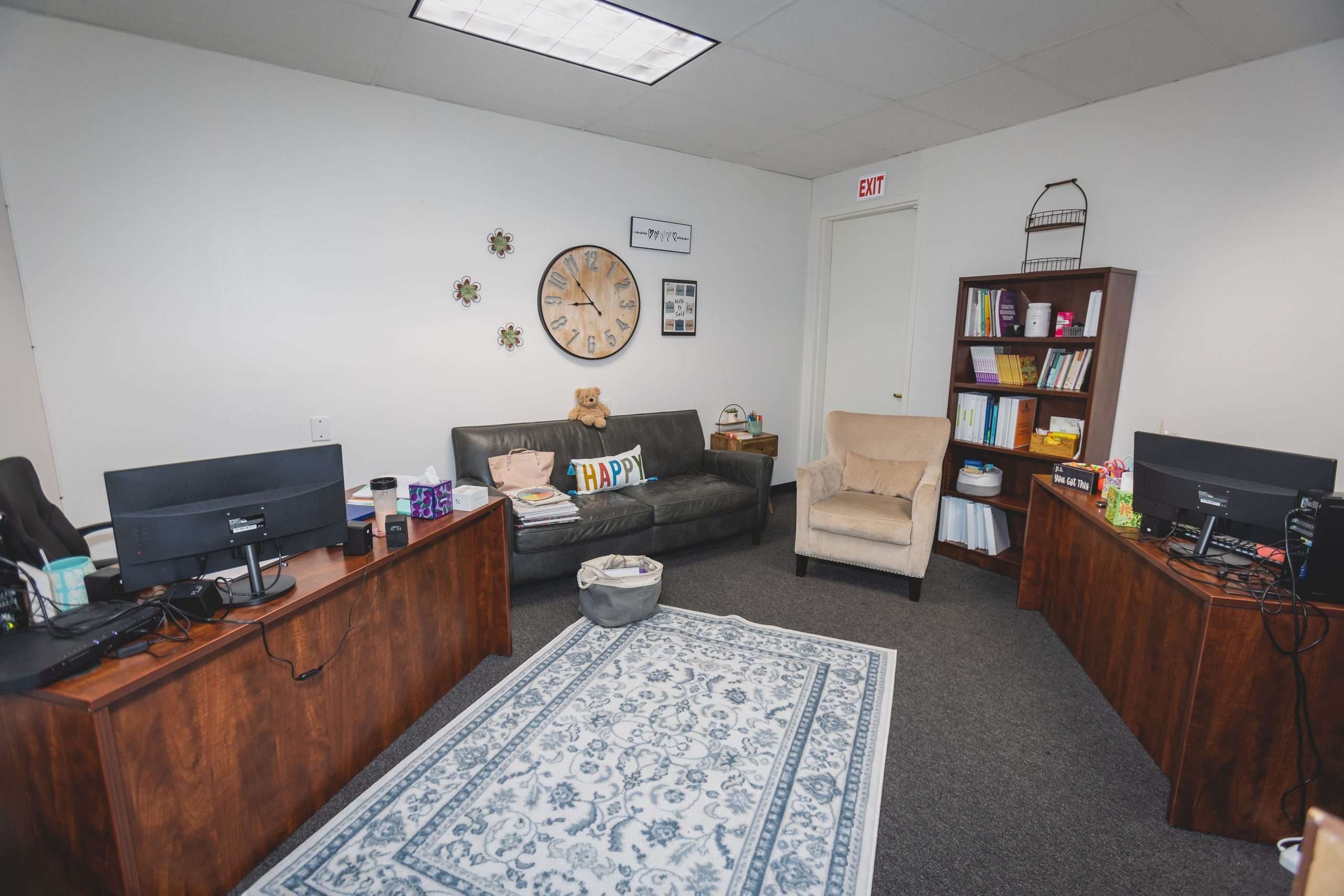
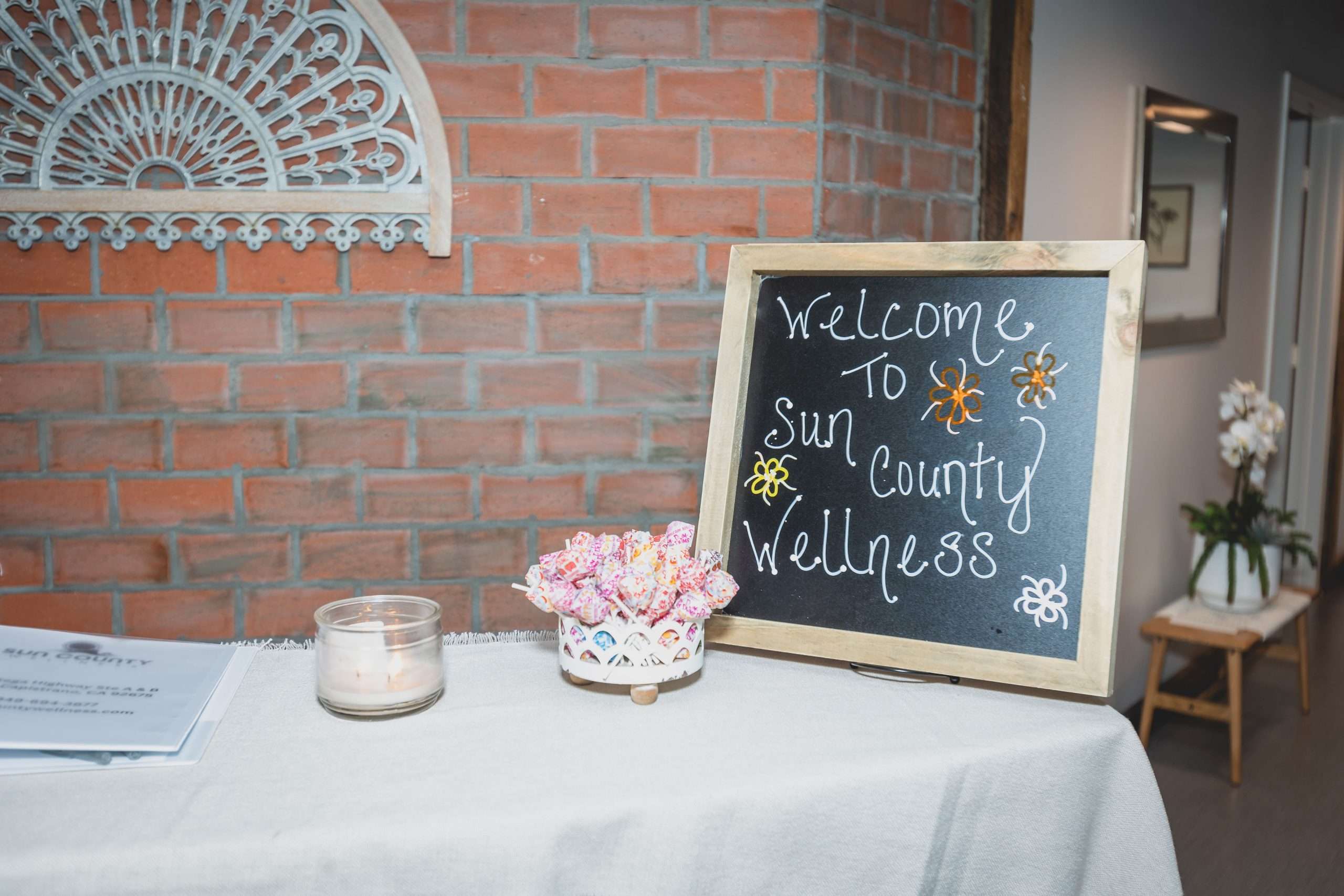
Locating Our Addiction Treatment Center For Women
John Wayne Airport (SNA)
- Distance: Approximately 21 miles
- Directions:
- Head northeast on N Airport Way.
- Use the right lane to take the ramp to CA-55 S.
- Merge onto CA-55 S.
- Take exit 5A for I-405 S toward San Diego.
- Keep left at the fork and merge onto I-405 S.
- Take exit 8 for CA-73 S toward San Diego (Toll Road).
- Merge onto CA-73 S (Toll Road).
- Take exit 5 for Greenfield Dr.
- Turn left onto Rancho Viejo Rd.
- Turn right onto Ortega Hwy.
- Sun County Wellness will be on the left.
Los Angeles International Airport (LAX)
- Distance: Approximately 61 miles
- Directions:
- Head east on World Way.
- Use the right 2 lanes to take the I-405 S ramp.
- Merge onto I-405 S.
- Take exit 8 for CA-73 S toward San Diego (Toll Road).
- Merge onto CA-73 S (Toll Road).
- Take exit 5 for Greenfield Dr.
- Turn left onto Rancho Viejo Rd.
- Turn right onto Ortega Hwy.
- Sun County Wellness will be on the left.
Long Beach Airport (LGB)
- Distance: Approximately 47 miles
- Directions:
- Head south on Donald Douglas Dr.
- Take the ramp to I-405 S.
- Merge onto I-405 S.
- Take exit 8 for CA-73 S toward San Diego (Toll Road).
- Merge onto CA-73 S (Toll Road).
- Take exit 5 for Greenfield Dr.
- Turn left onto Rancho Viejo Rd.
- Turn right onto Ortega Hwy.
- Sun County Wellness will be on the left.
San Diego International Airport (SAN)
- Distance: Approximately 64 miles
- Directions:
- Head northwest on N Harbor Dr.
- Use the left 2 lanes to take the ramp onto I-5 N.
- Continue on I-5 N.
- Take exit 81 for CA-74/Ortega Hwy.
- Turn right onto CA-74 E/Ortega Hwy.
- Sun County Wellness will be on the right.