
Emotional Recovery: The Unseen Work in Women's Addiction Treatment
Women navigating addiction often carry emotional burdens stemming from trauma, societal pressures, and personal expectations that standard programs might not fully address. This crucial, often unseen, work involves healing stress responses, rebuilding self-worth, and mastering new ways to manage triggers without relying on substances. In this guide, you’ll explore why gender-specific environments are vital, how trauma-informed care accelerates healing, which therapy approaches yield lasting change, and strategies for cultivating resilience. You’ll also learn what to expect in a women’s rehab program and how Sun County Wellness supports you at every step—from your initial assessment and insurance verification to ongoing care after you leave.
Why Women Thrive in Gender-Specific Rehab for Emotional Healing
Women in recovery often find profound benefits in settings designed to address their unique psychological and social challenges. Gender-specific rehab acknowledges the distinct ways trauma, hormonal influences, and family responsibilities can impact emotional well-being and intensify dysregulation. By focusing on shared experiences, women can build trust more quickly, practice new coping skills in a safe space, and become more engaged in their treatment journey.
Creating an environment exclusively for women encourages open conversations about issues like relationship trauma, the complexities of motherhood, and societal stigma. This setting fosters emotional recovery by reducing anxiety around judgment and empowering participants to embrace vulnerability. The following sections delve into the specific emotional challenges women face, the profound impact of trauma, and the distinct advantages of women-only care.
What Unique Emotional Hurdles Do Women Encounter in Addiction Recovery?
Women frequently grapple with compounded stress from caregiving roles, societal expectations, and histories of interpersonal trauma. These factors can ignite feelings of guilt or shame that, if left unaddressed, can fuel relapse. Emotional regulation can become particularly challenging under the strain of caregiving or when confronting past abuse, necessitating specialized support that recognizes these patterns. Addressing these issues directly promotes healthier self-awareness and significantly reduces the risk of returning to substance use.
How Does Trauma Impact Women Differently During Rehab?
Trauma, whether from domestic violence, childhood neglect, or other adverse experiences, often leads to post-traumatic stress and co-occurring disorders. Women with PTSD may experience flashbacks or heightened anxiety that standard addiction programs may not adequately address. Integrating trauma-specific therapy supports emotional stabilization, diminishes reactivity to triggers, and builds a foundation for lasting recovery by teaching essential safety and grounding techniques.
What Are the Advantages of Women-Only Treatment Settings?
Before we list the benefits, consider why privacy and peer connection are so vital for emotional healing.
- A secure space to share experiences without fear of judgment.
- Genuine peer connection that cultivates empathy and mutual encouragement.
- Specialized groups that address unique concerns like motherhood, body image, and relationship dynamics.
These advantages foster deeper trust and accelerate emotional recovery. By focusing on shared perspectives, participants are encouraged to practice new behaviors within a supportive community where each success reinforces the group’s collective progress.
How Trauma-Informed Care Nurtures Emotional Healing in Women’s Rehab
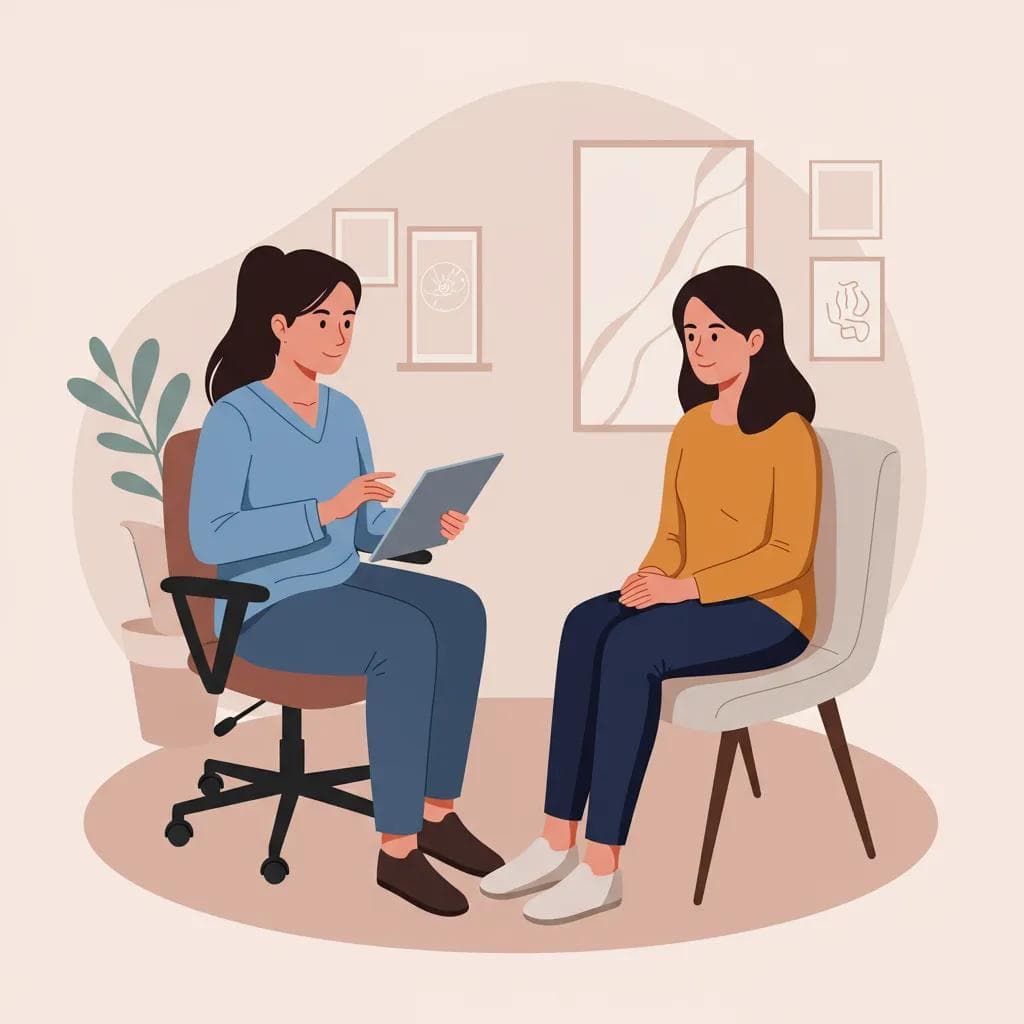
Trauma-informed care weaves an understanding of trauma’s effects into every facet of treatment, empowering women to reclaim control and safety. It begins with creating an environment that minimizes the risk of re-traumatization and equipping staff to recognize and respond to trauma-related reactions. By addressing triggers, physiological responses, and coping deficits, this approach promotes emotional stability and enhances engagement in therapy.
Furthermore, trauma-informed care ensures seamless coordination between mental health and addiction services, providing integrated treatment for those with dual diagnoses. This unified approach prevents fragmented care and supports holistic healing across emotional and physiological dimensions. The following sections will define trauma-informed care, highlight top therapies, and explain the integration of dual diagnosis treatment.
What Is Trauma-Informed Care and Why Is It Essential for Women?
Trauma-informed care is a guiding framework that prioritizes safety, choice, collaboration, trustworthiness, and empowerment. It recognizes that trauma can profoundly alter brain chemistry and stress response systems, requiring programs that are sensitive to hyper-arousal or dissociation. For women, this approach validates their past experiences, reduces shame, and helps build essential coping skills that support their emotional recovery.
“Trauma-Informed Services for Women with Substance Abuse”
>
“The principles of trauma-informed care, which emphasize safety, trustworthiness, choice, collaboration, and empowerment, apply also to women who have experienced substance abuse and trauma. The goal of trauma-informed crisis intervention is to allow the woman to regain a sense of control and safety.”
Which Trauma-Informed Therapies Are Most Effective for Women?
Effective trauma-informed therapies skillfully blend emotional processing with the development of crucial life skills to foster lasting resilience.
Therapy Type
Focus Area
Benefit
Eye Movement Desensitization and Reprocessing (EMDR)
Processing traumatic memories
Rapid reduction in intrusive symptoms
Dialectical Behavior Therapy (DBT)
Emotional regulation and distress tolerance
Improved coping with intense emotions
Cognitive Behavioral Therapy (CBT)
Thought restructuring
Reduced negative self-talk and anxiety
These therapies enhance emotional regulation and significantly lower the risks of trauma-driven relapse. Each approach equips women with unique skills that they can integrate into their daily lives, strengthening their long-term recovery journey.
“Trauma-Informed Intervention for Women in Drug Treatment”
>
“This study examined the effectiveness of two trauma-informed curricula presented in a residential facility for women in recovery. The findings support the integration of trauma-informed services and call for additional research in this area.”
How Does Trauma-Informed Care Address Co-Occurring Mental Health Disorders?
Trauma-informed programs conduct thorough screenings for conditions like depression, anxiety, and PTSD during intake to develop integrated treatment plans. By addressing substance use and mental health disorders concurrently, women receive cohesive care rather than fragmented interventions. This integrated method enhances emotional recovery by stabilizing mood, reducing the urge to self-medicate, and fostering a greater sense of control over both mental health and addiction.
Key Therapy Approaches in Women’s Emotional Recovery Programs
Emotional recovery is built upon evidence-based modalities that teach vital coping strategies, help reshape thought patterns, and facilitate the processing of deep-seated trauma. Programs designed for women thoughtfully combine individual, group, and behavioral therapies to meet diverse needs. These modalities work synergistically to enhance self-awareness, build resilience, and rewire responses to stress.
To illustrate how each therapy contributes, consider the following comparison:
Therapy
Core Mechanism
Expected Outcome
Dialectical Behavior Therapy (DBT)
Skills training in mindfulness, distress tolerance
Enhanced emotional regulation and reduced impulsivity
Cognitive Behavioral Therapy (CBT)
Identifying and changing negative beliefs
Decreased anxiety and improved self-esteem
Eye Movement Desensitization and Reprocessing (EMDR)
Bilateral stimulation during memory reprocessing
Lower trauma symptoms and stabilized mood
Group Therapy
Peer feedback and shared narratives
Increased social support and reduced isolation
These approaches powerfully reinforce one another: DBT skills improve reactions during group sessions, CBT provides the foundation for EMDR by reframing beliefs, and group dynamics build the confidence needed to apply new skills outside of therapy.
How Does Dialectical Behavior Therapy (DBT) Aid Emotional Regulation in Women?
DBT empowers women to recognize and tolerate intense emotions without resorting to substances. By mastering mindfulness, distress tolerance, emotion regulation, and interpersonal effectiveness, participants learn to replace self-destructive behaviors with healthy, constructive strategies. This leads to fewer crises and a more profound sense of self-control.
What Role Does Cognitive Behavioral Therapy (CBT) Play in Healing Trauma?
CBT assists women in identifying ingrained patterns of negative thinking that often stem from past abuse or persistent self-criticism. Through structured exercises, participants learn to challenge irrational beliefs and cultivate more balanced thought processes. This cognitive shift reduces anxiety, supports a more positive self-perception, and diminishes the risk of relapse driven by shame or fear.
How Is Eye Movement Desensitization and Reprocessing (EMDR) Used in Women’s Rehab?
EMDR guides women through the structured recall of traumatic memories while engaging in bilateral stimulation. This therapeutic process helps reorganize trauma-related neural pathways, significantly reducing the intensity of painful memories. The outcomes often include fewer flashbacks, improved sleep quality, and a greater capacity for emotional processing.
How Do Group Therapy Dynamics Enhance Emotional Recovery for Women?
Group therapy offers a vital network of peers who share similar life experiences, providing invaluable validation and a diverse range of coping strategies. This dynamic fosters motivation, allows participants to practice interpersonal skills in a safe setting, and builds a robust support system that extends far beyond the treatment period. As trust deepens within the group, women feel increasingly empowered to apply their therapeutic insights in real-world situations.
Building Emotional Sobriety and Resilience During Rehab for Women

Emotional sobriety is the practice of cultivating stable moods, healthy self-regard, and adaptive coping mechanisms without the need for substances. Progress unfolds through distinct, recognizable stages, each emphasizing the acquisition of new skills and the development of deeper self-understanding.
Before outlining these stages, it’s important to note that a structured approach helps women visualize their progress and anticipate potential challenges.
- 1Stabilization – Establishing safety and routine to minimize crisis behaviors.
- 2Skill Acquisition – Learning essential techniques for emotion regulation, mindfulness, and stress management.
- 3Identity Building – Cultivating self-compassion, a positive self-image, and clear personal goals.
- 4Interpersonal Reengagement – Rebuilding relationships and forming supportive connections.
By progressing through these stages, participants reinforce each milestone with targeted therapies and peer support, laying a strong foundation for lasting resilience.
“Trauma-Informed Approach for Women’s Addiction Recovery”
>
“In women’s treatment programs, sensitivity to trauma related issues is critical for a healing environment. This work can occur only after several years of recovery.”
What Are the Stages of Emotional Recovery in Women’s Rehab?
Emotional recovery begins with establishing safety and progresses through skill development to eventual self-actualization. In the stabilization stage, women learn essential coping rituals and create predictable daily routines. During skill acquisition, structured therapies introduce new ways to respond effectively to stress. Identity building fosters a sense of self-worth and encourages future planning, while interpersonal reengagement focuses on rebuilding trust in relationships.
How Do Women Develop Healthy Coping Skills and Self-Compassion?
Our programs teach practical techniques such as mindful breathing, journaling, and self-soothing exercises designed to replace substance use. Facilitators guide participants through self-empathy practices that actively challenge self-criticism. These consistent practices cultivate self-kindness, reduce feelings of guilt, and support emotional sobriety as women replace old, harmful habits with nurturing, healthy routines.
Why Is Building Self-Esteem Critical in Addiction Recovery for Women?
A strong, healthy sense of self-worth is crucial for counteracting shame and reducing relapse triggers. Self-esteem work, incorporating affirmations, achievable goal-setting, and positive reinforcement, helps women truly value their progress. As their confidence grows, women become more empowered to assert their needs, establish healthy boundaries, and pursue meaningful goals that extend far beyond substance use.
How Do Healthy Relationships Support Long-Term Emotional Healing?
Positive connections serve as powerful reinforcements for new coping skills and provide essential safety nets during times of stress. Family members, peers, and support groups offer encouragement, accountability, and practical assistance. By practicing open and honest communication, women can rebuild trust and cultivate stable networks that sustain their emotional health long after treatment concludes.
What Does the Journey Through Women’s Rehab Entail?
The path through rehab for women is a carefully structured progression that begins with assessing individual needs, delivers targeted treatments, and culminates in planning for ongoing support. Understanding each phase helps set realistic expectations and alleviates anxiety about the unknown.
Following a thorough assessment, therapy sessions integrate individual and group work, practical skill-building exercises, and wellness activities into daily routines. Comprehensive aftercare planning ensures women transition smoothly to community support and effective relapse-prevention strategies.
What Happens During Admission and Assessment for Women’s Programs?
The admission process begins with in-depth intake interviews, comprehensive medical and psychological evaluations, and insurance verification. Clinicians carefully identify trauma history, co-occurring conditions, and relevant social factors to design a truly personalized care plan. This foundational process establishes baseline measures and clarifies specific treatment goals.
How Are Therapy Sessions Structured to Support Emotional Recovery?
Daily schedules artfully blend individual counseling, group therapy, and specialized skills workshops. Mornings often focus on didactic therapies like CBT or DBT, while afternoons are dedicated to trauma-processing sessions such as EMDR and supportive peer groups. Evenings may include mindfulness practices, yoga, or creative therapies designed to reinforce emotional regulation and well-being.
What Aftercare and Long-Term Support Options Are Available for Women?
Following discharge, women have access to a range of resources, including alumni groups, ongoing outpatient therapy, and sober-living residences. Peer-led meetings, family reintegration programs, and continuous case management are vital in preventing isolation and relapse. Structured follow-up care and readily available community resources help maintain progress and address any emerging challenges.
How Sun County Wellness Delivers Personalized Care for Women’s Emotional Recovery
Sun County Wellness provides evidence-based therapies within a nurturing environment that deeply respects each woman’s unique history and personal goals. Our clinicians collaborate closely to integrate trauma-informed approaches, dual-diagnosis treatment, and essential skill-building strategies into cohesive, individualized plans. This comprehensive care model is designed to enhance emotional stability and foster sustainable, lifelong recovery.
What Evidence-Based Therapies Does Sun County Wellness Offer for Women?
Our program thoughtfully combines DBT for enhanced emotional regulation, CBT for effective thought restructuring, EMDR for profound trauma processing, and group therapy for invaluable peer support. Each modality addresses a specific, critical aspect of emotional recovery, creating a layered, synergistic approach that accelerates healing and significantly bolsters resilience.
How Does Sun County Wellness Address Co-Occurring Disorders in Women?
By offering integrated dual-diagnosis care, Sun County Wellness expertly treats addiction and co-occurring mental health disorders concurrently. Psychiatric evaluations, medication management, and individual therapy sessions are carefully coordinated to ensure comprehensive stabilization and minimize the risks associated with self-medication.
How Can Women Access Admissions and Insurance Verification at Sun County Wellness?
Women can initiate the process by contacting our dedicated admissions team to discuss their treatment needs and explore coverage options. Our insurance verification specialists will meticulously review policy benefits and clearly outline any out-of-pocket costs, ensuring the admission process is both clear and straightforward. This approach allows women to focus entirely on their healing journey, free from administrative burdens.
Common Questions About Emotional Recovery and Women’s Rehab
Many women and their families frequently inquire about treatment timelines, effective coping strategies, therapy efficacy, and the role of family involvement. Below, you’ll find direct answers to key concerns, grounded in clinical insights and established recovery best practices.
Why Is Emotional Sobriety Important in Women’s Addiction Recovery?
Emotional sobriety is the ability to manage feelings effectively without resorting to substances, which promotes sound decision-making and builds resilience. It is fundamental to long-term success, reducing reliance on external coping mechanisms and fostering profound internal strength.
How Does Trauma Affect Addiction Differently in Women?
Trauma often leads to intense feelings of self-blame, shame, and anxiety, which can intensify substance use as a maladaptive coping mechanism. Given women’s higher rates of interpersonal trauma, specialized trauma treatment is absolutely essential to prevent relapse and restore healthy, adaptive coping patterns.
What Therapies Are Best Suited for Women in Rehab?
Women typically benefit most from a comprehensive blend of therapies, including DBT for distress tolerance, CBT for managing thoughts, EMDR for processing trauma, and peer group therapy for vital social support. This integrated approach effectively addresses the emotional, cognitive, and relational dimensions of recovery.
How Long Does Emotional Recovery Take in Women’s Rehab?
While individual timelines naturally vary, most women progress through stabilization, skill acquisition, and identity building over a period of 60 to 90 days. Continued engagement in aftercare programs and community support extends this recovery process, fostering lifelong emotional health.
How Can Family Involvement Support Women’s Emotional Healing?
Active family participation in educational sessions, therapeutic groups, and communication workshops builds crucial understanding and strengthens vital relationships. Well-informed support networks empower women to practice new skills, reduce feelings of isolation, and foster accountability both during and after their time in rehab.