

Clinically Reviewed By Brittany Astrom - LMFT
Brittany has 15 years of experience in the Mental Health and Substance Abuse field. Brittany has been licensed for almost 8 years and has worked in various settings throughout her career, including inpatient psychiatric treatment, outpatient, residential treatment center, PHP and IOP settings.
How Community Involvement Strengthens Recovery
Recovery from drug or alcohol addiction is not only about treatment programs, therapy, and medical care. It is also about building a life that supports sobriety. One of the most powerful ways to build that life is through community involvement. Staying connected to others, participating in shared activities, and giving back to the community can strengthen recovery and help prevent relapse.
For women in recovery, community involvement offers both emotional and practical support. It provides a sense of belonging and reminds each person that they are not alone in their journey. At Sun County Wellness, we encourage our patients to seek out healthy social connections as a key part of ongoing sobriety.
Why Community Matters in Recovery
Addiction often causes isolation. Many people pull away from friends and family while using substances, or they lose relationships due to the effects of addiction. This isolation can make it harder to break free from substance abuse because loneliness can trigger cravings.
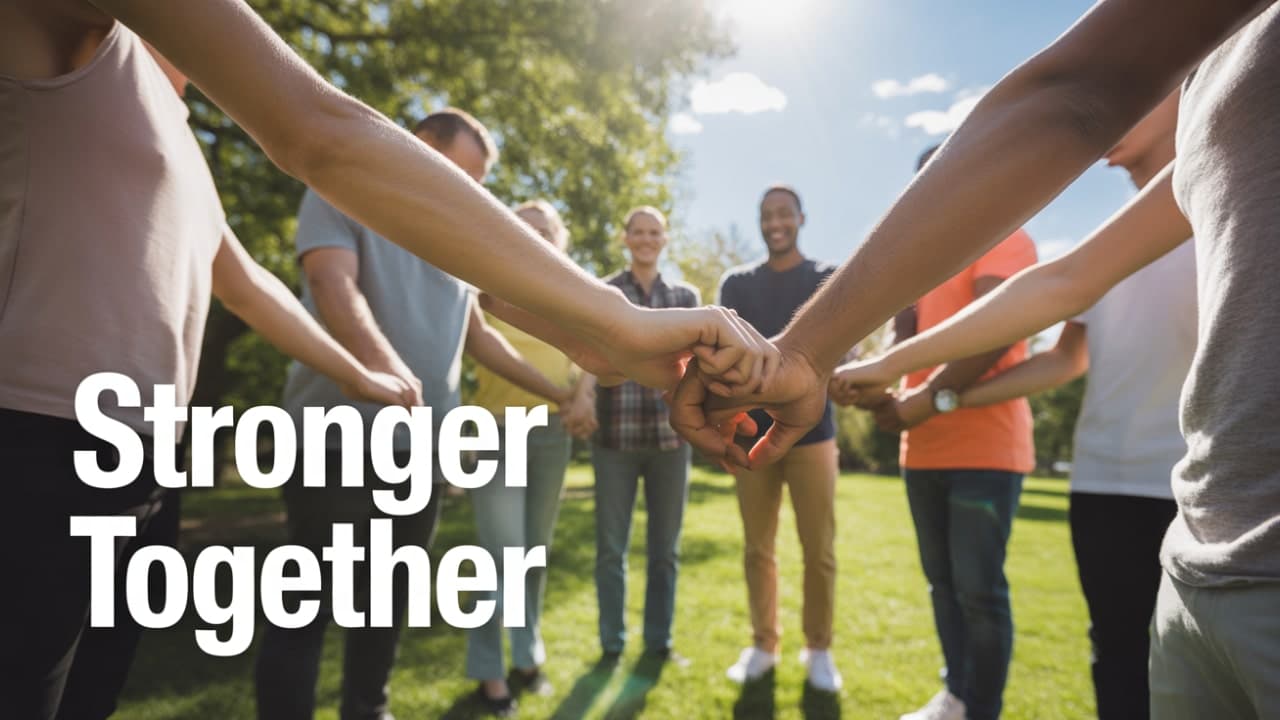
Community involvement works as the opposite of isolation. It creates positive connections with people who share common goals and interests. This network of support can be made up of peers in recovery, family members, mentors, and community members who believe in second chances.
The Benefits of Community Involvement in Recovery
1. Emotional Support
In recovery, there will be challenges. Stress, personal struggles, and difficult emotions can all make sobriety feel harder to maintain. Being part of a community means having people to talk to when these challenges arise. Supportive relationships help reduce feelings of isolation, depression, and anxiety.
2. Accountability
When you are connected to others, you are more likely to stay on track. Accountability partners, recovery groups, and even volunteer teams help create a sense of responsibility. Knowing that others are rooting for you and checking in on your progress can make it easier to stay committed to sobriety.
3. Structure and Purpose
Idle time can be a risk factor for relapse. Community activities provide structure to your schedule. Whether it’s attending a recovery meeting, joining a recreational group, or volunteering, these commitments give your days meaning and purpose.
4. Increased Self-Esteem
Giving back to others or contributing to a cause can improve self-worth. Addiction often damages self-esteem, but community involvement can help rebuild it. Feeling valued by others and recognized for your contributions is a powerful confidence booster.
5. New Skills and Opportunities
Many community programs offer skill-building opportunities. You might learn leadership skills, improve communication, or gain job experience through volunteer work. These skills can help with career development and financial stability, both of which support long-term recovery.
Ways to Get Involved in the Community During Recovery
Join a Recovery Support Group
Groups like Alcoholics Anonymous (AA), Narcotics Anonymous (NA), or women-specific recovery meetings are great starting points. They provide a safe space to share your experiences and connect with others who understand what you are going through.
Volunteer Your Time
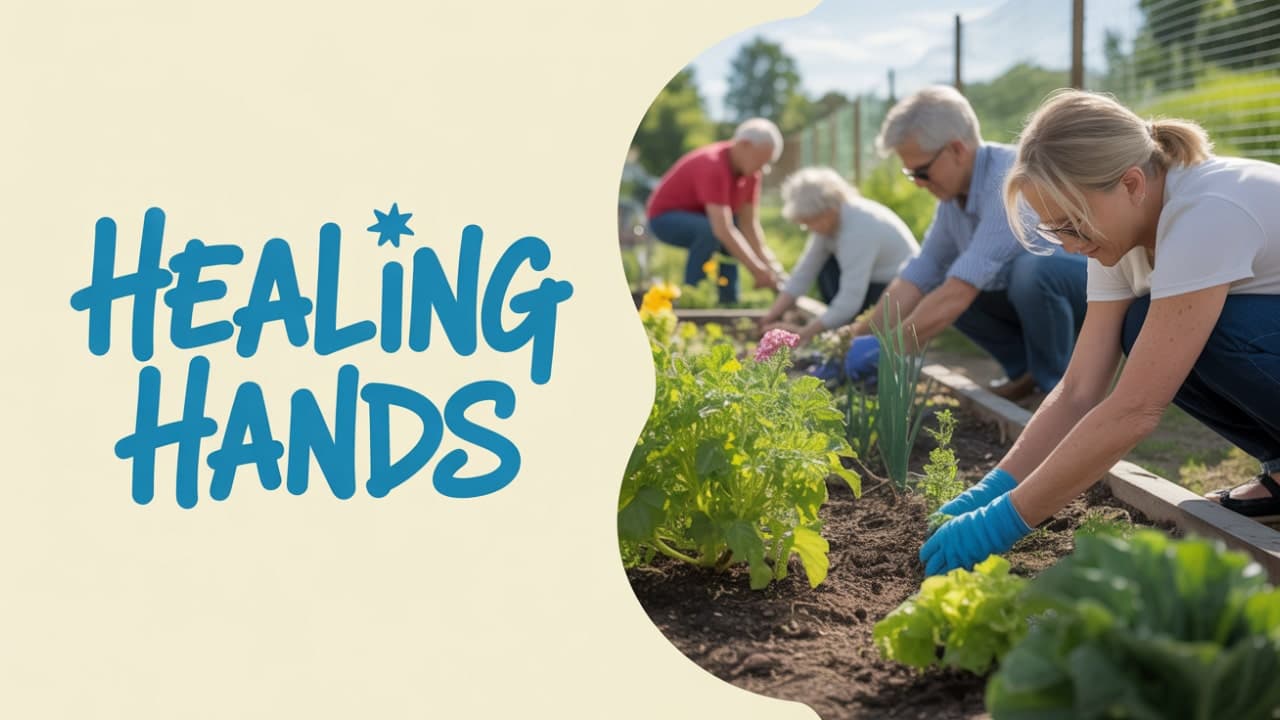
Volunteering helps shift focus away from personal struggles and toward helping others. You can volunteer at shelters, food banks, community gardens, or animal rescues. Many people in recovery find that volunteering strengthens empathy and purpose.
Participate in Faith or Spiritual Communities
For some, faith-based communities offer a strong source of encouragement. Churches, mosques, temples, and meditation centers often have programs where you can connect with others in meaningful ways.
Take Part in Local Events and Activities
Look for art classes, book clubs, sports leagues, or community workshops. These activities encourage positive social interactions and can help you explore new hobbies that replace old habits.
Join Advocacy or Awareness Efforts
Becoming involved in addiction awareness campaigns or mental health advocacy can be deeply fulfilling. Sharing your story or helping others access treatment resources creates a ripple effect of hope in the community.
The Role of Peer Support in Recovery
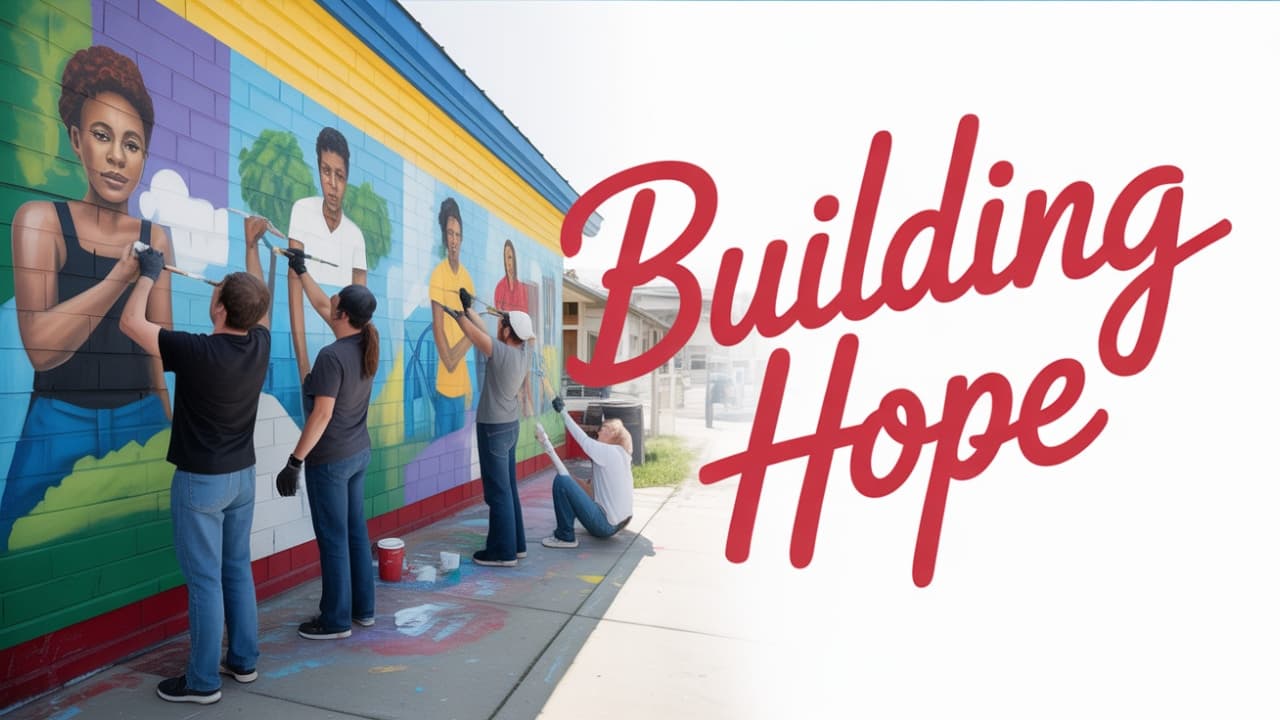
Peer support plays a major role in community involvement. Peer support is about connecting with people who have gone through similar challenges and are now living in recovery.
This kind of connection can be more relatable than traditional therapy alone because peers have firsthand knowledge of addiction and the recovery process. Peer mentors can provide encouragement, help identify relapse warning signs, and offer practical advice.
Overcoming Barriers to Community Involvement
Some women in recovery feel nervous about joining community activities at first. Common concerns include:
- Fear of judgment due to past substance use
- Anxiety about meeting new people
- Not knowing where to start
- Lack of transportation or childcare
At Sun County Wellness, we help address these barriers by offering connections to supportive programs, women-focused groups, and transportation assistance when possible. We also provide guidance on finding safe, sober spaces where you can feel comfortable and welcome.
How Community Involvement Helps Prevent Relapse
Relapse prevention is one of the most important parts of recovery. Involvement in a community provides multiple protective factors:
- Positive peer pressure – Friends in recovery can help encourage healthy choices.
- Fewer triggers – Being active in safe environments reduces exposure to substance use situations.
- Access to help quickly – If you feel at risk of relapse, community members can offer immediate support.
- Sense of responsibility – Knowing people rely on you can strengthen your commitment to sobriety.
These protective factors are why many addiction specialists recommend ongoing community involvement long after formal treatment ends.
Community and Mental Health
Addiction and mental health are often connected. Many women in recovery also manage conditions like depression, anxiety, or trauma-related disorders. Community involvement can improve mental health by providing connection, reducing loneliness, and giving a sense of meaning.
For example, attending a support group can help someone with anxiety feel understood. Volunteering can help ease symptoms of depression by creating a sense of accomplishment.
Building Your Own Support Network
Community involvement does not have to be large or formal. You can start by connecting with just one or two people you trust. Over time, you can expand your network to include:
- Recovery peers
- Family members
- Counselors or therapists
- Mentors
- Neighbors
- Faith leaders
- Co-workers or classmates
The key is consistency. Building and maintaining relationships is just as important as making them in the first place.
Community Involvement at Sun County Wellness
At Sun County Wellness, we understand that recovery is about more than stopping substance use. It’s about creating a healthy, fulfilling life that supports sobriety. Our women-only rehab and mental health programs encourage patients to connect with their community in positive ways.
We help women:
- Find local recovery groups
- Access volunteer opportunities
- Join wellness activities like yoga, meditation, or art classes
- Build peer support networks
- Connect with advocacy programs
Our team believes that when women support each other, recovery becomes stronger.
Final Thoughts
Community involvement is not just an extra step in recovery—it’s a core part of lasting change. By connecting with others, offering help, and accepting support, you build a life where sobriety can thrive. The bonds you create can carry you through challenges and help you celebrate milestones.
At Sun County Wellness, we are here to guide you toward resources, opportunities, and connections that strengthen your recovery journey. If you or a loved one is ready to take the next step toward healing, our team can help you get started.
Frequently Asked Questions
1. How does community involvement help with addiction recovery?
Community involvement helps people in recovery build supportive relationships, reduce isolation, and create a sense of purpose. Being part of a group encourages accountability, offers emotional support, and provides healthy activities that replace old habits linked to substance abuse.
2. What are some examples of community activities for women in recovery?
Women in recovery can join support groups, volunteer programs, wellness classes, faith-based gatherings, or community events. These activities promote connection, skill-building, and positive social interactions in safe, sober environments.
3. Can community involvement reduce the risk of relapse?
Yes. Staying active in a supportive community lowers relapse risk by keeping people engaged in healthy routines, reducing exposure to triggers, and ensuring quick access to help during difficult times.
4. What if I feel nervous about joining a community group?
It is normal to feel nervous when starting something new. You can begin with small steps, such as attending a meeting with a friend or volunteering for a short time. Choosing women-focused or recovery-friendly spaces can make the experience more comfortable and welcoming.

Seeking Treatment? We Can Help
At Sun County Wellness, as an in-network provider we work with most insurance plans, such as:
If you or a loved one are struggling with mental health challenges or substance abuse, reach out to Sun County Wellness today. Our team of compassionate professionals is here to support your journey towards lasting well-being. Give us a call at 949-993-1149
Visit SAMHSA or contact us today for more inforamtion.