
Clinically Reviewed By Brittany Astrom - LMFT
Brittany has 15 years of experience in the Mental Health and Substance Abuse field. Brittany has been licensed for almost 8 years and has worked in various settings throughout her career, including inpatient psychiatric treatment, outpatient, residential treatment center, PHP and IOP settings.
How Long Does Librium Stay in Your System?
Librium, scientifically known as chlordiazepoxide, is one of the earliest benzodiazepines developed and is widely prescribed for treating anxiety disorders and managing the symptoms of alcohol withdrawal. As a potent central nervous system (CNS) depressant, Librium is highly effective in reducing anxiety and stabilizing mood, especially during alcohol detoxification.
For individuals undergoing addiction recovery or facing the potential need for drug testing, knowing how long Librium stays in your system is essential. The length of time this drug remains detectable can influence everything from treatment plans to legal and employment outcomes. In this comprehensive guide, we’ll delve into the pharmacokinetics of Librium, explain the various factors that determine its detection window, and discuss how it can be identified in different types of drug tests.
We’ll also explore why professional medical detox and ongoing treatment are crucial for those struggling with Librium dependency, given the drug’s long half-life and the significant withdrawal symptoms associated with it. Addiction treatment is essential in managing Librium dependency and facilitating long-term recovery. Understanding these key points will empower individuals, families, and healthcare providers to make informed decisions regarding Librium use, testing, and treatment.
What is Librium?
Librium is one of the first benzodiazepines introduced into the medical field and remains a vital medication for treating anxiety and alcohol withdrawal symptoms. Librium works by calming the central nervous system (CNS), making it effective for patients who experience agitation, anxiety, or other withdrawal symptoms.
However, because of its long half-life, Librium tends to stay in the body longer than many other benzodiazepines, which is an important consideration for patients, medical professionals, and those concerned about drug testing.
The librium half life refers to the time it takes for the drug’s active substances to reduce by half in the body, typically ranging from 5 to 30 hours. Factors such as dosage, duration of use, and individual health conditions can affect the half-life, highlighting the importance of tapering to avoid withdrawal symptoms.
How Long Does Librium Stay in Your System?
The primary factor influencing how long Librium remains in your system is the drug’s half-life, which is crucial for understanding its overall effectiveness and detection in drug tests. The term “half-life” refers to the time it takes for half of the drug to be metabolized and eliminated from the body.
The drug’s half-life influences dosing schedules and the duration a drug remains detectable, with factors like liver health and age playing significant roles in its metabolism and elimination. Librium’s half-life typically ranges from 5 to 30 hours, but this can vary widely depending on factors like the dosage, the person’s age, liver health, and how long they have been taking the medication.
It generally takes five half-lives for a drug to be fully eliminated from the body. For Librium, this means that it could stay in your system for several days, and in some cases, even longer. Let’s break down how long Librium can be detected through different drug test methods.
Urine Tests
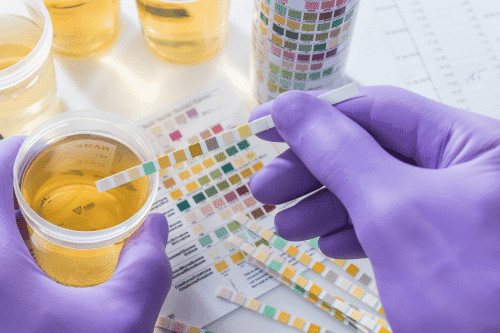
Urine testing is the most common drug testing method for benzodiazepines like Librium. Librium can be detected in urine for up to 1 to 6 weeks after the last dose, depending on how much and how frequently the drug was used. The extended detection window makes urine tests particularly effective for identifying Librium use over a longer period.
Blood Tests
Blood tests have a much shorter detection window for Librium, usually only up to 24 hours after the last dose. Blood tests are rarely used for long-term detection but may be useful in determining recent usage.
Saliva Tests
Saliva tests can detect Librium use for 1 to 10 days. While saliva testing is less common than urine or blood tests, it provides a moderate detection range that is effective for determining relatively recent drug use.
Hair Tests
Hair testing is the most effective method for detecting long-term Librium use. Librium can be found in hair samples for up to 90 days or more, depending on the length of the hair sample taken.
Factors That Influence How Long Librium Stays in Your System
Several factors can affect how long Librium stays in your system, including:
Liver Health
Librium is metabolized in the liver, so impaired liver function or liver disease can slow down the process, allowing the drug to remain in your system longer. A healthy liver is essential for quicker elimination of Librium.
Age and Metabolism
Elderly patients or those with slower metabolic rates may take longer to metabolize and eliminate Librium, leading to extended detection windows. Metabolism tends to slow down with age, which can extend how long the drug stays in your system.
Body Mass Index (BMI)
Individuals with higher body mass or fat content may retain Librium for a longer period since the drug can accumulate and be stored in fatty tissues.
Dosage and Frequency of Use
Higher doses and prolonged use can result in longer detection times. If someone has been using Librium for an extended period or at high doses, it will take longer for the drug to be completely eliminated.
Additionally, individuals taking Librium may have concerns about how long it remains detectable in urine, its lasting effects, and the importance of monitoring usage to avoid dependence, particularly for those who have been taking it for extended periods.
Other Medications and Substances
Taking other medications or consuming alcohol alongside Librium can affect how long it stays in the system. The interaction between substances can either speed up or slow down the elimination process from the body.
Genetics and Medical History
An individual’s genetic makeup, such as how their body metabolizes drugs, along with their medical history, including conditions like liver disease, can also impact how long Librium stays in the system.
Librium and Drug Testing: What to Expect
Drug testing for Librium is common for patients in treatment, employment screenings, and those under legal supervision. Different drug tests offer varying detection windows, each suited for specific situations:
Urine Test: As the most common testing method, urine tests provide a balance of ease, cost-effectiveness, and a relatively long detection window, making it suitable for most situations.
Blood Test: Blood tests are generally reserved for situations where recent use needs to be confirmed. These tests are more invasive and have a much shorter detection period.
Saliva Test: Saliva tests are often used in settings where recent drug use needs to be determined quickly and conveniently. While less commonly used for benzodiazepines, they remain a viable option.
Hair Test: For long-term detection, hair tests are the gold standard. They can provide evidence of Librium use for up to three months or longer, making them ideal for identifying consistent use patterns.
The Importance of Professional Detox and Treatment
For individuals struggling with Librium dependency, professional detox and treatment are essential. Because Librium has a long half-life and is associated with significant withdrawal symptoms, suddenly stopping its use can lead to serious health risks, including seizures, delirium tremens, and extreme anxiety.
Addiction treatment plays a crucial role in managing Librium dependency and facilitating long-term recovery by providing professional support to address both physiological and emotional challenges.
A medically supervised detox allows healthcare providers to manage withdrawal symptoms safely. Medical detox may include tapering off the drug gradually to minimize withdrawal effects and reduce the risk of severe complications. Additionally, comprehensive treatment programs often incorporate behavioral therapies and counseling to address the root causes of dependency, helping patients build healthier coping mechanisms and achieve long-term recovery.
At Sun County Wellness, we offer specialized programs tailored to help individuals safely eliminate Librium from their systems while receiving the support they need during recovery. Our programs are designed with both the physical and psychological aspects of addiction in mind, ensuring a well-rounded approach to treatment.
How Librium Affects the Body: What You Need to Know
Librium’s calming effect on the nervous system makes it effective for treating anxiety withdrawal, but it can also lead to dependency if used for long periods or at high doses. Over time, the body becomes reliant on the drug to function normally, leading to withdrawal symptoms when the drug is reduced or stopped.
Withdrawal symptoms from Librium can include:
- Intense anxiety
- Tremors and shaking
- Insomnia
- Sweating and nausea
- Irritability and mood swings
- In severe cases, seizures or delirium tremens
Given the potential severity of these symptoms, it’s important to consult a healthcare provider before stopping Librium. A medical professional can assess your situation and determine the safest approach to tapering off the drug.
Conclusion: Preparing for Librium Detox and Recovery
Understanding how long Librium stays in your system is key for anyone undergoing treatment or facing a drug test. Factors like dosage, liver health, metabolism, and the type of drug test used all play a role in determining how long the drug remains detectable.
For those dealing with Librium addiction, seeking professional help through a medically supervised detox program is the safest and most effective way to eliminate the drug from your system and begin the recovery process.
Sun County Wellness provides compassionate, evidence-based care to support individuals through every step of their journey. Whether you’re managing anxiety, alcohol withdrawal, or substance dependency, our team of experts is here to help you achieve a healthier, drug-free future.

Seeking Treatment? We Can Help
At Sun County Wellness, as an in-network provider we work with most insurance plans, such as:
If you or a loved one are struggling with mental health challenges or substance abuse, reach out to Sun County Wellness today. Our team of compassionate professionals is here to support your journey towards lasting well-being. Give us a call at 949-993-1149