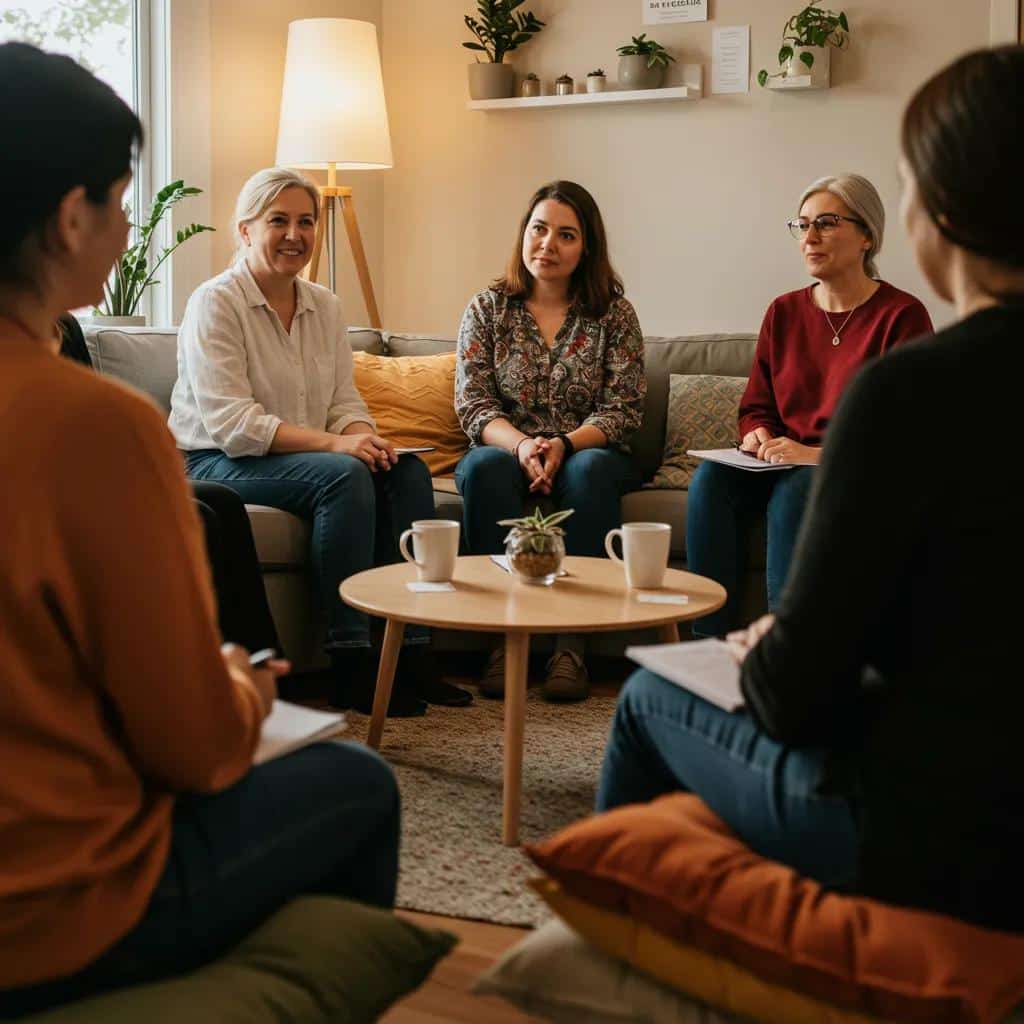
Empowering Women Through Support Groups: Your Path to Lasting Recovery
Each year, research highlights that women participating in gender-specific recovery communities report greater self-belief and lower rates of relapse. This guide explores the key advantages, available group formats, and unique challenges women encounter when seeking mental health support during recovery. You’ll discover how women-only environments foster safety, learn about trauma-informed and family-focused networks, find guidance on selecting the right group, and see inspiring success stories that showcase enduring sobriety. Finally, you’ll understand how Sun County Wellness simplifies the admissions and insurance verification process, allowing you to concentrate fully on your healing journey.
What Are the Key Benefits of Women’s Support Groups in Addiction Recovery?
Women’s support groups are peer-led gatherings that blend shared experiences with expert guidance to enhance emotional well-being and build resilience. By focusing on recovery within a framework that understands women’s unique needs, these groups cultivate deeper trust among members, encourage mutual accountability, and boost overall confidence in each woman’s ability to maintain sobriety. Recent findings emphasize a significant reduction in feelings of isolation when women engage in gender-specific settings, underscoring the profound social value of sisterhood in addiction recovery.
“Women’s Experiences in Single-Gender vs. Mixed-Gender Group Therapy”
>
“This article presents a qualitative analysis of women’s experiences in both single-gender (Women’s Recovery Group) and mixed-gender (Group Drug Counseling) substance abuse group therapy. It suggests that gender-specific treatment may provide additional benefits and enhanced treatment outcomes for women.”
How Do Women-Only Support Groups Create a Safe and Empowering Space?
Women-only support groups offer a confidential sanctuary where participants can speak openly without fear of judgment. They function by establishing clear ground rules that prioritize respectful listening and emotional validation, encouraging each member to share their personal experiences with trauma and their effective coping strategies. This focused environment enhances comfort levels and builds a strong foundation for mutual empowerment, naturally leading to deeper peer support dynamics.
What Emotional and Psychological Advantages Do Women Gain from Peer Support?
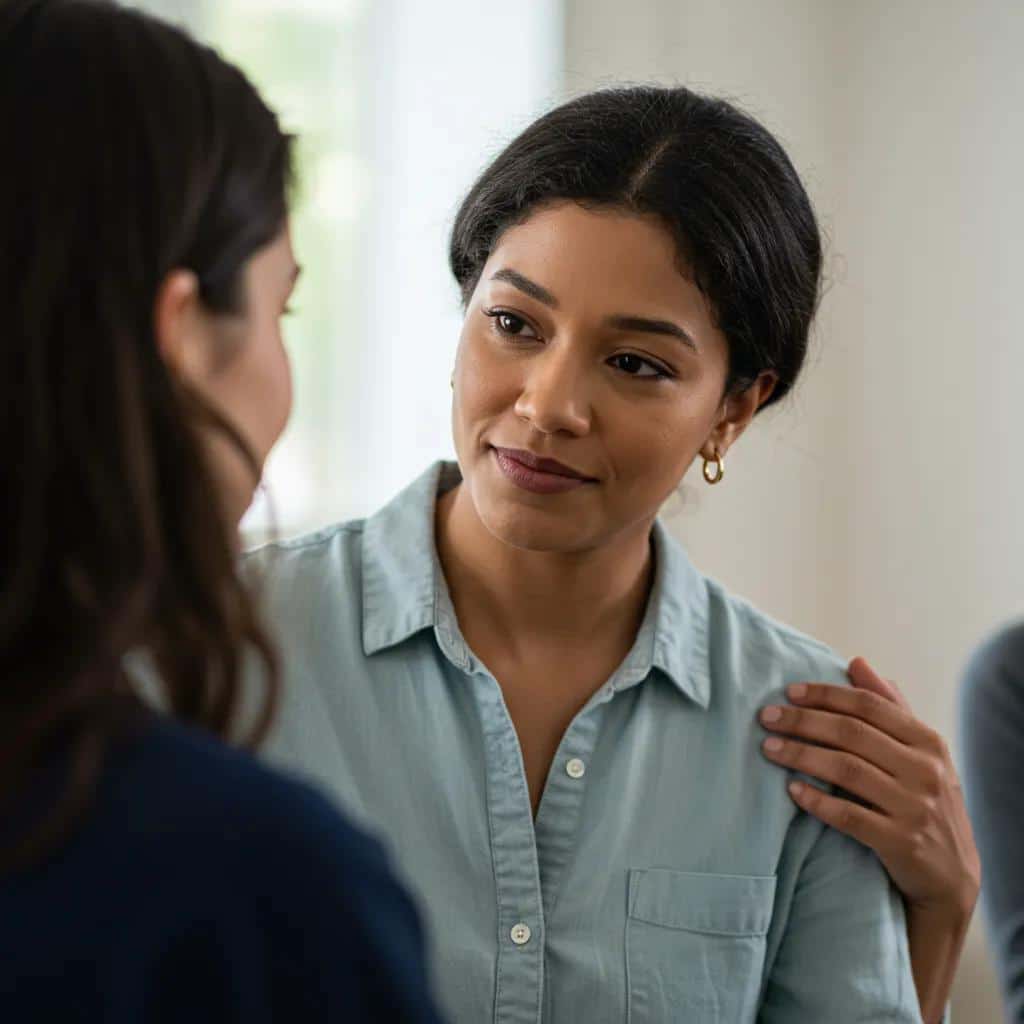
Peer support provides invaluable emotional regulation by validating feelings and normalizing experiences like guilt or shame. Witnessing peers successfully navigate similar challenges instills hope and strengthens self-worth. These psychological benefits include improved stress management, reduced anxiety, and greater mood stability—essential elements that prepare participants for achieving long-term recovery goals and taking the crucial next step of reducing societal stigma.
How Do Support Groups Help Reduce Stigma and Isolation for Women in Recovery?
Support groups actively combat isolation by fostering a sense of community through shared rituals—such as sharing circles, check-in sessions, and milestone celebrations—that cultivate a deep sense of belonging. Group facilitators often introduce exercises focused on reducing stigma, like storytelling and role-playing, which help challenge negative self-perceptions and empower women to reclaim their voices. By normalizing conversations around addiction, women build supportive social networks that counteract shame and prepare them for sustained healing.
What Types of Support Groups Are Available for Women’s Addiction and Mental Health Recovery?
Women’s recovery options range from traditional peer-led programs to professionally guided trauma-informed circles. Each format addresses distinct needs—from structured step-by-step approaches to holistic healing practices—allowing women to choose a path that resonates with their personal recovery journey. The following list outlines key group categories frequently recommended by clinicians and community advocates.
- 112-Step Programs foster accountability through a defined set of steps and sponsorship, promoting improved coping mechanisms and spiritual growth.
- 2SMART Recovery utilizes evidence-based tools, such as cognitive restructuring, to enhance self-management skills and lower the risk of relapse.
- 3Trauma-Informed Circles incorporate safety planning and grounding techniques to support healing from past traumatic experiences.
- 4Family Support Networks involve loved ones in psychoeducation and communication exercises designed to strengthen family stability.
Group Type
Focus
Benefit
12-Step Programs
Spiritual guidance and peer connection
Cultivates accountability and ongoing sponsorship support
SMART Recovery
Cognitive and behavioral strategies
Boosts self-management capabilities and coping skill development
Trauma-Informed Circles
Creating safety and emotional validation
Addresses past trauma and fosters resilience
Family Support Networks
Strengthening relationships through education
Enhances communication and promotes home stability
How Do Support Groups Address Unique Challenges Faced by Women in Recovery?
Support groups specifically designed for women tackle gender-specific barriers by integrating tailored resources and fostering strong peer alliances. They address societal pressures, economic hardships, and emotional trauma within a unified community setting. Understanding these distinct challenges highlights why women-focused circles often lead to more robust long-term outcomes.
How Does Motherhood Impact Women’s Recovery and Support Group Needs?
Motherhood brings caregiving responsibilities that can complicate treatment access and personal self-care. Mothers in recovery particularly benefit from groups that offer childcare assistance, parenting workshops, and flexible meeting schedules. By aligning program logistics with the demands of family life, these networks improve attendance rates, reinforce maternal confidence, and reduce relapse triggers associated with parenting stress.
What Role Do Support Groups Play in Healing from Trauma and Domestic Violence?
Support circles that integrate trauma-informed practices utilize grounding exercises, provide psychoeducation on the dynamics of abuse, and offer peer validation to help rebuild a sense of safety. Survivors share effective coping strategies and engage in stabilization activities—such as mindfulness and art therapy—to reclaim their personal agency. This collective approach enhances emotional regulation and lays a vital foundation for deeper therapeutic interventions.
“Trauma-Informed Approach for Women in Recovery”
>
“The Trauma-informed Environment In women’s treatment programs, sensitivity to trauma related issues is critical for a healing process to occur. This work can occur only after several years of recovery.”
How Are Co-Occurring Mental Health Disorders Managed in Women’s Support Groups?
When conditions like anxiety, depression, or PTSD accompany a substance use disorder, integrated group sessions employ dual-diagnosis frameworks. Facilitators collaborate with clinical teams to adapt the curriculum—combining peer sharing with targeted coping skills for mood management and crisis stabilization. This comprehensive approach supports women in addressing both addiction and mental health symptoms, fostering synchronized healing.
How Can Women Find the Right Support Group for Their Recovery Journey?
Selecting an appropriate group involves carefully evaluating its structure, focus, and accessibility. Women should align their specific needs—whether that’s trauma-informed care, parenting support, or cognitive skill development—with the group’s particular approach. Clarifying these elements simplifies the search process and maximizes engagement for a more effective recovery experience.
What Factors Should Women Consider When Choosing a Support Group?
Women experience the greatest benefit when support groups align with their current stage of recovery, cultural values, and practical logistical requirements. Key considerations include the facilitators’ credentials, the frequency of sessions, the availability of child-friendly options, and the overall group size. Assessing these attributes helps ensure a supportive atmosphere that truly reflects each woman’s personal circumstances and recovery aspirations.
Where Can Women Access Local and Virtual Support Groups?
Both in-person centers and online communities offer valuable options for women seeking flexible participation in support groups. Local women’s health clinics often host group therapy sessions on-site, while virtual platforms provide access to video-based circles and moderated online forums. Exploring these diverse channels expands accessibility and accommodates busy schedules involving work, education, or family responsibilities.
How Does Sun County Wellness Facilitate Admissions and Insurance Verification for Women’s Programs?
Sun County Wellness simplifies the intake process by assigning a dedicated admissions coordinator who guides each individual through the necessary documentation and insurance coverage review. This personalized service reduces administrative complexities, clarifies eligibility criteria, and expedites entry into our women’s support group programs. By combining compassionate, personal assistance with expert insurance verification, our center ensures that your focus remains on healing, not on paperwork.
What Is the Role of Peer Support and Mentorship in Women’s Long-Term Sobriety?
Peer support and mentorship forge enduring connections that reinforce accountability and build resilience. These invaluable relationships provide encouragement, model effective coping strategies, and foster a powerful sense of shared purpose. Examining their impact clearly illustrates why mentorship remains a cornerstone of sustained recovery.
- 1Modeling Adaptive Behaviors demonstrates effective coping strategies through relatable lived experiences.
- 2Accountability Partnerships encourage consistent check-ins and collaborative goal tracking.
- 3Social Reinforcement offers affirmation and mutual celebration of recovery milestones.
How Does Shared Experience Strengthen Recovery Outcomes for Women?
When mentors share similar life backgrounds—such as experiences with trauma or motherhood—they can deeply validate individual struggles and offer proven, effective strategies. This resonance builds trust, diminishes stigma, and motivates participants to adopt positive behaviors observed in their mentors. Consequently, shared experience becomes a powerful catalyst for sustained engagement in recovery.
What Are the Benefits of Female Mentorship in Support Groups?
Female mentors offer role modeling that extends far beyond abstinence, encompassing aspects like rebuilding careers, repairing relationships, and enhancing self-esteem. Their guidance nurtures leadership potential and encourages mentees to envision a fulfilling life beyond their recovery journey, reinforcing personal agency and proactive future planning.
How Do Support Groups Foster Life Skills and Self-Esteem Beyond Sobriety?
Support groups often integrate workshops focused on essential life skills, such as financial literacy, vocational training, and healthy communication techniques, to broaden participants’ competencies. By celebrating achievements unrelated to sobriety—like career advancements or educational progress—women rebuild their self-worth and gain the confidence needed to navigate post-recovery challenges successfully.
What Success Stories Highlight the Impact of Women’s Support Groups in Recovery?
Personal narratives from women who have successfully navigated their recovery journeys serve as compelling evidence of the effectiveness of support groups. These stories illustrate pathways from crisis to stability and reveal the profound social and psychological gains achieved through peer-based healing.
Participant Journey
Challenge Addressed
Transformation
Former single mother
Overcame isolation and childcare challenges
Built a strong peer network, regained custody of her children, and secured stable employment
Survivor of domestic violence
Healed from trauma and self-doubt
Utilized a trauma-informed circle to reclaim personal safety and rebuild self-worth
How Have Women at Sun County Wellness Benefited from Support Groups?
Women who have participated in programs at Sun County Wellness report significant improvements in emotional stability, enhanced coping skills, and expanded social support networks. Many attribute their reduced relapse triggers and improved problem-solving abilities to the invaluable peer network—outcomes that perfectly align with Sun County Wellness’s commitment to holistic healing.
What Do Testimonials Reveal About the Power of Women’s Peer Support?
Testimonials frequently express a profound sense of “found family,” describing how sharing vulnerabilities led to the formation of lasting friendships and supportive accountability circles. These insights powerfully underscore peer support as an essential foundation for both immediate relief and the long-term maintenance of sobriety.
How Does Trauma-Informed Care Enhance Women’s Addiction Recovery Support Groups?
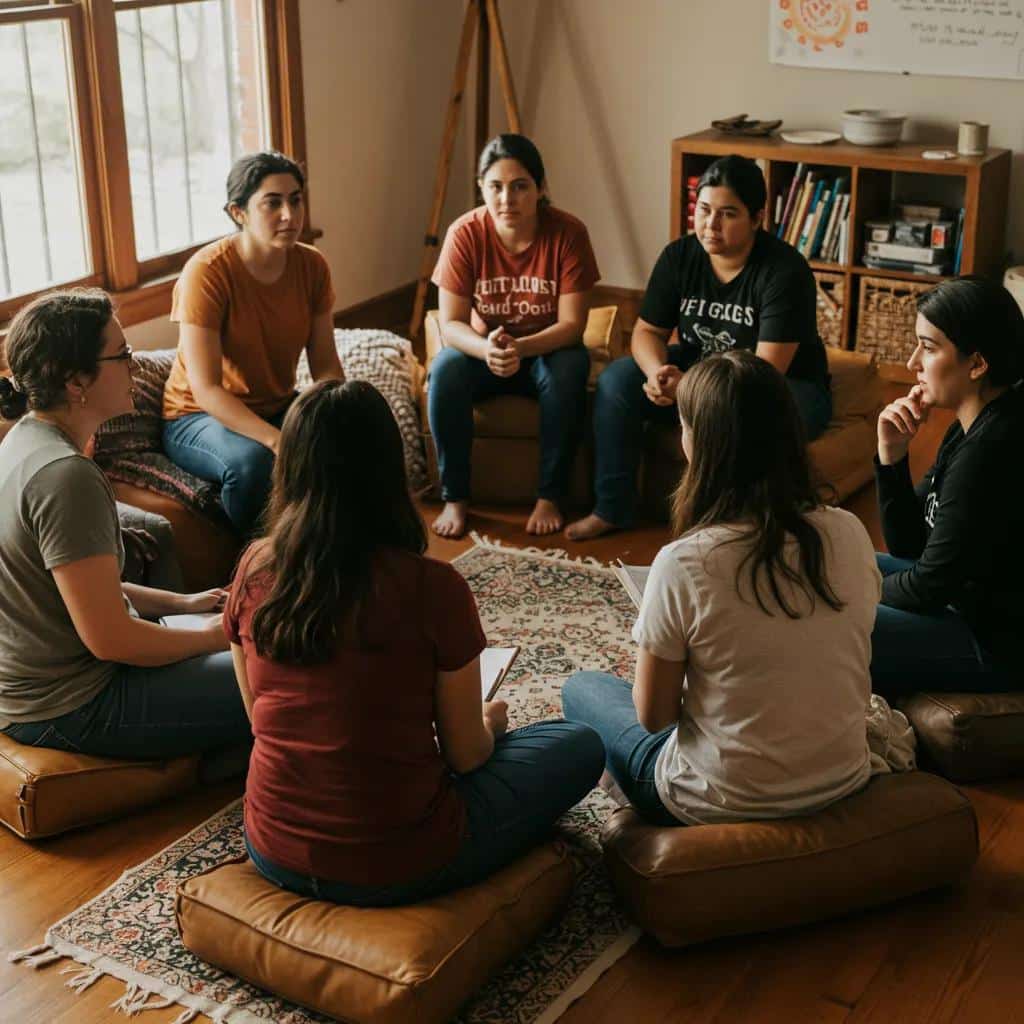
Trauma-informed care intentionally integrates safety, choice, and empowerment into every group session to minimize re-traumatization and actively foster resilience. By incorporating grounding techniques and providing psychoeducation on stress responses, these groups offer structured healing that significantly strengthens recovery outcomes across emotional and neurological levels.
“Trauma-Informed Intervention for Women in Drug Treatment”
>
“This study of two trauma-informed curricula presented in a residential facility for women in recovery. It calls for additional research in this area, particularly regarding integrated trauma-informed services.”
What Are the Principles of Trauma-Informed Support for Women?
Trauma-informed groups are guided by five core principles: ensuring physical and emotional safety, building trustworthiness, fostering peer support, promoting collaboration, and empowering participants. These guidelines shape every aspect of session design—from obtaining consent to establishing group norms—ensuring that participants feel protected and valued throughout their healing process.
How Does Trauma-Informed Care Improve Group Therapy Outcomes?
When trauma-informed methods are consistently applied, women tend to experience fewer instances of dropping out of therapy and report higher levels of perceived safety. Incorporating techniques like grounding exercises and psychoeducational modules effectively reduces distress during sharing, enabling deeper emotional processing and sustained engagement with recovery goals.
How Is Trauma Addressed Within Sun County Wellness’s Women’s Programs?
At Sun County Wellness, our clinicians provide specialized training to facilitators, equipping them to integrate sensory-based interventions—such as breathwork and guided imagery—into each support session. This practice, combined with reflective debriefing and targeted resource referrals, ensures that trauma is acknowledged and addressed concurrently with addiction, promoting comprehensive and holistic recovery.
Embarking on recovery through women’s support groups offers a powerful synergy of shared understanding, specialized interventions, and practical life-skill development. By exploring the benefits, diverse group options, unique challenges, effective selection methods, peer mentorship, inspiring success stories, and the advantages of trauma-informed care, this guide empowers women with the knowledge needed to engage confidently in their recovery journey. Sun County Wellness is here to support you with seamless admissions and insurance verification, assisting every woman as she builds lasting sobriety and rediscovers her self-esteem.