
Clinically Reviewed By Brittany Astrom - LMFT
Brittany has 15 years of experience in the Mental Health and Substance Abuse field. Brittany has been licensed for almost 8 years and has worked in various settings throughout her career, including inpatient psychiatric treatment, outpatient, residential treatment center, PHP and IOP settings.
Expert Tips on How to Calm Anxiety for a Peaceful Mind
Anxiety is a common mental health condition that affects millions of people. It can cause your mind to race, your heart rate to spike, and your mood to shift quickly. At Sun County Wellness, we understand the impact anxiety disorder, panic disorder, and even social anxiety disorder can have on your daily life.
If you often wonder “how can I calm my anxiety”, “how do I calm my anxiety”, or “how do you calm down anxiety”, you are not alone. Many people struggle with fear, panic, and pressure that feel impossible to control. The good news is there are simple steps you can take right now to regain focus, ease emotion, and restore a peaceful mind.
These expert-backed strategies use proven relaxation techniques, stress management tools, and lifestyle changes to calm your brain and body.
Practice Deep Breathing to Calm Your Body and Mind
One of the most effective ways to stop panic attacks and ease shortness of breath is through controlled breathing. When you’re anxious, you may breathe quickly and shallowly, which can make your stomach feel tight and increase stress hormone levels.
Diaphragmatic breathing, also known as belly breathing, helps slow your heart rate, relax your muscles, and calm your thoughts. Try this exercise:
- Sit or lie down in a quiet space.
- Place one hand on your stomach and one on your chest.
- Inhale deeply through your nose, letting your stomach rise while keeping your chest still.
- Hold for a moment, then focus on a slow exhalation through your mouth.
- Repeat for several minutes.
This simple practice can lower anger, reduce panic, and help you feel more in control of your emotion.
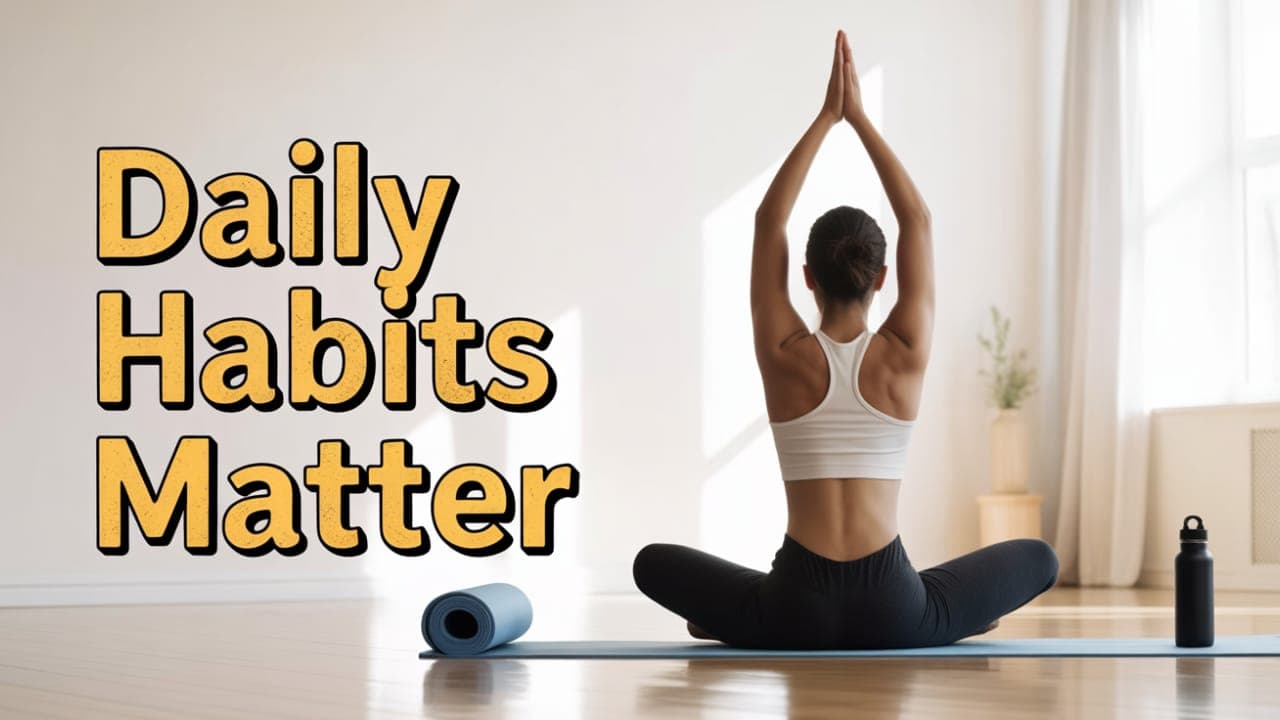
Build a Daily Routine to Reduce Pressure
An unstructured day can make generalized anxiety disorder and social anxiety disorder feel worse. Setting a regular schedule helps lower stress and keep your attention on what you can control.
Start by establishing predictable times for sleep, meals, and work. Go to bed and wake up at the same time each day to support your mental health and mood. Build in breaks for yoga, meditation, or quiet reflection.
Creating order in your day helps your brain process stress hormone signals more effectively and supports long-term health.
Move Your Body for Stress Relief
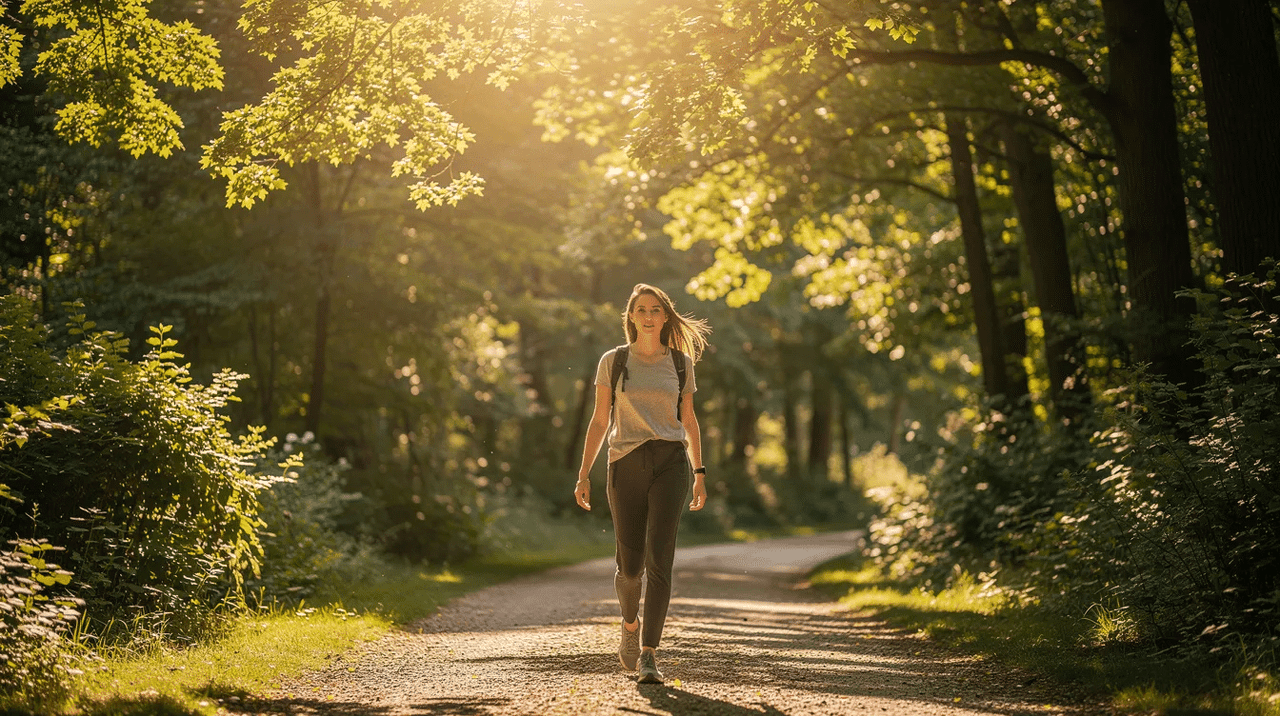
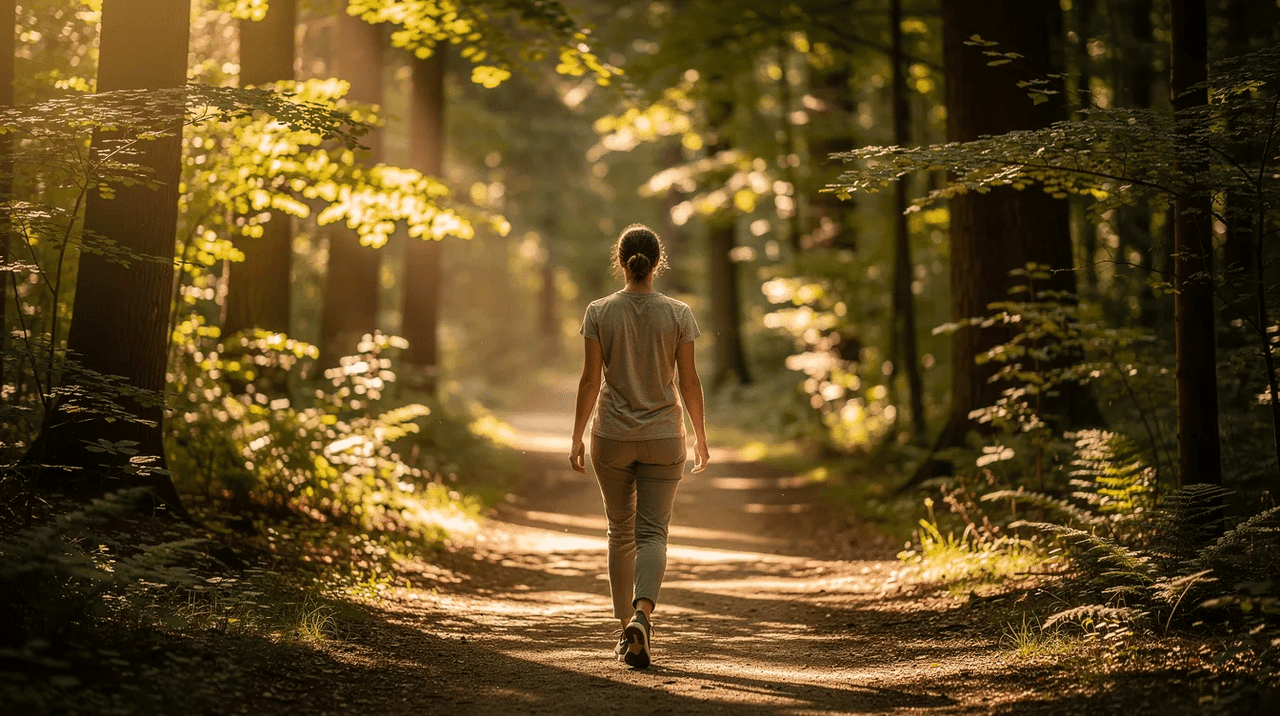
Exercise is a natural way to relieve anxiety, boost your mood, and improve mental health. Physical activity reduces stress hormones, strengthens your muscles, and improves your ability to focus your attention.
You don’t need intense workouts. Even light movement helps:
- Take a walk outside and notice your thoughts and surroundings.
- Try yoga or progressive muscle relaxation to ease tension.
- Join a peer support group for exercise and connection.
Moving your muscle groups through stretches or guided imagery sessions can help you feel grounded and calm.
Watch What You Consume
What you eat and drink can affect anxiety, panic disorder, and even bipolar disorder symptoms. High caffeine or sugar intake can raise stress hormones, increase heart rate, and make it harder to sleep.
- Limit caffeine from coffee, energy drinks, and soda.
- Drink tea, such as chamomile, to promote calm.
- Stay hydrated and eat balanced meals.
Making healthy choices supports your health, keeps your brain sharp, and helps regulate your mood.
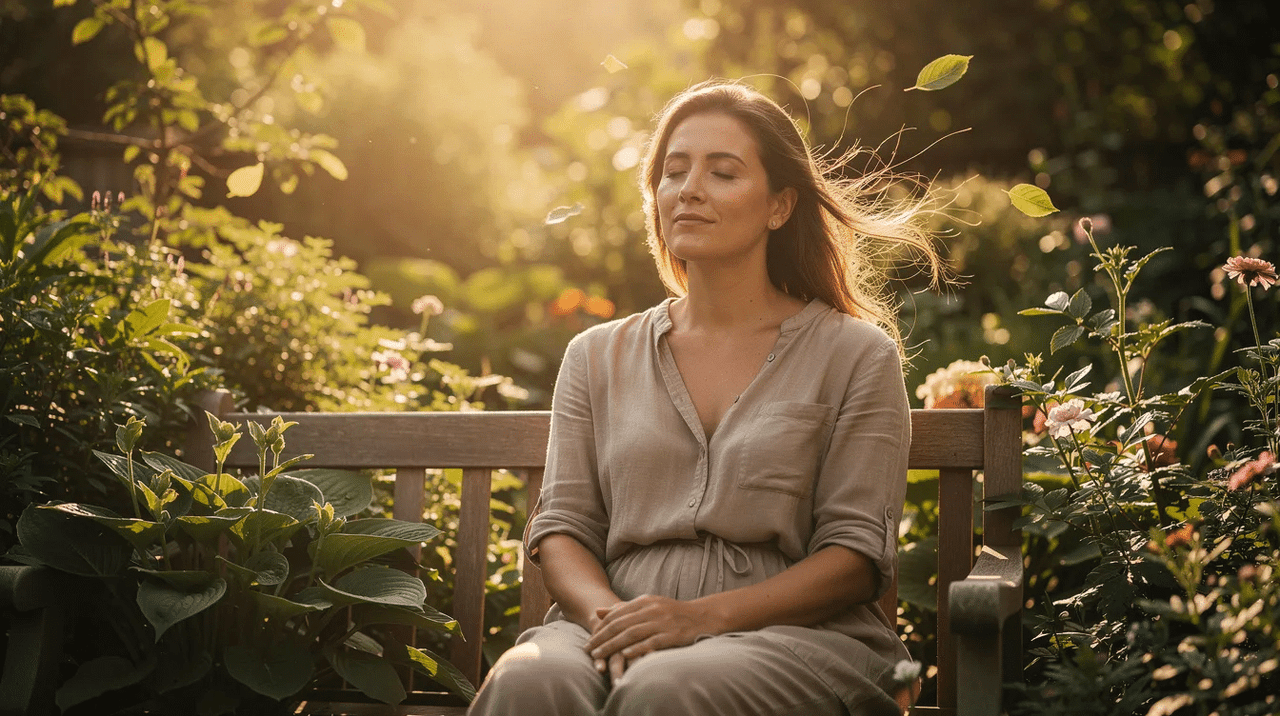
Practice Mindfulness and Meditation
When your mind is consumed by fear, phobia, or anger, it’s hard to focus on the present. Mindfulness and meditation help you shift your attention to the here and now.
If you’ve ever asked yourself “how do I calm down my anxiety”, or “how can you calm anxiety”, try these techniques:
- Use the 5-4-3-2-1 method to ground yourself by noticing your senses.
- Spend 5–10 minutes each day in quiet meditation.
- Picture a peaceful scene through guided imagery.
Mindfulness reduces stress hormone levels and helps you feel safer in your body.
Improve Your Sleep Habits
Quality sleep is vital for your mental health. When you don’t rest well, it can worsen anxiety disorder and increase pressure during the day.
Follow these tips to sleep better:
- Go to bed and wake up at the same time every day.
- Turn off screens 30 minutes before bed.
- Avoid heavy meals or caffeine late in the evening.
Healthy sleep habits keep your brain functioning well and your mood more stable.
Try Relaxation Techniques
When anxiety strikes, how can I calm down my anxiety? Simple relaxation techniques like progressive muscle relaxation and guided imagery help you feel better fast.
Progressive muscle relaxation works by tensing and releasing each muscle group, helping your body release built-up stress. Visualizing a safe, calm place can ease panic and give your mind a break.
Seek Professional and Peer Support
Sometimes anxiety disorder, panic disorder, and generalized anxiety disorder require extra help. Talking to a therapist or joining a peer support group can provide tools, medication, and understanding.
If you ever feel overwhelmed, don’t hesitate to reach out. At Sun County Wellness, our team offers compassionate care for women struggling with mental health challenges. Whether you need therapy, group support, or guidance on medication, we are here to help.
How Can I Relieve My Anxiety?
If you’re wondering “how do I calm anxiety”, “how can I calm my nerves”, or “how can I relieve my anxiety”, these expert tips can help.
- Use diaphragmatic breathing to lower your heart rate and ease shortness of breath.
- Focus your attention on mindfulness and meditation to calm your mind.
- Manage your health through sleep, exercise, and good nutrition.
- Connect with others for peer support and emotional care.
By combining these practices, you can take back control of your mental health and find peace of mind.
Get Help at Sun County Wellness
Anxiety is a real disease, but you can overcome it with the right support and tools. At Sun County Wellness, we help women like you calm anxiety, ease panic attacks, and improve mental health every day.
Our programs include therapy, medication management when appropriate, holistic care like yoga and meditation, and access to peer support. We understand how anxiety affects your health, and we’re here to help you heal.
Call us or fill out our contact form today to get started. You deserve a calmer mind, a healthier body, and a brighter future.
Frequently Asked Questions About Calming Anxiety
1. How can I calm my anxiety quickly?
You can calm anxiety quickly by practicing slow, deep breathing and focusing on your exhalation. Diaphragmatic breathing helps lower your heart rate, relax your muscles, and reduce feelings of panic. Mindfulness techniques, such as naming things you see or hear, can also bring your attention to the present moment and ease fear.
2. What are the best relaxation techniques for anxiety?
Some of the most effective relaxation techniques include diaphragmatic breathing, progressive muscle relaxation, guided imagery, and meditation. Yoga is another option that combines movement, breathing, and focus to calm both your mind and body. These techniques help lower stress hormones and improve mood over time.
3. How does sleep affect anxiety?
Poor sleep can make anxiety worse by increasing stress hormone levels and making it harder for your brain to regulate emotions. Establishing healthy sleep habits, like going to bed at the same time each night and avoiding caffeine in the evening, can improve your mental health and help you feel calmer during the day.
4. When should I seek professional help for anxiety?
If your anxiety feels overwhelming, interferes with your daily activities, or leads to frequent panic attacks, it’s time to seek professional help. A mental health provider can recommend therapy, peer support, and, if needed, medication to help manage symptoms. At Sun County Wellness, we offer specialized programs for women living with anxiety and related mental health conditions.

Seeking Treatment? We Can Help
At Sun County Wellness, as an in-network provider we work with most insurance plans, such as:
If you or a loved one are struggling with mental health challenges or substance abuse, reach out to Sun County Wellness today. Our team of compassionate professionals is here to support your journey towards lasting well-being. Give us a call at 949-993-1149
Visit SAMHSA or contact us today for more inforamtion.