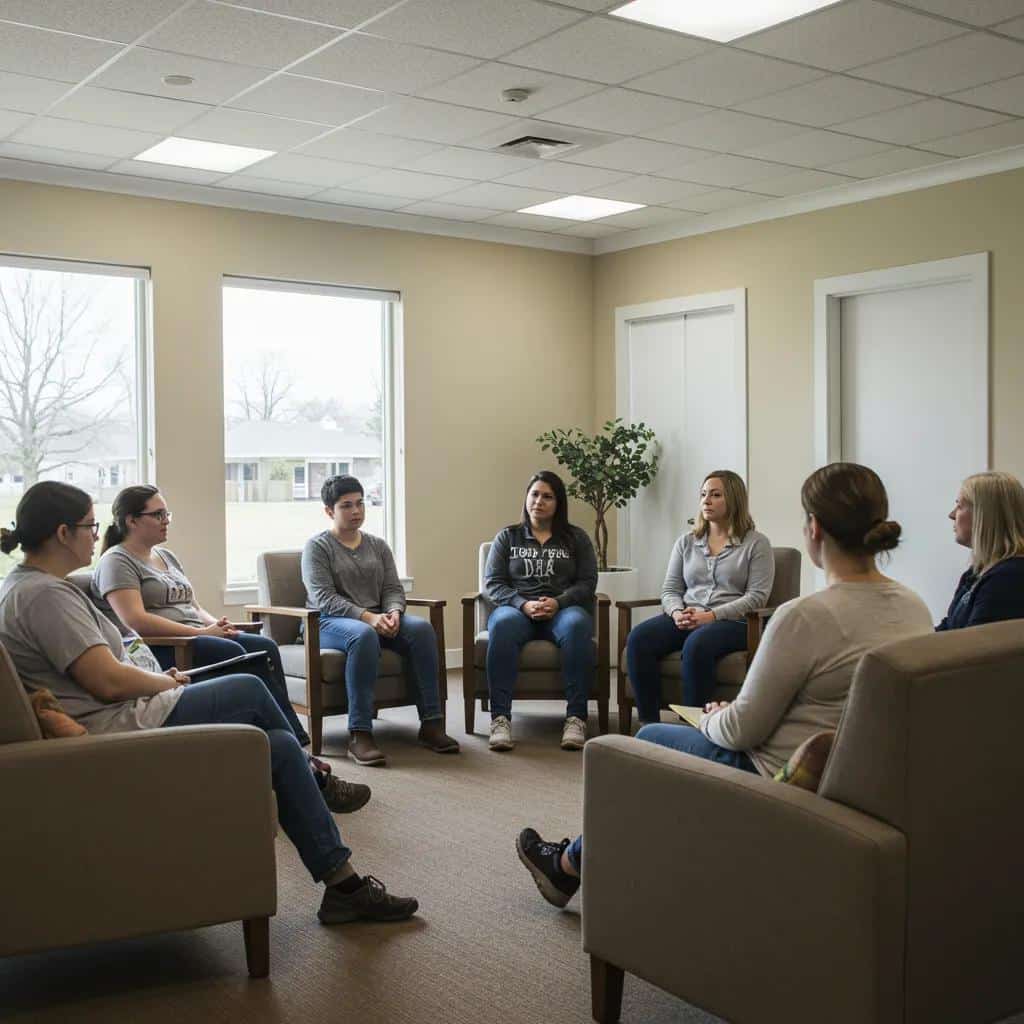
Empowering Women's Healing: Gender-Specific Rehab for Lasting Recovery
At women’s rehab centers, we understand that addiction and mental health are deeply intertwined with the unique biological, psychological, and social experiences of women. Our approach creates a safe haven designed to dismantle barriers—like past trauma or caregiving duties—and provide specialized support that cultivates enduring strength. This guide delves into (1) the distinct hurdles women navigate in addiction and mental wellness, (2) the foundational principles and positive outcomes of trauma-informed care, (3) tailored therapies and counseling for women, (4) integrated holistic practices, (5) strategies for building inner resilience, (6) comprehensive aftercare and relapse prevention, (7) the specialized offerings and intake process at Sun County Wellness, and (8) common questions surrounding emotional healing in women’s recovery journeys.
What Unique Challenges Do Women Face in Addiction and Mental Health?
Women often experience addiction differently, influenced by hormonal shifts, societal expectations, higher rates of trauma, and the presence of co-occurring mental health conditions. These factors can create obstacles to seeking help and increase the risk of relapse.
How Do Biological and Psychological Factors Affect Women’s Addiction?
The ebb and flow of hormones and changes in brain chemistry can significantly impact cravings and emotional stability. Fluctuations in estrogen and progesterone may heighten sensitivity to substances, while psychological pressures, such as body image concerns, can intensify emotional triggers. Recognizing these intricate connections allows us to tailor interventions that align with women’s natural cycles, fostering more effective recovery.
What Role Does Trauma Play in Women’s Addiction?
A significant number of women entering treatment report a history of trauma, including experiences of violence or abuse. Trauma-informed approaches acknowledge how unresolved traumatic memories can drive substance use as a coping mechanism. By creating secure environments and offering specialized therapies, we can address these underlying issues, prevent re-traumatization, and build a solid foundation for emotional healing.
How Do Co-Occurring Mental Health Disorders Impact Women’s Recovery?
It’s common for women to face challenges with depression, anxiety, and PTSD alongside substance use disorders. Our integrated treatment plans address both mental health symptoms and addiction concurrently, which enhances engagement and lowers the likelihood of relapse. Close collaboration between psychiatrists, therapists, and peer counselors ensures that medication management and talk therapy work in harmony.
How Does Motherhood Influence Addiction and Recovery for Women?
The responsibilities of parenting and concerns about child welfare can sometimes delay or interrupt treatment. Programs that offer on-site childcare or parenting support empower mothers to prioritize their healing without compromising their family connections. Supporting women in their roles as mothers can significantly boost motivation and equip them with skills for healthier family dynamics.
How Does Trauma-Informed Care Support Emotional Healing in Women’s Rehab?
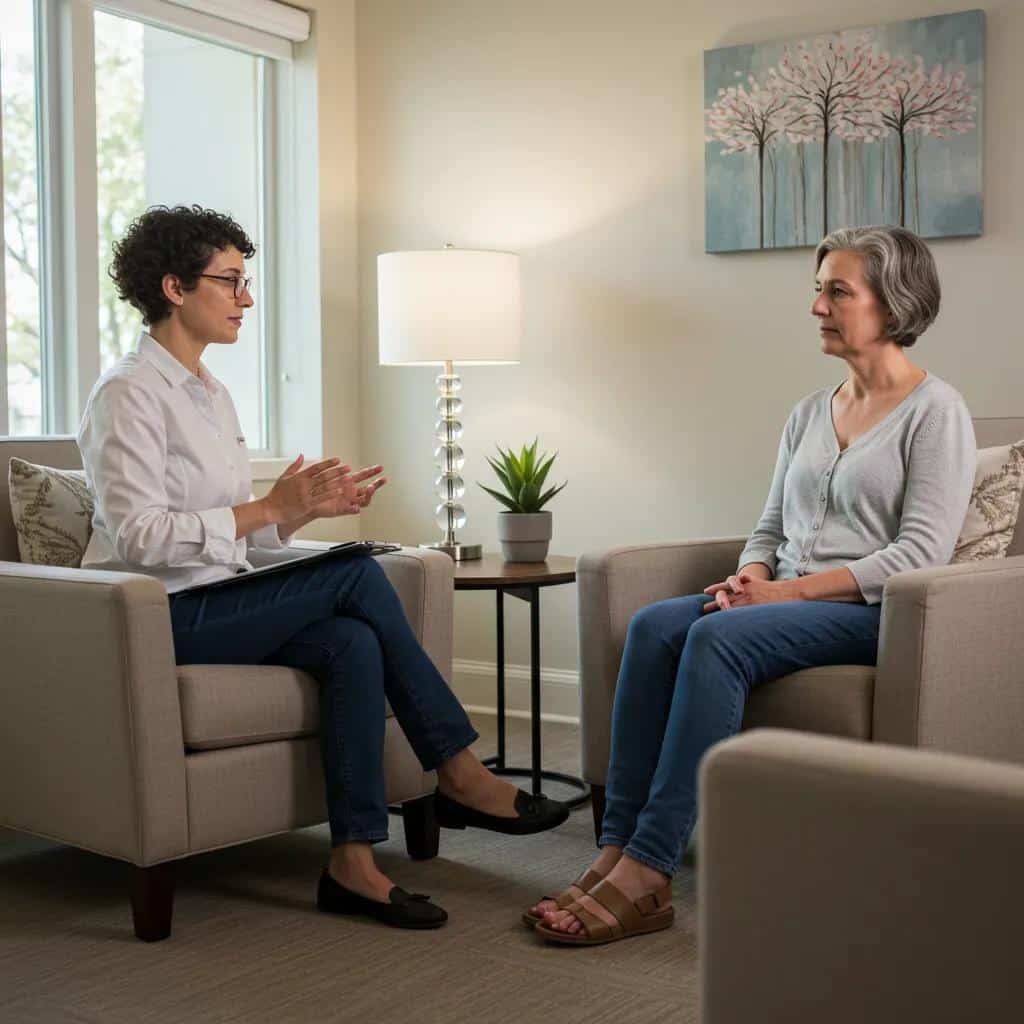
Trauma-informed care provides a guiding framework that prioritizes safety, builds trust, and empowers individuals, recognizing how past experiences shape present behaviors.
What Are the Principles of Trauma-Informed Care for Women?
Our trauma-informed programs are built on pillars of physical and emotional safety, the power of peer support, collaborative partnerships, and deep cultural understanding. Our staff uses compassionate, nonjudgmental language and actively involves clients in their treatment decisions, fostering a sense of autonomy and minimizing power imbalances that might echo past traumas.
Which Trauma Therapies Are Most Effective for Women?
We incorporate proven therapeutic approaches such as Eye Movement Desensitization and Reprocessing (EMDR), Somatic Experiencing, and Cognitive Behavioral Therapy (CBT).
Therapy Modality
Core Focus
Mechanism
Key Outcome
EMDR
Processing traumatic memories
Bilateral stimulation techniques
Reduced symptoms of PTSD
Somatic Experiencing
Releasing trauma held in the body
Tracking bodily sensations
Improved ability to manage stress
Cognitive Behavioral
Changing unhelpful thought patterns
Challenging and reframing thoughts
Enhanced coping skills and self-esteem
How Does Trauma-Informed Care Improve Recovery Outcomes?
By helping to reduce triggers and build effective coping strategies, trauma-informed care leads to lower dropout rates and supports sustained sobriety. Women often report increased self-confidence and fewer instances of relapse when they are guided through gradual exposure and skill-building exercises in a supportive environment.
How Does Sun County Wellness Implement Trauma-Informed Care for Women?
At Sun County Wellness, we weave trauma-informed principles into our daily practice through intimate group trauma workshops, personalized EMDR sessions, and grounding exercises. Our licensed clinicians meticulously monitor progress using validated assessments, adapting treatment plans to honor each woman’s unique pace and comfort level.
What Gender-Specific Therapies and Counseling Are Offered in Women’s Rehab Centers?
Our programs are thoughtfully designed for women, addressing relational dynamics and societal pressures through specialized group and individual therapeutic methods.
How Does Group Therapy Address Women’s Unique Recovery Needs?
Women-only groups create a powerful space for connection, where shared experiences—like body image challenges or complex family dynamics—can be explored openly. Guided discussions and role-playing exercises foster mutual support, diminish feelings of isolation, and enhance communication abilities.
What Is the Role of Individual Counseling in Female Addiction Treatment?
One-on-one counseling sessions provide a confidential setting for clinicians to delve into personal histories, co-occurring disorders, and issues of self-worth. Collaborative goal-setting and the development of personalized coping strategies strengthen accountability and reinforce progress between group sessions.
How Does Family Therapy Support Women’s Emotional Healing?
Family therapy sessions involve partners, children, or parents, working together to rebuild trust and establish healthier boundaries. Our therapists guide participants through structured activities designed to foster empathy, improve conflict resolution, and strengthen mutual support systems.
What Are Gender-Responsive Addiction Counseling Techniques?
Our therapeutic approaches embrace feminist principles, mind-body integration, and strength-based narratives. Techniques include narrative therapy, dialectical behavior therapy adapted to honor women’s emotional expression, and motivational interviewing that respects each client’s deeply held values.
How Do Holistic Women’s Rehab Programs Enhance Emotional and Spiritual Healing?

Holistic strategies nurture well-being across multiple dimensions, harmonizing the body, mind, and spirit to cultivate a profound sense of balance.
How Do Yoga and Mindfulness Support Emotional Regulation in Women?
Yoga sequences and guided mindfulness practices gently activate the body’s relaxation response, easing anxiety and deepening body awareness. Consistent practice builds resilience to stress and enhances emotional insight.
What Benefits Do Art and Expressive Therapies Provide for Women in Recovery?
Engaging in creative outlets—such as painting, dance, or journaling—offers a powerful avenue for nonverbal expression of trauma and grief. These modalities encourage self-discovery, reduce feelings of shame, and help women build an identity that extends far beyond their addiction.
How Does Nutrition and Wellness Contribute to Women’s Recovery?
Nutrient-rich diets, abundant in omega-3 fatty acids, lean proteins, and B-vitamins, support balanced neurotransmitter function and stable energy levels. Integrated wellness practices, including sleep hygiene and gentle exercise, significantly improve mood and cognitive clarity.
How Are Holistic Approaches Integrated into Sun County Wellness’s Programs?
Sun County Wellness offers daily mindfulness sessions, engaging weekly art therapy workshops, and personalized meal planning. Our coordinated care among dietitians, movement specialists, and therapists ensures that each element of our program actively supports emotional growth.
How Do Women’s Rehab Centers Build Emotional Resilience and Healthy Coping Skills?
Our resilience-building programs empower women to cultivate self-compassion, establish healthy boundaries, and forge meaningful connections within a supportive community.
What Strategies Help Women Develop Self-Compassion and Confidence?
Guided self-compassion exercises, affirmation journaling, and strengths-based assessments nurture a positive self-image. Our facilitators guide women in transforming self-criticism into constructive language, fostering deep inner strength.
How Are Emotional Regulation Skills Taught in Women’s Rehab?
We teach practical skills such as deep-breathing techniques, progressive muscle relaxation, and cognitive reframing. Through role-playing and real-time feedback in a safe setting, women learn to apply these skills effectively.
What Role Does Boundary Setting Play in Women’s Recovery?
Boundary-setting workshops equip women with the tools to establish healthy limits in relationships and daily life. Learning to express needs respectfully helps prevent resentment and conserves emotional energy for recovery efforts.
How Do Support Groups and Peer Connections Foster Long-Term Healing?
Ongoing peer circles and mentorship pairings create vital networks of accountability. Celebrating shared milestones and engaging in relapse prevention check-ins reinforce a powerful sense of belonging and purpose beyond formal treatment.
What Aftercare and Relapse Prevention Programs Support Women’s Long-Term Recovery?
Our aftercare plans extend comprehensive support through personalized strategies, community engagement, and continuous skill development.
How Are Aftercare Plans Tailored for Women’s Unique Needs?
Aftercare plans integrate outpatient counseling, peer-led support groups, and life-skills workshops. These plans are flexible, accommodating childcare needs, career aspirations, and ongoing mental health requirements to ensure sustained engagement.
What Relapse Prevention Strategies Are Effective for Women?
Effective strategies include identifying personal triggers, developing rapid-response coping plans, and building a strong network of sober social connections. Regular check-ins with counselors help monitor progress and refine these tactics.
How Do Alumni Programs and Community Support Enhance Recovery?
Our alumni circles host monthly gatherings and virtual forums where former clients share invaluable insights and experiences. Continuing education events reinforce recovery principles and provide opportunities for women to mentor those who are just beginning their journey.
How Can Families Support Women After Rehab?
We guide families on reinforcing healthy boundaries, participating in follow-up family therapy sessions, and encouraging attendance at support meetings. Cultivating positive communication patterns is key to maintaining a stable and supportive environment for lasting recovery.
Why Choose Sun County Wellness for Women’s Emotional Healing and Addiction Recovery?
Sun County Wellness provides specialized programs meticulously designed to meet women’s physiological, psychological, and social recovery needs within a seamlessly integrated treatment continuum.
What Specialized Women’s Programs Does Sun County Wellness Offer?
Our offerings include medical detox, residential treatment, outpatient care, and trauma-focused workshops exclusively for women. Each program emphasizes skill-building, emotional processing, and the vital connection with peers.
How Does Sun County Wellness Address Co-Occurring Disorders in Women?
Our integrated care teams expertly assess and treat substance use disorders alongside conditions like depression, anxiety, or PTSD. We coordinate medication management, therapy sessions, and holistic supports to optimize mental health outcomes.
What Are the Unique Benefits of Sun County Wellness’s Gender-Specific Care?
Women thrive in our safe, women-only environments, benefiting from staff trained in gender-responsive methodologies. Our small cohort sizes foster deeper interpersonal connections and accelerate the building of trust.
How Can Women Inquire About Admissions and Insurance Verification?
Prospective clients are encouraged to reach out to our admissions team to schedule a confidential consultation and verify their insurance benefits. This straightforward process clarifies coverage options and streamlines entry into our programs.
What Are Common Questions About Women’s Rehab Centers and Emotional Healing?
Women and their families often inquire about the distinctions of gender-specific treatment, the importance of trauma care, the most effective therapies for healing, and typical program durations. We clarify that women-only settings minimize distractions, trauma-informed frameworks address root causes, and a combination of therapies, holistic practices, and peer support builds lasting resilience. Program lengths are individualized but commonly range from 30 to 90 days, with ongoing aftercare support significantly enhancing long-term success.
Women’s rehab centers offer deeply effective, emotionally focused care by addressing hormonal influences, trauma histories, and relational dynamics. Gender-specific environments encourage open dialogue and skill practice within a secure space. Trauma-informed methods, specialized therapies, holistic practices, and structured aftercare work together to cultivate self-compassion, confidence, and enduring sobriety. For women seeking specialized addiction care and profound emotional healing, Sun County Wellness provides a clear admissions pathway and dedicated insurance verification support to guide every step of your journey toward lasting recovery.