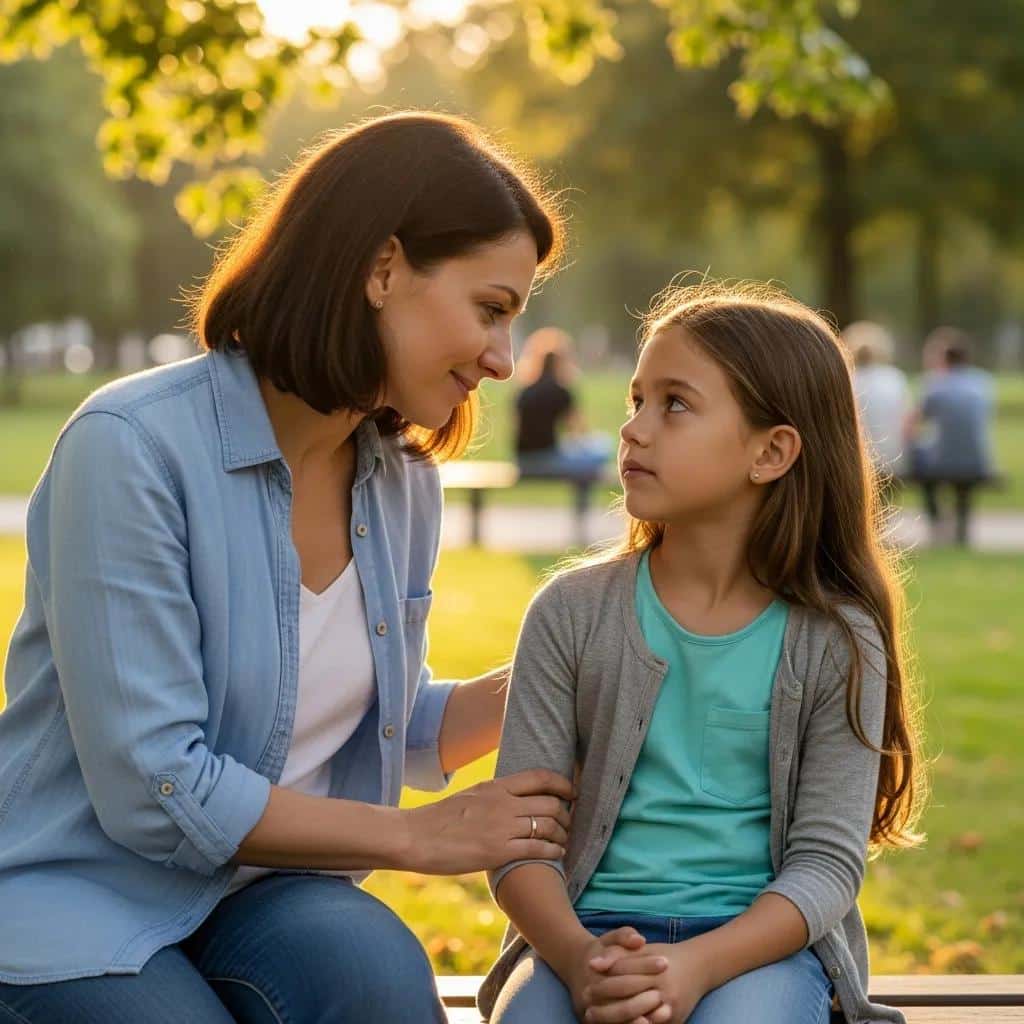
Healing for a Brighter Future
Intergenerational trauma affects whole families; daughters often inherit emotional patterns from their mothers. A mother’s recovery can redirect that path. This article explains how healing from trauma and addiction improves a daughter’s emotional health and resilience, and outlines trauma pathways, trauma-informed care benefits, practical parenting strategies, and women-focused recovery programmes.
What Is Intergenerational Trauma and How Does It Affect Families?
Intergenerational trauma is the transmission of emotional and psychological effects across generations, frequently showing as anxiety, depression or difficulties forming secure relationships. Addressing it breaks repeating patterns and builds resilience in future generations.
How Does Trauma Pass From Mothers to Daughters?
Trauma passes via behaviours, emotional responses and sometimes biological reactions. A mother with unresolved trauma may have increased anxiety or depression, reduced emotional availability and altered parenting that shape a daughter’s development. Identifying these pathways helps target interventions to interrupt the cycle.
What Are the Emotional Effects of Intergenerational Trauma on Children?
Children exposed to intergenerational trauma may struggle with emotional regulation, face higher risk of mental-health problems and have difficulty forming secure attachments. These effects can limit wellbeing over time; early support and targeted intervention reduce harm and build emotional strength.
How Does Maternal Recovery Improve Your Daughter’s Emotional Health?
When mothers address trauma or addiction they often regain emotional regulation, self-esteem and stability, creating a steadier home. Daughters of caregivers in recovery typically develop stronger coping skills and greater resilience.
“Maternal Trauma Recovery: Healthier Futures for Children”
>
“Helping women heal from trauma and its consequences leads to healthier, less traumatic environments for their children and families. —”
>
“From treatment to healing: the promise of trauma-informed primary care, YP Cuca, 2015”
Sun County Wellness offers specialised programmes for women’s trauma recovery, using trauma-informed care to support mothers and daughters and improve family dynamics through targeted healing.
In What Ways Does Trauma-Informed Care Support Family Healing?
Trauma-informed care recognises trauma’s prevalence and creates safe spaces for recovery. By understanding and responding to trauma’s effects, it opens communication, strengthens emotional support and rebuilds trust for the individual and the wider family unit.
This collaborative, evidence-based approach is vital for building resilience in children and across families.
“Child & Family Trauma Recovery and Resilience”
>
“They work with everyone involved with the child, using the best available science to support recovery and resilience for both the child and the family. — Trauma-informed care, 2013”
What Evidence Shows Recovery Enhances Children’s Emotional Resilience?
Research shows maternal recovery strengthens children’s emotional resilience: better regulation, improved coping and a greater likelihood of secure attachments. These findings highlight why supporting mothers in recovery matters for children’s development.
How Can Healing Family Addiction Restore Parenting and Relationships?
Recovery from addiction can rebuild family life and repair parenting relationships. As mothers heal they often gain skills to connect more positively with their children; recovery fosters improved communication, trust and emotional support. Rebuilding commonly involves honest dialogue, clear boundaries and family therapy.
What Parenting Strategies Help After Substance Abuse?
Key parenting strategies after substance abuse include:
- 1Open Communication: Encourage honest conversations about feelings to foster trust.
- 2Setting Boundaries: Establish clear, consistent boundaries to create safety for children.
- 3Emotional Support: Provide steady emotional support so children feel secure and valued.
Together, these approaches reduce conflict and strengthen family recovery.
How Does Family Therapy Facilitate Breaking Addiction Cycles?

Family therapy addresses root issues that feed addiction and improves communication and connection. Therapists often use cognitive-behavioural techniques, family-systems approaches and psychoeducation to shift patterns; families who engage in therapy commonly report repaired relationships and meaningful recovery.
Integrated, evidence-based trauma-informed practices are essential to support these changes within family systems.
“Trauma-Informed Family Practices for Well-being”
>
“Families are a central context for caring for children and adolescents exposed to trauma, but family-focused trauma-informed practices remain under-studied. To improve family health, researchers call for more integrated, evidence-based approaches that address complexity in family systems and use longitudinal, mixed-method designs. —”
>
“Trauma-informed family practices: Toward integrated and evidence-based approaches, RB Champine, 2018”
What Women-Specific Recovery Programs Support Intergenerational Healing?
Women-specific recovery programmes address the particular challenges women face, emphasising trauma-informed care, safe spaces and peer communities. These programmes commonly combine tailored therapy, holistic supports and community-building to sustain recovery and improve family outcomes.
- 1Tailored Support: Group therapy, individual counselling and family services designed for women’s needs.
- 2Holistic Approaches: Practices such as mindfulness, yoga and nutrition to support overall wellbeing.
- 3Community Building: Peer networks that foster connection and shared experience.
How Does Sun County Wellness Tailor Programs for Women’s Trauma Recovery?
Sun County Wellness blends trauma-informed care with evidence-based methods to empower women, address gender-specific needs and support lasting recovery. Client reports indicate improved wellbeing and stronger family relationships after participation.
What Local Resources in Orange County Aid Family Healing?
Orange County offers local resources to support family healing and recovery, including support groups, community centres and qualified therapy services.
- 1Support Groups: Local groups provide safe spaces for families to share experiences and gain practical insights.
- 2Community Centers: Workshops and programs focus on family healing and emotional health.
- 3Therapy Services: Access to therapists specialising in family dynamics and trauma recovery.
These resources help families access support, learn coping skills and build resilience after trauma and addiction.
Frequently Asked Questions
How can intergenerational healing impact future generations?
When mothers address and resolve trauma they can break harmful cycles, fostering healthier relationships and resilience in their daughters, which benefits families and communities over time.
What specific parenting techniques can help mitigate the effects of intergenerational trauma?
Active listening, validating feelings, encouraging emotional expression, consistent routines and clear boundaries give children security and help repair attachment and trust.
What is the importance of self-care for mothers in recovery?
Self-care maintains mental and emotional health, models healthy behaviour for children and supports a mother’s capacity to parent effectively; activities can include exercise, therapy and restorative hobbies.
How can schools support children affected by intergenerational trauma?
Schools can adopt trauma-informed practices, train staff to recognise trauma signs, offer counselling and include social-emotional learning to equip students with coping skills.
What role does peer support play in recovery for mothers?
Peer support reduces isolation, offers encouragement and shared strategies, and builds accountability and motivation that sustain recovery and positively affect families.
How can trauma-informed care be integrated into everyday family life?
Integrate trauma-informed care by creating safety, trust and open communication—practise active listening, validate feelings, keep consistent routines and seek professional help when needed.