
Clinically Reviewed By Brittany Astrom - LMFT
Brittany has 15 years of experience in the Mental Health and Substance Abuse field. Brittany has been licensed for almost 8 years and has worked in various settings throughout her career, including inpatient psychiatric treatment, outpatient, residential treatment center, PHP and IOP settings.
Is Buspirone Addictive? Understanding Its Uses, Risks, and Misconceptions
What is Buspirone?
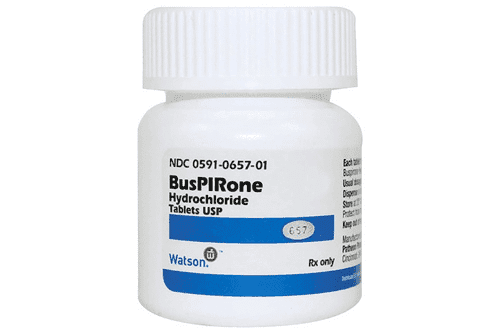
Buspirone is a prescription drug used for the treatment of anxiety disorders, particularly Generalized Anxiety Disorder (GAD). Unlike the drug class benzodiazepines, buspirone does not produce strong sedative effects or lead to physical dependence. It is considered one of the most effective non-addictive anxiety medications for long-term use.
How Does Buspirone Work in the Brain?
Buspirone works by affecting serotonin receptors in the brain, increasing levels of serotonin, which helps regulate feelings of anxiety. Unlike Selective Serotonin Reuptake Inhibitors (SSRIs), which are also used for the treatment of depression, buspirone does not cause instant relief but gradually provides therapeutic effects over time. Clinical trials and animal trials suggest that buspirone has a lower potential for addiction compared to benzodiazepines.
Purpose of Buspirone as an Anti-Anxiety Medication
Buspirone is prescribed for anxiety disorders, including post-traumatic stress disorder (PTSD) and panic anxiety disorders. It helps in the mitigation of anxiety without the risk of dependence or severe withdrawal symptoms. The efficacy of buspirone in the treatment of anxiety makes it a suitable alternative to medications with a higher potential for abuse.
What Makes Buspirone Different from Benzodiazepines?
Unlike benzodiazepines, which belong to the anxiolytic drug class and provide short-term relief, buspirone does not lead to cognitive impairments or adverse drug reactions. The action of buspirone is gradual, making it more effective for chronic anxiety rather than severe anxiety that requires short-term treatment. Additionally, it does not carry the addictive potentials seen in benzodiazepines, reducing the abuse risk.
Can Buspirone Produce a Euphoric “High”?
No, buspirone does not cause intense effects or a euphoric high. The effects of buspirone are mild and do not lead to psychological signs of addiction. However, taking larger doses or using buspirone in combination with alcohol or other mixed drugs can lead to harmful consequences, including severe drowsiness and risk of overdose.
Risks of Mixing Buspirone with Alcohol
Taking BuSpar with alcohol can increase risk of accidents, blurred vision, extreme drowsiness, and respiratory depression. Individuals with a history of alcohol use or substance use disorders should consult a healthcare professional before taking buspirone. Medical attention is required if symptoms such as overdose symptoms, physical symptoms, or obvious signs of distress occur.
Common Misconceptions About Buspirone Addiction
- “Buspirone causes the same addiction potential as benzodiazepines.” False—buspirone does not have the same abuse liability or physical addiction.
- “Buspirone withdrawal symptoms are severe.” False—though appearance of withdrawal symptoms can occur, they are milder compared to benzodiazepines.
- “Buspirone is effective for all types of anxiety instantly.” False—buspirone requires time to work and is more effective for anxiety over time rather than immediate relief.
Withdrawal Symptoms Related to Buspirone Discontinuation
Buspirone withdrawal is generally mild compared to opioid withdrawal or benzodiazepine withdrawal. However, some mild side effects can occur, such as:
- Physical symptoms like dizziness, dry mouth, and nausea
- Mental signs of increased anxiety or irritability
- Blood pressure fluctuations
A medical detox program may be required in severe cases, especially for those with a history of substance abuse.
Signs of Buspirone Misuse and Addiction
Although buspirone has a low risk of addiction, misuse can occur, especially when taken in larger doses than prescribed. Signs of abuse include:
- Taking higher doses of buspirone without a healthcare provider’s approval
- Mixing buspirone with alcohol addiction or other prescription medications
- Using buspirone recreationally for abuse-related subjective effects
Treatment Options for Buspirone Abuse
Individuals struggling with buspirone abuse should consider addiction treatment options. Recovery centers offer various treatment options, including:
- Medical detox program for withdrawal symptoms
- Behavioral therapies to address drug addiction
- Medication-assisted treatment for those struggling with co-occurring psychiatric disorders

Importance of Professional Support for Dependency
While buspirone is considered a non-addictive medication, individuals with a drug abuse issue should seek proper substance addiction treatment. Addiction specialists can help develop a substance addiction treatment course that ensures a safe recovery. Programs like Renaissance Recovery and Texas Recovery Centers provide support for individuals struggling with prescription drug misuse.
Comparing Buspirone with Other Anxiety Medications
Medication
Addiction Risk
Sedative Effects
Time to Take Effect
Primary Use
Buspirone
Low
No
2-4 weeks
Generalized Anxiety Disorder
Xanax (Benzodiazepine)
High
Yes
Immediate
Short-term relief of anxiety symptoms
SSRIs (e.g., Prozac)
Low
Minimal
4-6 weeks
Treatment of depression & anxiety disorders
Advantages of Buspirone
- Non-addictive: Does not cause physical dependence or abuse potential.
- Mild side effects: Less risk of cognitive impairments and adverse effects.
- Effective treatment: Works well for chronic anxiety and long-term buspirone therapy.
Risks and Side Effects of Buspirone
While buspirone is well-tolerated, common side effects may include:
- Nasal congestion
- Blurred vision
- Dry mouth
- Sexual dysfunction
In rare cases, hepatic impairment, renal impairment, and failure of SSRIs may require switching to an alternative anti-anxiety medication.
Conclusion
Buspirone is a non-addictive anxiety medication effective for Generalized Anxiety Disorder and other mental health conditions. Though it does not carry a risk of addiction, misuse can lead to harmful consequences. Medical professionals should be consulted for alternative options if buspirone does not work for an individual’s needs. If you or a loved one is struggling with buspirone abuse, drug rehabilitation facilities and addiction treatment programs can provide a definitive recovery plan.

Seeking Treatment? We Can Help
At Sun County Wellness, as an in-network provider we work with most insurance plans, such as:
If you or a loved one are struggling with mental health challenges or substance abuse, reach out to Sun County Wellness today. Our team of compassionate professionals is here to support your journey towards lasting well-being. Give us a call at 949-993-1149
Visit SAMHSA or contact us today for more inforamtion.