

Clinically Reviewed By Brittany Astrom - LMFT
Brittany has 15 years of experience in the Mental Health and Substance Abuse field. Brittany has been licensed for almost 8 years and has worked in various settings throughout her career, including inpatient psychiatric treatment, outpatient, residential treatment center, PHP and IOP settings.
Is LSD Addictive? Understanding Risks and Effects
Is LSD addictive? Unlike many drugs, LSD does not cause physical addiction. However, it can lead to psychological dependence, where users develop a craving for its effects. In this article, we delve into the risks of LSD, signs of misuse, and what you should know about its potential for dependence.
Key Takeaways
- LSD primarily causes psychological dependence rather than physical addiction, with users potentially experiencing cravings and compulsive behavior despite the absence of withdrawal symptoms.
- Repeated LSD use leads to rapid tolerance, requiring higher doses to achieve the same effects, which increases the risks of misuse and potential psychological issues.
- Long-term effects of LSD, such as hallucinogen persisting perception disorder (HPPD), can result in lasting visual disturbances and significant psychiatric concerns, emphasizing the need for caution and informed use.
What Is LSD and How Does It Work?
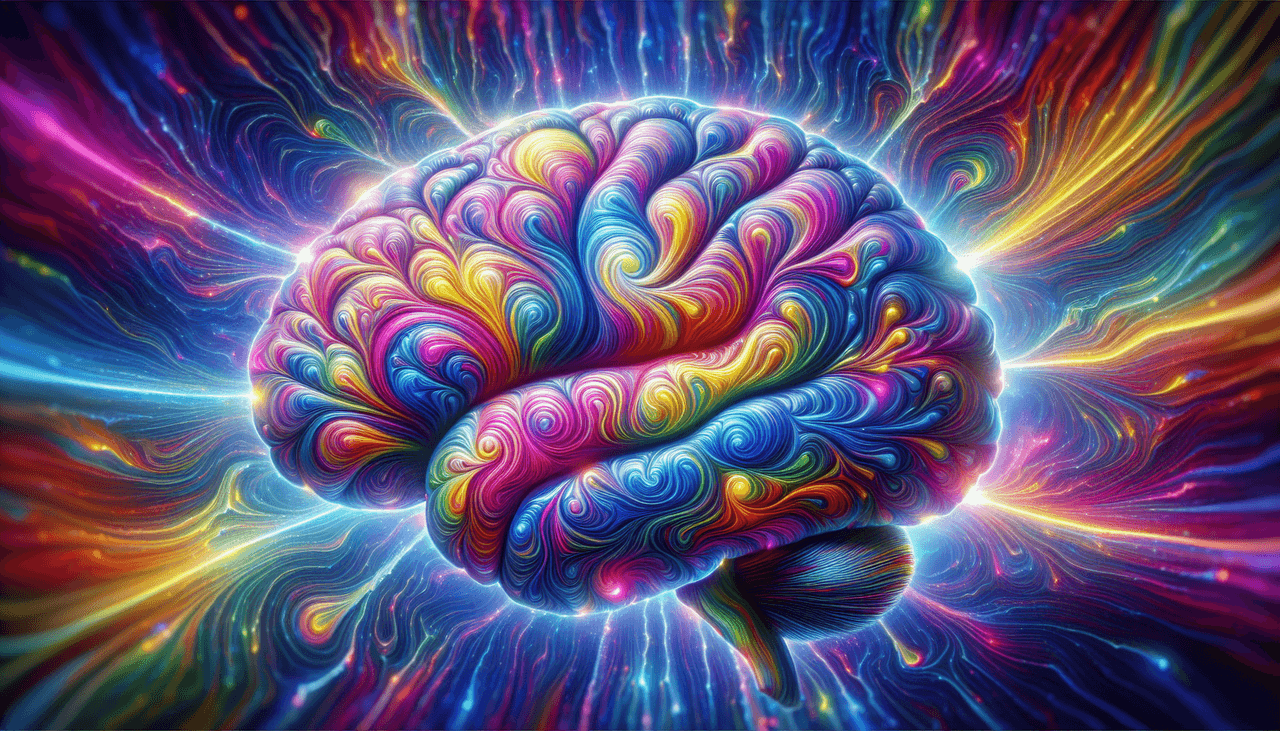
LSD, or lysergic acid diethylamide, is a potent psychedelic drugs hallucinogenic drug known for producing significant changes in perception, mood, and sensory experiences. First synthesized by Albert Hofmann in the 1930s, lysergic acid diethylamide lsd gained prominence in the early 1960s as a symbol of the counterculture movement, alongside other hallucinogenic drugs.
The chemical structure of LSD is derived from lysergic acid, a compound found in the ergot fungus that grows on rye and other grains. LSD is typically odorless and can appear as clear or white in color, available in various forms such as tablets, capsules, and liquid.
LSD primarily affects serotonin receptors in the brain, particularly the 5-HT2A receptor subtype. LSD activates specific signaling pathways within brain cells by binding to these receptors, resulting in its powerful psychoactive properties. This interaction significantly alters perception, thoughts, and emotions, often producing vivid hallucinations and profound sensory changes.
The effects of LSD can last up to 12 hours, making it a long-lasting experience that requires careful consideration of the environment and mental state, often referred to as ‘set and setting’. Grasping the mechanisms behind LSD’s effects helps in appreciating both its potential benefits and risks.
Can LSD Cause Addiction?

One of the most pressing questions about LSD is whether it can lead to addiction. Unlike many substances associated with drug abuse, LSD does not cause physical addiction. This means that users do not experience the physical withdrawal symptoms typically seen with substances like alcohol or opioids.
However, this does not imply that LSD is entirely free from the risk of lsd addiction. Users can develop a psychological dependence on the drug, characterized by cravings and a strong desire to continue using it. This form of addiction is driven by the powerful hallucinogenic effects that LSD produces, which can lead to compulsive drug-seeking behavior.
Despite the absence of physical withdrawal symptoms, the psychological grip of LSD can be significant. Individuals may find themselves repeatedly drawn to the drug’s unique ability to alter perception and mood, which can interfere with daily responsibilities and overall well-being. Thus, while LSD is not physically addictive, its potential for psychological dependence should not be underestimated.
Recognizing the difference between physical and psychological addiction is essential when evaluating the risks of LSD use. This knowledge can help users make more informed decisions and seek appropriate help if needed.
Signs and Symptoms of LSD Misuse

Identifying the signs and symptoms of LSD misuse is key to determining when use has become harmful. One of the most significant indicators is altered perceptions of reality, which can profoundly impact an individual’s mood and responsibilities. During an LSD trip, users often experience intense shifts in their emotional states, ranging from extreme joy and excitement to feelings of panic and confusion.
Another hallmark of LSD misuse is the distortion of self and boundaries with the external world. Users may feel disconnected from their sense of self, leading to a blurred line between their internal experiences and the outside environment. These changes can be disorienting and potentially dangerous if they interfere with the ability to function normally in daily life.
Awareness of these symptoms enables individuals to assess their own or others’ use, facilitating timely intervention and support.
Tolerance and Dependence
Tolerance to LSD develops rapidly with repeated use, meaning that users need increasingly higher doses to achieve the same effects. This can lead to a cycle of escalating use, heightening the risks associated with larger doses.
Unlike many other substances, LSD does not typically result in physical dependence. Users may experience psychological cravings, but these are not accompanied by the physical withdrawal symptoms seen with substances like alcohol or opioids. However, the presence of psychological cravings can still be challenging, as they can drive continued use despite negative consequences.
The development of tolerance and the potential for psychological dependence underscore the importance of understanding the risks associated with repeated LSD use and drug and alcohol dependence. Recognizing these patterns allows individuals to manage their use and seek help if needed.
Hallucinogen Use Disorder
Hallucinogen use disorder is a diagnosis characterized by a problematic pattern of hallucinogen use, leading to significant distress or impairment. According to the Diagnostic and Statistical Manual of Mental Disorders (DSM-5), this disorder requires at least two specific symptoms to be present within a year.
Common symptoms of hallucinogen use disorder include taking larger amounts than intended, having a persistent desire to reduce usage, and experiencing cravings. The disorder can be classified as mild, moderate, or severe based on the number of symptoms present. Environmental factors such as peer influence and risk-taking behavior can also contribute to the development of this disorder.
Recognizing hallucinogen use disorder is essential for identifying when LSD use has become problematic and needs intervention. Identifying the symptoms and their severity enables individuals to seek the appropriate help and support for recovery.
Long-Term Effects of LSD Use

The long-term effects of LSD use can be profound and, in some cases, debilitating. One of the most concerning conditions associated with prolonged LSD use is hallucinogen persisting perception disorder (HPPD). HPPD is characterized by flashback-like visual disturbances that can last long after the initial use of the drug. These disturbances include afterimages, altered perceptions of size and color, and other visual anomalies.
Studies estimate that the prevalence of HPPD among hallucinogen users is between 5% and 50%, with more recent figures suggesting it is closer to 5%. Frequent LSD users may also experience heightened anxiety, depression, or even psychosis. Nonmedical use of classic hallucinogens can lead to long-lasting psychiatric issues, including prolonged psychosis in rare cases.
The experience of ‘flashbacks’ can occur unpredictably, leading to distressing re-experiencing of the trip. Individuals with HPPD may also suffer from anxiety and depression related to their condition. These long-term effects underscore the need for caution and informed decision-making regarding LSD use.
Treatment Options for LSD Misuse and Addiction
Treating LSD misuse and addiction involves a multifaceted approach. Cognitive-behavioral therapy (CBT) is one of the primary treatment methods, focusing on changing the thought patterns associated with substance abuse. Motivational interviewing (MI) is another effective technique, helping individuals assess their readiness to change and overcome barriers to treatment.
Support groups like Narcotics Anonymous (NA) provide ongoing community support, which can be crucial for those recovering from LSD abuse. Recovery is considered a lifelong process that requires continued support and aftercare to maintain sobriety. Inpatient rehabilitation programs offer an immersive treatment environment, typically lasting from 30 to 90 days, while outpatient programs can last from 3 to 6 months with varying session frequencies.
Some treatments for HPPD, such as lamotrigine, have shown promise in reducing symptoms for some patients. The varied treatment options emphasize the need for a tailored approach to recovery, addressing each individual’s unique needs.
Safety Concerns and Adverse Effects
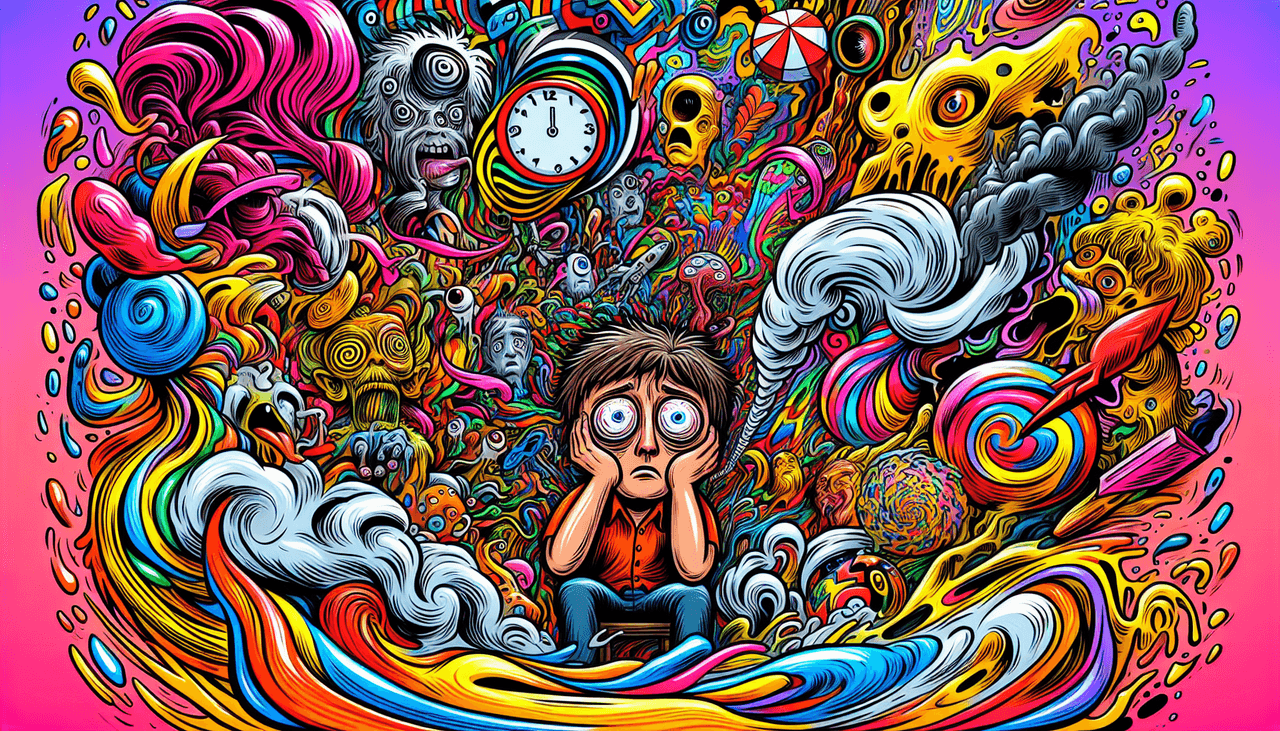
Safety concerns and adverse effects are important considerations for anyone thinking about using LSD. Most adverse reactions to LSD are psychological, including symptoms like anxiety and paranoia. These adverse experiences often stem from inadequate ‘set and setting,’ leading to heightened negative feelings.
Panic attacks, uncharacteristic outbursts, and suicidal thoughts can be heightened during LSD use, posing significant risks to users. Adverse psychological effects from LSD overdose can lead to increased risk of injury or self-harm. Emergency medical treatment incidents related to LSD use are relatively rare, with a 1% incidence rate among users. However, younger users and those with pre-existing mental health issues are at higher risk for seeking emergency treatment after LSD use.
Mixing LSD with substances like cannabis and alcohol can exacerbate negative effects and lead to emergencies. Awareness of these safety concerns and adverse effects is essential for making informed decisions about LSD use and safeguarding personal and public health.
Summary
In conclusion, while LSD is not physically addictive, its potential for psychological dependence and the profound effects it can have on perception and mood make it a substance that requires careful consideration. Recognizing the signs of misuse, understanding the risks of tolerance and dependence, and being aware of long-term effects like HPPD are essential for anyone thinking about using LSD.
For those struggling with LSD misuse, various treatment options are available, including cognitive-behavioral therapy, motivational interviewing, and support groups. By seeking help and support, individuals can navigate the challenges of LSD addiction and work towards a healthier, more stable future.

Seeking Treatment? We Can Help
At Sun County Wellness, as an in-network provider we work with most insurance plans, such as:
If you or a loved one are struggling with mental health challenges or substance abuse, reach out to Sun County Wellness today. Our team of compassionate professionals is here to support your journey towards lasting well-being. Give us a call at 949-993-1149