
Clinically Reviewed By Brittany Astrom - LMFT
Brittany has 15 years of experience in the Mental Health and Substance Abuse field. Brittany has been licensed for almost 8 years and has worked in various settings throughout her career, including inpatient psychiatric treatment, outpatient, residential treatment center, PHP and IOP settings.
Ketamine Xylazine: Comprehensive Guide to Ketamine Therapy and Xylazine Risks for Women’s Mental Health and Addiction Treatment
Ketamine and xylazine represent two contrasting forces in women’s mental health and addiction recovery: ketamine offers a rapid-acting antidepressant pathway, while xylazine contaminates illicit supplies with serious health hazards. In this guide, you’ll discover how ketamine therapy delivers relief for depression, PTSD, anxiety, and postpartum mood disorders, why it’s especially effective for women, and how Sun County Wellness administers personalized sessions. You’ll then learn what xylazine is, why it’s increasingly found in fentanyl-tainted street drugs, and how to spot, prevent, and treat its effects. Finally, we’ll cover trauma-informed care, co-occurring disorders, holistic aftercare, insurance verification, admissions steps, and ways Sun County Wellness leads in women-centered healing.
What Is Ketamine Therapy and How Does It Benefit Women’s Mental Health?
Ketamine therapy combines controlled doses of a dissociative anesthetic with psychological support to recalibrate neural circuits responsible for mood regulation. By modulating glutamate signaling and promoting synaptogenesis, ketamine delivers rapid symptom relief, often within hours—an advantage when traditional antidepressants fail. Beyond its biological action, ketamine opens a window for trauma processing and enhances resilience, forming the foundation for comprehensive women’s mental health care.
What Is Ketamine and How Does It Work as an Antidepressant?
Ketamine is a dissociative anesthetic that blocks N-methyl-D-aspartate (NMDA) receptors, increasing glutamate release and activating AMPA receptors to stimulate synaptogenesis. This mechanism rapidly reverses synaptic deficits associated with depression. Clinically, controlled infusions under medical supervision allow targeted modulation of brain networks, shortening the latency of mood elevation compared to oral antidepressants.
Why Is Ketamine Therapy Especially Effective for Women?
Factor
Mechanism
Benefit
Hormonal Modulation
NMDA receptor sensitivity influenced by estrogen levels
Stabilizes mood across menstrual and perimenopausal cycles
Neuroplasticity Boost
Increased synaptogenesis via glutamate surge
Rapid symptom relief, improving day-to-day functioning
Trauma-Informed Approach
Dissociative window supports safe trauma processing
Reduces PTSD reactivity and fosters emotional integration
These combined actions make ketamine a uniquely potent option for women facing complex, intersecting mental health challenges.
Which Mental Health Conditions in Women Can Ketamine Treat?
- Major Depressive Disorder – including treatment-resistant forms
- Post-Traumatic Stress Disorder – easing hyperarousal and intrusive memories
- Generalized Anxiety Disorder – reducing chronic worry and tension
- Postpartum Depression – providing fast relief when maternal bonding and function are at risk
Each application leverages ketamine’s rapid circuit-resetting properties to support women’s psychological well-being.
Ketamine Injection After Childbirth Reduces Postpartum Depression Risk
“A study published in The BMJ found that a single low dose of esketamine administered immediately after childbirth significantly reduced the risk of major depressive episodes by approximately 75% in new mothers with prenatal depressive symptoms. This effect was observed at 42 days postpartum.”
“This research directly supports the article’s assertion that ketamine therapy can provide fast relief for postpartum depression in women.”
How Is Ketamine Therapy Administered at Sun County Wellness?
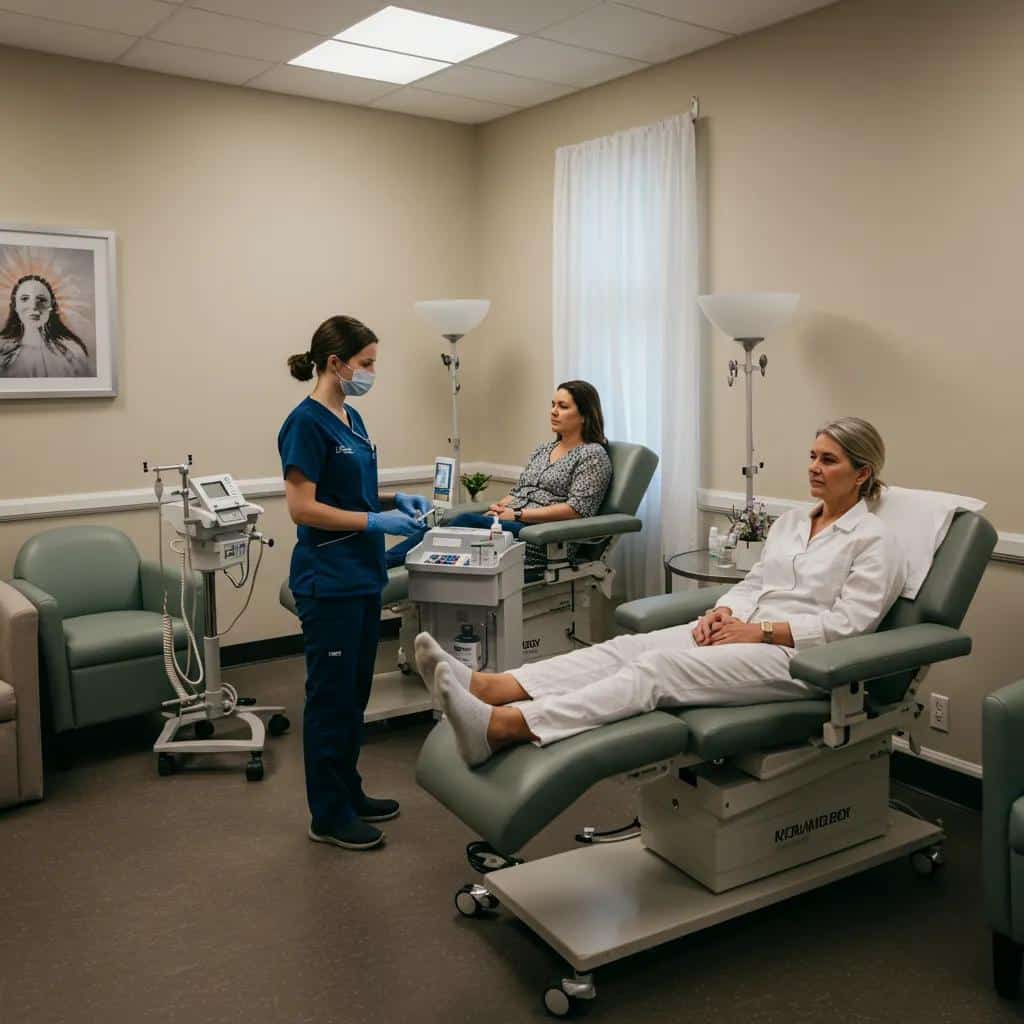
Sun County Wellness offers a structured, women-centered ketamine program delivered in a serene clinical environment. The process includes:
- 1Comprehensive Intake – medical history, hormone profile, mental health assessment
- 2Personalized Treatment Plan – tailored dosage, session frequency, integration therapy
- 3Supervised Infusions – IV or intramuscular administration under nursing care
- 4Integration Sessions – psychotherapy to consolidate insights and coping strategies
This holistic protocol ensures safety, maximizes therapeutic benefit, and empowers women to participate actively in their healing journey with Sun County Wellness.
What Are the Benefits and Potential Risks of Ketamine Therapy for Women?
Benefit
Mechanism
Risk
Rapid Mood Elevation
Blocks NMDA, increases glutamate signaling
Temporary dissociation or perceptual changes
Enhanced Neuroplasticity
Stimulates synaptogenesis
Mild, short-term blood pressure elevations
Trauma Integration Support
Creates dissociative window for safe processing
Rare risk of urinary discomfort with frequent use
These trade-offs are managed through medical oversight, precise dosing, and integration therapy to minimize side effects and reinforce long-term gains.
How Does Ketamine Therapy Address Treatment-Resistant Depression and PTSD in Women?
Ketamine therapy bypasses traditional monoamine pathways by directly modulating glutamatergic transmission, offering women relief when SSRIs and other antidepressants fall short. This approach leverages neuroplasticity to rebuild resilient mood circuits. With faster action and profound synaptic effects, ketamine reshapes the biological landscape of treatment-resistant depression and trauma.
What Makes Ketamine Effective for Treatment-Resistant Depression in Women?
Ketamine’s rapid NMDA blockade and AMPA activation restore synaptic connectivity in areas like the prefrontal cortex and hippocampus. In women with treatment-resistant depression, this translates into significant symptom reduction within 24–72 hours, contrasted with weeks for conventional drugs. Controlled studies demonstrate remission rates up to 70% after initial infusion series, highlighting ketamine’s transformative potential.
Ketamine effective for treatment-resistant depression
“A randomized controlled trial involving 184 participants with treatment-resistant depression demonstrated a 10-fold treatment advantage for subcutaneous ketamine compared to a placebo. The study reported a 20% remission rate for the ketamine treatment group, versus only 2% for the placebo group.”
“This study provides evidence for ketamine’s efficacy in treating treatment-resistant depression, a key benefit highlighted in the article for women.”
How Does Ketamine Help Women with PTSD and Trauma?
By inducing a regulated dissociative state, ketamine temporarily detaches women from overwhelming trauma memories, allowing trauma-informed psychotherapy to integrate emotional insights safely. This synergistic model reduces fear circuitry hyperactivity and strengthens adaptive coping, leading to lasting decreases in flashbacks, hypervigilance, and avoidance behaviors.
Can Ketamine Therapy Improve Anxiety and Bipolar Disorder in Women?
Yes, ketamine’s anxiolytic effects emerge through GABAergic modulation and stress-response recalibration, providing relief for generalized anxiety. Emerging evidence also supports ketamine’s mood-stabilizing properties in depressive phases of bipolar disorder, although careful monitoring is essential to avoid mania induction.
What Are Women’s Experiences and Success Stories with Ketamine Therapy?
Women often report profound shifts in mood, renewed motivation, and deeper self-compassion within days of treatment. One patient described regaining the energy to resume work and family activities after years of debilitating depression. Such narratives illustrate ketamine’s real-world impact when combined with ongoing therapeutic support at Sun County Wellness.
What Is Xylazine and Why Is It a Growing Risk in Women’s Addiction Recovery?
Xylazine is a veterinary tranquilizer that has infiltrated illicit opioid supplies, especially fentanyl, producing a potent sedative mix called “tranq dope.” Its alpha-2 adrenergic agonism depresses the central nervous system more deeply than opioids alone, creating unpredictable overdose risks. As women in recovery encounter contaminated supplies, understanding xylazine’s nature and effects becomes essential for harm reduction and treatment planning.
What Is Xylazine and How Is It Used Illicitly as a Drug Adulterant?
Originally designed for animal sedation, xylazine appears in street drugs to enhance euphoria and prolong opioid effects. Dealers may add it to fentanyl or heroin, creating a sedative cocktail that complicates overdose response because naloxone does not reverse xylazine’s action.
Why Is Xylazine Commonly Found Mixed with Fentanyl in Street Drugs?
- Boost Sedation – deepens the “high” duration
- Mask Cost – stretches limited fentanyl supplies
- Evade Detection – delays symptom onset, complicating testing
These factors drive xylazine’s prevalence, especially in regions with high fentanyl distribution.
What Are the Specific Health Risks of Xylazine for Women?
Women exposed to xylazine face acute and chronic dangers:
- Severe Skin Ulcers at injection sites
- Respiratory Depression leading to high overdose fatality
- Cardiovascular Instability with hypotension and bradycardia
- Intense Withdrawal Symptoms including agitation and insomnia
These risks demand vigilant screening and tailored medical management in recovery settings.
Xylazine-Induced Skin Ulcers and Fentanyl Adulteration
“Research and case reports indicate that xylazine, frequently mixed with fentanyl in illicit drug supplies, causes severe health risks including painful, necrotic skin ulcers, often at sites distant from injection. Its vasoconstricting effects contribute to impaired wound healing and increased infection risk, and it can lead to respiratory depression.”
“This citation verifies the article’s claims regarding xylazine’s severe health hazards, its common adulteration of fentanyl, and the resulting skin ulcers and respiratory depression.”
How Can Women Recognize Symptoms of Xylazine Exposure and Withdrawal?
Key warning signs include:
- 1Profound Sedation not reversed by naloxone
- 2Skin Lesions with slow-healing, necrotic ulcers
- 3Extended Respiratory Suppression lasting beyond typical opioid durations
- 4Severe Rebound Agitation and sleep disruption during withdrawal
Early recognition enables prompt medical intervention and safer care transitions.
How Can Women Protect Themselves from Xylazine Contamination and Seek Effective Treatment?
A combined harm-reduction and treatment strategy reduces xylazine-related harm among women in recovery. Education on contaminated supplies, access to medical assessments, and specialized addiction programs form the cornerstone of protection and healing.
What Harm Reduction Strategies Are Recommended for Women Facing Xylazine Risks?
Women can enhance safety by:
- Using Drug-Checking Services to detect xylazine presence
- Carrying and training with Naloxone Kits, while recognizing its limits
- Accessing Supervised Consumption Sites where medical staff monitor responses
- Seeking Wound Care Clinics for early treatment of injection-related ulcers
- Engaging in Peer Support Networks focused on contamination awareness
These steps empower women to reduce injury and overdose risk.
What Treatment Options Does Sun County Wellness Offer for Xylazine Addiction?
Sun County Wellness provides a women-exclusive program combining:
- Medical Detoxification with symptom-targeted medications
- Trauma-Informed Counseling to address underlying drivers
- Holistic Therapies such as yoga and mindfulness for physical and emotional restoration
- Aftercare Planning for long-term relapse prevention
This integrated model addresses xylazine’s unique challenges within a supportive, female-focused environment.
How Can Family Support and Education Aid Women in Recovery from Xylazine Exposure?

Family involvement strengthens recovery by:
- Learning Signs of Xylazine Use to encourage timely intervention
- Participating in Educational Workshops on harm reduction and wound care
- Supporting Aftercare Appointments and home safety planning
- Providing Emotional Encouragement to reduce isolation and shame
Engaged loved ones reinforce accountability and reinforce healing.
Where Can Women Find Additional Resources on Xylazine and Addiction?
Women seeking more information can consult authoritative bodies such as the National Institute on Drug Abuse and the Centers for Disease Control and Prevention for up-to-date data on xylazine trends, treatment guidelines, and harm-reduction best practices.
What Are the Unique Challenges and Holistic Approaches in Women’s Mental Health and Addiction Treatment?
Women’s pathways through mental health and substance use disorders are shaped by hormonal cycles, gender-based trauma, and societal pressures. Holistic care that integrates mind, body, and community support addresses these intersecting factors to foster lasting recovery.
How Does Trauma-Informed Care Improve Outcomes for Women in Treatment?
Trauma-informed care recognizes that past abuse or violence can trigger relapse and exacerbate depression or anxiety. By establishing safety, choice, collaboration, and empowerment, this approach reduces retraumatization, enhances trust, and strengthens therapeutic alliances—leading to higher retention and better psychosocial outcomes.
What Are Co-Occurring Disorders and How Are They Treated in Women?
Co-occurring disorders involve simultaneous mental health and substance use conditions—common in women with histories of trauma or chronic stress. Integrated treatment blends psychiatric medication management (including ketamine where indicated) with counseling and peer support, addressing both disorders in a unified care plan.
What Aftercare and Relapse Prevention Strategies Support Long-Term Wellness?
Effective aftercare for women includes:
- Ongoing Therapeutic Check-Ins to monitor mood and cravings
- Participation in Women-Only Support Groups for shared experiences
- Engagement in Mind–Body Practices such as meditation and gentle movement
- Use of Digital Tools for mood tracking and emergency outreach
These strategies promote resilience and reduce relapse risk over time.
How Does Sun County Wellness Create a Women-Exclusive Healing Environment?
Sun County Wellness structures every aspect of care around women’s needs—female clinicians, private group therapy, personalized wellness activities, and nutrition plans—ensuring a safe, non-judgmental space where women can explore healing free from gendered stigmas.
What Should Women Know About Insurance and Admission for Ketamine and Addiction Treatment?
Navigating insurance and admissions can feel overwhelming; clear guidance streamlines access to ketamine therapy and addiction services. Understanding coverage options, verification steps, and enrollment processes equips women to take confident action toward recovery.
How Can Women Verify Insurance Coverage for Ketamine Therapy?
Women can confirm benefits by:
- Contacting their provider’s Behavioral Health or Outpatient Infusion department
- Requesting a Pre-Authorization for ketamine infusions
- Reviewing Out-of-Pocket costs against in-network rates
- Utilizing dedicated Insurance Verification services at Sun County Wellness
Early verification prevents surprises and accelerates treatment initiation.
What Is the Admission Process for Ketamine and Addiction Treatment at Sun County Wellness?
- 1Initial Consultation to discuss history, goals, and financial options
- 2Medical and Psychological Screening to tailor care plans
- 3Insurance or Payment Arrangement for therapy and program fees
- 4Scheduling of Intake Sessions and orientation in a women-only setting
This streamlined process helps women embark on recovery with clarity and support.
What Questions Do Women Commonly Ask About Ketamine Therapy and Xylazine Risks?
Women frequently seek clarity on:
- The safety profile and side effects of ketamine
- How long relief lasts and the number of sessions needed
- The difference between ketamine infusions and traditional antidepressants
- Signs of xylazine contamination and overdose prevention
- Cost coverage under various insurance plans
Understanding these concerns guides informed decision-making and confidence in treatment.
How Is Sun County Wellness Leading Women’s Mental Health and Addiction Care with Ketamine and Xylazine Awareness?
Sun County Wellness combines specialized ketamine protocols with a vigilant response to the xylazine crisis, positioning itself at the forefront of women’s integrated mental health and addiction care.
What Makes Sun County Wellness a Leader in Women’s Ketamine Therapy?
By integrating ketamine infusions with trauma-informed psychotherapy, hormone-aware assessments, and holistic wellness services, Sun County Wellness delivers a comprehensive model that few providers offer—ensuring superior outcomes for women facing complex mood disorders.
How Does Sun County Wellness Address Emerging Xylazine Threats in Addiction Treatment?
Our team stays current with toxicology trends, incorporates xylazine screening into intake protocols, provides specialized wound-care referrals, and educates patients and families on harm-reduction measures—creating a proactive, evidence-based response to this evolving threat.
How Can Women Contact Sun County Wellness for Support and Treatment?
To explore ketamine therapy, addiction treatment, insurance verification, or admissions assistance, reach out to Sun County Wellness – Mental Health and Addiction Treatment for Women at https://suncountywellness.com/ or call our compassionate intake specialists today.
Recovery and resilience are within reach when innovative therapies like ketamine are paired with vigilant harm reduction against dangers such as xylazine. By choosing a women-focused center that blends cutting-edge science, trauma-informed care, and holistic support, you empower your journey toward lasting mental wellness and sustained sobriety. Take the next step with Sun County Wellness and embrace a brighter tomorrow.
Frequently Asked Questions
What should women know about the long-term effects of ketamine therapy?
Long-term effects of ketamine therapy are still being studied, but many women report sustained mood improvements and reduced symptoms of depression and anxiety. Regular follow-ups and assessments are crucial to monitor any potential side effects, such as urinary issues or cognitive changes. It’s essential for women to maintain open communication with their healthcare providers to ensure that the benefits of therapy continue to outweigh any risks, and to adjust treatment plans as necessary for optimal mental health outcomes.
How does xylazine affect women differently than men?
Research indicates that women may experience heightened sensitivity to the effects of xylazine compared to men, potentially due to hormonal differences and body composition. Women are at risk for more severe side effects, such as respiratory depression and skin ulcers, particularly when using contaminated substances. Additionally, the psychological impact of addiction and trauma may manifest differently in women, necessitating tailored treatment approaches that consider these unique challenges in recovery.
What role does family support play in recovery from xylazine exposure?
Family support is vital in recovery from xylazine exposure, as it can provide emotional stability and accountability. Engaged family members can help identify signs of use, encourage participation in treatment, and assist with aftercare planning. Educational workshops for families can enhance understanding of xylazine’s effects and the recovery process, fostering a supportive environment that reduces feelings of isolation and shame, ultimately improving treatment outcomes for women.
Are there specific lifestyle changes that can enhance the effectiveness of ketamine therapy?
Yes, certain lifestyle changes can complement ketamine therapy and enhance its effectiveness. Regular physical activity, a balanced diet, and adequate sleep can improve overall mental health and resilience. Mindfulness practices, such as meditation or yoga, can also help manage stress and anxiety. Engaging in supportive social networks and therapy can further reinforce the benefits of ketamine treatment, creating a holistic approach to mental wellness that addresses both physical and emotional needs.
What are the signs of xylazine contamination in street drugs?
Signs of xylazine contamination in street drugs include unexpected sedation that is not reversed by naloxone, slow-healing skin lesions, and prolonged respiratory suppression. Users may also experience severe agitation during withdrawal, which can be more intense than typical opioid withdrawal. Awareness of these symptoms is crucial for individuals in recovery, as early recognition can lead to timely medical intervention and safer transitions in care.
How can women access support groups focused on addiction recovery?
Women can access support groups for addiction recovery through local community centers, hospitals, or specialized treatment facilities like Sun County Wellness. Online platforms also offer virtual support groups, making it easier to connect with others facing similar challenges. Many organizations provide resources and directories to help women find groups that focus on their specific needs, including those addressing trauma, mental health, and substance use disorders.
What should women consider when choosing a treatment center for ketamine therapy?
When selecting a treatment center for ketamine therapy, women should consider factors such as the center’s specialization in women’s mental health, the qualifications of the clinical staff, and the availability of integrated services like psychotherapy and holistic therapies. It’s also important to assess the center’s approach to safety, including medical oversight during treatments and support for managing potential side effects. Reading reviews and seeking recommendations can also help in making an informed decision.

Seeking Treatment? We Can Help
At Sun County Wellness, as an in-network provider we work with most insurance plans, such as:
If you or a loved one are struggling with mental health challenges or substance abuse, reach out to Sun County Wellness today. Our team of compassionate professionals is here to support your journey towards lasting well-being. Give us a call at 949-993-1149
Visit SAMHSA or contact us today for more inforamtion.