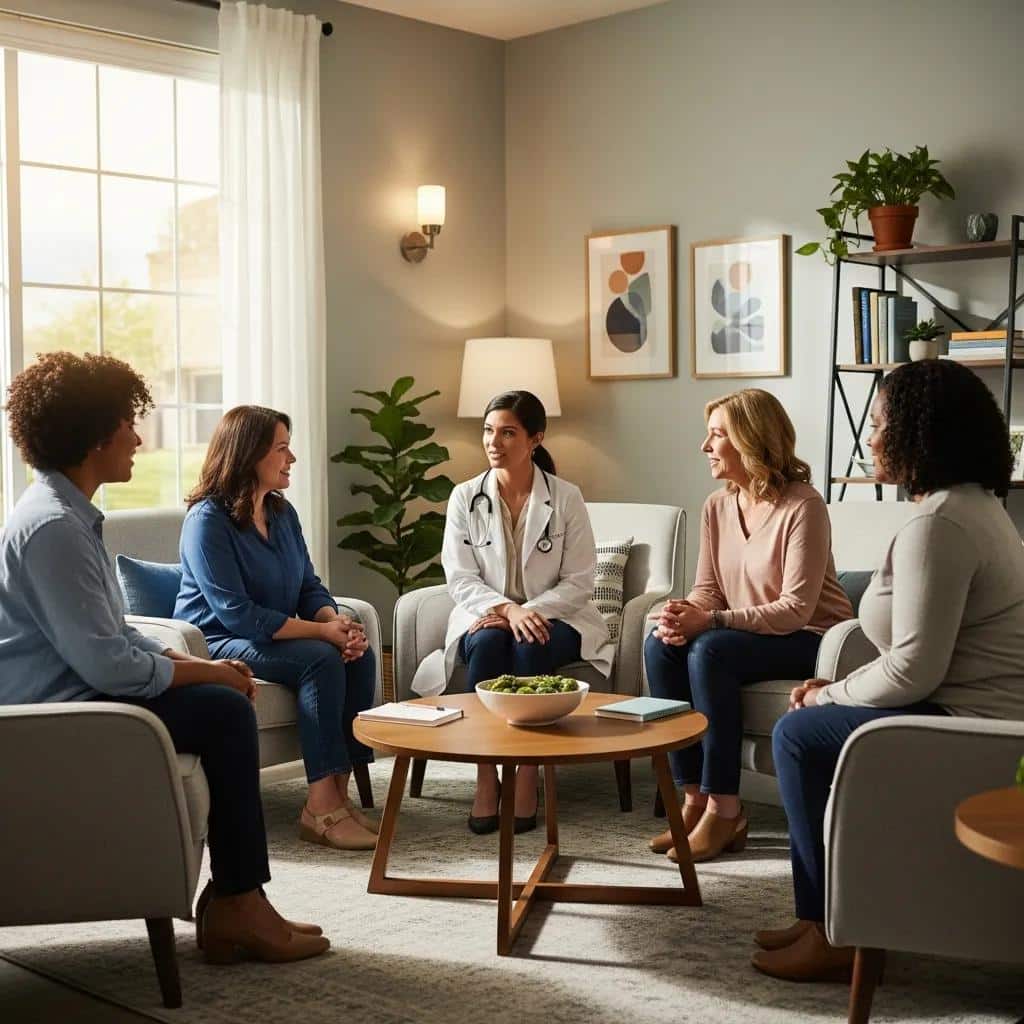
Medical Gaslighting and Women: Why Your Symptoms Are Finally Heard at Sun County Wellness
Medical gaslighting affects many women when providers dismiss or downplay symptoms, causing emotional distress and delayed care. At Sun County Wellness we validate women’s experiences and ensure concerns are heard. This article outlines what medical gaslighting looks like, its impact, warning signs, why women are vulnerable, and the supportive programs and strategies we offer.
What Is Medical Gaslighting and How Does It Affect Women?
Medical gaslighting is dismissing a patient’s symptoms until they doubt their own experience. Common responses—saying symptoms are “all in your head” or you’re overreacting—can delay diagnosis and worsen mental and physical health. Recognising this pattern is the first step toward getting appropriate care.
“Understanding Medical Gaslighting in Women’s Healthcare”
>
“This systematic review examined women’s experiences of medical gaslighting. It defines medical gaslighting as dismissive, invalidating, and biased interactions with the healthcare system that lead to frustration, self-doubt, and isolation. Women report significantly negative experiences when seeking diagnosis or treatment, which the review describes as medical gaslighting.”
>
“Psychological impact of medical gaslighting on women: a systematic review, K Khan, 2024”
Recognizing Medical Gaslighting Signs in Female Patients

Spotting gaslighting helps women reclaim their health stories. Common indicators include:
- 1Dismissive Attitudes: Symptoms are trivialized or framed as exaggeration.
- 2Frequent Misdiagnoses: Repeated incorrect or incomplete diagnoses that miss the root cause.
- 3Lack of Empathy: A clinical, unsympathetic tone or dismissal of concerns.
Recognising these signs can prompt women to seek validation and second opinions.
Why Are Women More Vulnerable to Healthcare Dismissal?
Systemic gaps and bias play a role: women’s health has been under-researched, and training can lead to underestimating pain or attributing symptoms to mental health without adequate assessment. Those patterns reduce care quality and increase frustration and distrust.
How Does Sun County Wellness Validate Women’s Health Concerns?
At Sun County Wellness we centre care on the patient, using respectful, transparent practices so women feel heard. This includes:
- Active Listening: Open, nonjudgmental conversations that prioritise the patient’s account.
- Comprehensive Assessments: Evaluations that address both physical and mental health together.
- Empowerment Through Education: Clear resources to help patients understand conditions and self-advocate.
We build trust and respect so women can reclaim their health narratives.
Women-Specific Treatment Programs at SCW: Features and Benefits
Sun County Wellness offers programs tailored to women’s needs. These include:
- 1Mental Health Support: Therapies for trauma, anxiety, and depression.
- 2Substance Abuse Treatment: Integrated care recognising mental health overlaps.
- 3Co-occurring Disorders Care: Coordinated plans addressing both mental health and substance use.
These programs provide practical tools and supportive care for recovery.
Program Type
Key Features
Benefits
Mental Health Support
Individual and group therapy
Improved emotional well-being
Substance Abuse Treatment
Evidence-based interventions
Enhanced recovery outcomes
Co-occurring Disorders Care
Comprehensive treatment plans
Holistic approach to health
Together, these programs give women the comprehensive care they need to thrive.
Trauma-Informed Care Approaches That Empower Women
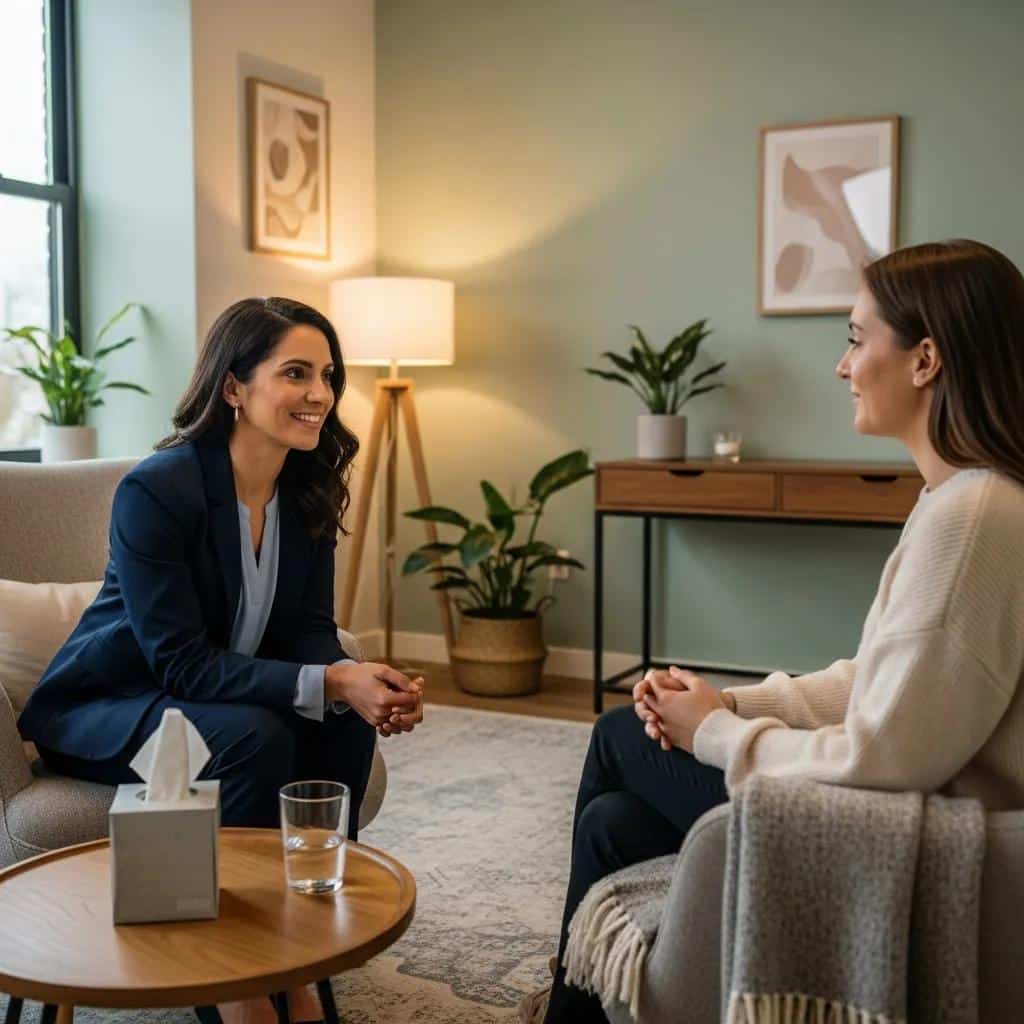
Trauma-informed care is central to our practice at Sun County Wellness. We recognise how trauma affects health and emphasise safety, trust, and empowerment. Key elements include:
- Creating a Safe Environment: Respectful, confidential interactions.
- Understanding Trauma’s Impact: Staff trained to recognise trauma-related patterns.
- Empowering Patients: Involving patients in treatment decisions to restore agency.
This framework supports healing with dignity and respect.
What Strategies Help Women Overcome Medical Gaslighting?
Effective strategies include:
- 1Self-Advocacy: Speak up, ask questions, and seek second opinions when needed.
- 2Building a Support Network: Friends, family, or support groups can validate your experience.
- 3Documenting Symptoms: Keep dates, severity, triggers, and notes from visits to present a clear record.
These steps strengthen your ability to get timely, appropriate care.
Mental Health Advocacy for Women: Tools and Resources
Advocacy reduces barriers in care. Useful resources include:
- Advocacy Organizations: Groups focused on women’s health can provide guidance and referrals.
- Online Resources: Reputable websites and forums offer information and peer support.
- Community Support Groups: Local groups provide shared experience and practical advice.
These tools help women navigate the system and advocate effectively.
How SCW Supports Healing from Healthcare Dismissal
Sun County Wellness supports healing through targeted services, including:
- Therapeutic Interventions: Therapies addressing the emotional impact of dismissal.
- Patient Testimonials: Stories of recovery to build hope and validation.
- Holistic Healing Approaches: Integrated physical, emotional, and spiritual care.
Our care helps women move forward with confidence.
How Can You Access Support for Medical Gaslighting at SCW?
Getting support at Sun County Wellness is straightforward. You can start by:
- Contacting Us: Reach out to discuss needs and schedule a consultation.
- Understanding the Admission Process: We explain steps and timelines for starting care.
- Preparing for Your First Visit: We share what to expect so you feel informed and supported.
We guide you through a smooth, timely intake process.
Admission Process for Women’s Treatment Programs in Orange County
Our admission process is accessible and supportive. Key steps include:
- 1Initial Consultation: Discuss concerns and goals with our team.
- 2Comprehensive Assessment: A full evaluation to recommend the best plan.
- 3Enrollment in Programs: Placement in the program that fits your needs.
This structure ensures personalised care from the outset.
Patient Testimonials: Real Stories of Symptom Validation and Recovery
At Sun County Wellness, patient experiences matter. Women report:
- “I finally felt heard.” Relief at being taken seriously and receiving care.
- “The support changed my life.” Transformative effects of trauma-informed support.
- “I regained my confidence.” Greater ability to advocate for personal health after treatment.
These stories show how validation and support aid recovery and inspire others to seek care.
Frequently Asked Questions
What are the long-term effects of medical gaslighting on women's health?
Gaslighting can lead to delayed diagnoses, chronic health issues, anxiety, depression, and reduced trust in providers. Recovery benefits from validating, trauma-informed care.
How can women find supportive healthcare providers?
Ask trusted contacts for referrals, read reviews and testimonials, and interview potential providers about experience with women’s health and patient-centred care. Choose someone who listens and collaborates.
What role does education play in overcoming medical gaslighting?
Education helps you describe symptoms clearly, understand rights, and advocate during visits. Workshops, courses, and support groups increase confidence to challenge dismissive responses.
Are there specific advocacy organizations focused on women's health?
Yes. Numerous organisations offer resources, support, and policy advocacy to improve women’s healthcare. Connecting with them provides information and practical backing.
How can women document their symptoms effectively?
Use a health journal or app to record dates, symptoms, severity, triggers, and notes from visits. A clear record helps providers see patterns and supports stronger advocacy.
What are the benefits of trauma-informed care for women?
Trauma-informed care emphasises safety, trust, and empowerment, improving engagement in treatment and mental health outcomes while creating a more positive care experience.