

Clinically Reviewed By Brittany Astrom - LMFT
Brittany has 15 years of experience in the Mental Health and Substance Abuse field. Brittany has been licensed for almost 8 years and has worked in various settings throughout her career, including inpatient psychiatric treatment, outpatient, residential treatment center, PHP and IOP settings.
Mental Breakdown at Work: Understanding, Managing, and Recovering from Workplace Mental Health Crises for Women

One in five women experiences a mental breakdown at work, a crisis characterized by overwhelming emotional distress and physical exhaustion that prevents day-to-day functioning and signals the need for professional support. This article defines what constitutes a workplace mental breakdown for women, examines common triggers—from work-life balance challenges to trauma and addiction factors—outlines when and how to seek help, compares leading treatment options including Partial Hospitalization Programs (PHP) and Intensive Outpatient Programs (IOP), and guides recovery and return-to-work strategies. We’ll also detail insurance verification and admissions at Sun County Wellness and explore how families can offer support, equipping you with authoritative insights and clear action steps to regain resilience.
What Is a Mental Breakdown at Work? Defining the Crisis for Women
A mental breakdown at work is a sudden collapse of coping abilities triggered by chronic occupational stress that manifests as cognitive impairment, emotional dysregulation, and physical fatigue. In this state, severe anxiety or depressive symptoms overwhelm daily tasks and interpersonal relationships, prompting recognition of an acute mental health crisis. Understanding this breakdown lays the foundation for identifying its unique features and tailoring effective interventions.
How Is a Mental Breakdown Different from Burnout and Panic Attacks?
A mental breakdown differs from burnout and panic attacks by its intensity, duration, and functional impact.
Condition
Definition
Key Feature
Typical Duration
Mental Breakdown
Acute collapse in coping due to overwhelming stress and emotional overload
Inability to perform routine tasks
Days to weeks
Burnout
Chronic exhaustion from prolonged workplace stress
Cynicism and reduced professional efficacy
Months to years
Sudden onset of intense fear with physical symptoms
Short-lived surge of panic and adrenaline
Minutes to hours
Each condition shares stress as a root cause, but a mental breakdown combines persistent functional impairment with emotional collapse rather than isolated panic or gradual disengagement. Recognizing these distinctions informs targeted treatment.
What Are the Common Signs and Symptoms of a Mental Breakdown at Work?
The primary indicators of a workplace mental breakdown include overwhelming exhaustion, cognitive fog, and intense emotional distress. Key symptoms often co-occur:
- Severe fatigue that persists despite rest
- Difficulty concentrating on basic tasks
- Insomnia or hypersomnia disrupting daily routines
- Frequent panic attacks or heightened anxiety
- Mood swings, irritability, or tearfulness
- Social withdrawal, isolation, or avoidance
- Physical complaints such as headaches or gastrointestinal upset
These symptoms frequently escalate without intervention and signal the need for professional care at completion of basic coping strategies.
Why Are Women Especially Vulnerable to Mental Breakdowns at Work?
Women face unique biological, social, and cultural pressures that amplify workplace stress and elevate breakdown risk. Hormonal fluctuations can intensify anxiety and mood disorders, while caregiving responsibilities often clash with career demands. Microaggressions, gender bias, and pay inequity contribute to chronic emotional strain. Recognizing these gender-specific factors ensures that women receive personalized support and treatment approaches.
Workplace Mental Health and Women
Research indicates that women experience higher rates of mental health issues in the workplace due to a combination of biological, social, and cultural factors. These factors include hormonal fluctuations, caregiving responsibilities, and gender-based discrimination, which can significantly increase stress levels and the risk of mental health crises.
This research provides a framework for understanding the various factors that contribute to mental health challenges in women, which is essential for developing targeted interventions and support systems.
What Workplace Stressors Trigger Mental Breakdowns in Women?
Women encounter a constellation of workplace triggers—from role overload to systemic inequities—that can tip chronic stress into a mental breakdown.
How Does Work-Life Balance Impact Women’s Mental Health?
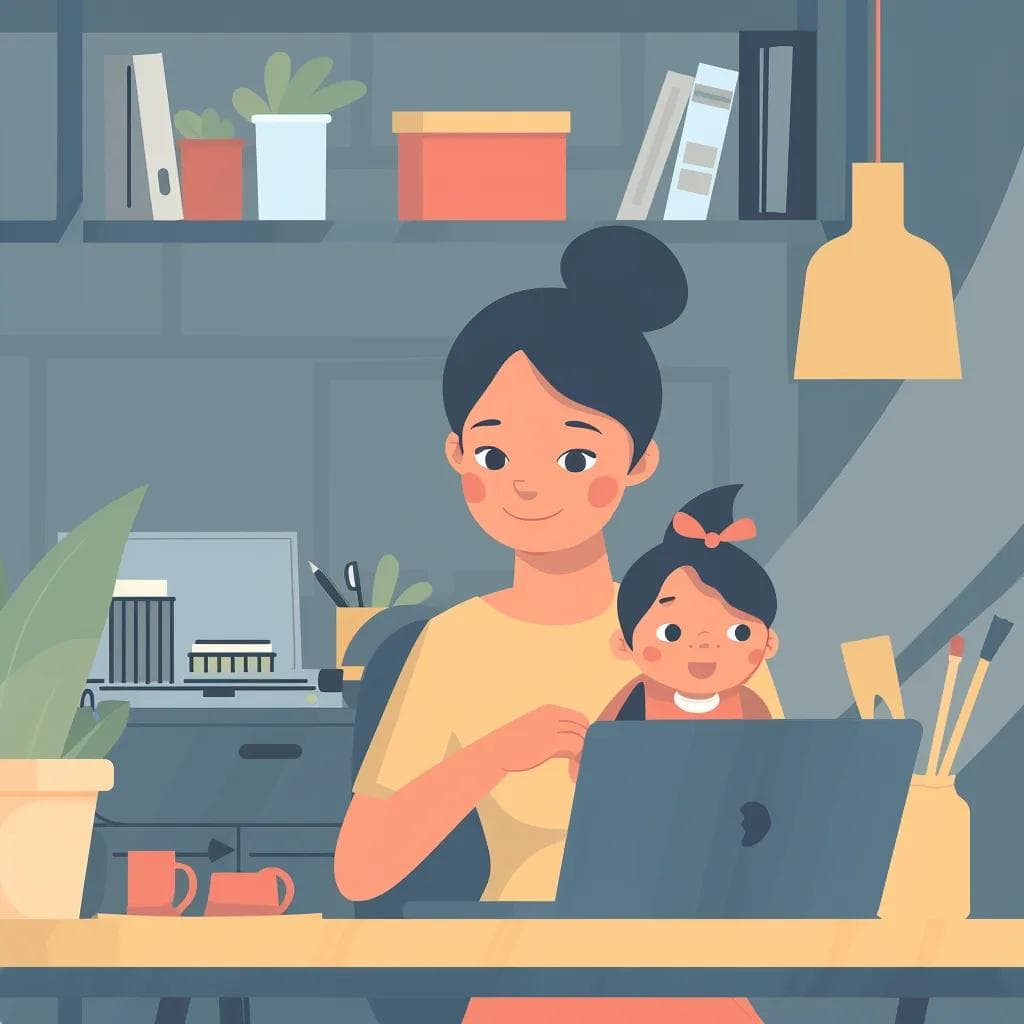
Imbalanced work-life integration generates role conflict that drains emotional resources and elevates cortisol levels. When job demands encroach on family or self-care time, women report increased anxiety and depressive symptoms. Prioritizing boundaries and self-advocacy reduces this risk and supports sustainable well-being.
Impact of Work-Life Imbalance
Imbalanced work-life integration can lead to increased anxiety and depressive symptoms in women. When job demands encroach on family or self-care time, the resulting role conflict drains emotional resources and elevates cortisol levels, which can significantly impact mental health.
This research supports the article’s emphasis on the importance of establishing boundaries and self-advocacy to mitigate the negative effects of work-life imbalance on women’s mental well-being.
What Role Do Trauma and Addiction Play in Workplace Mental Health Crises?
Unresolved trauma can heighten vulnerability to stress by sensitizing the nervous system, while co-occurring substance use as a maladaptive coping mechanism worsens anxiety and depression. Trauma-informed care and dual-diagnosis treatment address both underlying post-traumatic stress and addiction patterns to restore emotional equilibrium.
How Do Societal and Caregiving Pressures Contribute to Workplace Stress?
Societal expectations to excel at work, home, and community roles create a “superwoman” pressure that compounds stress. Caregiving for children or aging relatives often leads women to neglect self-care and professional boundaries, triggering exhaustion and emotional overload that can precipitate a breakdown.
When and How Should Women Seek Help for a Mental Breakdown at Work?
Recognizing early warning signs and activating support networks prevents further decline and initiates recovery.
What Are the Early Warning Signs That Indicate Professional Help Is Needed?
Key red flags include:
- Persistent despair or mood swings that impair relationships
- Uncontrollable anxiety or panic attacks disrupting work performance
- Physical symptoms such as chronic headaches or gastrointestinal issues without clear medical cause
- Withdrawal from colleagues and loved ones
- Thoughts of self-harm or hopelessness
Early intervention reduces severity and accelerates healing.
How Can Families Support Women Experiencing a Mental Breakdown?

Families can provide empathic listening, help maintain treatment schedules, and encourage self-care routines such as mindfulness exercises or gentle physical activity. Emotional validation fosters trust and motivates ongoing recovery engagement.
What Are the Steps to Access Mental Health Treatment Programs?
Women can access care through these steps:
- Contact Sun County Wellness to discuss concerns and determine program fit
- Verify insurance benefits online or via phone for coverage of PHP and IOP
- Complete intake assessment with clinical team
- Collaborate on a personalized treatment plan
Clear guidance at each step empowers women to take decisive action toward recovery.
What Treatment Options Are Available for Women Experiencing Mental Breakdown at Work?
Sun County Wellness offers evidence-based outpatient programs designed to support women through recovery while maintaining daily responsibilities.
How Do Partial Hospitalization Programs (PHP) Support Recovery?
Partial Hospitalization Programs deliver structured day treatment that combines individual therapy, group counseling, and holistic modalities such as yoga to address acute symptoms.
Program
Level of Care
Frequency
Benefit
PHP
Day Treatment
5 days/week
Intensive support with flexible home evenings
PHP provides therapeutic depth without full inpatient commitment and promotes stabilization before returning to regular routines.
What Is the Role of Intensive Outpatient Programs (IOP) in Workplace Stress Recovery?
Intensive Outpatient Programs offer targeted therapy sessions in mornings, afternoons, or evenings, allowing women to balance work or family duties while receiving comprehensive care.
Program
Session Options
Duration
Mechanism
IOP
Morning/Afternoon/Evening
3-5 days/week
Combines CBT, DBT, mindfulness to build coping skills
IOP enhances resilience by teaching stress-management techniques in a supportive community setting.
Which Therapies Are Effective for Work-Related Anxiety and Depression?
Treatment Options for Mental Health
Cognitive Behavioral Therapy (CBT) and Dialectical Behavior Therapy (DBT) are effective therapeutic approaches for managing work-related anxiety and depression. CBT helps restructure negative thought patterns, while DBT teaches emotional regulation and distress tolerance skills, both of which are crucial for recovery.
This research highlights the importance of evidence-based treatments in the recovery process, which aligns with the article’s discussion of treatment options offered by Sun County Wellness.
Key psychological treatments include:
- 1Cognitive Behavioral Therapy (CBT) – Restructures negative thought patterns to improve mood and functioning
- 2Dialectical Behavior Therapy (DBT) – Teaches emotional regulation and distress tolerance skills
- 3Eye Movement Desensitization and Reprocessing (EMDR) – Processes traumatic memories to alleviate anxiety and depression
These therapies, often delivered in group formats, foster sustainable coping strategies and reduce relapse risk.
How Does Sun County Wellness Tailor Treatment Specifically for Women?
Sun County Wellness integrates women-focused care by addressing hormonal influences, caregiving roles, and interpersonal dynamics in therapy and support groups. A nurturing environment and peer community reinforce empowerment and foster lasting recovery.
How Can Women Recover and Return to Work After a Mental Breakdown?
Recovery encompasses rebuilding resilience, redefining boundaries, and reintegrating into the workplace with confidence.
What Are Effective Strategies for Building Resilience and Preventing Future Breakdowns?
Women can strengthen mental wellness by:
- Establishing clear work-life boundaries and scheduling regular self-care
- Practicing mindfulness or meditation to regulate stress responses
- Engaging in peer support or mentoring for accountability
- Incorporating gentle exercise to balance mood and energy
These habits promote ongoing emotional balance and reduce vulnerability to chronic stress.
How Should Women Approach Returning to Work After Mental Health Leave?
A gradual phased return, with adjusted hours and defined responsibilities, fosters confidence and prevents overwhelm. Open communication with supervisors about accommodations and check-ins supports sustained performance and well-being.
What Aftercare and Alumni Support Does Sun County Wellness Provide?
Sun County Wellness’s alumni program offers ongoing peer groups, monthly check-ins, and community events that reinforce learned coping skills and maintain a supportive network beyond formal treatment.
What Are the Insurance and Admission Processes for Mental Health Treatment at Sun County Wellness?
Navigating logistics smoothly ensures timely access to care and minimizes administrative stress.
How Can Women Verify Insurance Coverage for Mental Health and Addiction Treatment?
Women can verify benefits by submitting an online insurance inquiry form or calling Sun County Wellness admissions team to confirm coverage for PHP, IOP, and co-occurring treatment services.
Step
Action
Outcome
1
Submit insurance information online
Receive coverage summary and co-pay info
2
Discuss details with admissions specialist
Clarify coverage and program eligibility
Completing verification before intake accelerates admission and reduces financial uncertainty.
What Is the Admission Process for PHP and IOP Programs?
Admission follows a clear sequence:
- 1Initial phone consultation to assess needs
- 2Insurance verification to confirm benefits
- 3Clinical intake evaluation with psychiatric and therapeutic team
- 4Tailored treatment plan and schedule orientation
A structured admission pathway ensures women feel informed and supported from day one.
How Can Families Help Support Women Facing Mental Breakdown at Work?
Family involvement strengthens motivation and recovery outcomes through education and collaboration.
What Are the Signs Families Should Watch For?
Families should observe persistent mood changes, social withdrawal, sleep disturbances, and expressions of hopelessness. Early recognition of these signs enables timely encouragement toward professional help.
How Does Family Therapy Aid in Women’s Mental Health Recovery?
Family therapy improves communication patterns, resolves conflicts, and builds a shared understanding of stressors. Collaborative sessions enhance the home environment and reinforce healthy coping strategies.
How Can Loved Ones Encourage Treatment and Recovery?
Loved ones can offer practical support—assisting with scheduling appointments, providing transportation, and sharing positive affirmations. Consistent encouragement affirms trust and demonstrates a united front in recovery efforts.
Recovery from a mental breakdown at work is achievable through timely intervention, evidence-based treatment, and a strong support network. Women who recognize early warning signs and leverage specialized programs at Sun County Wellness gain the skills to manage stress, rebuild resilience, and thrive in their careers and personal lives. Families play a crucial role by providing empathy, advocacy, and active participation in therapeutic processes, ensuring long-term well-being and sustained recovery.
Frequently Asked Questions
What are some effective coping strategies for managing workplace stress?
Effective coping strategies for managing workplace stress include practicing mindfulness techniques, such as meditation and deep-breathing exercises, which can help regulate emotions and reduce anxiety. Establishing clear boundaries between work and personal life is crucial, as is prioritizing self-care activities like regular exercise and hobbies. Additionally, seeking social support from colleagues or friends can provide emotional relief and foster a sense of community, making it easier to navigate stressful situations.
How can women identify when they are approaching a mental breakdown?
Women can identify when they are approaching a mental breakdown by recognizing early warning signs such as persistent feelings of overwhelm, increased irritability, and difficulty concentrating. Physical symptoms like chronic fatigue, headaches, or gastrointestinal issues may also indicate rising stress levels. Monitoring changes in sleep patterns and social withdrawal can provide further insights. Being attuned to these signs allows for timely intervention and the opportunity to seek help before reaching a crisis point.
What role does therapy play in recovery from a mental breakdown?
Therapy plays a crucial role in recovery from a mental breakdown by providing a safe space to explore emotions, identify triggers, and develop coping strategies. Therapeutic approaches, such as Cognitive Behavioral Therapy (CBT) and Dialectical Behavior Therapy (DBT), help individuals restructure negative thought patterns and improve emotional regulation. Regular sessions with a mental health professional can facilitate healing, enhance resilience, and empower women to manage stress effectively in their personal and professional lives.
How can women balance caregiving responsibilities with their mental health needs?
Balancing caregiving responsibilities with mental health needs requires setting clear boundaries and prioritizing self-care. Women should schedule regular time for themselves, engage in activities that promote relaxation, and seek support from family or friends. Communicating openly with loved ones about their needs can foster understanding and collaboration. Additionally, utilizing community resources or support groups can alleviate some caregiving burdens, allowing women to focus on their mental well-being while fulfilling their roles.
What are the signs that a workplace is not supportive of mental health?
Signs that a workplace is not supportive of mental health include a lack of open communication about mental health issues, absence of mental health resources, and a culture that stigmatizes mental health discussions. High employee turnover, excessive workloads, and unrealistic performance expectations can also indicate an unsupportive environment. If employees feel pressured to hide their struggles or fear repercussions for seeking help, it reflects a workplace that does not prioritize mental well-being.
How can women create a supportive network at work?
Women can create a supportive network at work by fostering relationships with colleagues through open communication and shared experiences. Joining or forming employee resource groups focused on mental health can provide a platform for discussion and support. Regularly checking in with coworkers and offering assistance can strengthen bonds and create a culture of empathy. Additionally, advocating for mental health initiatives within the workplace can help establish a more supportive environment for everyone.

Seeking Treatment? We Can Help
At Sun County Wellness, as an in-network provider we work with most insurance plans, such as:
If you or a loved one are struggling with mental health challenges or substance abuse, reach out to Sun County Wellness today. Our team of compassionate professionals is here to support your journey towards lasting well-being. Give us a call at 949-993-1149
Visit SAMHSA or contact us today for more inforamtion.