
Clinically Reviewed By Brittany Astrom - LMFT
Brittany has 15 years of experience in the Mental Health and Substance Abuse field. Brittany has been licensed for almost 8 years and has worked in various settings throughout her career, including inpatient psychiatric treatment, outpatient, residential treatment center, PHP and IOP settings.
Mental vs Emotional Abuse: Understanding the Differences and Impact
Defining Mental and Emotional Abuse
Abuse occurs in many forms, affecting a person’s mental, emotional, and physical well-being. Understanding the types of abuse can help individuals recognize harmful behavior and seek support. Mental abuse and emotional abuse are closely related but have key differences in how they affect victims.
Mental abuse, also called psychological abuse, manipulates a person’s sense of reality through gaslighting, psychological violence, and coercive control. Psychological abusers use tactics to make the victim question their memory, perception, and sanity. This form of abuse can lead to long-term consequences, such as post-traumatic stress disorder (PTSD), depressive disorders, and other mental health issues.
Emotional abuse focuses on controlling and undermining a victim’s emotional health and emotional development. Emotional abusers use verbal aggression, humiliation, emotional blackmail, and emotional mistreatment to inflict emotional pain and distress. Victims often suffer from low self-esteem, feelings of fear, and difficulty forming future relationships.
Key Differences Between Mental and Emotional Abuse
The primary difference between mental abuse and emotional abuse lies in their tactics and effects. Mental abuse distorts reality, often leading to psychological consequences, such as psychiatric disorders and disruptions for trauma survivors. Emotional abuse, on the other hand, directly attacks a person’s emotional well-being, causing emotional deprivation, insecurity, and chronic pain.
While both types of abuse can exist in romantic relationships, child abuse, family violence, and workplace environments, mental abuse primarily involves psychological aggression, while emotional abuse is rooted in emotional maltreatment and control.
Manifestations of Abuse in Different Contexts
Abusive relationships can develop in various settings, including romantic partners, intimate partners, caregivers, and workplaces.
- Romantic relationships: An abusive situation may include verbal abuse, manipulation, emotional neglect, and psychological maltreatment.
- Child-rearing situations: Child abuse includes emotional neglect, psychological harm, and physical neglect. Forms of childhood maltreatment can cause adverse development consequences and negative long-term consequences for victims.
- Elder care dynamics: Psychological abusers may exert control over elderly individuals through emotional deprivation, threats, and emotional mistreatment.
- Workplace environments: A business partner or employer may engage in harmful behavior such as psychological violence, verbal aggression, and silent treatment.
Common Signs of Mental Abuse
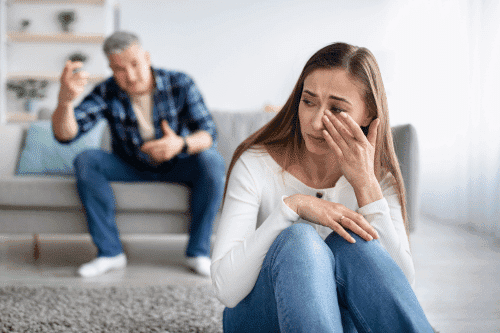
Mental abuse tactics manipulate a victim’s entire sense of self and reality. Common Signs of Abuse include:
- Gaslighting and manipulation: Psychological abusers deny events or distort facts to make victims question their sense of reality.
- Verbal insults and name-calling: This type of abuse includes verbal abuse, ridicule, and wife abuse.
- Silent treatment and withdrawal: Emotional deprivation can lead to feelings of fear, confusion, and mental health impact.
Common Signs of Emotional Abuse
Emotional abuse cycle is a consistent pattern of humiliation, control, and emotional pain. Common Signs of Abuse include:
- Humiliation and shaming: Victims experience psychosocial well-being problems from constant degradation.
- Emotional blackmail and control: Emotional abusers manipulate through guilt, threats, and isolation.
- Dismissiveness of feelings: Emotional maltreatment includes ignoring or minimizing a victim’s emotions.
Psychological and Physical Consequences on Victims
Victims of mental abuse and emotional abuse suffer from psychological well-being problems and physical health issues.
- Depression and anxiety: Many victims show high scores for depression, according to studies in the American Journal of Psychiatry.
- Impaired self-worth and confidence: Abuse erodes self-esteem, causing adverse childhood experiences and long-term consequences.
- Physical health problems: Victims may experience chronic pain, heart palpitations, and even broken bones in cases of physical violence.
Societal Perceptions and Cultural Factors
Domestic violence organizations, such as the U.S. Department of Health and Human Services and Health Canada, recognize family violence as a public health issue. Cultural norms influencing abuse often dictate how forms of abuse can be addressed. In some cultures, heterosexual relationships place control in the hands of male partners, normalizing wife abuse and making it harder for victims to escape.
Coping Strategies for Victims
Victims can take steps to heal and regain control over their mental health outcomes.
- Recognizing and acknowledging abuse: Awareness helps victims understand the type of abuse they are experiencing and seek help.
- Seeking professional help: A mental health professional can provide treatment for pre-existing mental health conditions and mental health disorders caused by abuse.
- Building a support network: A domestic violence advocate, Child Protective Service, or community awareness program can offer resources for victims.
Conclusion: The Path to Healing
Healing is possible for abuse survivors. The first step is acknowledging the traumatic experiences and reaching out for help. Whether through therapy, support groups, or legal resources, victims of mental abuse, emotional abuse, and psychological harm can rebuild their lives. If you or someone you know is experiencing abuse, consider reaching out to a mental health professional, support groups, or using a report abuse online form. Healthy relationships are possible, and no one should have to endure an abusive situation.

Seeking Treatment? We Can Help
At Sun County Wellness, as an in-network provider we work with most insurance plans, such as:
If you or a loved one are struggling with mental health challenges or substance abuse, reach out to Sun County Wellness today. Our team of compassionate professionals is here to support your journey towards lasting well-being. Give us a call at 949-993-1149
Visit SAMHSA or contact us today for more inforamtion.