

Clinically Reviewed By Brittany Astrom - LMFT
Brittany has 15 years of experience in the Mental Health and Substance Abuse field. Brittany has been licensed for almost 8 years and has worked in various settings throughout her career, including inpatient psychiatric treatment, outpatient, residential treatment center, PHP and IOP settings.
Misdiagnosed Mental Illness in Women: What You Need to Know
Introduction
Mental health misdiagnosis is a significant concern in both specialized and non-specialized healthcare settings. Receiving the wrong diagnosis can lead to delays in proper treatment, increased distress, and worsened symptoms. At Sun County Wellness, we emphasize the importance of an accurate diagnosis to ensure women receive the most effective treatment for their specific needs.
Commonly Misdiagnosed Mental Illnesses
ADHD (Attention-Deficit/Hyperactivity Disorder)
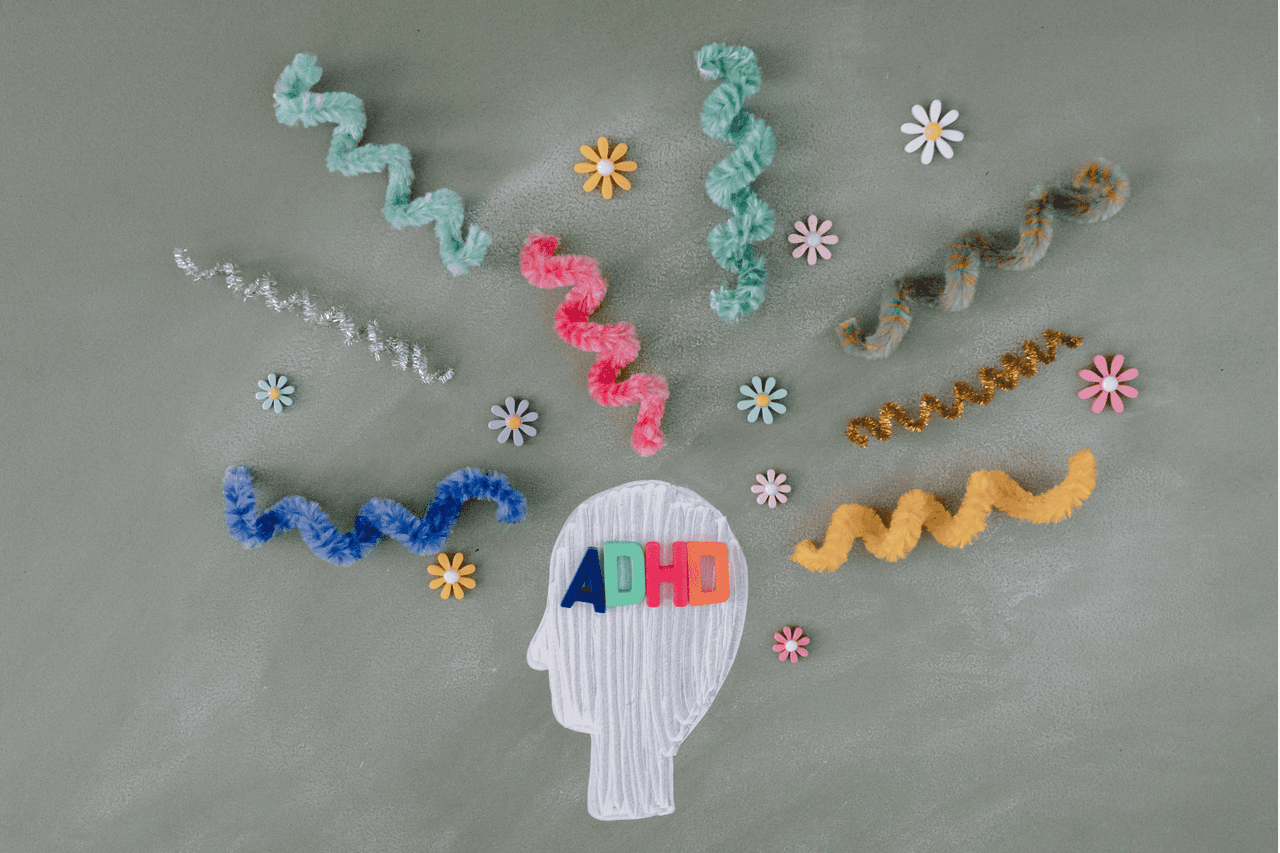
ADHD is often overlooked in women, particularly when symptoms appear as anxiety disorders, depressive symptoms, or mood swings. This mental disorder may be mistaken for depression or a compulsive disorder, leading to an incorrect diagnosis and delay in proper treatment. Medical professionals must conduct a comprehensive assessment, including a full review of medical history and current symptoms.
Bipolar Disorder
Bipolar disorder is frequently misidentified as major depression or borderline personality disorder. The depressive episodes often dominate the clinical picture, while manic symptoms or hypomanic episodes may go unnoticed. This contributes to a high rate of misdiagnosis, particularly in primary care settings. A bipolar disorder misdiagnosis can result in the prescription of antidepressants without mood stabilizers, worsening the condition. Accurate bipolar disorder diagnosis depends on evaluating both depressive and manic episodes through a structured psychiatric assessment.
Borderline Personality Disorder
Borderline personality disorder is commonly mistaken for bipolar depression, post-traumatic stress disorder, or anxiety disorders. Its clinical characteristics—mood instability, impulsivity, and emotional dysregulation—overlap with many other mental health disorders. A thorough psychiatric diagnosis and evaluation by a mental health provider are necessary to distinguish BPD from other disorders with similar symptoms.
Causes of Diagnostic Errors
Incomplete Patient Histories
Diagnostic considerations are often compromised when patient histories are incomplete. Without accurate medical records and mental health diagnosis codes, the initial diagnosis may not reflect the full scope of symptoms. African Americans and homeless people are particularly at risk of misdiagnosis due to disparities in care and gaps in patient records.
Symptom Masking and Overlapping Symptoms
Many mental illnesses share overlapping symptoms. Mood disorders such as bipolar disorder, depressive disorder, and schizoaffective disorders can include psychotic features, depressive phases, and manic symptoms. These overlaps can lead to confusion between disorders like schizophrenia and bipolar disorder, especially in psychiatric settings with limited access to detailed diagnostic tools.
Lack of Culturally Competent Care
Cultural background influences how symptoms of depression, anxiety, and psychotic disorders are expressed. Without cultural awareness, health professionals may misinterpret behavior, contributing to the prevalence of misdiagnosis among diverse populations.
Consequences of Misdiagnosis

Emotional and Psychological Distress
Mental health misdiagnosis causes psychological harm, worsens suicidal ideation, and impacts quality of life. A wrong diagnosis can leave patients feeling misunderstood, isolated, and frustrated with the mental health care system.
Impact of Incorrect Medication
Incorrect diagnoses often lead to inappropriate prescriptions. For instance, treating bipolar disorder as a depressive disorder with antidepressants alone can trigger manic episodes. Similarly, giving antipsychotics to individuals without psychotic symptoms can cause unnecessary side effects and physical pain.
Delay in Effective Treatment
Every incorrect diagnosis delays effective treatment. This not only extends suffering but can worsen symptoms of schizophrenia, borderline personality disorder, or bipolar disorder. It may also increase the Disability-Adjusted Life Years (DALYs) lost due to untreated mental illness.
Importance of Differential Diagnosis
Comprehensive Evaluation Methods
A proper diagnosis begins with a comprehensive assessment that includes psychological testing, structured interviews, and observation. Psychiatric disorders require careful review of baseline characteristics, including sociodemographic characteristics and full symptom history.
Involving Multi-Disciplinary Teams
Collaboration among mental health professionals, primary care physicians, nursing services, and behavioral health experts increases the accuracy of psychiatric diagnoses. Multi-specialty physician group involvement helps ensure all possible diagnoses are considered.
Continuous Reassessment
Ongoing evaluation is essential, particularly in complex cases with co-occurring disorders. Continuous reassessment allows mental health providers to update diagnoses as symptoms evolve and as new information from the patient emerges.
Navigating Potential Misdiagnoses
Being Open with Healthcare Providers
Patients should share all symptoms, medical history, and concerns. Full transparency with a mental health provider supports a more accurate diagnosis and helps rule out disorders with similar detection rates.
Seeking Second Opinions
A second opinion from another health professional provides new insights and may confirm or correct a prior diagnosis. This is especially helpful in cases involving symptoms of schizophrenia, mood symptoms, or compulsive behaviors.
Utilizing Patient Advocates
Patient advocates support clients by ensuring communication with clinicians is clear. They help track documentation, address concerns with the initial diagnosis, and contribute to better outcomes by promoting continuity in care.
Implications for Clinical Practice
Training and Education for Clinicians
Ongoing clinician training is necessary to reduce the risk of misdiagnosis. Understanding the diagnostic differences between bipolar disorder, depressive disorders, autism spectrum disorders, and psychotic disorders improves accuracy in mental health services.
Increasing Awareness of Biases
Clinical practice must include education on implicit biases, especially those affecting the diagnostic process among African Americans, women, and marginalized populations. The contribution of risk factors should always be evaluated objectively.
Implementing Systematic Diagnostic Guidelines
Using standardized criteria from the American Psychiatric Association, mental health providers can improve diagnostic consistency. Structured protocols reduce subjective judgment and improve diagnostic outcomes.
Future Research Directions
Exploring Genetic and Biological Markers
Ongoing research into genetic predispositions and brain structure may help differentiate between mental health disorders. This will support early identification and reduce reliance on subjective assessments.
Technology in Diagnostic Accuracy
Advancements in diagnostic software, mobile tracking tools, and AI-based analysis can improve accuracy and track symptoms over time. These tools enhance detection rates and reduce human error.
Longitudinal Studies and Their Importance
Long-term studies, including cross-sectional studies and random sample evaluations, offer insights into predictors of misdiagnosis, especially for disorders like schizophrenia, bipolar disorder, and depressive disorder. These studies highlight patterns across study participants and help refine diagnostic approaches.
Conclusion: The Path to Accurate Diagnosis
Mental health misdiagnosis is a widespread issue with serious consequences. A proper diagnosis requires complete patient histories, structured assessments, and input from a multi-disciplinary team. At Sun County Wellness, we prioritize accurate, compassionate, and personalized care for every woman. With continued research, clinical training, and patient advocacy, we can improve mental health diagnosis and support long-term recovery.

Seeking Treatment? We Can Help
At Sun County Wellness, as an in-network provider we work with most insurance plans, such as:
If you or a loved one are struggling with mental health challenges or substance abuse, reach out to Sun County Wellness today. Our team of compassionate professionals is here to support your journey towards lasting well-being. Give us a call at 949-993-1149
Visit SAMHSA or contact us today for more inforamtion.