5 Star Rated Facility | 1000+ Lives Changed

Call Now | 949-828-0960

Borderline Personality Disorder in Women
Women's Addiction and Mental Health Treatment Center in San Juan Capistrano, CA
Is this the right fit?
Who our borderline personality disorder treatment is for
Sun County Wellness treats borderline personality disorder in women 18 and older in San Juan Capistrano, in person or virtually. Treatment focuses on skills for handling intense emotions and relationships, alongside individual therapy. After an assessment, most women start in partial hospitalization (PHP) or intensive outpatient (IOP) and step down to outpatient care as symptoms settle.
A good fit if
- Symptoms are getting in the way of work, family, or daily routines, and weekly therapy alone has not been enough.
- Intense emotions, fear of abandonment, or unstable relationships keep leading to crises.
- You also use alcohol or drugs to cope. We treat both at the same time.
Start somewhere else if
- You are in immediate danger or thinking about ending your life. Call 911 or 988 now, before anything else.
- You need 24-hour supervision or a residential setting right now.
- You are under 18, or you are looking for a co-ed program. Our programs are for women 18 and older.
What We Treat
Verify Insurance
Need to find out if we take your insurance? Call Us Today for verification.
Borderline Personality Disorder (BPD) is a personality disorder that affects many women. It influences behavior, mood, and mental health. BPD in women is often connected to childhood trauma, emotional abuse, sexual abuse, and neglect. Women with BPD may experience emotional dysregulation, impulsivity, intense anger, and instability in interpersonal relationships. These patterns can increase the risk of substance abuse, eating disorders, and alcohol misuse.
Women with BPD often deal with feelings of emptiness, anxiety, sadness, and fear of abandonment. These symptoms may lead to suicidal ideation, self-harm, and frequent shifts in mood. BPD is also associated with major depressive disorder, anxiety disorder, dysthymia, and other mental health disorders such as bipolar disorder, antisocial personality disorder, and avoidant personality disorder. Stress, emotional distress, and difficulty with inhibitory control are common.

Understanding Borderline Personality Disorder in Women
Borderline Personality Disorder in Women: Key Traits
- Intense fear of abandonment
- Sudden changes in mood or affect
- Impulsive behavior such as unsafe sex, binge eating, or substance abuse
- Strong emotional reactions, including anger or sadness
- Unstable interpersonal relationships
- Chronic feelings of emptiness
- Paranoia or dissociation under stress
- Self-harm or suicidal ideation
Symptoms of Borderline Personality Disorder in Women
- Ongoing emotional instability and irritability
- Impulsivity with little regard for consequences
- Aggression or anger triggered by minor issues
- Difficulties in coping with stress or rejection
- Extreme mood swings or panic in response to stress
- Lack of emotional control or inhibitory control
- Fear of being alone or abandoned
- Repeated interpersonal conflict
How Is Borderline Personality Disorder in Women Diagnosed?
Structured Clinical Interviews: Mental health providers use tools from the DSM to identify symptoms. Since BPD is sometimes confused with bipolar disorder, antisocial personality disorder, or narcissistic personality disorder, diagnosis in women can be misinterpreted. Signs like emotional dysregulation, impulsivity, and fear of abandonment are key indicators.
Reviewing Medical and Family History: Clinicians review factors such as genetics, childhood trauma, emotional neglect, or domestic violence. A history of sexual abuse, verbal abuse, or parental divorce may increase risk.
Assessing Emotional and Behavioral Patterns: Providers examine behavior and mood changes, suicidal ideation, self-harm, dissociation, paranoia, and interpersonal conflict. Conditions like anxiety, substance abuse, or major depressive disorder often occur with BPD and are considered during diagnosis.
Treatment Options for Borderline Personality Disorder in Women
1. Psychotherapy
Dialectical Behavioral Therapy (DBT): This method helps patients manage emotional dysregulation, suicidal ideation, and impulsive behavior. It teaches coping skills, distress tolerance, and interpersonal relationship strategies.
Cognitive Behavioral Therapy (CBT): CBT targets mood, cognition, and behavior. It helps reduce anxiety, paranoia, and negative affectivity. It also supports inhibitory control and decision-making.
Psychodynamic Therapy: This therapy explores trauma, identity, and unresolved emotional conflict. It can help address issues related to childhood trauma, grief, verbal abuse, and abandonment.
2. Medication
Antidepressants: These can ease symptoms of major depressive disorder and dysthymia.
Mood stabilizers: These may control aggression, irritability, and affective swings.
- Antipsychotics: Sometimes prescribed to reduce paranoia, dissociation, and impulsive episodes.
All medication plans should be reviewed regularly by a licensed physician or psychiatrist.
3. Lifestyle Changes and Support
Daily structure and healthy habits play an important role in managing BPD. Support may include:
- Regular physical activity, balanced eating, and good sleep hygiene
Building a strong social support network of family, friends, or peer groups
Mindfulness, yoga, or meditation to reduce stress and emotional distress
- Education about mental health to increase awareness and reduce social stigma
- Access to services like nursing support, group therapy, and crisis lines like 988
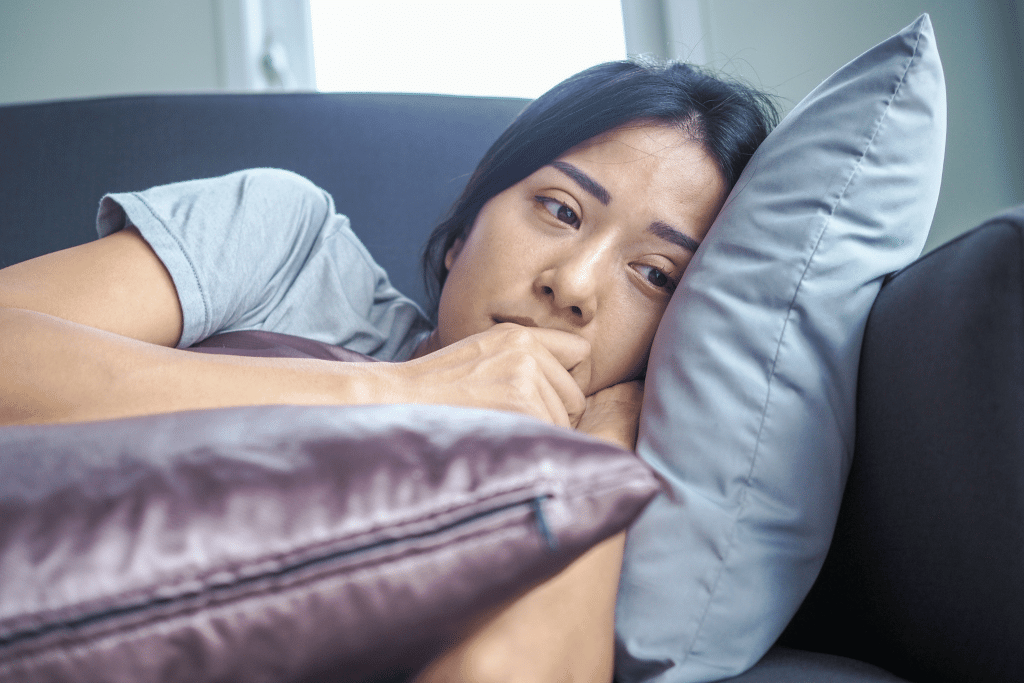
Borderline Personality Disorder in Women
Symptoms of BPD include:
- Persistent emotional instability and impulsivity, leading to reckless behavior such as substance abuse or unsafe sex
- Manipulative behavior driven by fear of rejection or abandonment
- Poor inhibitory control and difficulty regulating anger or distress
- Feelings of emptiness, paranoia, or dissociation
- Limited empathy and difficulty maintaining interpersonal relationships
Managing Borderline Personality Disorder in Women
Rehabilitation can put an end to mental health
Call and ask the facility directly or call your own provider to determine if your insurance covers the treatment.
Risk Factors and Co-Occurring Conditions in Borderline Personality Disorder in Women
- Childhood Trauma: Experiences such as sexual abuse, emotional abuse, neglect, or domestic violence during early development are strongly linked to BPD. These factors can lead to emotional dysregulation, dissociation, and long-term distress.
- Genetic Factors: A family history of mood disorders, anxiety, schizophrenia, antisocial personality disorder, or substance use may raise the likelihood of developing BPD. Research using twin study data also supports a genetic link.
- Environmental Stress: Early exposure to emotional rejection, verbal abuse, parental divorce, or unstable home environments can affect attachment, behavior, and mental state. This often contributes to impulsivity, fear of abandonment, and identity disturbance.
- Substance abuse or alcohol use disorders
- Major depressive disorder or anxiety disorder
- Bipolar disorder
- Post-traumatic stress disorder (PTSD)
- Eating disorders or insomnia

Conclusion
Seeking Treatment?
FAQs About Personality Disorder
1. What causes borderline personality disorder in women?
Borderline personality disorder (BPD) in women is linked to a combination of genetics, early childhood trauma, emotional abuse, sexual abuse, neglect, and environmental stress. A family history of mental disorders such as bipolar disorder, anxiety, or depression may increase risk. Emotional rejection, parental divorce, or exposure to domestic violence during early development also contribute to emotional dysregulation and instability.
2. How is BPD different from antisocial personality disorder or bipolar disorder?
BPD often involves emotional intensity, fear of abandonment, and unstable interpersonal relationships. Antisocial personality disorder includes manipulative behavior, aggression, and lack of empathy. Bipolar disorder is a mood disorder with distinct episodes of mania and depression. Misdiagnosis is common, especially in women, due to symptom overlap involving impulsivity, affective instability, and behavioral shifts.
3. What are effective treatments for borderline personality disorder in women?
Treatment may include dialectical behavior therapy (DBT), cognitive behavioral therapy (CBT), and medication such as antidepressants or mood stabilizers. A mental health professional or psychiatrist may also recommend mindfulness practices, stress management, and group support. Therapy focuses on coping strategies, emotional regulation, and improving interpersonal behavior.
4. Can women with BPD live a stable life with treatment?
Yes. With early diagnosis, therapy, and ongoing mental health care, many women with BPD achieve symptom reduction and improved quality of life. Managing BPD involves building emotional awareness, improving inhibitory control, and reducing impulsive behavior. Consistent support from a clinician, family, or peer group improves long-term prognosis and promotes remission.
Our Women's Treatment Facility
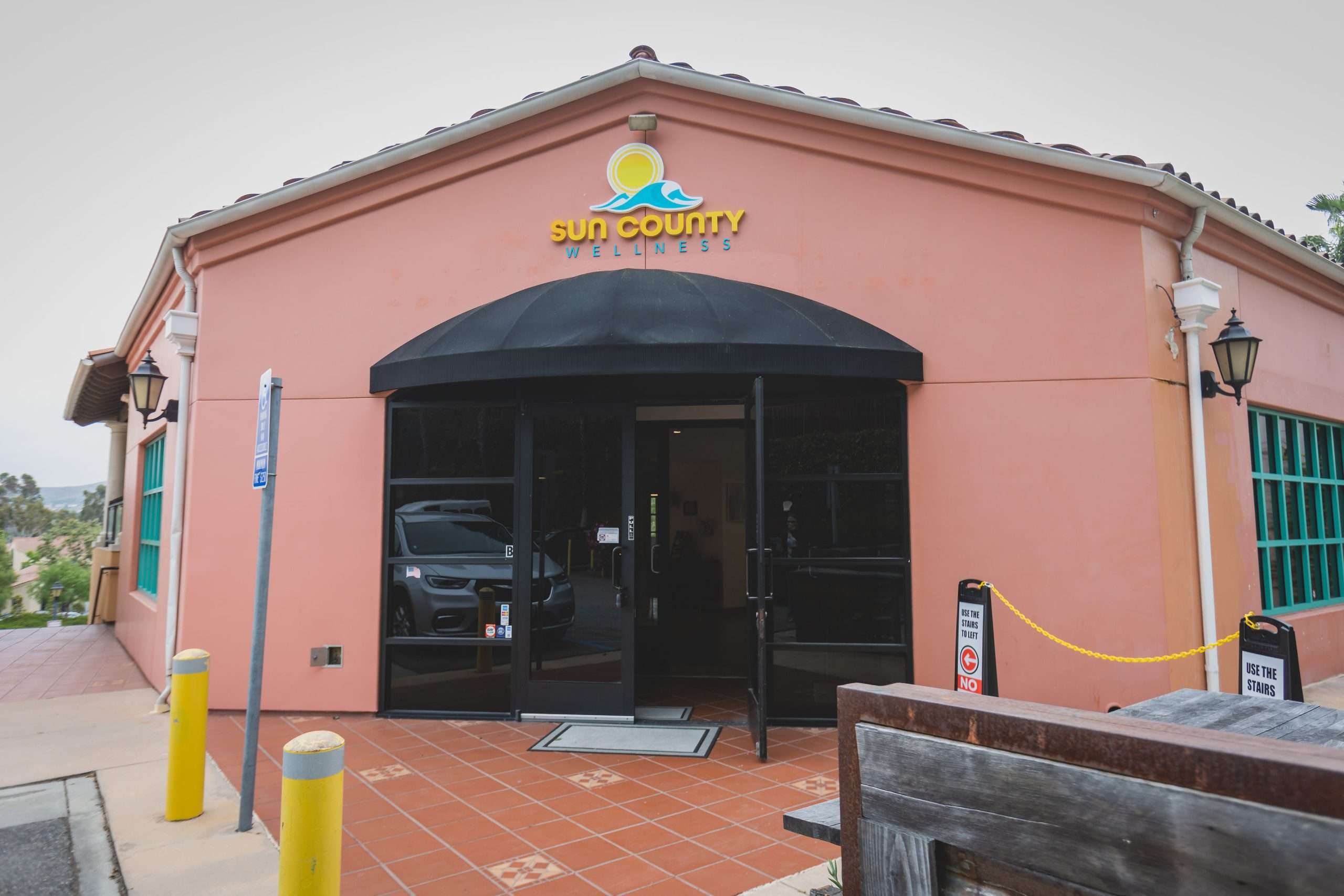
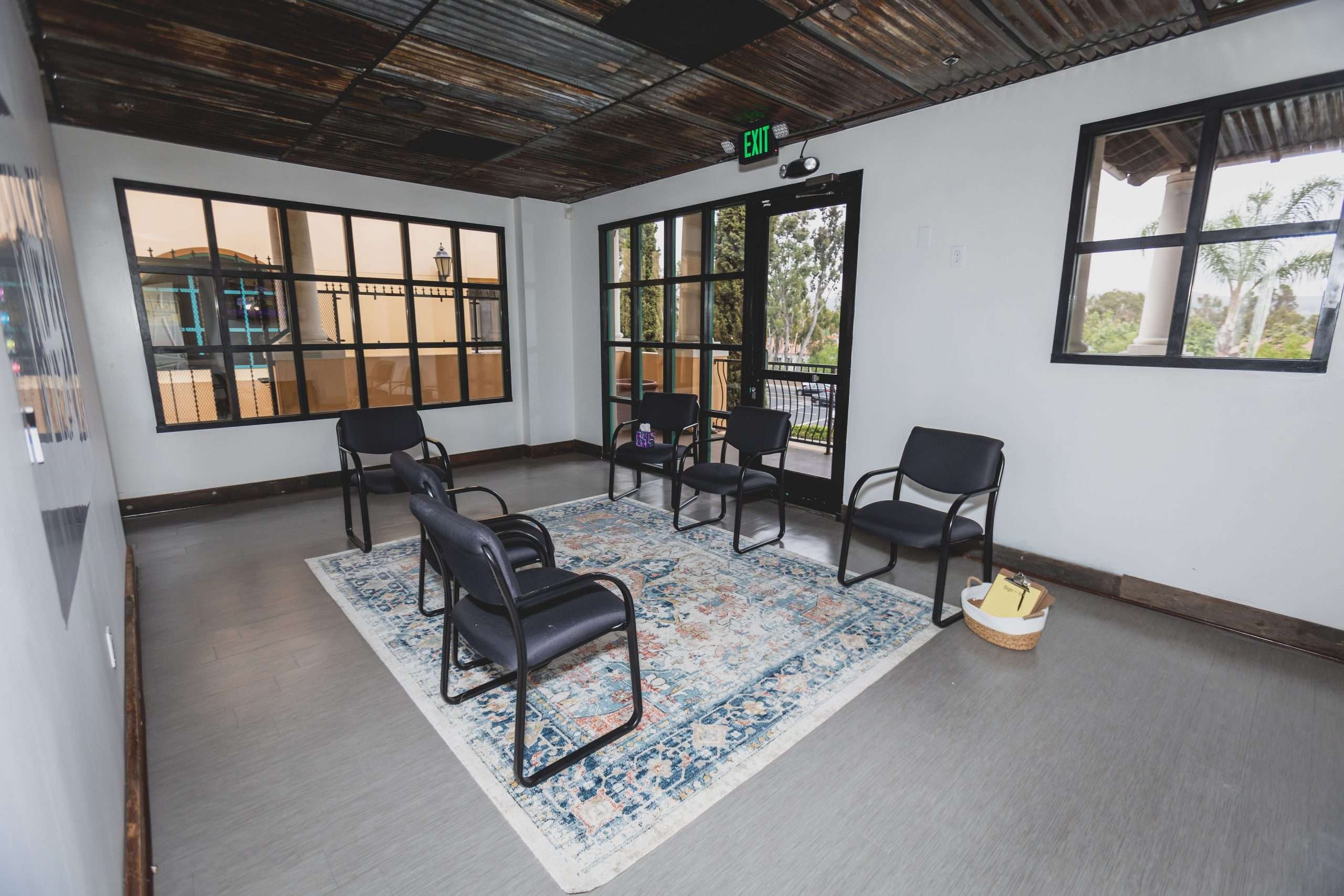


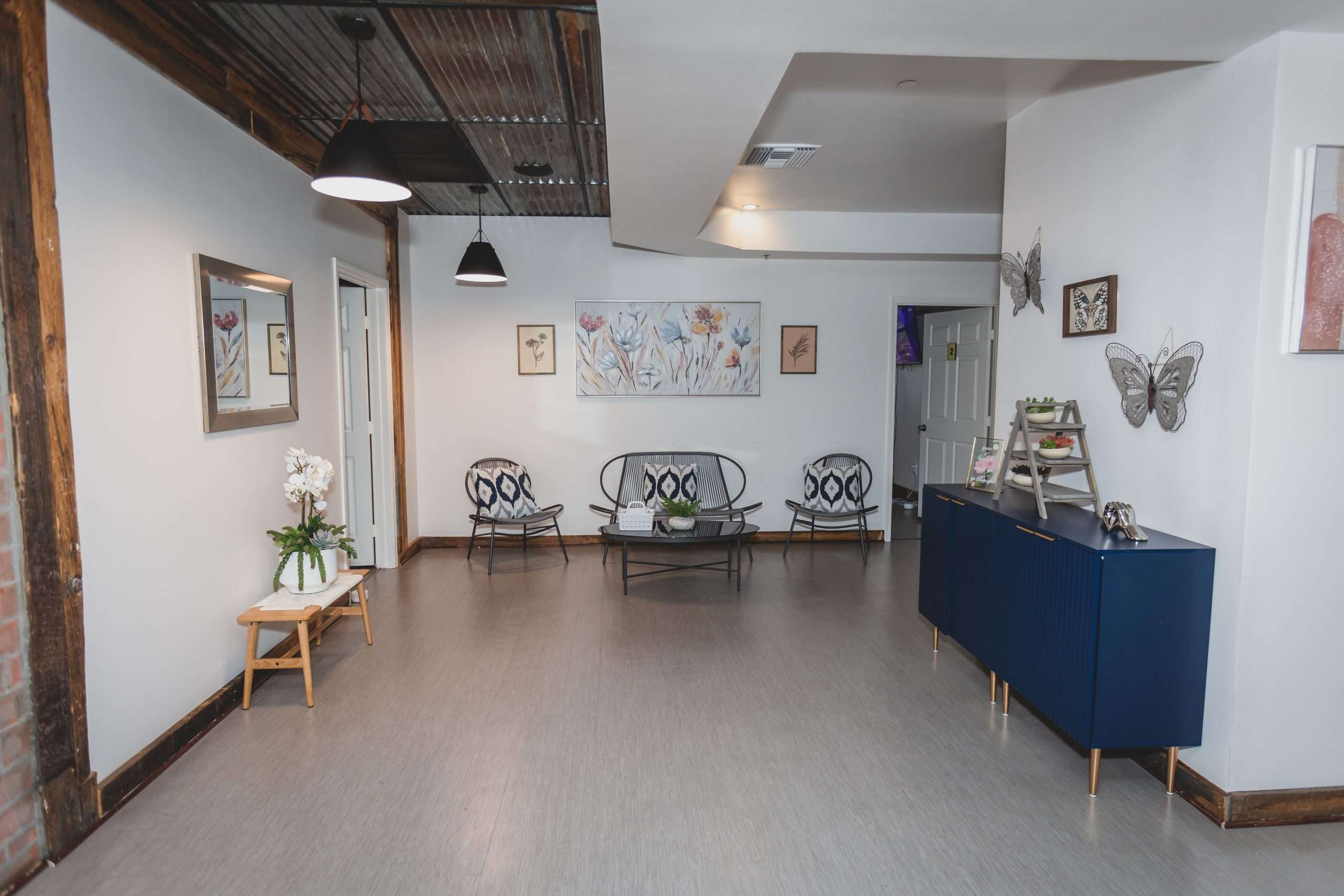
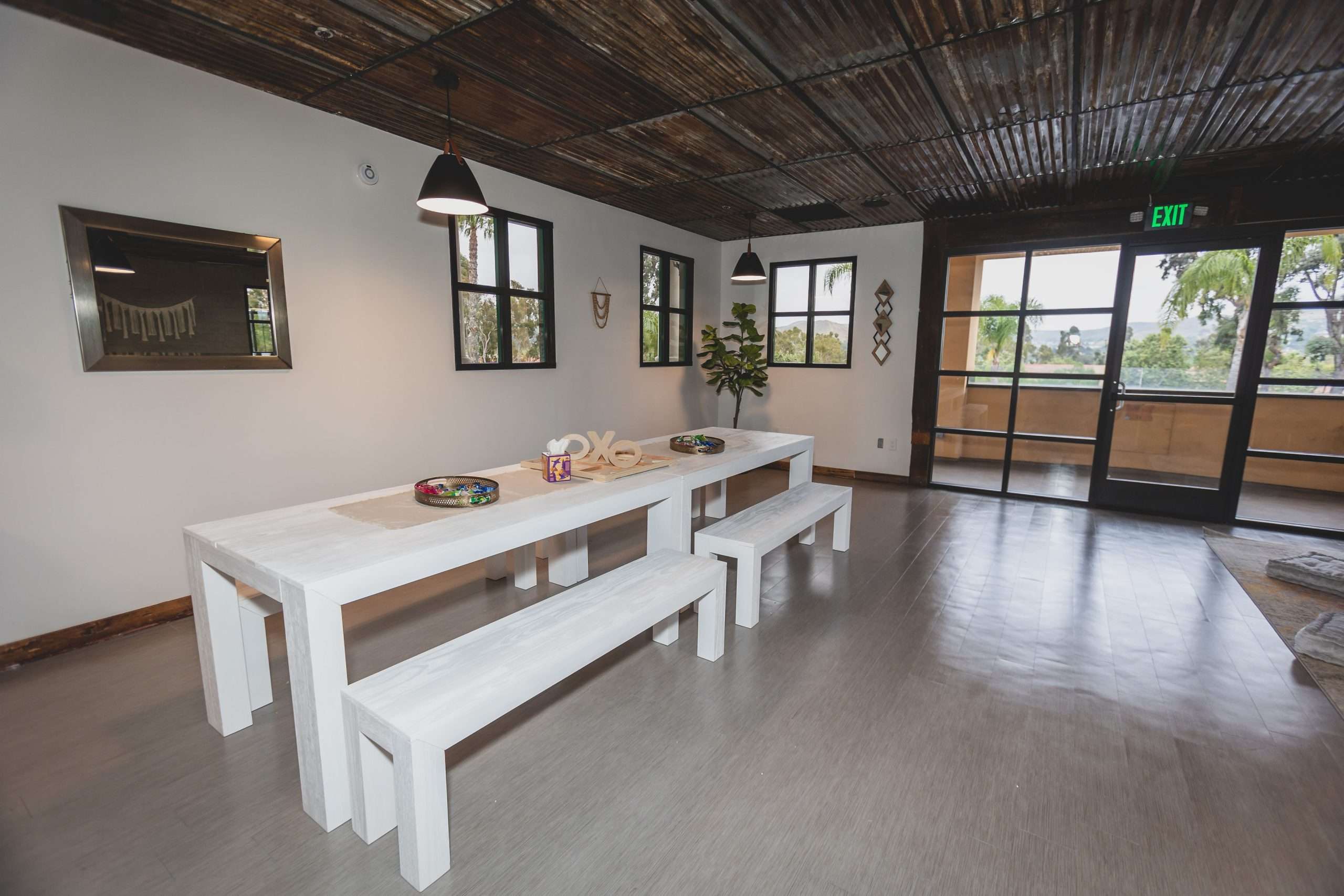
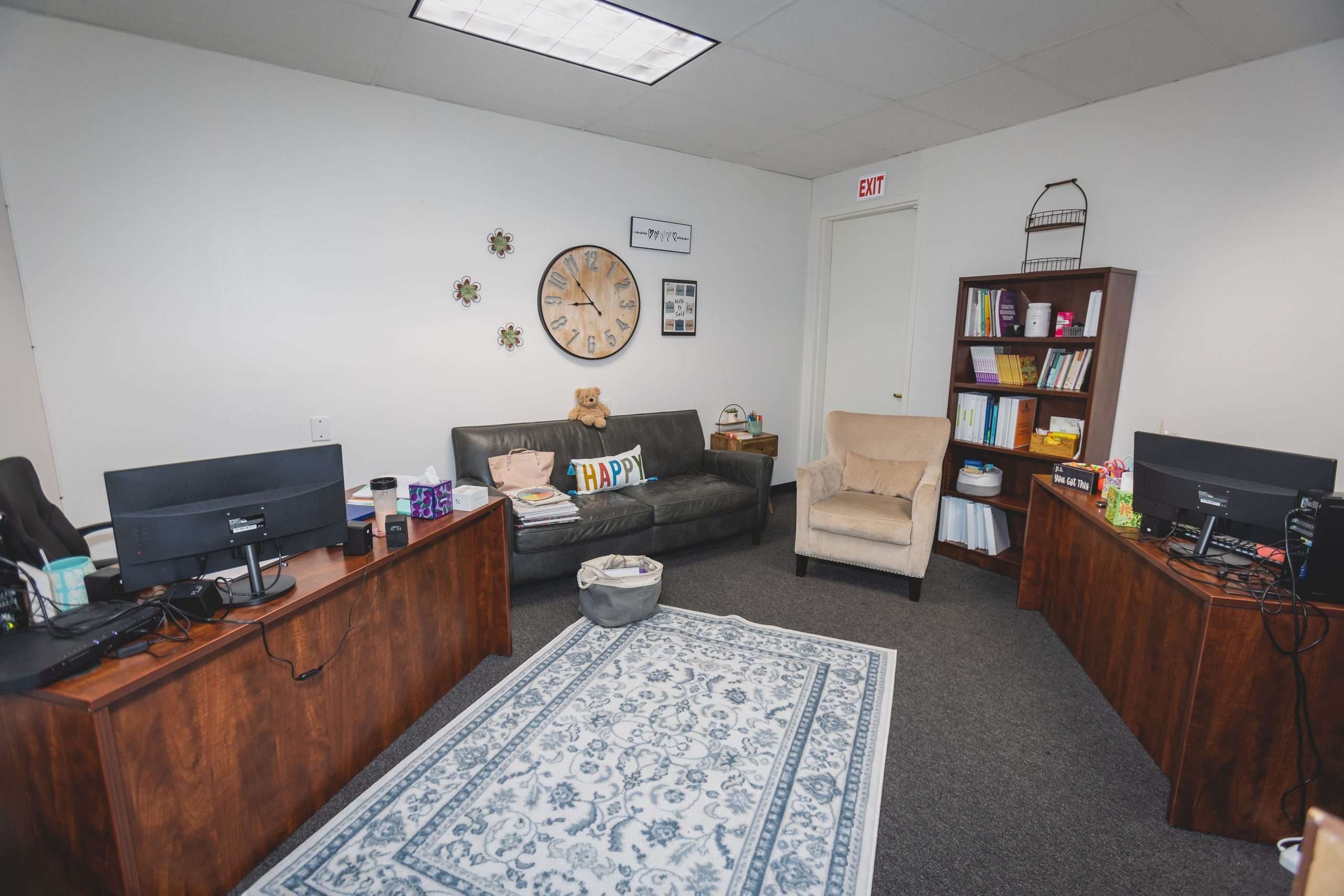

Locating Our Addiction Treatment Center For Women
John Wayne Airport (SNA)
- Distance: Approximately 21 miles
- Directions:
- Head northeast on N Airport Way.
- Use the right lane to take the ramp to CA-55 S.
- Merge onto CA-55 S.
- Take exit 5A for I-405 S toward San Diego.
- Keep left at the fork and merge onto I-405 S.
- Take exit 8 for CA-73 S toward San Diego (Toll Road).
- Merge onto CA-73 S (Toll Road).
- Take exit 5 for Greenfield Dr.
- Turn left onto Rancho Viejo Rd.
- Turn right onto Ortega Hwy.
- Sun County Wellness will be on the left.
Los Angeles International Airport (LAX)
- Distance: Approximately 61 miles
- Directions:
- Head east on World Way.
- Use the right 2 lanes to take the I-405 S ramp.
- Merge onto I-405 S.
- Take exit 8 for CA-73 S toward San Diego (Toll Road).
- Merge onto CA-73 S (Toll Road).
- Take exit 5 for Greenfield Dr.
- Turn left onto Rancho Viejo Rd.
- Turn right onto Ortega Hwy.
- Sun County Wellness will be on the left.
Long Beach Airport (LGB)
- Distance: Approximately 47 miles
- Directions:
- Head south on Donald Douglas Dr.
- Take the ramp to I-405 S.
- Merge onto I-405 S.
- Take exit 8 for CA-73 S toward San Diego (Toll Road).
- Merge onto CA-73 S (Toll Road).
- Take exit 5 for Greenfield Dr.
- Turn left onto Rancho Viejo Rd.
- Turn right onto Ortega Hwy.
- Sun County Wellness will be on the left.
San Diego International Airport (SAN)
- Distance: Approximately 64 miles
- Directions:
- Head northwest on N Harbor Dr.
- Use the left 2 lanes to take the ramp onto I-5 N.
- Continue on I-5 N.
- Take exit 81 for CA-74/Ortega Hwy.
- Turn right onto CA-74 E/Ortega Hwy.
- Sun County Wellness will be on the right.