
Clinically Reviewed By Brittany Astrom - LMFT
Brittany has 15 years of experience in the Mental Health and Substance Abuse field. Brittany has been licensed for almost 8 years and has worked in various settings throughout her career, including inpatient psychiatric treatment, outpatient, residential treatment center, PHP and IOP settings.
Mixing Kratom and Alcohol: Dangers, Effects, & Treatment
The combination of kratom and alcohol is gaining attention as a potentially dangerous trend among some individuals. Although both substances are legal and accessible, mixing them can lead to severe health complications. This article delves into the effects of mixing kratom and alcohol, the risks associated with this combination, and the available treatment options for those struggling with addiction.
What is Kratom?
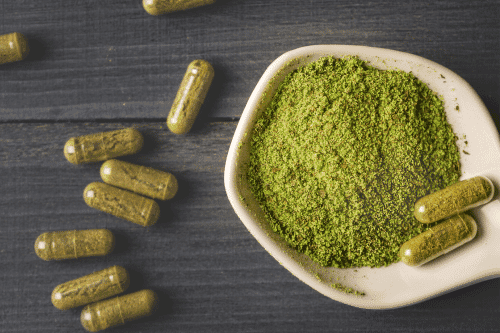
Kratom, scientifically known as Mitragyna speciosa, is a herbal substance derived from the leaves of a tree native to Southeast Asia. Traditionally used for its medicinal properties, kratom has been a staple in Southeast Asian cultures for centuries.
It is known for its stimulant effects at low doses and sedative effects at higher doses. In recent years, kratom has gained popularity in the United States and other Western countries as a natural remedy for pain relief, anxiety management, and even opioid withdrawal. However, despite its natural origins, kratom is not without risks, especially when combined with other substances like alcohol.
How Does Kratom Work?
Kratom works by interacting with the opioid receptors in the brain, similar to how opioids like morphine and codeine function. The active compounds in kratom, primarily mitragynine and 7-hydroxymitragynine, are responsible for its effects. At low doses, kratom acts as a stimulant, providing increased energy and alertness. At higher doses, it has sedative effects, leading to relaxation and pain relief. These dose-dependent effects make kratom a complex substance with the potential for misuse.
The Appeal of Mixing Kratom and Alcohol
People may be drawn to mixing kratom and alcohol for several reasons. Some may seek to enhance the mood-altering effects of alcohol, while others might experiment with the combination to achieve a different kind of high. Additionally, the perceived legality and accessibility of both substances might give users a false sense of security, leading them to underestimate the potential dangers of combining kratom with alcohol. This behavior can exacerbate drug tolerance and dependence, and in severe cases, it can lead to fatal outcomes.
The Risks of Mixing Kratom and Alcohol
Mixing kratom and alcohol can have serious adverse effects on the central nervous system. Drug abuse, particularly when mixing substances like kratom and alcohol, can lead to severe addiction and health complications. Alcohol is a depressant, which means it slows down brain function and impairs coordination, judgment, and reaction times. On the other hand, kratom’s effects vary depending on the dose consumed. When kratom and alcohol are combined, the effects can be unpredictable and potentially life-threatening.
Depressant Effects and Respiratory Depression
One of the most significant risks of mixing kratom and alcohol is respiratory depression. Both substances can slow down breathing, and when taken together, this effect can be amplified. Respiratory depression can lead to inadequate oxygen supply to the body’s vital organs, which can result in unconsciousness, brain damage, or even death.
Liver Damage and Toxicity
The liver plays a crucial role in metabolizing both kratom and alcohol. When these substances are consumed together, the liver is put under significant strain, increasing the risk of liver damage. Chronic use of kratom and alcohol can lead to liver toxicity, which may manifest as jaundice, fatigue, abdominal pain, and other symptoms of liver failure.
Impaired Coordination and Increased Risk of Accidents
Alcohol impairs coordination and reaction times, making activities like driving or operating machinery extremely dangerous. When combined with kratom, these impairments can be exacerbated, leading to a higher risk of accidents and injuries. Impaired coordination is a common effect of mixing alcohol with other substances, and kratom is no exception.
The Impact on Mental Health
The combination of kratom and alcohol can also have a detrimental effect on mental health. Alcohol is known to worsen symptoms of depression and anxiety, and when mixed with kratom, which also acts on the brain’s opioid receptors, the risk of developing mood disorders increases. This can complicate the recovery process for individuals struggling with mental health issues and substance use disorders.

Physical Dependence and Withdrawal Symptoms
Regular use of kratom and alcohol can lead to physical dependence on both substances. This means that the body becomes accustomed to the presence of these substances, and when they are not consumed, alcohol withdrawal symptoms can occur, such as tremors, hallucinations, and delirium tremens. The complexities and challenges of kratom and alcohol withdrawal include overlapping symptoms that can be quite severe, emphasizing the importance of medically supervised detox to safely manage these acute symptoms. Withdrawal symptoms from kratom and alcohol can include irritability, anxiety, insomnia, muscle aches, and nausea. These symptoms can be challenging to manage without professional help.
Why Kratom and Alcohol Should Never Be Mixed
Given the potential risks, it is clear that mixing kratom and alcohol is a dangerous practice. The combination of these substances can lead to severe health complications, including respiratory depression, liver damage, impaired coordination, and mental health issues. Moreover, the risk of developing a physical dependence on both substances increases significantly, making it even more difficult to quit without professional assistance.
Recognizing the Signs of Kratom and Alcohol Abuse
Recognizing the signs of kratom and alcohol abuse is crucial for early intervention and treatment. Common signs of abuse include an increased tolerance to both substances, experiencing withdrawal symptoms when not using them, neglecting responsibilities, and continuing to use kratom and alcohol despite knowing the risks. If you or someone you know is showing signs of kratom and alcohol abuse, it is important to seek help as soon as possible.
Treatment Options for Kratom and Alcohol Addiction
For those struggling with addiction to kratom and alcohol, seeking help from an addiction treatment provider like us is essential. Medical detox is critical to safely manage the severe symptoms of alcohol withdrawal, such as delirium tremens and seizures. Treatment for kratom and alcohol addiction typically involves a combination of medication-assisted treatment (MAT) to manage withdrawal symptoms, behavioral therapies to address the underlying causes of addiction, and support groups to provide ongoing encouragement throughout the recovery process.
Medication-Assisted Treatment (MAT)
Medication-assisted treatment is a cornerstone of addiction recovery for many individuals. MAT involves the use of FDA-approved medications to manage withdrawal symptoms and reduce cravings. For alcohol addiction, medications like naltrexone, acamprosate, and disulfiram may be prescribed. While there are currently no FDA-approved medications specifically for kratom addiction, the use of medications to manage symptoms can still be beneficial.

Behavioral Therapies
Behavioral therapies are another critical component of addiction treatment. Cognitive-behavioral therapy (CBT) and dialectical behavior therapy (DBT) are commonly used to help individuals understand the thoughts and behaviors that contribute to their substance use. These therapies also teach coping strategies to manage triggers and prevent relapse.
The Role of Support Groups
Support groups like Alcoholics Anonymous (AA) and Narcotics Anonymous (NA) provide a community of individuals who share similar experiences with addiction. These groups offer a safe space to discuss challenges, share successes, and receive encouragement throughout the recovery journey. For individuals struggling with both kratom and alcohol addiction, finding a support group that addresses both substances can be incredibly beneficial.
The Importance of Holistic Care in Recovery
In addition to traditional treatment methods, holistic care approaches such as mindfulness, yoga, and nutrition counseling can play a significant role in recovery. These practices help individuals build a balanced lifestyle that supports long-term sobriety and overall well-being.
Long-Term Recovery and Relapse Prevention
Recovery from kratom and alcohol addiction is a long-term process that requires ongoing effort and commitment. Relapse prevention strategies are essential for maintaining sobriety. This may include continued participation in support groups, regular therapy sessions, and developing a strong support network of friends and family.
The Legal Status of Kratom and Alcohol
One of the challenges in addressing kratom and alcohol addiction is the fact that both substances are federally legal in the United States. This legality can create a false sense of security, leading individuals to underestimate the risks associated with their use. It is important to educate the public about the dangers of mixing kratom and alcohol, regardless of their legal status.
Conclusion: The Path to Recovery
Mixing kratom and alcohol is a dangerous combination that can lead to severe health consequences, including respiratory depression, liver damage, impaired coordination, and an increased risk of developing mental health disorders. When you mix kratom with alcohol, it can amplify sedative effects, worsen mental health symptoms, and increase the risk of overdose, emphasizing the serious health consequences that can arise from this combination. Understanding the risks and seeking appropriate treatment is crucial for anyone who finds themselves dependent on drug and alcohol addiction.
If you or someone you know is struggling with addiction to kratom and alcohol, reaching out to a trusted provider like us is the first step toward recovery. With the right treatment plan, support, and commitment, it is possible to overcome addiction and lead a healthier, more fulfilling life.

Seeking Treatment? We Can Help
At Sun County Wellness, as an in-network provider we work with most insurance plans, such as:
If you or a loved one are struggling with mental health challenges or substance abuse, reach out to Sun County Wellness today. Our team of compassionate professionals is here to support your journey towards lasting well-being. Give us a call at 949-993-1149