
Clinically Reviewed By Brittany Astrom - LMFT
Brittany has 15 years of experience in the Mental Health and Substance Abuse field. Brittany has been licensed for almost 8 years and has worked in various settings throughout her career, including inpatient psychiatric treatment, outpatient, residential treatment center, PHP and IOP settings.
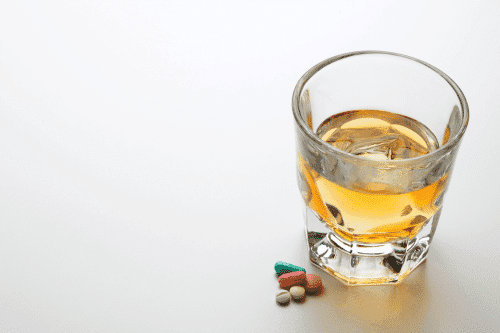
Muscle Relaxants and Alcohol: A Dangerous Combination
Understanding Muscle Relaxants
Definition of Muscle Relaxants
Muscle relaxants are prescription medications used to relieve muscle spasms, muscle stiffness, and painful muscle contractions caused by conditions like spinal cord injuries, cerebral palsy, and musculoskeletal pain. These drugs help reduce muscle tone by affecting nerve impulses in the brain activity and spinal cord.
Types of Muscle Relaxants
There are two main types of muscle relaxers:
- Antispasmodic drugs – Used for acute muscle pain, continuous muscle spasm, and muscle strains (e.g., cyclobenzaprine, carisoprodol).
- Antispastic drugs – Treat conditions like cerebral palsy and spinal cord injuries (e.g., baclofen, tizanidine).
Common Side Effects of Muscle Relaxants
The common side effects of prescription muscle relaxants include drowsiness, impaired coordination, blurred vision, slurred speech, dizziness, dry mouth, and skin rash. Some people may also experience vision troubles, abdominal pain, poor vision, poor coordination, altered vision, and feelings of euphoria.
Effects of Alcohol on the Body
How Alcohol Affects the Central Nervous System
Alcohol is a depressant that slows down brain activity, affecting motor control, reaction time, and cognitive function. The effects of alcohol include impaired judgment, poor decision-making, and nervous system depression.
Short-Term and Long-Term Effects of Alcohol Consumption
The short-term effects of alcohol consumption include drowsiness, impaired motor control, slurred speech, and feelings of intoxication. The long-term effects may result in liver damage, liver failure, gastrointestinal damage, heart attack, cardiac arrest, alcohol addiction, and alcohol use disorder.
Risks of Mixing Muscle Relaxants and Alcohol
Potential for Severe Side Effects
Combining alcohol with muscle relaxers enhances sedative effects, leading to dangerous side effects such as impaired motor skills, motor impairment, impaired vision, and cognitive impairment.
Increased Risk of Overdose
Mixing alcohol with muscle relaxants increases the risk for overdose and can lead to respiratory depression, slowed heart rate, and fatal consequences. In some cases, an overdose from alcohol and muscle relaxer overdose can cause dangerous interactions that require emergency services.
Long-Term Health Consequences
The long-term use of muscle relaxers with alcohol can lead to mental health conditions, substance abuse, alcohol addiction, muscle relaxer addiction, and polysubstance abuse. It also raises the risk of addiction and potential for misuse.
Reasons for Combining Muscle Relaxants and Alcohol
Intentional Use
Some individuals mix relaxers with alcohol for intense relaxation or feelings of euphoria. However, this is a bad idea due to the dangerous consequences it poses.
Inadvertent Mixing
Others may combine alcohol with prescription medications without realizing the harmful interactions. Always check prescription drug labels and consult a healthcare professional before alcohol consumption.
What to Do if Muscle Relaxants and Alcohol Are Mixed
Recognizing Symptoms of Overdose
Signs of muscle relaxer overdose with alcohol poisoning include:
- Severe drowsiness
- Slow or shallow breathing (respiratory depression)
- Confusion or hallucinations
- Seizures and risk of seizures
Emergency Response Steps
If an individual at risk exhibits these symptoms:
- 1Call emergency services (911) immediately.
- 2Keep the individual awake and sitting upright.
- 3Avoid giving food or drinks.
- 4Monitor breathing and pulse until medical professionals arrive.
Other Substances to Avoid with Muscle Relaxants

Interaction with Prescription Medications
Muscle relaxers can interact dangerously with opioids, benzodiazepines, blood pressure drugs, antidepressants, and over-the-counter drugs, increasing the risk of overdose.
Risks with Over-the-Counter Drugs
Combining muscle relaxers with counter medications such as antihistamines, cold medicines, and sleep aids can lead to dangerous drug interactions.
Treatment Options for Substance Abuse
Counseling and Therapy
Behavioral therapy, individual therapy, family therapy, and outpatient treatments help individuals overcome substance use disorders.
Medical Treatment Programs
Options include medical detox, addiction treatment programs, intensive outpatient programs, detox programs, and outpatient programs at Sun County Wellness.
Importance of Consulting Healthcare Providers
Understanding Medication Interactions
A healthcare provider can guide safe prescription medication use and prevent prescription drug misuse. Consulting a healthcare team, primary care clinic, or board-certified ambulatory care clinical pharmacist ensures comprehensive care.
Promoting Safe Usage Practices
To prevent substance abuse and harmful effects, follow prescription saving tips, avoid alcohol misuse, and seek mental health services administration resources.
Final Thoughts
Mixing muscle relaxers and alcohol is a dangerous combination that can lead to severe health issues, emergency room visits, and drug-related emergency department visits. If you or a loved one struggles with alcohol addiction, muscle relaxer abuse, or drug addiction, reach out to Sun County Wellness for professional support. Safe patient care and long-term recovery start with professional addiction treatment.

Seeking Treatment? We Can Help
At Sun County Wellness, as an in-network provider we work with most insurance plans, such as:
If you or a loved one are struggling with mental health challenges or substance abuse, reach out to Sun County Wellness today. Our team of compassionate professionals is here to support your journey towards lasting well-being. Give us a call at 949-993-1149
Visit SAMHSA or contact us today for more inforamtion.