

Clinically Reviewed By Brittany Astrom - LMFT
Brittany has 15 years of experience in the Mental Health and Substance Abuse field. Brittany has been licensed for almost 8 years and has worked in various settings throughout her career, including inpatient psychiatric treatment, outpatient, residential treatment center, PHP and IOP settings.
The Role of Nutrition in Recovery
At Sun County Wellness, we understand the pivotal role of nutrition in the recovery process. A nutritious diet supports physical healing, mental clarity, and emotional stability. Nutrition in recovery can improve energy levels, support organ function, and reduce cravings for substances. For individuals in recovery, especially those recovering from substance use disorders like alcohol addiction, proper nutrition is a foundation for long-term recovery.
Impact of Poor Nutrition on Health
Poor nutrition leads to nutritional imbalances, weight loss, fatigue, and poor concentration. During active addiction, many individuals follow a poor diet with limited variety of foods, contributing to nutrient deficiencies, Vitamin deficiencies, and electrolyte imbalances. This weakens the body and increases the risk of chronic diseases such as heart disease and liver disease.
Link Between Substance Abuse and Nutritional Deficiencies
Substance abuse often disrupts the absorption of nutrients and alters dietary habits. It causes deficiencies of vitamins, essential minerals, and amino acids. These nutrient deficiencies can harm nerve function, neurotransmitter production, and hormone production, contributing to mood swings, emotional eating, and cravings for drugs. Alcohol abuse, in particular, damages the stomach lining and impairs nutrient absorption, leading to serious nutritional health issues.
Importance of a Balanced Diet in Recovery
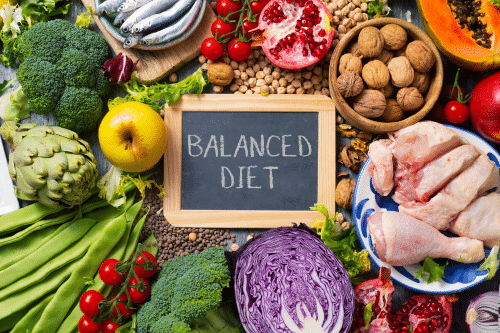
A balanced diet with a wide range of nutrient-rich foods is vital for restoring physical health and supporting mental well-being. It should include fresh fruits, leafy greens, lean proteins, complex carbohydrates, and healthy fats like olive oil. A diet rich in essential nutrients aids the healing process and helps individuals develop healthy eating habits during the recovery journey.
Restoring Physical Health
Adequate nutrition helps repair organ damage, improve immune function, and regulate blood pressure. It supports tissue repair, enhances fluid balance, and contributes to energy production. This is especially important during withdrawal symptoms, where the body needs to regain balance and function.
Improving Mood and Psychological Well-being
Essential vitamins like vitamin B6, folic acid, and Omega-3 fatty acids play critical roles in neurotransmitter function and mood stabilization. These nutrients support mental health, ease symptoms of mood disorders, and reduce cognitive impairments caused by chronic drug or alcohol damage.
Boosting Energy Levels
Eating regular meals with nutrient-dense foods helps keep energy levels stable throughout the day. Complex carbohydrates provide long-lasting energy, while protein-rich foods aid in muscle repair and metabolic rate regulation. This helps reduce feelings of hunger and supports healthy lifestyle habits during treatment.

Supporting Brain Recovery
Brain health depends on key nutrients such as Omega-3 fatty acids, trace minerals, and vitamin B6. These support brain function, reduce brain fog, and improve cognitive function. During recovery from substance abuse, these nutrients help restore the function of dopamine and support the brain’s detoxification processes.
Controlling and Managing Cravings
Balanced meals with adequate intake of protein, fiber, and healthy fats help stabilize blood sugar levels. This reduces cravings for substances, especially during the early stages of detoxification process. Mindful eating and nutritional therapy can play a crucial role in relapse prevention.
Essential Nutrients for Recovery
Benefits of Fruits and Vegetables
Fresh produce like leafy vegetables, citrus fruits, and cruciferous vegetables provide antioxidants, support digestive process, and help combat oxidative stress during recovery.
Importance of Lean Proteins
Lean proteins like chicken, fish, beans, and eggs support tissue repair, amino acid balance, and neurotransmitter production. These are essential substances for restoring bodily functions and improving mental well-being.
Whole Grains for Sustained Energy
Whole grains such as brown rice and oats are rich in complex carbohydrates, supporting stable energy levels and maintaining carbohydrate intake throughout the day.
Healthy Fats for Brain Health
Healthy fats found in olive oil, avocados, and nuts enhance brain function, promote emotional stability, and support the recovery from addiction.
Foods to Avoid During Recovery
Risks of Sugary Snacks and Drinks
High-sugar foods and drinks cause rapid changes in blood sugar, leading to mood swings, fatigue, and increased cravings for drugs or alcohol.
Dangers of Processed Foods
Processed foods are low in nutritional value and high in harmful additives. These unhealthy foods disrupt nutritional balance and interfere with physical recovery.
Limiting Caffeine Intake
Excessive caffeine leads to anxiety, disrupts sleep patterns, and contributes to emotional challenges. Limiting caffeine supports better mental clarity and emotional well-being.
Nutritional Therapy During Withdrawal and Rehabilitation
Role in Detoxification
Nutritional therapy supports the detoxification process by helping the body eliminate harmful substances and reduce inflammation.
Stabilizing Blood Sugar Levels
Meal plans focused on balanced nutrition help stabilize blood sugar, preventing emotional instability and helping with the effects of withdrawal.
Reducing Inflammation
A nutrient-rich diet high in leafy greens, olive oil, and anti-inflammatory foods helps reduce physical discomfort during the detoxification processes.
Promoting Gut Health
Supporting the gut with probiotic-rich and fiber-rich foods improves the absorption of nutrients, boosts immune function, and enhances digestive health—especially important for individuals with substance use issues.
Connection Between Nutrition and Mental Health
Influence on Mood and Behavior
A well-balanced diet supports neurotransmitter function, reduces symptoms of mental health disorders, and improves emotional well-being. Nutrition in addiction recovery is a comprehensive approach that addresses both the body and mind.
Working with Nutrition Professionals
Benefits of a Registered Dietitian Nutritionist
Registered dietitians help identify common deficiencies, build nutritional plans, and ensure the adequate intake of vital nutrients for recovery.
Developing Personalized Nutritional Plans
Each person’s approach to recovery is different. Working with a healthcare provider allows for personalized dietary interventions, helping improve nutritional status and overall health.
Long-term Nutritional Strategies for Sustainable Recovery
Creating Lasting Healthy Eating Habits
Building healthy eating habits includes understanding dietary recommendations, choosing nutrient-dense foods, and drinking plenty of water—at least 6 to 8 cups per day. These habits promote a sober lifestyle and support sustained recovery.
Maintaining Balanced Nutrition Post-Recovery
People in recovery benefit from ongoing dietary approaches that include fresh produce, nutritional supplements, and educational materials. Maintaining a balanced intake supports both physical and mental well-being.
At Sun County Wellness, we believe in a holistic approach to recovery. By emphasizing the role of nutrition in addiction treatment programs, we help women achieve effective recovery and build a foundation for lifelong health. Nutrition in recovery can transform the journey to recovery and lead to successful recovery for those healing from addiction to drugs or alcohol.

Seeking Treatment? We Can Help
At Sun County Wellness, as an in-network provider we work with most insurance plans, such as:
If you or a loved one are struggling with mental health challenges or substance abuse, reach out to Sun County Wellness today. Our team of compassionate professionals is here to support your journey towards lasting well-being. Give us a call at 949-993-1149
Visit SAMHSA or contact us today for more inforamtion.