

Clinically Reviewed By Brittany Astrom - LMFT
Brittany has 15 years of experience in the Mental Health and Substance Abuse field. Brittany has been licensed for almost 8 years and has worked in various settings throughout her career, including inpatient psychiatric treatment, outpatient, residential treatment center, PHP and IOP settings.
Risks of Combining Weed and Vyvanse
Combining substances, especially prescription drugs with recreational drugs, can often lead to unexpected and potentially dangerous outcomes. This is particularly true when it comes to mixing prescription medications with recreational drugs.
One such combination that has raised concerns is the use of weed (cannabis) and Vyvanse (lisdexamfetamine). Understanding the risks involved is crucial for anyone considering or currently using these substances together. The effects of each substance can be unpredictable on their own, and when combined, the risks can multiply, leading to serious health complications.
Understanding Vyvanse as an ADHD Medication
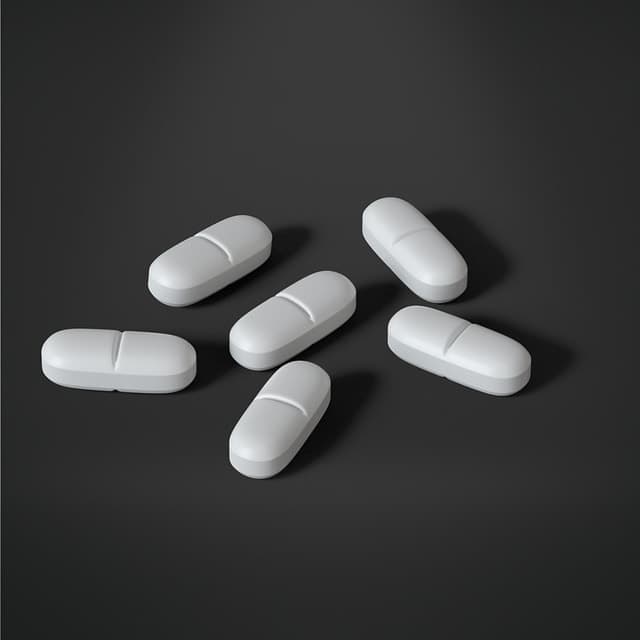
Vyvanse is an ADHD medication primarily used to treat Attention Deficit Hyperactivity Disorder (ADHD) and sometimes Binge Eating Disorder (BED). It is a stimulant that affects chemicals in the brain and nerves contributing to hyperactivity and impulse control. Vyvanse is known for its long-lasting effects, often providing symptom relief for up to 14 hours. Because of its extended duration of action, Vyvanse is often preferred over other stimulants for patients who need sustained symptom control throughout the day. It is important to take Vyvanse exactly as a doctor prescribed to avoid potential misuse and side effects.
However, like all medications, Vyvanse comes with its own set of potential side effects. Common side effects include insomnia, dry mouth, and loss of appetite. More serious side effects can include increased heart rate and blood pressure, which can be concerning when considering the addition of other substances like cannabis. Understanding how Vyvanse works and its potential side effects is essential for making informed decisions about its use.
What is Weed and How Do People Smoke Weed?
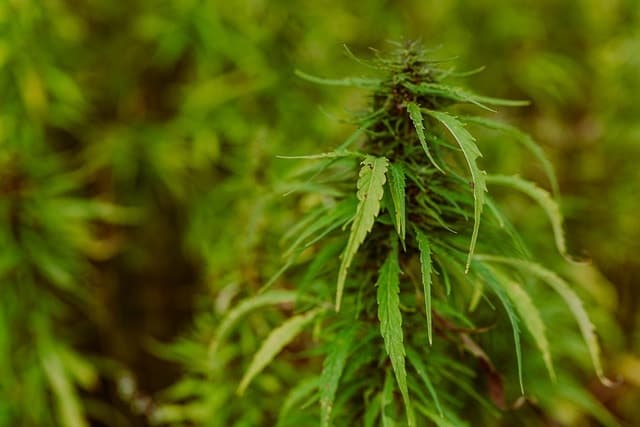
Weed, also known as cannabis or marijuana, is a widely used recreational drug that contains the psychoactive compound THC (tetrahydrocannabinol). It is known for its mind-altering effects, including euphoria, altered perception of time, and relaxation. Many users prefer to smoke weed, but this method of consumption can have harmful effects on lung health. Cannabis also contains CBD (cannabidiol), which is often used for its potential therapeutic effects, such as reducing anxiety and improving focus. The effects of weed can vary greatly depending on the strain, dosage, and method of consumption.
In addition to its recreational use, weed is also used for medicinal purposes. Medical cannabis is often prescribed for conditions like chronic pain, epilepsy, and anxiety. However, the combination of THC and CBD can also lead to side effects such as dizziness, dry mouth, and impaired memory. Understanding the effects and potential risks of weed is crucial for anyone considering its use, especially in combination with other substances.
Why Do People Combine Weed and Vyvanse?
People may choose to combine weed and Vyvanse for various reasons. Some might seek to balance the stimulating effects of Vyvanse with the calming effects of weed. Others may use weed to mitigate some of the side effects of Vyvanse, such as anxiety or insomnia. However, combining these substances is not without risk. The intention behind combining these substances can range from enhancing productivity to seeking relief from side effects, but the outcomes can be unpredictable.
For some, the combination may seem to offer a perfect balance, but this balance is precarious and can easily tip into harmful territory. The desire to self-medicate or enhance certain effects should be approached with caution and medical guidance. The complex interaction between these substances can lead to unexpected results, making it essential to weigh the pros and cons carefully. However, this practice can lead to substance misuse, especially if done without medical supervision.
Potential Risks and Side Effects of Substance Abuse
Increased Heart Rate and Blood Pressure
Both Vyvanse and weed can increase heart rate and blood pressure. When combined, these effects can be amplified, leading to potential cardiovascular issues. People with preexisting heart conditions should be particularly cautious, as the combination could exacerbate their condition. Even for those without preexisting conditions, the increased strain on the cardiovascular system can be dangerous. The risks are further compounded for individuals with a history of alcohol abuse, as their cardiovascular system may already be compromised.
The amplified cardiovascular effects can lead to symptoms like palpitations, chest pain, and shortness of breath. In severe cases, this combination could increase the risk of heart attack or stroke. Monitoring your cardiovascular health and consulting a healthcare provider before combining these substances is crucial for minimizing these risks.
Mental Health Concerns
Combining weed and Vyvanse can have unpredictable effects on mental health. Vyvanse is known to increase focus and energy, while weed can have varying effects depending on the strain and dosage. For some, this combination could lead to heightened anxiety, paranoia, or even panic attacks. The mental health effects can be particularly concerning for individuals with a history of anxiety or mood disorders.
In some cases, the combination can exacerbate symptoms of ADHD, leading to increased distractibility and difficulty focusing. The mental health risks associated with combining these substances make it essential to approach this combination with caution and medical supervision. Understanding your mental health baseline and how each substance affects you individually can help in making safer choices. Seeking help from organizations like the Substance Abuse and Mental Health Services Administration (SAMHSA) can provide valuable support for managing these risks.
Impaired Cognitive Function
While Vyvanse is designed to improve focus and cognitive function in individuals with ADHD, adding weed into the mix can impair cognitive abilities. This could counteract the benefits of Vyvanse, making it harder to concentrate and perform tasks effectively. The cognitive impairment can be particularly problematic for individuals who rely on Vyvanse for academic or professional performance. While ADHD medications like Vyvanse are designed to improve cognitive function, weed can impair these abilities, leading to conflicting effects.
The combination can lead to symptoms like memory lapses, difficulty concentrating, and impaired decision-making. These cognitive effects can be detrimental to daily functioning and overall quality of life. Monitoring your cognitive function and consulting a healthcare provider if you notice any decline can help in managing these risks.
The Science Behind Drug Interactions
How Vyvanse Works
Vyvanse is a prodrug, meaning it is inactive until metabolized in the body. Once ingested, it is converted into dextroamphetamine, which increases the levels of certain neurotransmitters in the brain, such as dopamine and norepinephrine. These neurotransmitters play a crucial role in attention and focus. The slow release of Vyvanse provides a more stable and prolonged effect compared to other stimulants.
The mechanism of action of Vyvanse makes it effective for managing ADHD symptoms but also means that its effects are sustained over a longer period. This prolonged action can interact unpredictably with other substances, making it essential to understand how it works before combining it with weed. The conversion process and the impact on neurotransmitter levels are key factors in its effectiveness and potential risks. Doctors carefully evaluate a patient’s history and potential risks before they prescribe Vyvanse.
How Weed Affects the Brain
Weed interacts with the endocannabinoid system, which is involved in regulating various physiological processes, including mood, appetite, and pain sensation. THC, the primary psychoactive component of weed, binds to cannabinoid receptors in the brain, leading to its characteristic effects. The endocannabinoid system plays a vital role in maintaining homeostasis, and the introduction of THC can disrupt this balance. Smoking weed can introduce harmful substances into the lungs, further complicating its effects on the brain.
The effects of weed can vary depending on the strain, dosage, and individual response. While some may experience relaxation and euphoria, others may encounter anxiety and paranoia. Understanding how weed affects the brain and the variability in its effects is crucial for anyone considering its use, especially in combination with Vyvanse. The interaction between THC and the endocannabinoid system adds another layer of complexity to this combination.
Interaction Between Weed and Vyvanse
The interaction between weed and Vyvanse is not well understood, but it is believed that the combination can lead to conflicting signals in the brain. While Vyvanse increases the levels of stimulating neurotransmitters, weed may activate pathways that counteract these effects, leading to an unpredictable and potentially harmful outcome. The conflicting signals can create a tug-of-war effect in the brain, making it difficult to predict the overall impact. Mixing Vyvanse with weed can lead to unpredictable and potentially harmful outcomes.
The lack of comprehensive research on this interaction means that much is left to individual experiences and anecdotal evidence. This unpredictability makes the combination particularly risky. Understanding the potential for conflicting effects and the current gaps in scientific knowledge can help in making more informed decisions about combining these substances.
Case Studies and Real-World Examples
Case Study 1: Increased Anxiety
A 22-year-old college student diagnosed with ADHD was prescribed Vyvanse to help with focus and academic performance. To counteract the side effect of anxiety, he began using weed. However, instead of feeling more relaxed, he experienced heightened anxiety and paranoia, leading to a decline in academic performance and social interactions. This case highlights the unpredictable nature of combining these substances and the potential for adverse mental health effects.
The student’s experience underscores the importance of understanding how ADHD medication interacts with other substances. The heightened anxiety and paranoia not only affected his academic performance but also strained his social relationships. This case serves as a cautionary tale for those considering this combination without medical guidance.
Case Study 2: Cardiovascular Issues
A 30-year-old professional used Vyvanse to manage ADHD symptoms and weed to relax after work. Over time, he began experiencing increased heart palpitations and elevated blood pressure. A visit to the doctor revealed that the combination of these substances was putting undue stress on his cardiovascular system. This case illustrates the potential for serious cardiovascular complications when combining weed and Vyvanse. The risks are further compounded for individuals who abuse alcohol, as their cardiovascular system may already be compromised.
The professional’s experience highlights the importance of monitoring cardiovascular health when using these substances. The increased heart palpitations and elevated blood pressure were clear indicators of the strain on his cardiovascular system. This case emphasizes the need for medical supervision and regular check-ups when combining these substances.
Recommendations for Safe Use
Consult Your Doctor
Before combining any substances, it’s crucial to consult with a healthcare provider. They can provide personalized advice based on your medical history and current medications. A healthcare provider can also help you understand the potential risks and benefits, making it easier to make informed decisions. Your doctor can provide guidance on how ADHD medications may interact with other substances.
Consulting a doctor can also provide access to alternative treatments or strategies that may be safer and more effective. Open communication with your healthcare provider can help in managing your health more effectively and minimizing risks.
Monitor Your Symptoms
Keep a close eye on any changes in your physical or mental health. If you notice any concerning symptoms, such as increased anxiety, heart palpitations, or cognitive impairment, consult your doctor immediately. If you notice any signs of substance abuse, consult your doctor immediately. Monitoring your symptoms can help in identifying potential issues early and seeking timely medical intervention.
Keeping a symptom diary can be a helpful tool in tracking any changes and discussing them with your healthcare provider. Regular check-ins with your doctor can also provide additional insights and guidance.
Alternatives to Combining Weed and Vyvanse
Lifestyle Changes
Incorporating lifestyle changes such as regular exercise, a balanced diet, and good sleep hygiene can also help manage ADHD symptoms and improve overall well-being. These lifestyle changes can provide a holistic approach to managing symptoms and enhancing quality of life. Seeking help from organizations like the Substance Abuse and Mental Health Services Administration (SAMHSA) can provide additional support.
Regular exercise can improve focus and reduce anxiety, while a balanced diet can provide the necessary nutrients for optimal brain function. Good sleep hygiene is crucial for maintaining cognitive function and overall health. Implementing these changes can offer a safer and more sustainable approach to managing symptoms.

Conclusion
Combining weed and Vyvanse can pose several risks, including increased heart rate, mental health concerns, and impaired cognitive function. While some individuals may seek to balance the effects of these substances, the potential for adverse reactions makes it crucial to consult with a healthcare provider before combining them. By understanding the risks and taking appropriate precautions, you can make informed decisions about your health and well-being.
Understanding the risks of prescription drug abuse and taking appropriate precautions can help in making safer choices. For those considering this combination, it’s essential to weigh the potential benefits against the risks and to seek professional medical advice to ensure safety. Understanding the science behind the interaction, potential risks, and safer alternatives can help in making more informed choices. Your health and well-being should always be the priority, and taking the time to consult with healthcare professionals can provide the guidance needed for safer and more effective management of symptoms.
Seeking Treatment? We Can Help
At Sun County Wellness, as an in-network provider we work with most insurance plans, such as:
If you or a loved one are struggling with mental health challenges or substance abuse, reach out to Sun County Wellness today. Our team of compassionate professionals is here to support your journey towards lasting well-being. Give us a call at 949-993-1149