

Clinically Reviewed By Brittany Astrom - LMFT
Brittany has 15 years of experience in the Mental Health and Substance Abuse field. Brittany has been licensed for almost 8 years and has worked in various settings throughout her career, including inpatient psychiatric treatment, outpatient, residential treatment center, PHP and IOP settings.
The Serious Health Risks of Smoking Oxycodone
Smoking oxycodone can rapidly lead to severe health issues like addiction, respiratory problems, and high overdose risks. This article will explain why people smoke oxycodone, its immediate and long-term effects, and the critical health consequences involved.
Key Takeaways
- Oxycodone, while effective for pain relief, has a high potential for misuse and addiction due to its euphoric effects, particularly when smoked, which allows for rapid absorption and intensified effects.
- Smoking oxycodone significantly increases the risk of severe health issues, including respiratory problems, overdose, and cardiovascular complications, making it one of the most dangerous methods of consumption.
- Addressing oxycodone addiction requires a comprehensive strategy that includes recognition of misuse, professional treatment options such as medication-assisted treatment and behavioral therapies, and support systems to prevent relapse.
Understanding Oxycodone and Its Uses

Oxycodone, a potent pain reliever synthesized from thebaine, serves as a crucial medication for managing moderate to severe pain. Classified as a Schedule II controlled substance, oxycodone is legally available only through a prescription due to its high potential for misuse and addiction. The medication is particularly effective in treating pain resulting from injuries, arthritis, and cancer, offering significant relief to those suffering from chronic pain conditions, similar to other opioid analgesics.
OxyContin, a branded extended-release tablet form of oxycodone, is designed to provide prolonged pain relief. However, its potential for misuse is alarmingly high, as individuals often seek its pleasurable effects by bypassing the extended-release mechanism. This misuse can lead to a dangerous cycle of addiction, where the need for the drug’s euphoric effects overrides the original intent of pain management.
The intended medical use of oxycodone is to alleviate pain under strict professional supervision. Yet, the drug’s significant potential for abuse has turned it into one of the most commonly misused prescription opioids. Understanding these aspects is crucial for recognizing the reasons behind oxycodone misuse and the subsequent health risks.
Why People Smoke Oxycodone

The euphoric effects of oxycodone are a major driving force behind its misuse, including smoking. People often smoke oxycodone to experience these effects more quickly and intensely. Crushing oxycodone tablets allows individuals to bypass the extended-release mechanism, resulting in a rapid and powerful onset of the drug’s effects. This method is preferred by many because it delivers a faster high compared to other methods of consumption.
Smoking oxycodone is particularly appealing to those seeking immediate gratification. The process of inhaling the drug allows it to enter the bloodstream rapidly, reaching the brain almost instantaneously. This quick delivery intensifies the drug’s effects, providing a high that is both immediate and potent. Unfortunately, this method also significantly increases the risk of overdose and severe health complications.
The growing problem of opioid use has led individuals to adopt various methods of consuming oxycodone, with smoking and snorting opioids being among the most common. Studies indicate that between 57-92% of individuals abusing extended-release oxycodone opt for smoking or snorting the powder. This trend underscores the urgent need to address the underlying issues of opioid addiction and develop effective prevention strategies.
Immediate Effects of Smoking Oxycodone
Smoking oxycodone results in a rapid and intense high, making it a preferred method for those seeking immediate effects. This is because smoking the drug allows it to reach the brain faster than other methods, such as oral consumption. The immediate release of oxycodone into the bloodstream leads to a quick onset of effects, which many users find more satisfying. However, this rapid delivery also means that the risks associated with smoking oxycodone are significantly higher.
The powerful high achieved by smoking OxyContin can be particularly addictive. Many users transition from oral consumption to smoking to enhance the intensity of their experience. This shift often results in a dangerous cycle of increasing drug use and escalating health risks, as the body quickly develops a tolerance, necessitating higher doses to achieve the same effects.
Health Risks of Smoking Oxycodone

The health risks associated with smoking oxycodone are severe and multifaceted. Misusing OxyContin in this manner not only increases the risk of overdose and death but also predisposes individuals to a range of serious health issues.
The following subsections will delve into specific health problems, including respiratory issues, the increased risk of overdose, and other significant health concerns.
Respiratory Issues
One of the most alarming health risks of smoking oxycodone is the potential for severe respiratory issues. Chronic obstructive pulmonary disease (COPD) and other forms of chronic bronchitis can develop as a result of inhaling the drug. These conditions significantly impair lung function and can lead to long-term health complications, making it difficult for individuals to breathe normally and reducing their overall quality of life.
Increased Risk of Overdose
The risk of overdose is markedly higher when oxycodone is smoked. This method leads to rapid absorption of the drug into the bloodstream, which can quickly elevate the concentration of the opioid in the body to dangerous levels. The faster onset of effects means that users are more likely to take a full dose before the initial effects have worn off, significantly increasing the likelihood of an overdose.
Combining oxycodone with other depressants, such as alcohol or benzodiazepines, further exacerbates this risk. Severe respiratory depression resulting from an oxycodone overdose can lead to brain damage or death, highlighting the critical need for awareness and preventive measures.
Other Serious Health Issues
Smoking oxycodone can also cause significant cardiovascular issues. Fluctuations in blood pressure and other serious cardiovascular problems can arise from chronic use. Over time, the damage to lung tissue from inhaling the drug can lead to severe respiratory conditions and a decreased quality of life.
Additionally, different methods of oxycodone misuse carry their own unique dangers. Injecting oxycodone, for instance, poses a high risk of infectious diseases due to needle use. These methods can lead to a host of other serious health issues, underscoring the broad spectrum of risks associated with the misuse of this potent opioid.
Comparing Smoking with Other Methods of Oxycodone Use
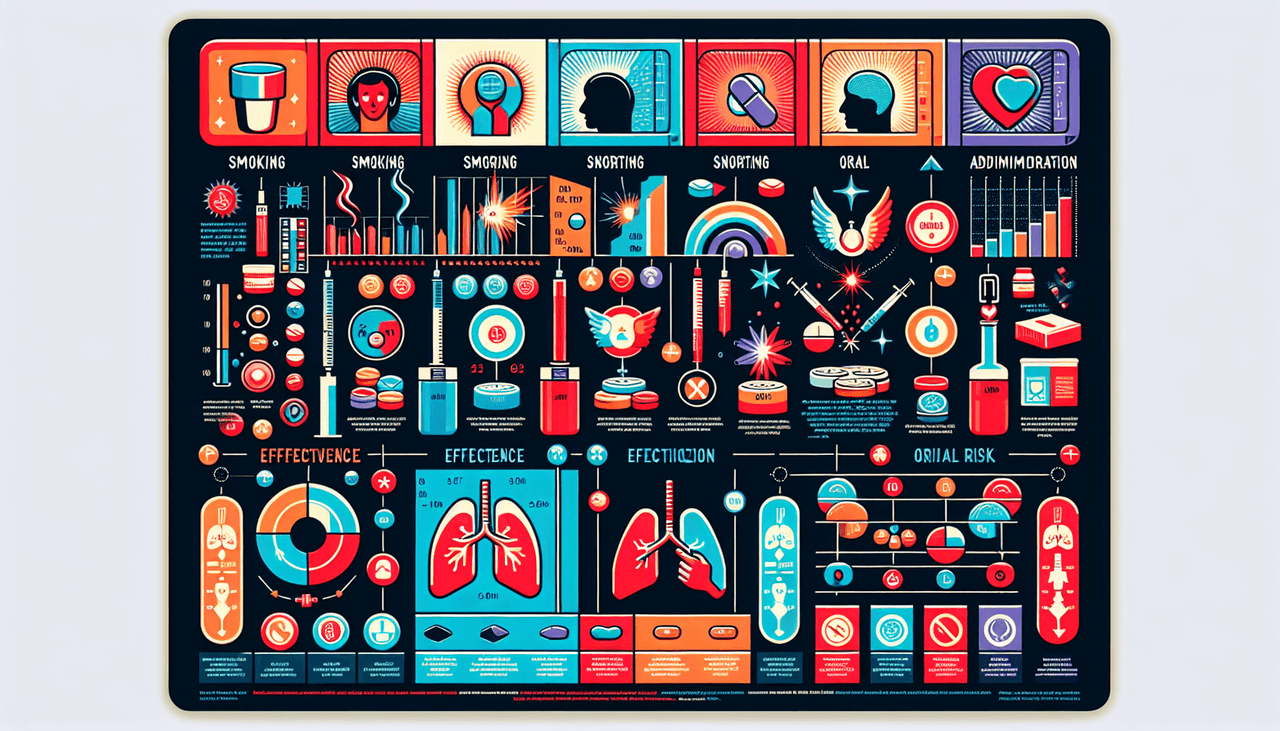
How oxycodone is consumed can significantly influence its effects and associated health risks. Smoking oxycodone provides a rapid onset of effects, but this comes with a higher risk of overdose and severe health complications compared to other methods.
The following subsections will compare smoking with oral administration, snorting, and injecting oxycodone.
Oral Administration
Oral administration of oxycodone results in a slower absorption rate and delayed effects compared to smoking. This method allows for controlled dosing, reducing the immediate risk of overdose. However, many individuals seeking a quicker high may bypass the slow release by smoking the drug, which leads to faster physical dependence and more intense withdrawal symptoms.
Taking oxycodone orally allows patients to adhere to prescribed dosages and manage their pain effectively without the heightened risk of addiction. This controlled approach is crucial for maintaining the drug’s therapeutic benefits while minimizing the dangers associated with its misuse.
Snorting Oxycodone
Snorting oxycodone is another method that bypasses the extended-release formulation, leading to immediate drug release and rapid effects. While this method can provide a quick high, it also significantly increases the risk of addiction and overdose due to the rapid absorption into the bloodstream.
Health issues from snorting oxycodone include severe nasal damage and an increased likelihood of developing a serious addiction. The method’s immediate effects and enhanced risks highlight the dangers of choosing this route over safer, prescribed methods of consumption.
Injecting Oxycodone
Injecting oxycodone carries significant health risks, including infections and vascular damage. This method presents an increased risk of overdose compared to smoking or oral administration due to the direct entry of the drug into the bloodstream.
Multiple health problems can arise from injecting oxycodone, such as severe infections and damage to blood vessels, making it one of the most dangerous methods of drug use. The heightened risks associated with injecting underscore the importance of adhering to prescribed methods of administration.
The Role of Addiction in Oxycodone Misuse
Addiction is a critical factor in the misuse of oxycodone. The drug’s euphoric effects can lead individuals to develop a tolerance, requiring higher doses for the same effect. This escalation often results in compulsive patterns of misuse, such as smoking OxyContin.
Understanding opioid addiction is crucial for addressing the broader issue of substance abuse.
Physical Dependence and Withdrawal Symptoms
Physical dependence on oxycodone can develop quickly, especially when the drug is smoked. This dependence leads to severe withdrawal symptoms, including anxiety, nausea, and muscle pain, making it challenging for individuals to quit without professional help.
Detoxification is typically the first step in treating oxycodone addiction, addressing physical health complications such as lung disease and infections resulting from misuse. The intense withdrawal symptoms underscore the need for comprehensive treatment plans that include medical and psychological support.
Behavioral Therapies for Opioid Use Disorder
Behavioral therapies are crucial in treating opioid use disorder. Cognitive-behavioral therapy, for instance, is effective in reducing cravings and helping individuals develop coping strategies to avoid relapse.
Incorporating behavioral therapies into treatment plans can significantly improve outcomes for those struggling with oxycodone addiction. Resources like the SAMHSA confidential helpline provide essential support and referrals for individuals seeking help with substance use disorders.
Medication-Assisted Treatment
Medication-assisted treatment (MAT) is a critical component in managing opioid addiction. Medications like buprenorphine and methadone help reduce withdrawal symptoms and cravings, making it easier for individuals to maintain sobriety.
Professional treatment programs often include medical detox and rehabilitation approaches tailored to the specific needs of those addicted to oxycodone. These comprehensive treatment plans are essential for effective long-term recovery.
Preventing and Addressing Oxycodone Abuse

Preventing and addressing oxycodone drug abuse requires a multifaceted approach. Recognizing the signs of misuse, seeking professional help, and developing strategies to prevent relapse are all crucial steps, as emphasized by the Drug Enforcement Administration.
The following subsections will provide detailed guidance on these aspects.
Recognizing the Signs of Substance Misuse
Early intervention requires recognizing the signs of oxycodone misuse. These signs can include changes in behavior, mood swings, and neglecting responsibilities. Physical symptoms such as changes in appetite, sleep disturbances, and unexplained injuries are also common indicators.
Withdrawal symptoms from oxycodone, such as anxiety and muscle pain, can further signal substance misuse. Resources like the SAMHSA confidential helpline are available to provide support and guidance for those in need.
Seeking Help and Treatment Options
Professional help is crucial for treating oxycodone addiction and preventing serious health complications. Common treatment options include medication-assisted treatment (MOUD) paired with behavioral therapies, which can effectively address both the physical and psychological aspects of addiction.
Rehabilitation care can involve inpatient programs, medical detoxification, and outpatient options, all of which provide structured environments for recovery. Support systems, such as therapy and support groups, play a crucial role in maintaining long-term sobriety.
Prevent Relapse
Preventing relapse is a key part of the recovery process. Having a strong support system, including family, friends, and support groups, can provide the necessary encouragement and accountability to maintain sobriety. Engaging in group therapy offers individuals a sense of community and shared experiences, which can be vital in preventing relapse.
Healthy coping mechanisms, such as exercise, meditation, and engaging in hobbies, can help reduce the urge to use oxycodone again. Additionally, identifying and avoiding triggers—like environments or situations associated with prior drug use—can be an effective strategy for staying on track.
Accessing professional treatment options, such as counseling and medication-assisted treatments, can significantly bolster an individual’s efforts to remain sober.
Summary
Smoking oxycodone poses severe health risks, including respiratory issues, increased risk of overdose, and other serious health problems. The immediate effects might seem appealing, but the long-term consequences are life-threatening. Understanding the differences between various methods of oxycodone use, the role of addiction, and the available treatments can help in preventing and addressing oxycodone abuse. Recognizing the signs of misuse, seeking professional help, and adopting strategies to prevent relapse are essential steps toward overcoming opioid addiction. Together, we can tackle this issue and support those on their journey to recovery.

Seeking Treatment? We Can Help
At Sun County Wellness, as an in-network provider we work with most insurance plans, such as:
If you or a loved one are struggling with mental health challenges or substance abuse, reach out to Sun County Wellness today. Our team of compassionate professionals is here to support your journey towards lasting well-being. Give us a call at 949-993-1149