

Clinically Reviewed By Brittany Astrom - LMFT
Brittany has 15 years of experience in the Mental Health and Substance Abuse field. Brittany has been licensed for almost 8 years and has worked in various settings throughout her career, including inpatient psychiatric treatment, outpatient, residential treatment center, PHP and IOP settings.
The Dangers of Mixing Meloxicam and Alcohol
Meloxicam is a commonly prescribed medication for managing pain and inflammation, particularly in conditions like osteoarthritis, rheumatoid arthritis, and juvenile rheumatoid arthritis. However, combining meloxicam with alcohol can lead to serious health risks. This article aims to shed light on the dangers associated with mixing meloxicam and alcohol, and why it’s crucial to avoid wanting to drink alcohol.
What is Meloxicam?
Meloxicam is a nonsteroidal anti-inflammatory drug (NSAID) used to relieve pain and inflammation. It is often prescribed for conditions such as osteoarthritis and rheumatoid arthritis. Meloxicam works by reducing hormones that cause inflammation and pain in the body. The effectiveness of meloxicam in managing chronic pain has made it a staple in many treatment plans, especially for those suffering from long-term inflammatory conditions.
Despite its benefits, taking meloxicam is not without its side effects and risks. It can cause gastrointestinal issues, cardiovascular complications, and renal problems, particularly when used long-term. Therefore, patients are usually advised to use the lowest effective dose for the shortest possible duration to minimize these risks. Combining meloxicam with other substances, especially alcohol, can exacerbate these side effects and lead to severe health complications.
How Does Alcohol Affect the Body?
Short-term Effects
Alcohol is a central nervous system depressant. In small amounts, it can cause feelings of relaxation and euphoria. However, consuming larger amounts can impair judgment, coordination, and reaction times. Short-term use of alcohol can also lead to dehydration, headaches, and poor decision-making, which can have immediate negative consequences.
Moreover, alcohol can negatively impact various bodily functions even in the short term. It can interfere with sleep patterns, leading to poor quality rest and increased fatigue. Additionally, alcohol can affect the digestive system, causing issues like acid reflux and upset stomach, which could be particularly problematic when combined with medications like meloxicam.
Long-term Effects
Chronic alcohol consumption can lead to liver damage, cardiovascular issues, and an increased risk of certain cancers. It can also weaken the immune system and cause dependency. Long-term alcohol use is associated with numerous health problems, including hypertension, stroke, and mental health disorders such as depression and anxiety.
by Ernst-Günther Krause (NID) (https://unsplash.com/@nichtraucherinitiative)
The damaging effects of long-term alcohol use extend to nearly every organ system in the body. For instance, prolonged alcohol consumption can lead to chronic liver disease, including cirrhosis and liver cancer. It can also cause pancreatitis, which is a painful condition that can become chronic and lead to further complications. The cumulative effect of these health issues can significantly shorten lifespan and reduce quality of life.
The Interaction Between Meloxicam and Alcohol
Increased Risk of Gastrointestinal Issues
Both meloxicam and alcohol can irritate the gastrointestinal (GI) tract. Meloxicam, like other nonsteroidal anti-inflammatory drugs (NSAIDs), can cause stomach ulcers, bleeding, and perforations in the stomach or intestines. Alcohol exacerbates these risks by increasing the production of stomach acid and weakening the stomach lining, making it more susceptible to damage. Mixing meloxicam and alcohol can lead to severe GI complications, including life-threatening gastrointestinal bleeding and ulceration.

This combination can also result in chronic gastrointestinal discomfort, such as indigestion and heartburn, which can significantly impact daily life. Patients may experience a constant burning sensation in the stomach, frequent nausea, and even vomiting. These symptoms not only cause immediate distress but also can lead to more serious conditions if left untreated.
Liver Damage
The liver metabolizes both meloxicam and alcohol. Mixing meloxicam and alcohol can put extra stress on the liver, potentially leading to liver damage or failure. This is particularly concerning for individuals who consume alcohol regularly or have pre-existing liver conditions. The liver’s ability to detoxify the body is compromised when it is overloaded, making it less effective at processing both substances.
Over time, the combined stress on the liver from both meloxicam and alcohol can lead to severe liver conditions, including hepatitis and cirrhosis. These conditions can cause irreversible damage and significantly impair liver function. Symptoms of liver damage such as jaundice, abdominal pain, and chronic fatigue can severely affect quality of life and require extensive medical treatment.
Symptoms of Meloxicam and Alcohol Interaction
Gastrointestinal Symptoms
- Nausea
- Vomiting
- Stomach pain
- Blood in stools or vomit
These symptoms can indicate severe gastrointestinal damage, such as ulcers or bleeding. Nausea and vomiting are often the first signs that something is wrong, and if blood is present in vomit or stools, it is a medical emergency. Immediate medical attention is required to prevent further complications and to manage the symptoms effectively.
Liver-related Symptoms
- Yellowing of the skin or eyes (jaundice)
- Dark urine
- Severe abdominal pain
These symptoms can indicate severe gastrointestinal damage, such as ulcers or bleeding. Nausea and vomiting are often the first signs that something is wrong, and if blood is present in vomit or stools, it is a medical emergency. Immediate medical attention is required to prevent further complications and to manage the symptoms effectively.
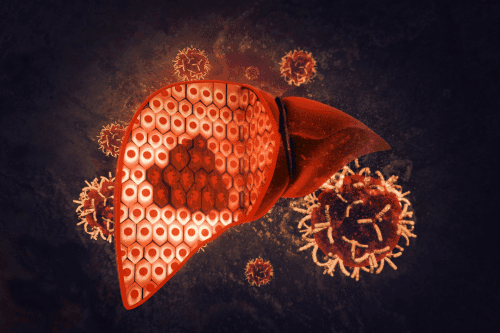
Recognizing these symptoms early can be life-saving. It’s crucial to monitor any changes in your body if you have mixed meloxicam and alcohol and seek medical advice immediately if you notice any of these signs. Early detection and treatment can prevent more severe health issues and improve outcomes.
Risks for Different Populations
Older Adults
Older adults are at a higher risk of experiencing adverse effects from both meloxicam and alcohol due to age-related changes in metabolism and an increased likelihood of having multiple health conditions. As the body ages, it processes substances more slowly, increasing the risk of side effects and interactions. This demographic often takes multiple medications, which can further complicate the effects of mixing meloxicam and alcohol.
Additionally, older adults are more susceptible to falls and injuries due to impaired coordination and balance, which can be exacerbated by the combined effects of meloxicam and alcohol. Cognitive functions may also be affected, leading to confusion and memory issues. These factors make it particularly important for older adults to avoid mixing these substances and to consult their healthcare providers for safe medication practices.
Individuals with Pre-existing Conditions
People with liver disease, kidney disease, or gastrointestinal issues are particularly vulnerable to the harmful effects of combining meloxicam and alcohol. These individuals already have compromised organ functions, and adding the stress of both substances can lead to severe and potentially life-threatening complications. It is crucial for these patients to follow their healthcare provider’s advice and avoid alcohol consumption while on meloxicam.
Moreover, individuals with cardiovascular issues should be cautious, as both meloxicam and alcohol can increase blood pressure and strain the heart. The combined effects can lead to exacerbated symptoms and increased risk of heart attacks or strokes. Careful management of these conditions, including avoiding harmful interactions, is essential for maintaining health and preventing complications.
What to Do if You’ve Mixed Meloxicam and Alcohol
If you have inadvertently consumed alcohol while taking meloxicam and are experiencing symptoms like severe stomach pain, vomiting blood, or jaundice, seek medical attention immediately. These symptoms could indicate serious complications that require prompt treatment. It’s important to provide your healthcare provider with a complete account of your symptoms and any other medications or substances you have taken.
In less severe cases, where symptoms are mild, still consult your healthcare provider for advice. They may recommend monitoring your symptoms closely and avoiding alcohol in the future. They might also adjust your medication or provide additional treatments to mitigate any potential damage. Taking these steps can help prevent more severe health issues and ensure your safety.
Preventive Measures
Talk to Your Doctor
Always consult your healthcare provider before consuming alcohol if you are on any medication, including meloxicam. Your doctor can provide personalized advice based on your medical history and current health status. They can explain the potential risks and help you understand why it’s important to avoid certain combinations.
Open communication with your healthcare provider is key to managing your health effectively. If you have any concerns or questions about your medications, don’t hesitate to ask. Your doctor can provide alternative solutions if you find it difficult to avoid alcohol, ensuring that your meloxicam treatment plan is both safe and effective.
Read Medication Labels
Always read the labels and accompanying literature of your medications. Many medications, including meloxicam, come with warnings about alcohol consumption. Understanding these warnings can help you make informed decisions about your health and avoid dangerous interactions.
Medication labels often contain critical information about dosage, potential side effects, and interactions with other substances. By familiarizing yourself with this information, you can take proactive steps to protect your health. If you’re unsure about any information on the label, consult your healthcare provider for clarification.
Avoid Alcohol
The safest course of action is to avoid alcohol entirely while taking meloxicam. This eliminates the risk of harmful interactions and ensures that the medication can work effectively. Abstaining from alcohol can also improve your overall health and reduce the risk of other alcohol-related health issues.
If you find it challenging to avoid alcohol, consider seeking support from friends, family, or support groups. There are many resources available to help you make healthier choices and manage any difficulties you may face in abstaining from alcohol. Prioritizing your health and well-being is essential, and avoiding alcohol while on medication is a crucial step in that direction.
Alternative Pain Management Strategies
If you find it difficult to abstain from alcohol and need pain management, discuss alternative treatments with your healthcare provider. There are various non-NSAID pain relievers and non-pharmacological treatments that can be considered. These alternatives can help you manage your pain effectively without the risk of harmful interactions.

Non-NSAID Pain Relievers
- Acetaminophen (Tylenol)
- Topical pain relievers
These alternatives can be effective in managing pain without the gastrointestinal and liver risks associated with NSAIDs. Acetaminophen is often recommended for pain relief as it has a lower risk of causing stomach issues. Topical pain relievers can provide targeted relief without affecting the entire body.
Non-pharmacological Treatments
- Physical therapy
- Acupuncture
- Hot and cold therapy
Non-pharmacological treatments can be highly effective in managing pain and improving quality of life. Physical therapy can help strengthen muscles and improve mobility, reducing pain. Acupuncture has been shown to provide relief for various types of pain and may be a beneficial addition to your treatment plan. Hot and cold therapy can provide immediate relief for acute pain and inflammation.
Conclusion
Mixing meloxicam and alcohol can result in severe health complications, particularly affecting the gastrointestinal tract and liver. The combination significantly increases the risk of stomach bleeding, which can be a life-threatening condition. It’s crucial to avoid drinking alcohol while taking meloxicam to prevent these complications. Always consult your healthcare provider for advice tailored to your specific situation and consider alternative pain management strategies if necessary.
By staying informed and cautious, you can effectively manage your pain while minimizing the risk of adverse effects. Taking proactive steps to avoid the dangers of mixing alcohol with meloxicam and seeking appropriate medical advice can help ensure your safety and well-being. Remember, your health is paramount, and making informed choices about your medication and lifestyle can significantly impact your quality of life.
Seeking Treatment? We Can Help
At Sun County Wellness, as an in-network provider we work with most insurance plans, such as:
If you or a loved one are struggling with mental health challenges or substance abuse, reach out to Sun County Wellness today. Our team of compassionate professionals is here to support your journey towards lasting well-being. Give us a call at 949-993-1149