
Clinically Reviewed By Brittany Astrom - LMFT
Brittany has 15 years of experience in the Mental Health and Substance Abuse field. Brittany has been licensed for almost 8 years and has worked in various settings throughout her career, including inpatient psychiatric treatment, outpatient, residential treatment center, PHP and IOP settings.
What Are Quaaludes? Exploring Their Uses and Risks
Quaaludes are a sedative-hypnotic drug that contains methaqualone as the active ingredient. Initially developed as a safe barbiturate substitute, these prescribed sedatives were marketed as a treatment for insomnia and anxiety. However, due to their abuse potential, they quickly became a drug of abuse in the United States, leading to widespread abuse and eventual prohibition.
History of Quaaludes
Origin and Development
Methaqualone was first synthesized by Indra Kishore Kacker and Syed Husain Zaheer in India during the 1950s as an antimalarial medication. It was later discovered to have sedative properties, leading pharmaceutical companies like the Lemmon Company to market it as a prescription sedative under the name Quaalude.
Popularity in the 1960s and 1970s
During the 1970s in discos, Quaaludes became a popular party drug, often called disco biscuits due to their use in social scenes and juice bars. The drug’s euphoric effects and deep relaxation made it attractive to recreational drug users. Celebrities like David Bowie, Frank Zappa, and Leonardo DiCaprio (portraying Jordan Belfort in The Wolf of Wall Street) further cemented its cultural impact.
Legal Status Changes
As negative connotations surrounding Quaalude addiction grew, the Lemmon Company and other drug companies faced pressure to restrict sales. By the late 1970s, medical professionals had documented the harmful effects of long-term use, including physical dependence and severe withdrawal symptoms. In 1984, the United States classified Quaaludes as a Schedule I drug, ending legal production and shifting sales to the black market.
Cultural Depictions in Media
Quaaludes appear frequently in social activities and party scenes in pop culture. Films like The Wolf of Wall Street showcase the effects of Quaaludes, including muscle relaxation, slurred speech, and loss of coordination. The drug’s role in disco scenes of the 1970s cemented its reputation as a recreational abuse substance.
Pharmacology of Quaaludes

Active Ingredient: Methaqualone
Methaqualone is a synthetic compound that affects gamma-aminobutyric acid (GABA) receptors in the brain. This interaction produces sedative effects, including sleep-inducing effects, feelings of relaxation, and mood swings.
Mechanism of Action in the Body
Methaqualone enhances brain activity by increasing GABA activity, leading to reduced heart rate, lower pulse rate, and deep relaxation. In prescribed doses, it functions as a muscle relaxant and hypnotic drug, but at high doses, it can cause respiratory distress and accidental overdose.
Effects on the Central Nervous System
As a powerful sedative, Quaaludes suppress brain activity, reducing anxiety and promoting sleep. However, negative side effects include irregular heartbeat, dry mouth, abdominal cramps, and cognitive impairment. Chronic use increases the risk of severe addiction, psychological dependence, and liver damage.
Medical Uses of Quaaludes
Treatment of Insomnia
Before being banned, Quaaludes were marketed as sleep aids, providing a feeling of relaxation similar to modern prescribed sedatives. However, their potential for abuse and physical effects made them a dangerous alternative to barbiturates.
Treatment of Anxiety
Quaaludes were initially used for mood disorders, but medical journals began reporting on their psychological addictiveness and negative thought patterns. Today, safer treatment options like Cognitive-behavioral therapy (CBT) and medication-assisted treatment have replaced them.
Prescribing Trends and Guidelines
During their peak, Quaaludes were overprescribed by healthcare providers, increasing their presence in the illicit drug market. First-time users often underestimated their risk of overdose, leading to a high number of Methaqualone overdoses.
Risks and Dangers

Addiction and Dependence
Quaaludes had a high abuse potential, leading to physical dependence and psychological dependence. Chronic users experienced severe withdrawal symptoms, including mood swings, negative thought patterns, and drug abuse relapse.
Overdose Potential
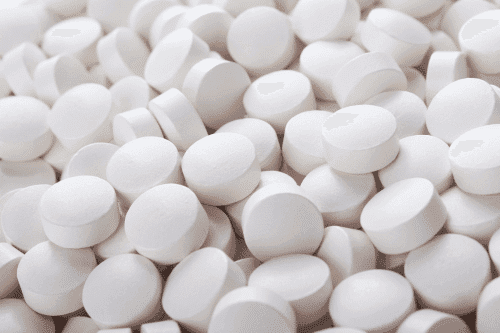
A lethal dose of Quaaludes can cause respiratory arrest, coma, and death, especially when mixed with recreational drugs like alcohol or Gamma-Hydroxybutyric Acid (GHB). Illegal users often accessed them in tablet form, commonly recognized as white tablets stamped with “Lemmon 714.”
Side Effects and Complications
Common side effects of Quaaludes included dry mouth, abdominal cramps, irregular heartbeat, and cognitive impairment. Long-term effects could lead to mental health issues, liver damage, and severe addiction.
Misuse and Abuse
Patterns of Recreational Use
Quaaludes were frequently misused for their sedative effects and euphoric effects. Party drug users often engaged in quaalude binges, ignoring their risk of overdose and severe withdrawal symptoms.
Societal Impact of Quaalude Abuse
The dangers of prescription drugs like Quaaludes led to negative connotations surrounding prescribed sedatives. Governments cracked down on domestic production, making Quaaludes a key target in the war on drugs.
Rehabilitation and Recovery Challenges
Rehabilitation centers like Healthy Life Recovery, Recovery Ranch PA, and Northpoint Recovery Omaha now focus on treating symptoms of quaalude withdrawal through evidence-based treatment and mental health treatment. Medical attention is essential for those experiencing severe withdrawal symptoms during the withdrawal process.
Current Status and Alternatives
Alternative Treatments for Insomnia and Anxiety
Today, safer treatment options like Cognitive-behavioral therapy, medication-assisted treatment, and complementary therapies help manage mood disorders and alcohol withdrawal. Modern safer alternatives include benzodiazepines, melatonin-based sleep aids, and non-addictive prescribed sedatives.
Ongoing Legal and Medical Discussions
Despite Quaaludes being illegal, discussions persist in medical journals about their past use. Some argue for limited medical supervision, but the negative side effects outweigh potential benefits.
Future Perspectives on Quaalude Research
Future research may examine safer alternatives for sleep-inducing effects without the harmful effects of Quaaludes. Until then, treatment of insomnia and mental health conditions relies on modern addiction treatment programs and journey to recovery models.
While Quaaludes were once seen as a safe barbiturate substitute, their sedative properties and widespread abuse made them a dangerous class of drugs. Today, recovery process efforts focus on preventing drug abuse and promoting a healthy life without dependence on sedative drugs.

Seeking Treatment? We Can Help
At Sun County Wellness, as an in-network provider we work with most insurance plans, such as:
If you or a loved one are struggling with mental health challenges or substance abuse, reach out to Sun County Wellness today. Our team of compassionate professionals is here to support your journey towards lasting well-being. Give us a call at 949-993-1149
Visit SAMHSA or contact us today for more inforamtion.